
Snails often die from poor water quality, lack of calcium, copper poisoning, or sudden changes in their environment.
It’s a sight that sinks the heart of any aquarium hobbyist: a beautiful snail, once gliding gracefully across the glass, now lying still at the bottom of the tank. As someone who has kept aquariums for years, I’ve felt that pang of confusion and sadness more times than I’d like to admit. You wonder what went wrong. Was it something you did? The truth is, these hardy little creatures can be surprisingly sensitive. If you’re asking yourself why snails die in an aquarium, you’ve come to the right place. Together, we'll uncover the common culprits and learn how to keep your shelled friends happy and healthy.
The Shock of a New Home: Acclimation and Water Parameters
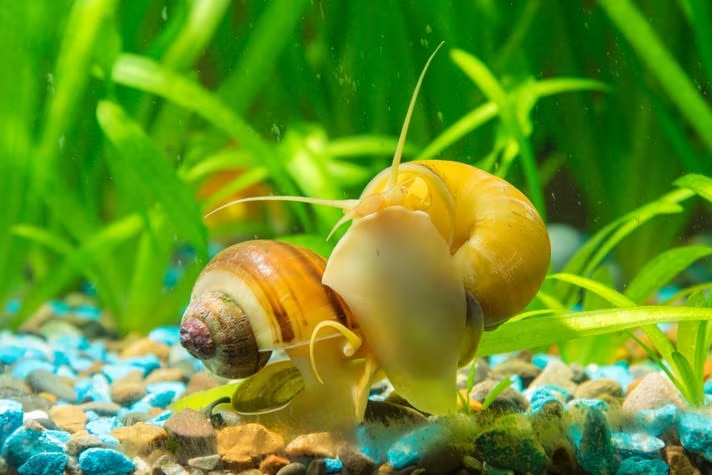
One of the most common reasons a new snail dies is shock. Imagine being moved from a cozy, warm room into a freezing cold one instantly. That's what it can feel like for a snail plopped directly into a new tank. They are highly sensitive to sudden shifts in water temperature, pH, and hardness (GH/KH).
Proper acclimation is not just a suggestion; it's a necessity. The drip acclimation method is your best friend here. This process slowly introduces your tank's water into the bag the snail came in over 30 to 60 minutes. This gives the snail’s body time to adjust gradually, preventing stress that can lead to a quick death. It's a simple step that makes a world of difference in understanding why snails die in an aquarium shortly after being introduced.

Invisible Dangers: The Impact of Poor Water Quality
Your aquarium water may look crystal clear, but it can hide invisible toxins that are lethal to snails. The biggest offenders are ammonia, nitrite, and high levels of nitrate. These compounds are byproducts of fish waste, uneaten food, and decaying plants—part of the natural nitrogen cycle. While a cycled tank has beneficial bacteria to process these toxins, new or poorly maintained tanks can experience dangerous spikes.
Snails are often more sensitive to ammonia and nitrite than fish. Even low levels can cause chemical burns, stress their systems, and ultimately lead to death. Regular water testing and consistent partial water changes are your primary weapons in this fight. Keeping these parameters in check is fundamental to preventing many of the issues that explain why snails die in an aquarium.

A Common Misconception: Starvation in a Tank Full of Algae
Many people believe snails can live on algae alone. While they are fantastic algae eaters, most aquarium environments don't produce enough of it, or the right kinds, to sustain them. Snails are scavengers that need a varied diet, including biofilm, decaying plant matter, and leftover fish food. In a super clean, pristine tank, a snail can literally starve to death.
To avoid this, make sure your snails have enough to eat. You can supplement their diet with algae wafers, sinking pellets, or blanched vegetables like zucchini, spinach, and cucumber. A well-fed snail is a happy snail with a strong shell and a much better chance of a long life. This overlooked factor is a surprisingly frequent answer to the question of why snails die in an aquarium.

The Snail's Kryptonite: Copper Contamination
Copper is deadly to almost all invertebrates, including snails. The scary part is that it can sneak into your aquarium from several sources. Many fish medications, especially those used to treat parasites like ich, contain copper as an active ingredient. Always read the label before medicating a tank that houses snails.
Tap water can also sometimes contain trace amounts of copper from old plumbing. Using a water conditioner that specifically neutralizes heavy metals is a crucial step during every water change. If you suspect copper is the reason why snails die in an aquarium you own, you can use a copper test kit to confirm your suspicions and take action.
Weakened Defenses: The Problem with Low Calcium
A snail’s shell is its home, its armor, and its skeleton all in one. To grow and maintain a strong, healthy shell, snails need a steady supply of calcium from the water. In soft water environments with low general hardness (GH), snails can't get the minerals they need.
This leads to thin, pitted, or cracked shells that can’t protect them properly and may even erode completely. You might see their new shell growth looking pale or translucent. You can easily supplement calcium by adding a cuttlebone (the kind sold for birds), crushed coral, or crushed eggshells (boiled and cleaned) to your filter or substrate. Ensuring adequate calcium levels is a proactive step to prevent one of the saddest reasons why snails die in an aquarium.
Tank Mate Troubles: Predation and Bullying
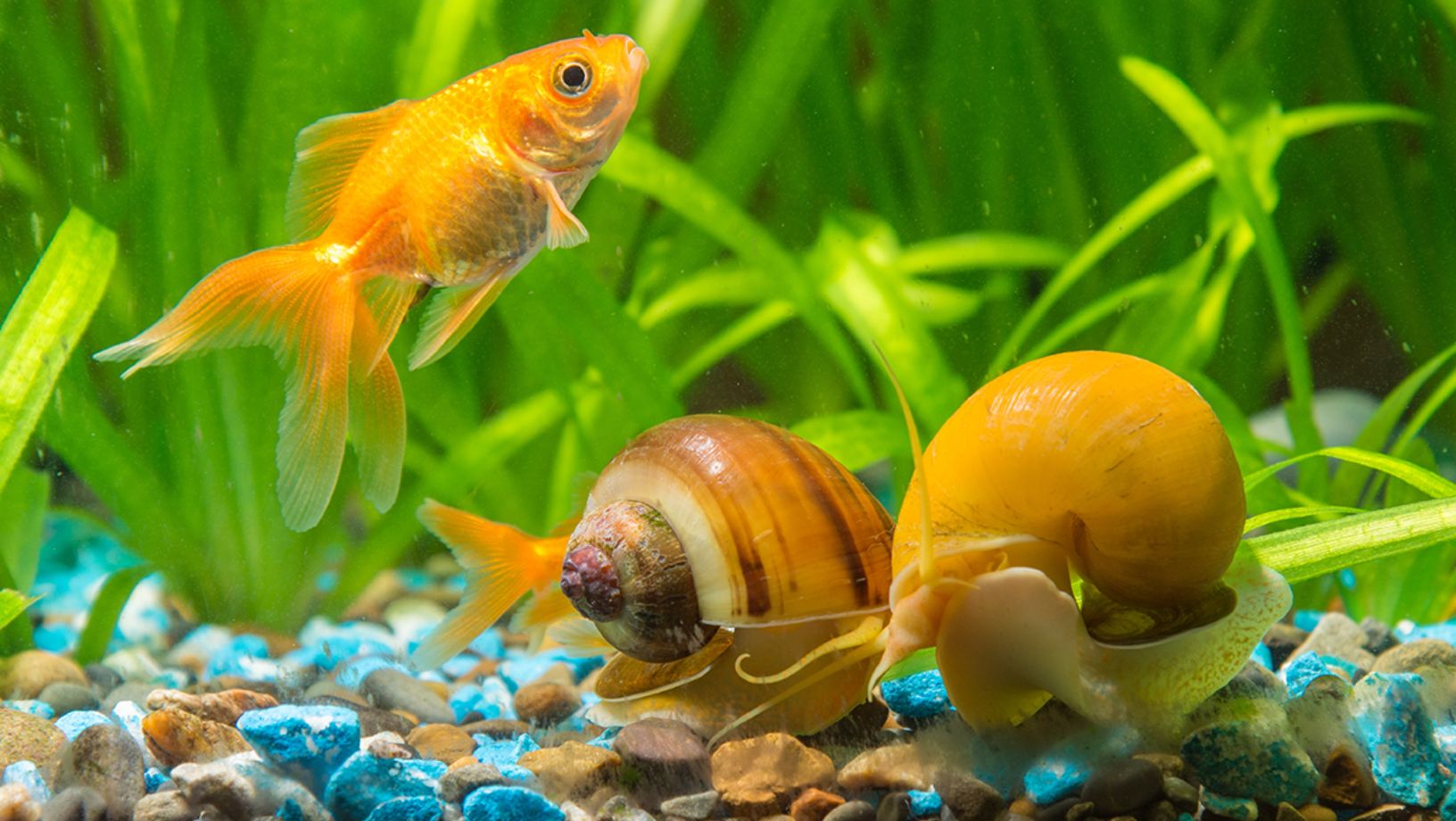
Not all fish are snail-friendly. In fact, some see snails as a delicious snack. Common predators include loaches (like the Clown Loach and Yoyo Loach), pufferfish, and some larger cichlids. Even a curious goldfish might relentlessly pick at a snail until it’s too stressed to survive.
Before adding snails, always research the compatibility of your existing fish. Sometimes, even if a fish isn’t a natural predator, constant nipping and harassment can stress a snail to death. Providing plenty of hiding spots with plants and decor can help, but the best solution is to keep snails with peaceful tank mates. This is an important social dynamic to consider when exploring why snails die in an aquarium.

Frequently Asked Questions
Why did my snail die right after a water change?
This is often caused by thermal shock or a drastic change in water parameters. If the new water's temperature, pH, or hardness is very different from the tank water, it can stress the snail's system and be fatal.
How do I know if my aquarium snail is dead?
The most reliable sign is the smell. A dead snail will release a very strong, unpleasant odor within a day or so. You can also gently pick it up; if it hangs limply out of its shell and doesn't retract, it has likely passed away.
Is it bad to leave a dead snail in the tank?
Yes, you should remove a dead snail as soon as you discover it. As it decomposes, it will release a large amount of ammonia, which can foul the water, harm your other tank inhabitants, and cause a dangerous ammonia spike.
Can snails die from being flipped upside down?
Some snail species, like Mystery Snails, have difficulty righting themselves if they fall on their backs. If left this way for too long, they can become exhausted, stressed, and eventually die or be picked on by other tank mates.
What is the average lifespan of an aquarium snail?
The lifespan varies greatly by species. Nerite snails and Mystery snails typically live for about 1-2 years, while Rabbit snails can live for 3 years or more. Some smaller pest snails may only live for a few months.
Conclusion
Understanding why snails die in an aquarium is about seeing your tank from their perspective. It’s about more than just pretty glass boxes; it’s about creating a stable, safe, and nourishing ecosystem. From ensuring stable water conditions and providing the right food to being mindful of tank mates and hidden toxins like copper, every detail matters. By paying close attention to these key areas, you can move from being a confused owner to a confident snail keeper.
Now, take a closer look at your aquarium. Use this knowledge to observe, test, and make small adjustments. You have the power to create a thriving underwater world for your shelled companions. What has been your biggest challenge with keeping snails? Share your experience in the comments below