A thin, oily and bacterial layer—biofilm and trapped organics—causes the film on your aquarium surface.
I’ve kept and serviced aquariums for over a decade, and I’ve seen this film dozens of times. I will explain why is there a film on the top of my aquarium, what causes it, whether it’s dangerous, and practical steps to remove and prevent it. This article combines hands-on experience with clear, science-based explanations so you can fix the problem fast and keep your tank healthy.

What exactly is the film on my aquarium surface?
Most commonly, the film is a biofilm: a thin layer of bacteria, microscopic organisms, and organic matter that floats and sticks at the water surface. It can also include oils, dust, proteins, and mineral residue. The film often looks shiny, greasy, or ragged and may form patches or a continuous sheet. Knowing what the film is helps you decide how to treat it. The core question—why is there a film on the top of my aquarium—usually points to surface organics and low surface movement.
Common causes of a film on the top of an aquarium
Understanding root causes helps you stop the film from coming back. Here are the most frequent reasons why is there a film on the top of my aquarium:
- Excess surface oils and proteins from skin contact, cooking fumes, or household aerosols. These lower surface tension and let films form.
- Overfeeding and uneaten food that releases protein and fat into the water. Organic load fuels bacteria.
- Dust and pollen falling into an open tank, adding particulates that float and bind with organics.
- Bacterial or algal biofilms forming naturally from microbes that colonize the surface. They feed on dissolved organics.
- Low surface agitation or poor flow at the water-air interface. Still water lets film settle and persist.
- Hard water minerals and evaporative residue that leave scum lines. This is more common in areas with high mineral content.
If you ask why is there a film on the top of my aquarium, inspect these areas first: feeding habits, tank cover and room environment, and surface movement.

How the surface film forms (simple stages)
Biofilms and scums form in predictable steps. Knowing these steps helps target removal.
- Attachment. Molecules and microbes reach the surface. Oils and proteins stick first.
- Colonization. Bacteria multiply and produce sticky polymers that bind particles together.
- Maturation. The layer thickens and spreads across the surface.
- Stabilization. With little agitation, the film can persist for days or weeks.
When you think about why is there a film on the top of my aquarium, surface tension and organic load are the main actors. Reduce one or both and the film struggles to form.
Is the film harmful to fish and plants?
Short answer: usually not severe, but it can cause problems if ignored. A stable film reduces gas exchange at the surface and can slightly lower oxygen transfer. Fish that feed at the surface or need high oxygen may show stress. The film can trap contaminants and harbor unwanted bacteria or pathogens in high-organic setups. In most community tanks, quick removal and improved flow fix the issue and protect livestock.
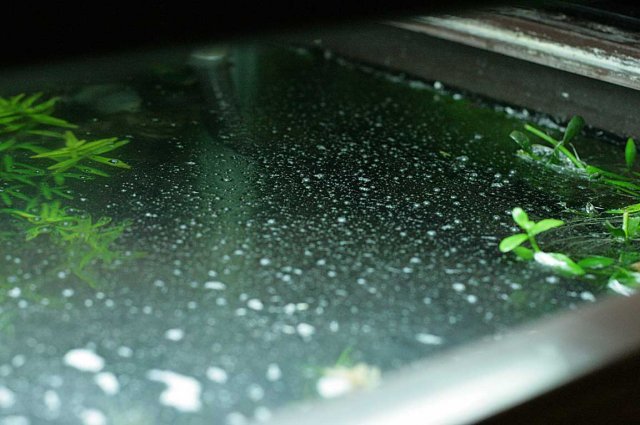
How to remove the film safely and effectively
Here are proven, low-risk methods I use and recommend. They address the cause and remove the film.
- Manual skimming with a paper towel or clean cloth. Gently drag across the surface to lift the film, especially at corners.
- Use a fine mesh surface skimmer or aquarium net. These tools collect film without touching fish.
- Increase surface agitation. Add an air stone, adjust filter outflow, or install a surface skimmer to break the film.
- Perform partial water changes. Remove dissolved organics and replace with clean water to reduce food for film-formers.
- Clean decorations and remove decaying plant matter. Dead leaves and detritus feed microbes.
- Use activated carbon in the filter. It can absorb dissolved organics that fuel the film.
- For stubborn bacterial mats, a targeted siphon and periodic maintenance with a soft cloth can prevent recurrence.
Avoid using soaps or household detergents. They damage fish and plants. If you try chemical cleaners, do so only with aquarium-safe products and follow instructions precisely.

Preventive measures and a simple maintenance routine
Prevention is the best approach. Here is a routine that stopped films in my tanks.
- Feed less. Reduce leftovers by feeding small portions once or twice daily.
- Add surface flow. Aim for gentle but steady movement at the surface to keep it clean.
- Keep a lid or cover. A lid prevents dust, oils, and airborne particles from landing in the tank.
- Weekly spot checks. Skim any early film with a paper towel before it spreads.
- Regular water changes. A 10–25% weekly change helps reduce dissolved organics.
- Clean filters weekly. Rinse mechanical media and check biological media without over-cleaning beneficial bacteria.
- Avoid spraying aerosols or cooking near the tank. Cooking oils and sprays settle quickly on water.
If you want a one-line answer for prevention: reduce organic input and keep the surface moving.

Troubleshooting: persistent film and advanced fixes
If the film returns despite basic fixes, try these steps.
- Test water parameters. High ammonia, nitrate, or phosphate can indicate excess organics or decomposition.
- Inspect for dead or decaying life. Hidden dead snails, trapped fish, or rotting plants will feed microbes.
- Swap filter media. Old carbon and clogged mechanical media may no longer remove organics.
- Add a dedicated surface skimmer or protein skimmer for high-load tanks. Protein skimmers work best in saltwater.
- Consider a UV sterilizer for persistent bacterial bloom. Use with care and correct sizing.
If fish show stress or unusual symptoms alongside the film, consult a vet or experienced aquarist. Persistent film can be a symptom, not just an aesthetic issue.

Personal experience: mistakes I learned from
I once ignored a thin film in a planted tank for weeks. I blamed plants, not poor feeding. The film thickened and some surface plants showed reduced vigor. A quick clean, reduced feeding, and a repositioned outflow fixed it in two days. Lesson learned: early action and small habits (covering the tank, feeding less) prevent bigger problems.
:strip_icc()/foam-on-aquarium-water-1381213-PSD-GIF-V3-55398aa7240b4d8391d2d607ee8bf3b5.jpg)
Recommended tools and affordable gear
These tools help remove and prevent surface film without stress.
- Fine mesh surface skimmer for daily quick cleanups.
- Long-handled aquarium net to reach corners.
- Activated carbon bags for the filter to reduce dissolved organics.
- Air stone or adjustable powerhead to boost surface flow.
- Aquarium lid or hood to reduce dust and oils.
Investing in one or two of these items can cut maintenance time and keep the film away.
Frequently Asked Questions of why is there a film on the top of my aquarium
Why does this film appear overnight?
A film can show up quickly if conditions are right: oils, dust, and a lack of surface flow allow microbes to form a visible layer within hours. Overnight cooking fumes or a heavy feeding session the day before often trigger fast film formation.
Can the film cause fish to die?
Not usually by itself. But if the film reduces oxygen exchange and the tank is already low in oxygen or heavily stocked, fish can become stressed and suffer. Fixing the film and improving aeration usually resolves the risk.
Will a lid make the film worse?
A lid prevents dust and oils from entering, which can reduce film. However, a closed lid with no surface agitation can let a biofilm stabilize. Use a lid and also ensure some surface movement.
Are chemicals safe to remove the film quickly?
Most household chemicals are unsafe for aquariums. Aquarium-safe products exist, but manual and mechanical removal combined with better flow and water changes is the safest approach. Always follow product guidance if you choose chemical options.
Is this more common in saltwater or freshwater tanks?
Surface film occurs in both. Saltwater tanks often use protein skimmers and show different film characteristics. Freshwater tanks can form greasy scum or bacterial mats easily when surface flow is low. The core causes—organics and low surface agitation—are the same.
How often should I skim the surface?
Skim weekly as part of routine maintenance, and spot-skim daily if you see early film. Quick daily checks prevent larger buildups and save time overall.
Conclusion
A film on the top of your aquarium is usually a mix of biofilm, oils, and trapped organics forming where surface movement is low. The simple remedy is to reduce organic inputs, increase surface agitation, and remove the film manually. Small, consistent habits—feeding less, skimming early, keeping a lid, and maintaining filters—stop the film from returning. Try one or two of the suggested fixes today and monitor the surface for a few days. If the issue persists, test your water, inspect for hidden decay, and consider adding a surface skimmer or consulting an expert. Share your experience, ask questions, or subscribe for more practical aquarium care tips.