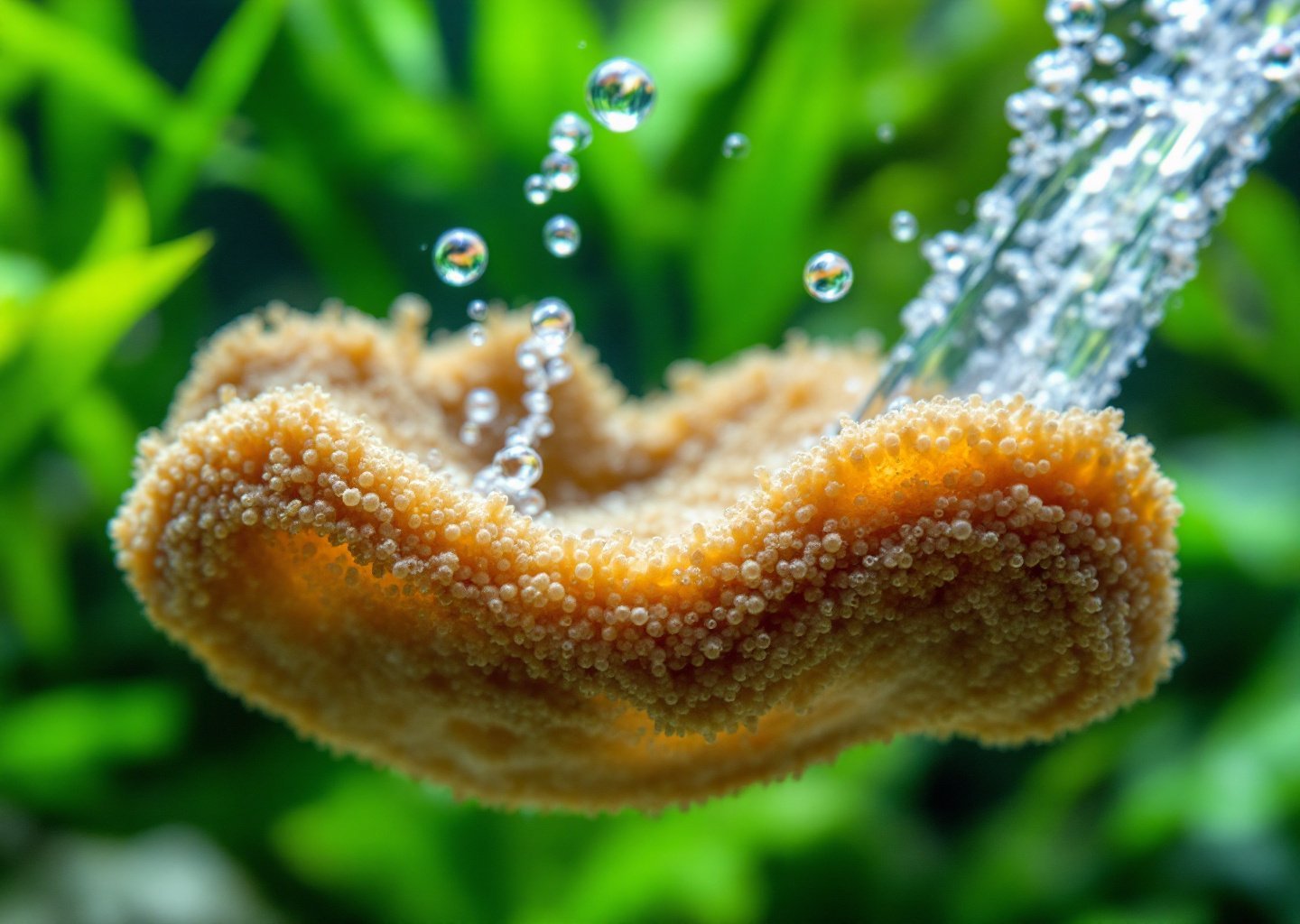
Aquarium Co-Op Sponge Filter Review: 18 Months of Real-World Testing
Look, I’ll be honest with you. When I first started tracking data on my sponge filters, my partner thought I’d completely lost it. “You’re making a spreadsheet for a piece of foam?” But here’s the thing: most reviews are written after maybe two weeks of use. That’s barely enough time for beneficial bacteria to fully colonize, let alone tell you anything meaningful about long-term performance.
So I did what any obsessive aquarist with seven nano tanks and a graphic design background would do. Created color-coded maintenance logs, photographed sponge degradation monthly, and tracked water parameters across multiple setups. Eighteen months later, I finally feel qualified to give you an honest Aquarium Co-Op sponge filter review that goes beyond first impressions.
Most product reviews capture that honeymoon phase. Everything looks pristine, works perfectly, and the reviewer’s still excited about their purchase. But filtration isn’t about week one. It’s about month six when you’re wondering why your ammonia spiked, or month twelve when the sponge starts looking a little… sad.
What I wanted to answer were the questions that actually matter: How long do Aquarium Co-Op sponge filters last before replacement? Does performance decline gradually or drop off a cliff? And honestly, is the Aquarium Co-Op sponge filter worth it compared to cheaper alternatives?
This Aquarium Co-Op sponge filter review covers my experience across a 5-gallon betta tank, a 10-gallon shrimp breeding setup, and a 20-gallon community tank. Real tanks, real data, real wear and tear.
Aquarium Co-Op Sponge Filter Basics: What’s Actually in the Box
Let’s start simple. When you order an Aquarium Co-Op sponge filter, you’ll typically get:
- The sponge filter itself (coarse pore structure)
- A weighted base to keep it anchored
- An uplift tube with adjustable height
- A small airline tubing connector at the top
What you don’t get: airline tubing, an air pump, or a check valve. Budget some extra money for those if you’re starting from scratch, and check current prices as they can vary.
Build quality immediately stood out to me. The plastic feels substantial, not flimsy, and the sponge density hits that sweet spot between too coarse (poor mechanical filtration) and too fine (clogs constantly). From a design perspective, I appreciate that they kept it simple. No unnecessary bells and whistles, just functional form.
One detail worth mentioning: the green color is surprisingly inoffensive in a planted tank. It blends into the background better than the bright blue options from other brands. My eye for color palettes thanks them for that choice.
Size Guide Breakdown: Nano vs. Medium vs. Large for Your Tank
Here’s my Aquarium Co-Op sponge filter size guide for beginners based on actual testing, not just manufacturer recommendations:
Nano Sponge Filter
– Rated for up to 10 gallons
– My recommendation: 3–7 gallons, or as a secondary filter in 10 gallons
– Perfect for betta tanks and small shrimp setups
– Footprint is genuinely small enough for desktop tanks
Medium Sponge Filter
– Rated for up to 40 gallons
– My recommendation: 10–25 gallons as primary filtration
– Great sponge filter for 20-gallon aquarium setups
– What I use in my community tank
Large Sponge Filter
– Rated for up to 40 gallons
– My recommendation: 30–40 gallons, or pair two for larger tanks
– Bigger footprint takes up significant real estate

Are the ratings optimistic? Yes, and that’s true across the industry. I always size up or use two filters when in doubt. Better over-filtered than under-filtered, especially if you’re like me and occasionally overfeed because your fish give you those eyes.
Performance Over Time: Month-by-Month Observations and Water Parameters
Okay, this is the good stuff.
Months 1–3: The Cycling Phase
The sponge cycled faster than expected in my 10-gallon shrimp tank. Zero ammonia by week two, stable nitrite processing by week three. I seeded it with some established filter media, which significantly sped up the process. Your results may vary if you’re starting completely fresh. nitrogen cycle for beginners
Months 4–6: Peak Performance
This was when I stopped checking parameters obsessively. The sponge developed that beautiful brown biofilm coating. Water stayed crystal clear between weekly water changes. Parameters held steady: 0 ammonia, 0 nitrite, 10–20 ppm nitrates.
Months 7–12: Consistent Reliability
No noticeable decline. Honestly surprised me. The sponge required monthly squeezing in old tank water but maintained its structure. Flow remained consistent with occasional airline cleaning.
Months 13–18: Signs of Age
Around month 14, I noticed the sponge losing some elasticity. It didn’t bounce back as quickly after squeezing. By month 16, cleaning more frequently became necessary to maintain flow. The sponge still functioned but was clearly past its prime.
A quick Aquarium Co-Op nano sponge filter tip: don’t position it directly under your light. Algae growth on the sponge accelerates degradation, and honestly, it just looks messy.
Aquarium Co-Op vs. Fluval vs. Matten Filter: Real Comparison Results
I ran a side-by-side comparison for eight months. Here’s my honest take:
Aquarium Co-Op Sponge Filter
– Pros: Excellent pore density, durable construction, reasonable price ($8–12)
– Cons: Green color limits aesthetic options, needs separate air pump
– Biological filtration: solid 9/10, maybe 8 if I’m being harsh
– Mechanical filtration: 7/10
Fluval Edge Pre-Filter Sponge
– Pros: Black color, integrated strainer, slightly finer pores
– Cons: Price varies by product ($5–25 depending on specific item), less surface area
– Biological filtration: 7/10
– Mechanical filtration: 8/10
Matten Filter (DIY)
– Pros: Huge surface area, completely customizable, lasts years
– Cons: Time-consuming setup, takes up tank space, requires planning
– Biological filtration: 10/10
– Mechanical filtration: 6/10
My Aquarium Co-Op sponge filter vs. Matten filter comparison boils down to this: Matten filters win for large breeding operations where you’re all-in on sponge filtration. But for most hobbyists? The Aquarium Co-Op filter offers the best balance of performance, convenience, and price.
Lifespan Reality Check: When to Clean vs. When to Replace
How long do these actually last before replacement?
Cleaning Schedule (What Worked for Me)
– Light bioload: Every 3–4 weeks
– Medium bioload: Every 2 weeks
– Heavy bioload or breeding: Weekly
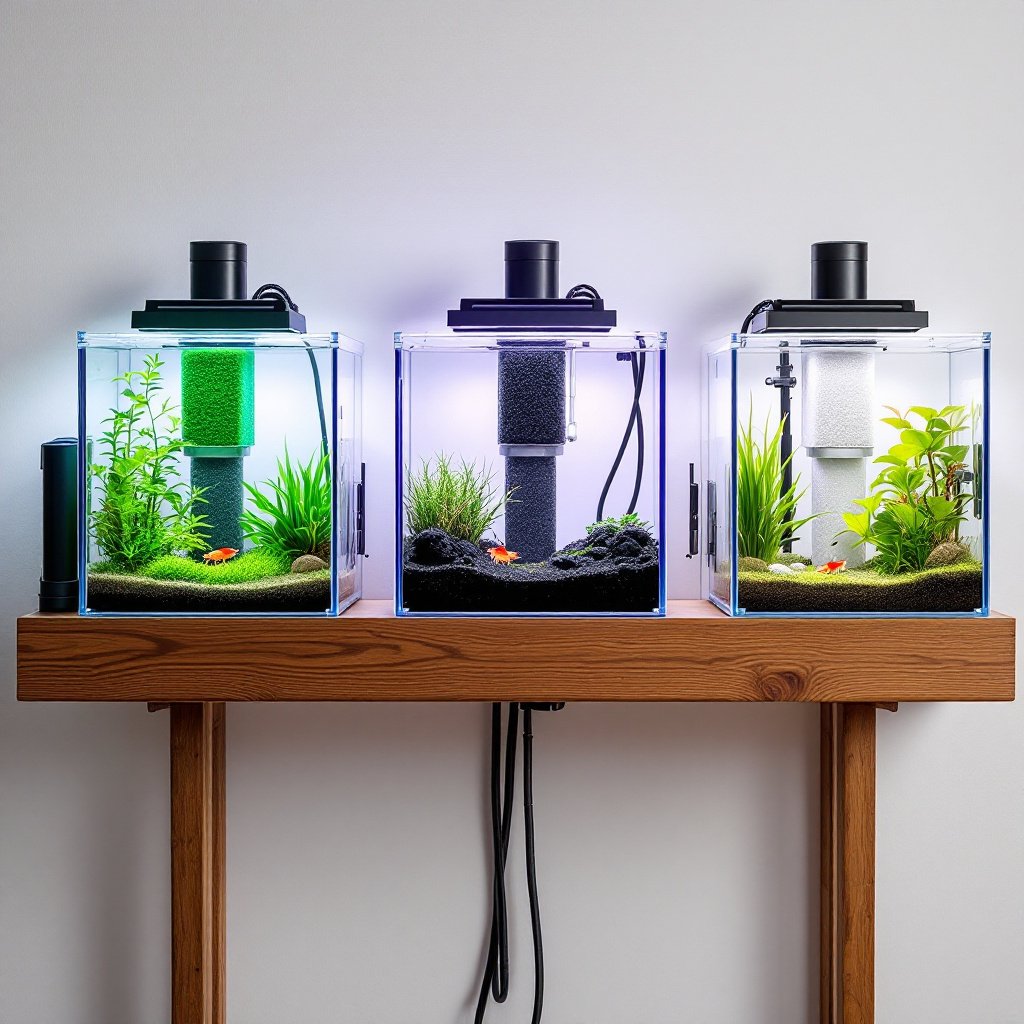
Always squeeze in old tank water. Never tap water. Never soap. I lost Gerald the betta to an uncycled tank back in my beginner days, and I’m not making rookie mistakes with beneficial bacteria anymore.
Replacement Timeline
Based on my testing, expect 12–18 months of solid performance with proper care. Warning signs that it’s time:
- Sponge doesn’t spring back after squeezing
- Visible deterioration or crumbling
- Flow decreases even after thorough cleaning
- The sponge feels “slimy” even when clean
I replaced my original test sponge at month 18, though it probably could’ve limped along a bit longer. Fresh sponge, fresh start.
Pro tip: Keep a backup sponge running in an established tank. When replacement time comes, you’ve got pre-cycled media ready to go. how to cycle a new filter
Best Use Cases: Betta Tanks, Breeding Setups, and Hospital Tanks
After 18 months, here’s where these filters truly shine:
Betta Tanks
The best sponge filter for betta tanks in 2024 is honestly any quality sponge filter, and Aquarium Co-Op delivers. Gentle flow won’t stress long-finned varieties. I run the nano size in my 5-gallon betta tank with the air pump barely cracked open. Perfect gentle current.
Shrimp Breeding Setups
Sponge filters are non-negotiable for shrimp. The nano and medium sizes prevented any shrimplet casualties in my cherry shrimp colony. Babies graze on the biofilm. The shrimp get a food source, I get peace of mind.
Hospital and Quarantine Tanks
This is where the Aquarium Co-Op sponge filter review and performance data really matters. I keep a cycled sponge running in my main tank specifically for emergency hospital setups. Pop it in a 5-gallon bucket with a heater, and you’ve got an instant quarantine station.
Where I Wouldn’t Use Them
Heavily planted high-tech tanks that need strong flow, or tanks with messy fish like goldfish that require serious mechanical filtration. Supplement with a HOB or canister in those situations.
Final Verdict: Is the Aquarium Co-Op Sponge Filter Worth It?
After 18 months, multiple tank sizes, and way more data than anyone asked for: yes. The Aquarium Co-Op sponge filter is worth it.
It’s not the cheapest option out there. You can find generic sponge filters on Amazon for half the price. But the build quality, consistent performance, and longevity justify the few extra dollars. I’ve used cheap alternatives that fell apart in six months. These didn’t.
Quick Setup Tips:
1. Run your air pump at low-medium to start
2. Position the filter near the surface for better oxygenation
3. Let biofilm develop before adding sensitive livestock
4. Keep a spare sponge cycling in an established tank
5. Mark your calendar for monthly maintenance
Is the Aquarium Co-Op sponge filter worth it for apartment dwellers on a budget? Absolutely. You’ll get reliable filtration without the noise of HOB filters or the complexity of canisters.
For my fellow nano tank enthusiasts and anyone getting started in the hobby, this Aquarium Co-Op nano sponge filter review and setup tips should set you up for success. Simple equipment, proper maintenance, and a little patience go a long way.
Now if you’ll excuse me, I need to convince my partner that the empty corner of our kitchen could definitely fit just one more 5-gallon.