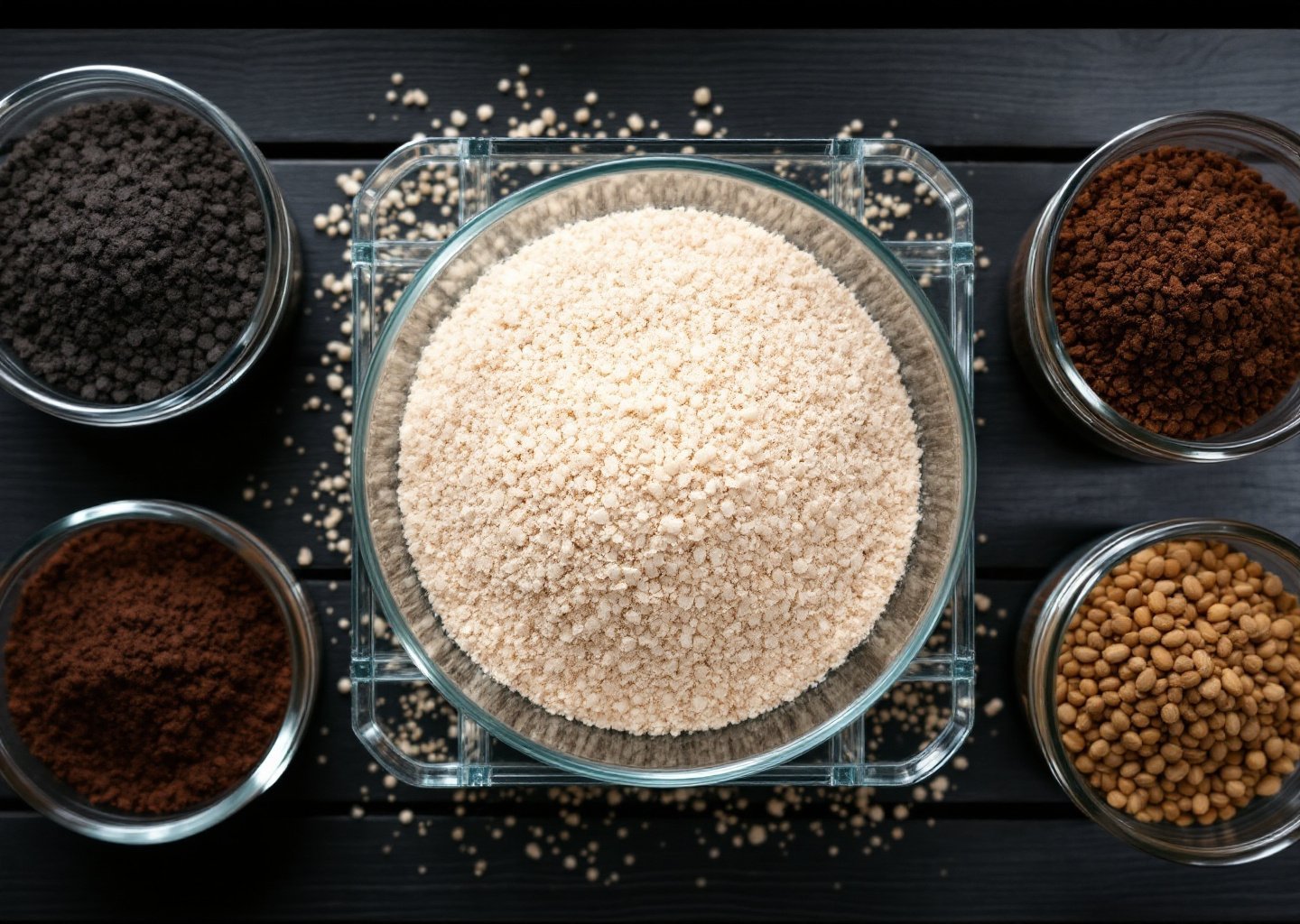
I Hit a Wall With Fluval Stratum (And Spent Six Months Finding Alternatives)
I hit a wall last year. Pretending Fluval Stratum was still a budget substrate just wasn’t working anymore. It used to be my go-to, especially when running multiple nano tanks in my apartment. But the price kept creeping up. And when you’ve got seven tanks sprinkled around 600 square feet? You start feeling every extra dollar. Hard.
That frustration pushed me into a six-month experiment where several Fluval Stratum alternatives got tested head-to-head to see what actually performs like the original without draining my wallet.
What the Experiment Looked Like
Here’s the setup. Identical tanks, swapped substrates across my established nano setups, and obsessive recording of everything possible: growth rates, pH shifts, root development, shrimp behavior, mulm buildup, and how much the substrate compacted over time. Cost per gallon got broken down for each one because, let’s be honest, a lot of us start this hobby with a tight budget.
Half a year of watching stems either explode with growth or melt into absolute mush. All so you wouldn’t have to guess.
Want the best substrates for planted aquariums instead of Fluval Stratum? Clear winners emerged, along with a few surprises and a couple of brands that’ll never touch my tanks again.
What Makes Fluval Stratum Work
Before comparing anything, understanding what we’re really paying for matters. Stratum has a few traits that make it feel like magic when you’re new to planted tanks:
- High cation exchange capacity (nerdy way of saying it holds onto nutrients better), which helps plants absorb them faster
- Gentle pH buffering toward the mid-6 range
- Porous granules that stay airy for root development
- Lightweight texture, sometimes too light if you keep big fish
Here’s the thing. When people ask about cheaper alternatives, they often forget that not many soils hit all these points. So the alternatives had to be tested against the stuff that actually matters for plant health.
The Testing Method
Seven tanks ran between 5 and 10 gallons, each with the same light, filter style, and plant mix: crypts, dwarf sag, Monte Carlo, rotala, and a few floaters. All low-tech. No CO2. My apartment doesn’t have space for massive CO2 rigs anyway. Trust me, I’ve tried to make it work.
Every tank started with tap water at pH 7.4. Weekly tracking included:
- pH readings
- Monthly root mass
- Stem growth measured in height
- Melting percentage
- Mulm buildup
- Cost per gallon of substrate used
The same fertilizer schedule applied across all tanks. When these get called cheap Fluval Stratum alternatives that work, it’s because consistent results actually showed up, not because a brand’s marketing page looks shiny.
Budget Winners: Controsoil, UNS Controsoil, and Tropica Substrate
These three surprised me. One clear winner seemed likely going in, but depending on your tank, they each shine in their own way.
Controsoil (Regular)
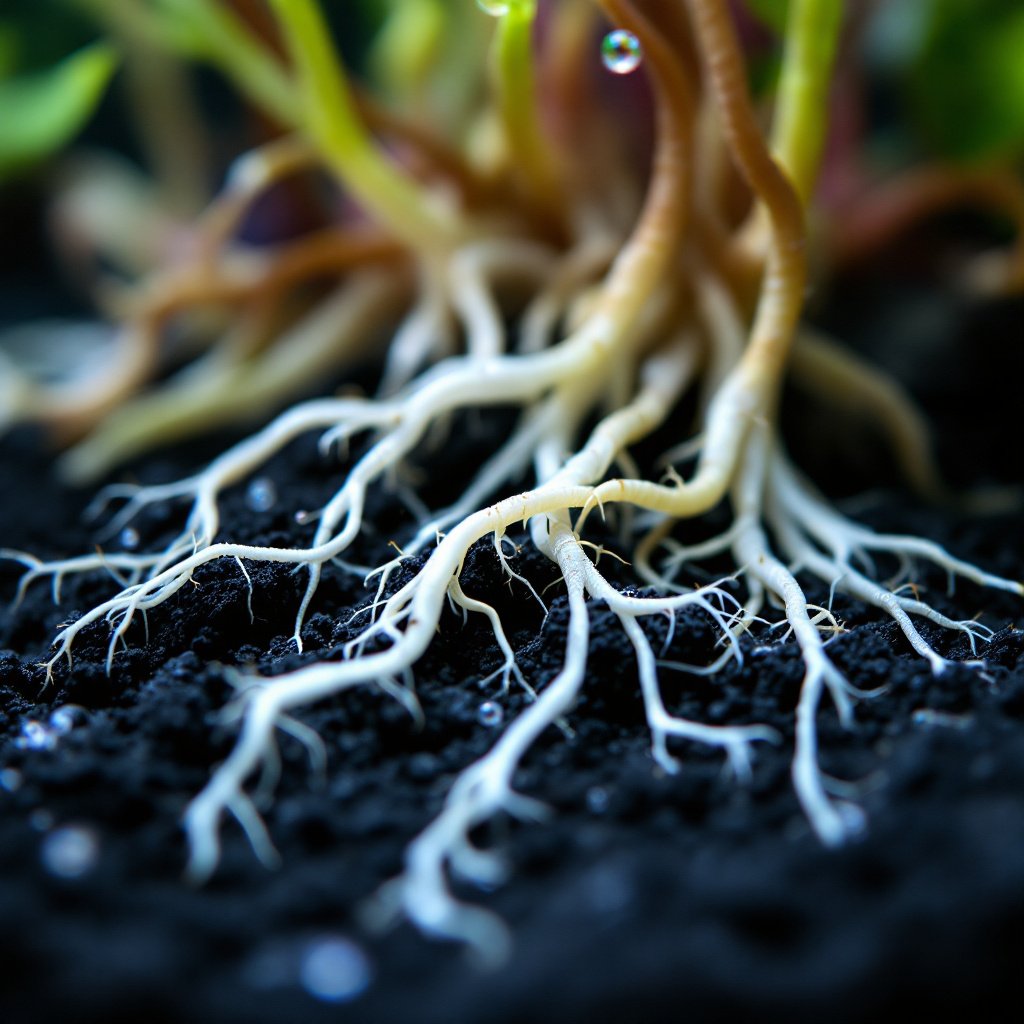
Want the best budget substrate for planted aquariums? Plain Controsoil hits most of the Stratum notes for less money.
- pH settled around 6.6 in testing
- Plants rooted quickly
- Slightly heavier granules, easier to plant stems
- Generally cheaper than Stratum, though prices vary by retailer and region
Monte Carlo spread faster here than in Fluval Stratum itself. Honestly? Not sure if it was the weight of the granules helping with tighter carpet planting or the nutrient balance, but the difference showed up around week four. Pretty hard to argue with.
Cost per gallon in the 10-gallon test: roughly five bucks.
UNS Controsoil (Fine)
This one wins for shrimp tanks. No question. Neocaridina bred better in this setup than any other soil tested. pH dropped to around 6.4 and stayed there without bouncing around. Need a substrate that lowers pH like Fluval Stratum does? This is the closest copy out there.
Root development? Best of all the soils tested. Crypts pulled at the six-month mark had root balls that looked like something out of an ADA promo photo. Genuinely impressive stuff.
Tropica Aquarium Soil
The full version got used, not the powder. Tropica sits between expensive and affordable, but the results justify it.
- Deep green crypt leaves
- Fastest rotala growth of the group
- Slight ammonia release but nothing serious
Some compaction showed up by month five but not enough to hurt the scape. For anyone searching for the best aquarium soil for low-tech planted tanks, Tropica deserves way more hype than it gets.
The Disappointments: Eco-Complete and Cheap Amazon Soils
Here’s where things got messy. And a little smelly.
Eco-Complete
People always ask which is better between Fluval Stratum and Eco-Complete. After running them side by side, Stratum wins in every category except weight. Eco-Complete simply doesn’t feed plants without dosing a ton of liquid fertilizer.
Problems that showed up:
- Zero pH buffering
- Slow root development
- Dwarf sag melted twice
- Looked dirty after two months
If you love it, cool. But it didn’t come close to Stratum in this test.
Cheap Amazon Volcanic Soils
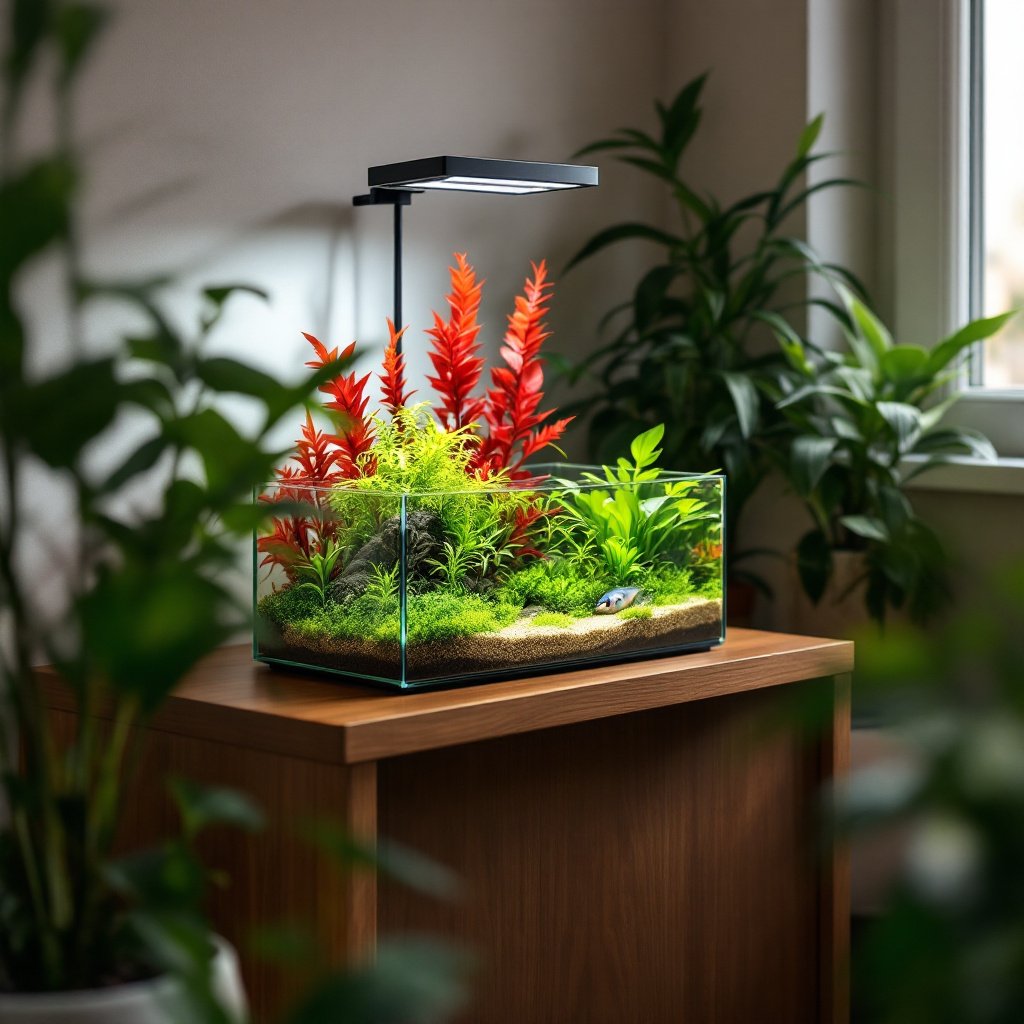
Two brands under $20 got grabbed to see if a cheaper substrate that works like Fluval Stratum actually exists. Spoiler: it doesn’t. At least not from these companies.
One brand leached ammonia for six weeks and never stopped clouding the water. The other compacted into clay-like pancakes. Crypt roots rotted inside it. Photos were taken, and the mulm layer looked like chocolate pudding by month four. Zero out of ten. Would not recommend to my worst enemy.
ADA Aqua Soil vs. Fluval Stratum: Is the Upgrade Worth Twice the Price?
ADA is the big name everyone whispers about. The premium stuff. And yes, it performs better than Stratum in several ways: stronger buffering, richer nutrients, faster root spread. But the price? It hurts.
In the comparison tank:
- ADA dropped pH to around 6.2 and kept it there
- Rotala grew almost aggressively
- Monte Carlo spread twice as fast
- Initial ammonia spike required extra water changes
So is it worth it? For high-tech or CO2 setups, ADA makes sense. In low-tech setups like mine, the gains were nice but not double-the-price nice. Good for one showcase tank, not seven scattered around a small Portland apartment.
DIY and Hybrid Options: Dirt-Capped Tanks and Mixing Substrates
Back in college, every single tank got dirted because it was the cheapest substrate for healthy plant growth. Dirt still works, but only if you treat it like a slow simmer, not a quick fix.
Dirt recap:
- Incredible crypt growth
- pH stayed around 6.8 in my experience
- Needs a cap, or you will regret your life on water change day
Sound familiar? Want cheap Fluval Stratum alternatives that work? A dirt tank capped with pool filter sand costs maybe $10 total for a nano tank. The downside is aesthetics. A clean dark soil look is hard to beat, and dirt capped with sand isn’t always pretty.
Mixing Substrates
Here’s a favorite hack. A thin dirt layer under a half bag of premium soil works beautifully. This got tested with Tropica and showed significant savings while keeping the look and buffering, though actual cost reduction depends on local prices and the dirt-to-premium-soil ratio. Dirt handles nutrients. Tropica handles the design side. Win-win.
Final Recommendations
After six months of obsessively checking parameters and watching plants do their thing, here’s what shook out for anyone searching for Fluval Stratum alternatives that actually work:
- Best all-around: Controsoil
- Best for shrimp: UNS Controsoil
- Best for heavy stem growth: Tropica
- Best budget experiment: Dirt plus a light cap
- Best premium: ADA Aqua Soil, if your wallet agrees
And there’s one situation where Fluval Stratum still gets purchased: the tiny 5-gallon scape in my bedroom. Layout changes happen so often there that a lightweight soil that won’t send clouds everywhere during replanting is essential. Stratum still wins that category.
For more substrate reviews, nutrient guides, or low-tech tutorials, check out planted tank beginner guides or aquarium soil comparisons.