The Weekly Aquarium Maintenance Checklist That Actually Works
Here’s a secret that took me three dead bettas and countless hours of anxious googling to learn: you’re probably doing too much to your tank. Not too little. Too much.
When I first got into fishkeeping, my routine was exhausting. Scrubbing gravel weekly. Replacing filter cartridges monthly because the package told me to. Doing massive 50% water changes whenever something looked slightly off. My tanks were stressed disaster zones, and I couldn’t figure out why. Turns out, the problem was me.
Here’s what nobody tells you about aquarium care: the hobby industry profits from making you feel like you need seventeen products, three testing apps, and a marine biology degree to keep fish alive. You don’t.
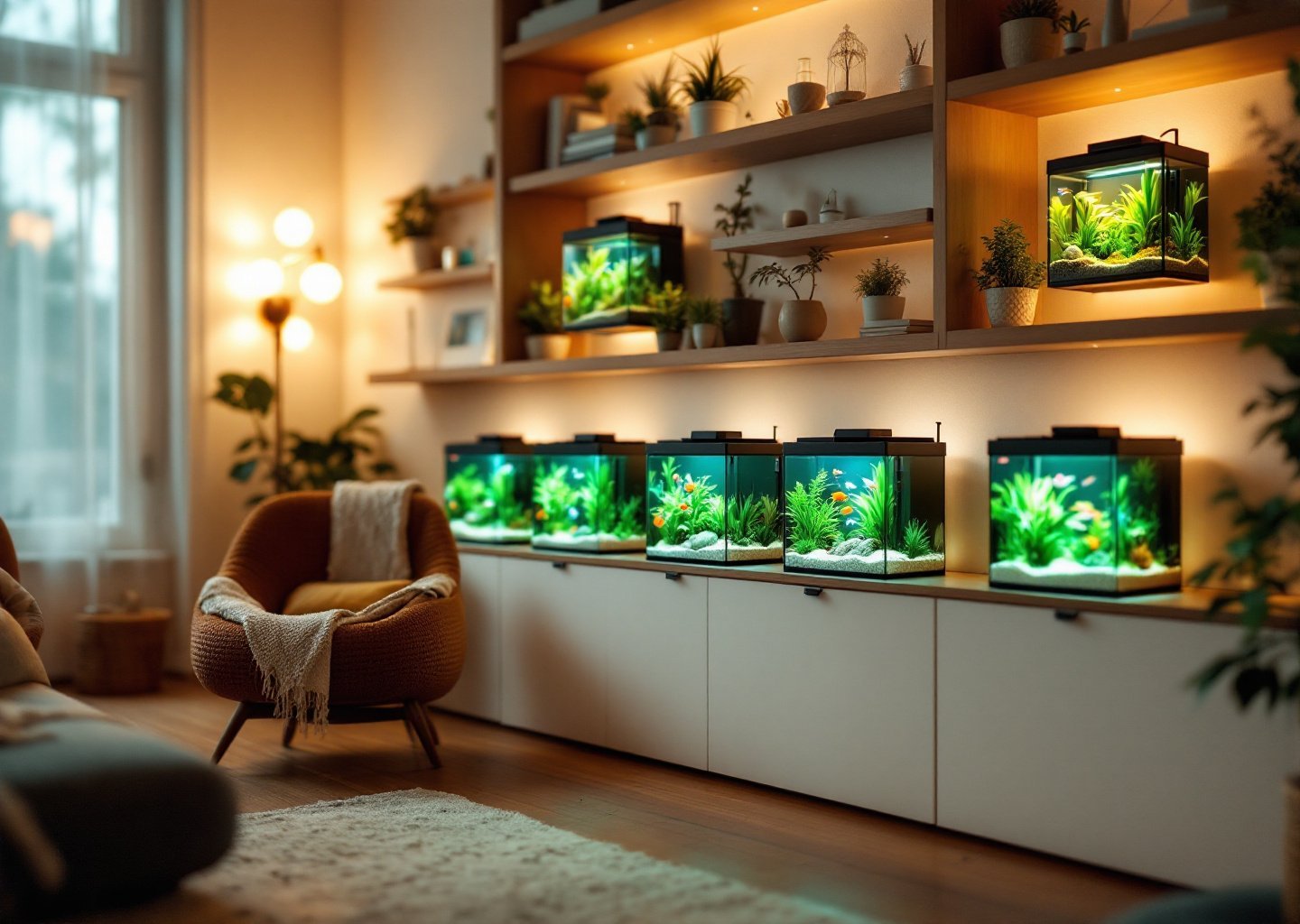
What you actually need is a consistent, simple weekly aquarium maintenance checklist that takes about 15 minutes and prevents problems before they start. Nothing more. Seven nano tanks live in my Portland apartment, and I manage them all while working full-time. My fish are thriving. If each tank demanded an hour weekly, I’d have given up years ago.
Most common tank disasters (algae explosions, fish disease outbreaks, mysterious deaths) stem from neglect or overcorrection. The sweet spot? A predictable weekly routine that your tank’s ecosystem can rely on. Beneficial bacteria colonies, plants, and yes, your fish all prefer stability over perfection.
Here’s the exact step-by-step weekly aquarium maintenance checklist I’ve developed across my seven tanks. Fifteen minutes. Set a timer if you don’t believe me.
The 15-Minute Weekly Checklist: A Step-by-Step Maintenance Routine Broken into Timed Tasks
These time estimates are realistic, not aspirational. Stay focused and you’ll hit them.
Minutes 0–3: Visual Inspection
Before you touch anything, just look. Count your fish. Check that everyone’s swimming normally, eating, and not hiding in weird places. Look at your plants for yellowing leaves or new growth. Scan for algae buildup on the glass.
This three-minute habit catches problems early. A fish acting lethargic today becomes a dead fish next week if you miss it.
Minutes 3–8: Water Change (10–20%)
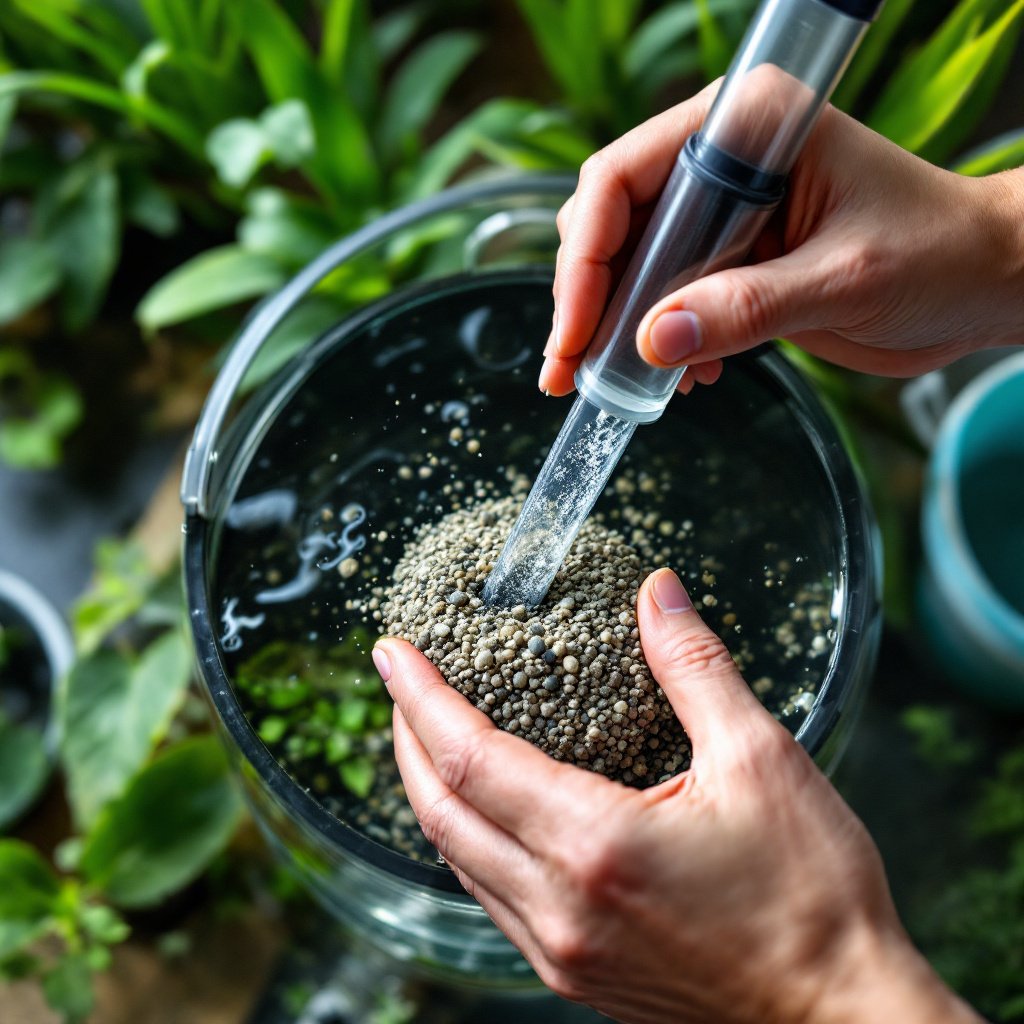
Grab your siphon and bucket. For my nano tanks, a simple gravel vacuum removes about 15% of the water, typically 2–3 gallons for a 20-gallon tank. Let the siphon hover over the substrate to pick up visible debris, but don’t deep-clean every inch.
Add dechlorinated replacement water at roughly the same temperature as the tank. Done.
Minutes 8–11: Filter Check
Rinse filter media in the bucket of old tank water you just removed. Never rinse in tap water because the chlorine kills beneficial bacteria. You’re just removing gunk, not sterilizing.
Check the intake and output for blockages. Make sure water’s flowing properly. If it is, leave everything alone.
Minutes 11–14: Plant Trim and Glass Wipe
Dead leaves rotting in your tank cause ammonia spikes. Pinch off any yellowing or melting leaves. When stem plants get leggy, trim and replant the tops.
Give the inside glass a quick wipe with an algae scraper. Outside too, if you’re feeling fancy.
Minute 15: Top Off and Done
Add a splash of water to compensate for evaporation if needed. Log anything unusual in your phone’s notes app. Walk away.
That’s your weekly fish tank cleaning routine. Repeatable. Sustainable. Actually effective.
Water Testing Made Simple: Which Parameters to Check Weekly vs. Monthly
Here’s something controversial in fishkeeping circles: you probably don’t need to test as often as you think.
Weekly Testing (or when something seems off):
– Ammonia
– Nitrite
– Nitrate
The nitrogen cycle trifecta. Ammonia and nitrite should always read zero in an established tank. When they don’t, something’s wrong, and you need to investigate. Nitrate should stay under 40 ppm for most freshwater setups, which is your cue for water changes.
understanding the nitrogen cycle for beginners
Monthly Testing:
– pH
– GH/KH (hardness)
Why isn’t pH as critical as you think? Because fish adapt to a wide range of pH levels. What kills them is pH swings, not a “wrong” number. Your tap water consistently reads 7.8 and your tank stays at 7.8? Your fish will adjust. Stop chasing a perfect 7.0.
Hardness matters more for breeding and sensitive species, but for most community tanks, monthly checks are plenty.
When to Test More Often:
– During the first 6–8 weeks of a new tank’s life (the cycling period)
– After adding new fish
– After a fish death
– When fish behavior changes suddenly
– After any medication treatment
How often should you test aquarium water parameters? Tank maturity is the deciding factor. My oldest tank, a heavily planted 10-gallon that’s been running for two years, gets tested maybe every six weeks unless something looks off. My newest setup gets checked twice weekly.
Finding the Water Change Sweet Spot: Optimal Schedules for Freshwater vs. Saltwater Tanks
The internet will give you a hundred different answers on water change frequency. Here’s what actually works, based on my experience and observations from thriving tanks.
Freshwater Tanks:
Weekly changes of 10–20% work beautifully for most setups. A solid aquarium water change schedule for beginners should stick to this religiously until you understand your specific tank’s bioload.
Heavily stocked tanks or those with messy eaters (looking at you, goldfish people) might need 25–30% weekly. Understocked, heavily planted tanks can often stretch to 20% biweekly.
What’s the key metric? Nitrates. Weekly tests showing nitrates climbing past 40 ppm before your next water change mean you should increase your change percentage or frequency.
Saltwater Tanks:
Saltwater vs. freshwater tank maintenance differences explained simply: salt tanks need more precision but not necessarily more work.
Most reef keepers do 10–15% weekly or 20–25% biweekly. The bigger consideration is matching the salinity, temperature, and pH of new water to the tank. Mixing salt water ahead of time and letting it aerate overnight prevents stress.
beginner saltwater aquarium guide
What About Water Changes During Vacations?
Depending on your setup, a healthy, established tank can go two weeks without a water change. It depends on how many fish you have, your filtration, plants, and how much you feed. Lightly stocked, heavily planted tanks handle extended periods much better than crowded setups. Three weeks? You’re pushing it for most configurations. Frequent travelers should consider a slightly larger weekly change (25%) before leaving, and maybe invest in an auto-feeder with careful portion control.
Red Flags: 7 Signs Your Fish Tank Needs Attention Before Your Scheduled Maintenance
Weekly routines handle prevention. But sometimes problems don’t wait for Sunday afternoon. Watch for these signs that your fish tank needs cleaning or intervention right now:
- Cloudy water that wasn’t there yesterday. Bacterial blooms or disturbed substrate usually clear on their own, but sudden cloudiness can signal an ammonia spike.
- Fish gasping at the surface. Low oxygen, high ammonia, or both. Test immediately and consider an emergency water change.
- Unusual aggression or hiding. Stressed fish behave differently. Look for a sick tankmate they’re avoiding or water quality issues.
-
Foul smell from the tank. Healthy tanks smell slightly earthy or not at all. Rotten smells mean something’s decaying, possibly a dead fish you haven’t spotted.
-
Sudden algae explosion. Green glass in 48 hours usually means excess light or nutrients. Check for overfeeding and consider reducing your photoperiod.
-
Film on the water surface. Protein buildup from excess feeding or poor surface agitation. Increase filter output or add an airstone temporarily.
-
Plants melting rapidly. Some melt-back is normal for new plants, but established plants suddenly dying indicates a problem. Check for nutrient deficiencies or temperature fluctuations.
Any of these warrant immediate attention. Don’t wait for your scheduled maintenance day.
Must-Have Tools vs. Marketing Hype: The 5 Supplies That Actually Matter
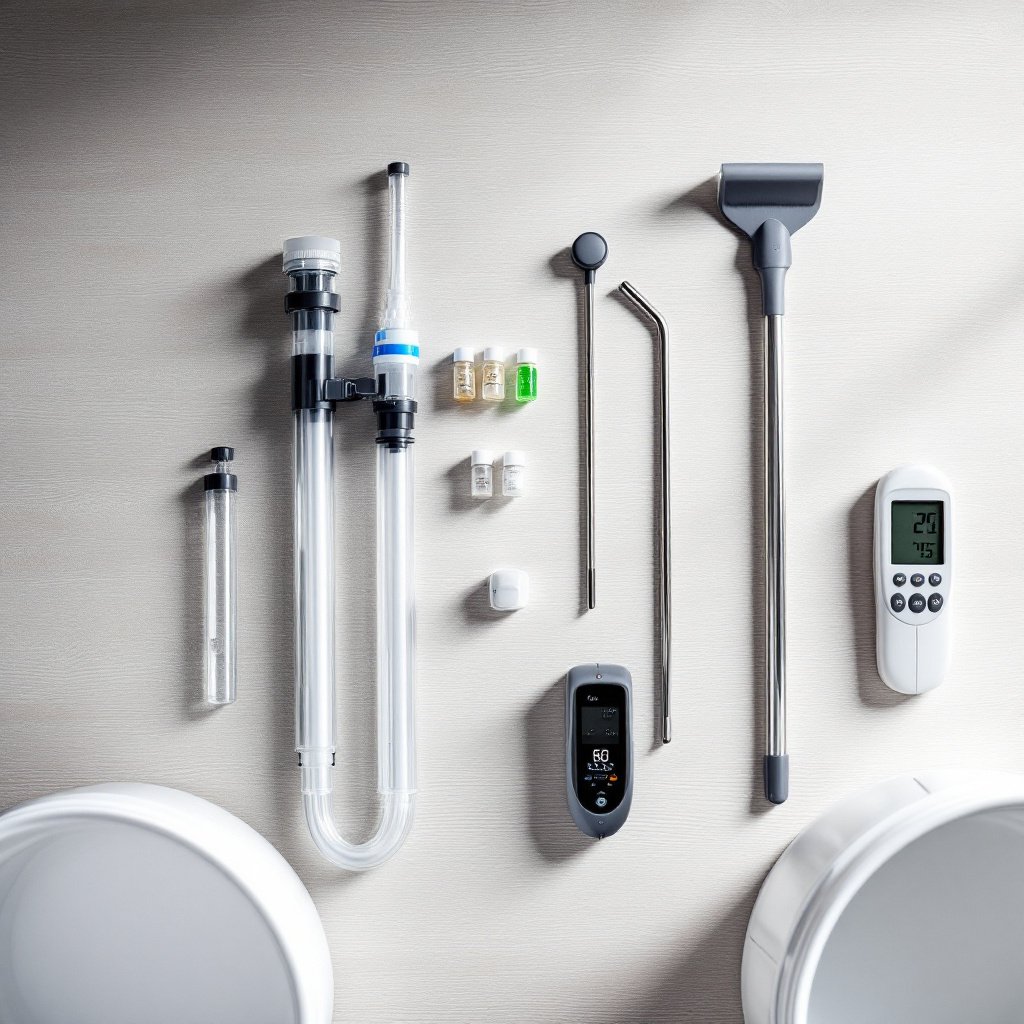
Walk into any aquarium store and you’ll face walls of gadgets promising easier, better, faster tank care. Most of it? Unnecessary. Here are the tools that actually earn their keep:
1. A Quality Gravel Vacuum/Siphon
Skip the battery-powered ones. Simple gravity siphons with a squeeze-bulb start work better and can’t break. My Python-style siphon has lasted four years. When building your maintenance tools and supplies for beginners, start here.
2. Liquid Test Kit (Not Strips)
The API Freshwater Master Test Kit runs about $25 and lasts forever. Strips are less accurate and more expensive per test over time. Accurate readings matter when you’re figuring out how often to test aquarium water parameters safely.
3. Two Dedicated Buckets
One for old water removal, one for new water. Never use these buckets for anything else. Label them with a Sharpie if you’ve got roommates who might borrow them for mopping.
4. Algae Scraper
Magnetic ones are convenient but not required. Even a clean credit card works in a pinch. My basic scraper with a long handle handles the deeper tanks just fine.
5. Thermometer
Stick-on thermometer strips are less precise than digital or glass options and can be affected by room temperature since they sit on the outside of the glass, though they’re typically accurate within 1–2°F when properly placed. For better accuracy, grab a basic digital or glass thermometer that goes inside the tank. Temperature stability matters more than most parameters.
Genuinely, that’s it for weekly maintenance. Everything else, the specialized brushes, the automated testing systems, the UV sterilizers, might be nice eventually. But they’re not part of a quick daily aquarium care routine or weekly necessities.
complete aquarium equipment guide
Let’s bring this back to what matters: a sustainable routine you’ll actually stick with.
Weekly Aquarium Maintenance Checklist (15 Minutes):
- [ ] Visual inspection: count fish, check behavior (3 min)
- [ ] 10–20% water change with gravel vacuum (5 min)
- [ ] Rinse filter media in old tank water (3 min)
- [ ] Trim dead plant leaves, wipe glass (3 min)
- [ ] Top off evaporation, log observations (1 min)
Monthly Add-Ons (5 Extra Minutes):
– [ ] Test pH and hardness
– [ ] Check equipment for wear
– [ ] Prune and replant as needed
As Your Tank Matures:
New tanks need more attention. Test frequently, watch for cycling issues, and expect some die-off as things stabilize. After three to six months of stability, you can relax a bit. Beneficial bacteria are established. Plants have rooted in. The ecosystem is working.
At that point, you might find you can push water changes to every ten days instead of seven. Or that you only need to test nitrates monthly. Listen to your tank. It’ll tell you what it needs.
Seven tanks live in my apartment. None of them are perfect, and I’ve killed my share of fish learning what works. But these days, my weekly routine takes about an hour and a half total, and my tanks are the healthiest they’ve ever been.
Stop overcomplicating this. Your fish will thank you.