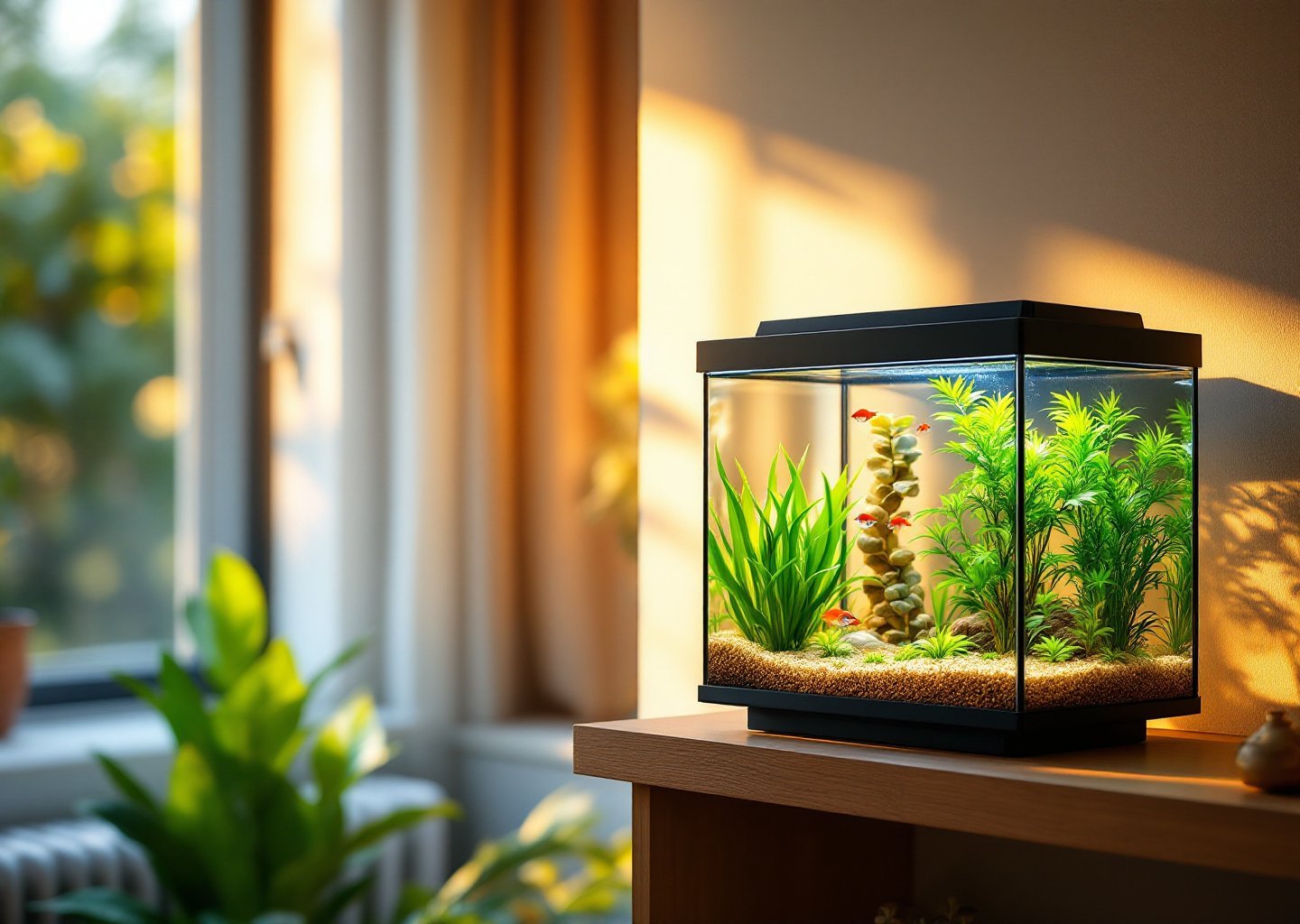
Weekly Aquarium Maintenance Checklist for Beginners
Most beginners panic when they hear the words “weekly aquarium maintenance checklist for beginners.” Honestly, I get it. When I set up my first tank after poor Gerald the betta met his untimely end, I thought every week meant ripping the tank apart like I was spring cleaning a closet. No wonder so many people burn out in six months. Here’s the truth: a healthy tank rewards consistency, not marathon cleaning sessions that ruin the beneficial bacteria you’ve spent weeks building.
New aquarists often assume they need to scrub every inch of their tank to keep algae away and fish happy. They don’t. Following that mindset leads to frustration, dead plants, and an apartment that smells like someone spilled a pond in the living room. What your tank actually needs isn’t a superhero. It needs a predictable routine that prevents problems before you ever see them.
My current system started because I live in a small apartment with several nano tanks. There’s no way I could maintain them all if each one demanded an hour a week. So I had to streamline. What grew out of necessity became a method I now recommend to every beginner, because it actually works.
Let’s break it down so you can build your own rhythm without stressing your fish or your schedule.
The 15-Minute Weekly Maintenance Framework: Your New Sunday Ritual
Think of this as the backbone of your aquarium care. These quick tasks keep your water stable so you avoid the classic “why is my fish tank getting dirty so fast” spiral later.
Here’s what your 15 minutes look like:
- Check water parameters
- Wipe glass
- Remove debris
- Quick gravel clean
- Small water change
- Top off evaporated water if needed
- Glance at plants and equipment
Let me show you how to break it down.
Minutes 1–3: Test water
Grab your test strips or kit. Check ammonia, nitrite, nitrate, pH, and KH if you’re keeping plants. Don’t judge your tank here. Just catch changes early.
Minutes 3–5: Clean the glass
Use a magnet cleaner. Two minutes, tops. Keeping up with this prevents algae from becoming a chore later.
Minutes 5–10: Gravel clean and debris removal
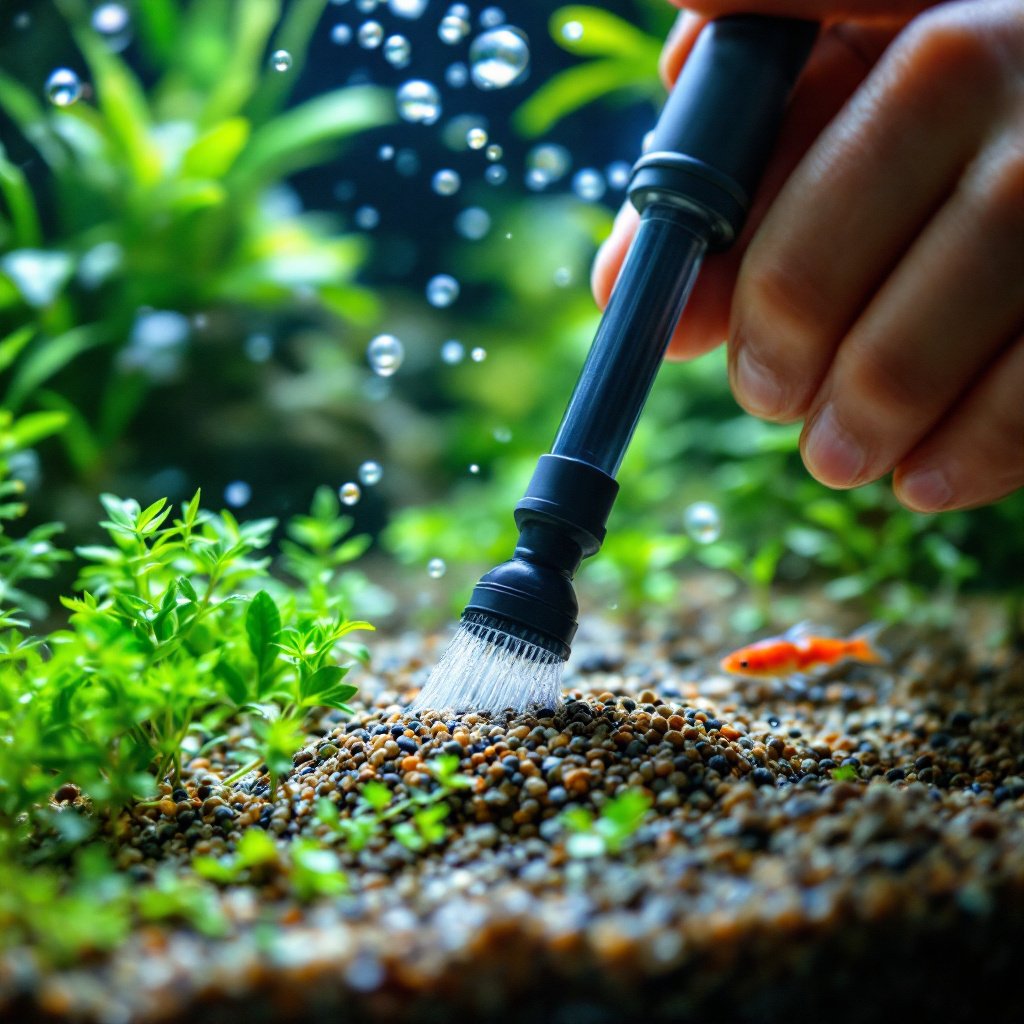
A light vacuum keeps your substrate from turning into a nutrient bomb. No need to uproot plants. Focus on open areas. Beginners always think they need to scrub everything. They really don’t.
Minutes 10–15: Water change
Most weeks, I change around 20 percent. Even that small shift boosts clarity and stability, helping maintain crystal-clear aquarium water without heavy chemicals.
Now you’ve got a simple weekly aquarium maintenance checklist for beginners that avoids overwhelm and keeps your tank running predictably.
Daily 30-Second Checks: What to Glance at While Feeding
You don’t need a complicated routine every day. Just a quick scan while your fish eat.
Here’s what I look for:
- Are all fish present?
- Any torn fins, odd swimming, or new spots?
- Are plants pearling or at least looking normal?
- Is the filter output steady?
- Any weird surface film?
- Heater light on or off, depending on temperature?
Turn this into a mini aquarium maintenance schedule template printable, stick it on your tank lid, and call it good. These tiny checks prevent emergencies.
Water Changes Without the Drama: Step-by-Step for Beginners Who Are Terrified of Killing Fish
A lot of people freeze when it comes to water changes. Every week I get messages asking how to do a water change without killing fish. Good news: the process is simple, and it’s almost impossible to mess up if you avoid the big mistakes.
My fish tank cleaning routine, step by step:
- Fill a bucket with tap water.
- Add dechlorinator. Always do this first so you don’t forget.
- Match temperature with your hand. It doesn’t need to be perfect, just close.
- Start a siphon in the tank and remove 20 percent.
- Gently pour treated water back in. Got shrimp or nervous fish? Pour onto a rock or your hand to soften the flow.
Beginners usually mess up by draining too much or adding untreated water. Keep it simple. Do less than you think. Consistency beats intensity every time.
And if you ever wonder how to clean aquarium gravel without removing fish, the answer is to leave the fish right where they are. A gravel vacuum only disturbs the top layer, and your fish will be curious, not stressed.
Filter Cleaning Demystified: How Often You Actually Need to Do It
Now for the part that shocks most newcomers. Your filter doesn’t need weekly cleaning. Please don’t touch it that often. That sponge is basically your tank’s immune system. Over-cleaning crashes beneficial bacteria and causes ammonia spikes.
So how often should you clean a fish tank filter? For most freshwater tanks with a basic hang-on-back or sponge filter, partial filter maintenance is typically recommended every two to four weeks. This means rinsing media in tank water only, never tap water. Fully cleaning or swapping out filter media too often? That destroys the bacteria colonies keeping your tank alive. Honestly, your weekly water changes matter way more than how often you touch that filter.
Googled “how often to clean fish tank filter” lately? All those conflicting answers can feel overwhelming. Look for two things:
- Reduced flow
- Visible gunk that impacts movement
When the filter still pumps water smoothly, let it be.
Red Flags: 7 Signs Your Tank Needs Immediate Attention Between Scheduled Maintenance
You don’t need to hover over your tank, but these signs mean you should act sooner:
- Fish breathing fast or hanging near the surface
- Cloudy water within hours
- White fuzz on wood or decor
- Snails exploding in population (usually from overfeeding)
- Sudden algae bloom after weeks of stability
- Heater stuck on or off
- Filter output dropping noticeably
Think of these as early warnings. Handling them quickly saves you headaches later.
Must-Have Tools That Pay for Themselves: My 2024 Budget-Friendly Recommendations
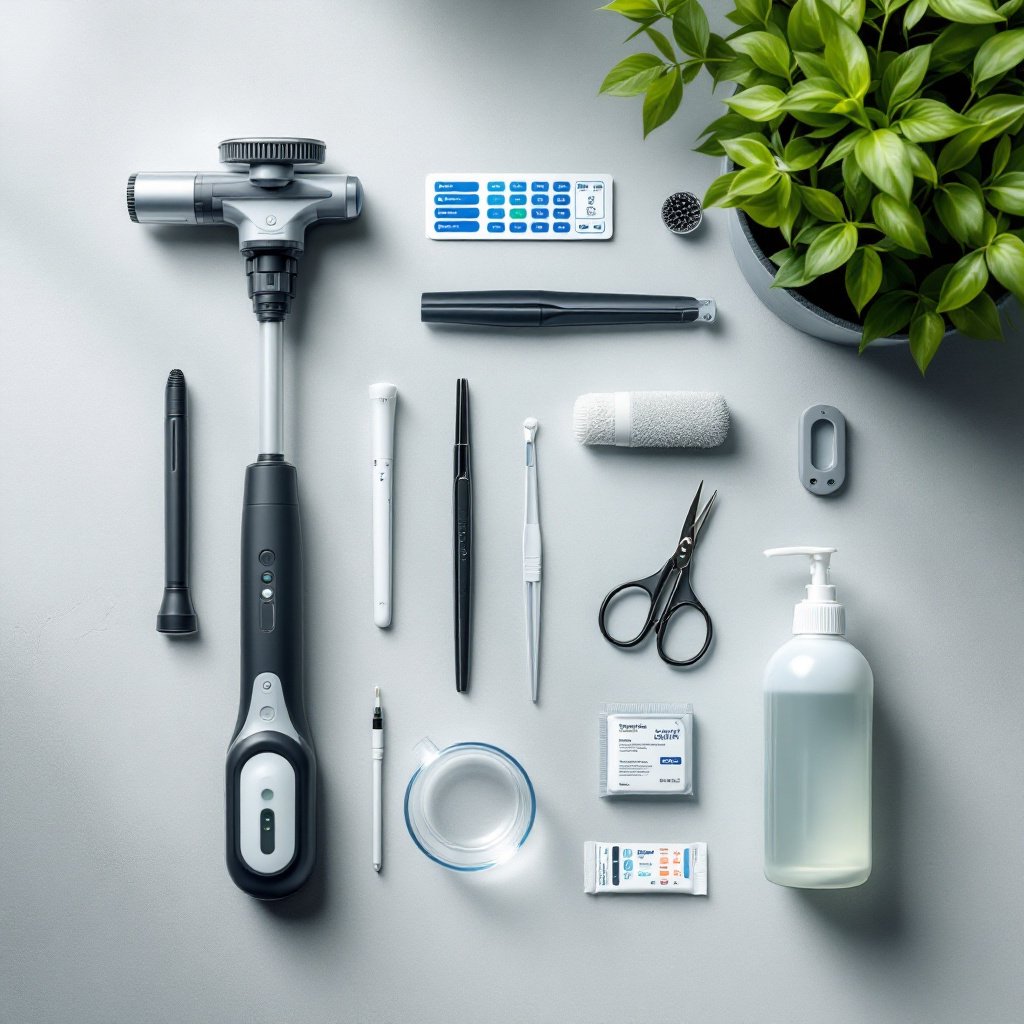
Since I live in a small apartment and stay on a budget, I’ve found tools that last without costing the same as a full tank setup. Here are my picks for the best aquarium maintenance tools and equipment in 2024:
- Magnetic glass cleaner (the Flipper Nano runs around $12)
- Long tweezers for plant trimming
- Gravel vacuum with a flow control valve
- Small bucket labeled “aquarium only”
- Simple test strips
- Aquascaping scissors
- LED flashlight for checking behind equipment
Want a low-maintenance aquarium setup guide? Start with quality tools like these. They reduce time spent fixing mistakes and keep your tanks looking balanced.
Freshwater vs. Saltwater: Quick Adjustments to Weekly Routine
The core routine stays the same, but your aquarium water change schedule for freshwater vs. saltwater needs small tweaks.
Freshwater tanks
- Change 20 percent weekly
- Test nitrates and KH regularly
- Clean filters less often
Saltwater tanks
- Mix saltwater at least 24 hours beforehand
- Change 10 to 15 percent weekly
- Clean protein skimmers weekly
- Test salinity, alkalinity, and calcium
Saltwater systems need a bit more testing, but the actual hands-on work still fits into a short window.
Ready to start? Here’s your simple plan:
Week 1
Set up your routine, do a 20 percent water change, clean the glass lightly, and check your parameters.
Week 2
Repeat the routine. Notice what stabilizes.
Week 3
Check filter flow. Only clean if it’s reduced.
Week 4
Adjust your routine based on what your tank actually needs.
Pair this with a printable checklist, like an aquarium maintenance schedule template printable. Keep it near your tank so the habit becomes automatic.
Stick with this weekly aquarium maintenance checklist for beginners, and you’ll avoid nearly every common issue I see in new tanks. And your fish will thank you by living long enough to watch you set up the next tank you swear you don’t have space for.