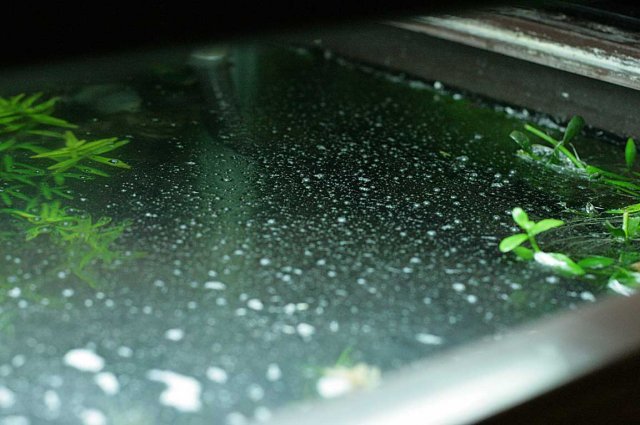
A greasy biofilm of oils, microbes, and debris forms when the water surface is stagnant.
I have kept aquariums for more than a decade and have fixed countless cloudy surfaces. This article explains why is there a film on top of my aquarium water, what causes it, how to tell one type of film from another, and step-by-step fixes you can use today. Read on to learn clear, practical solutions backed by experience and simple science.

What causes a film on top of my aquarium water?
A thin film can form for a few common reasons. Natural oils from hands, plants, or floating foods sit on the surface and trap microbes. Bacterial and fungal colonies build a slimy layer called biofilm. Soap, lotions, or airborne dust add greasy residue. Low surface agitation and poor filtration let the film accumulate.
Why is there a film on top of my aquarium water? Mostly it comes down to three factors:
- Surface oils and proteins that float and do not mix with water.
- Microbial growth that binds particles into a thin skin.
- Lack of surface movement that prevents break up and gas exchange.
From my experience, the first few days after adding new decorations or food often trigger this film. New tank setups or tanks with heavy feeding habits show it most. If you see it, the cause is usually a mix of oils plus low surface flow.
How to identify the type of film
You can tell types of film by look and feel. Biofilm is slimy and sometimes stringy. Oil-based films look shiny and rainbow-like. Dust or pollen may form a flaky, matte layer. Test by gently touching the surface with a clean spoon or paper towel. Oil will smear. Biofilm will feel slippery and hold together.
Key signs to check:
- Smear test: oil smears easily.
- Texture: slippery or stringy suggests microbes.
- Location: film near filters often means inadequate skimming.
- Smell: musty or rotten odor points to decay or poor water quality.
Knowing the type helps decide the fix. I once mistook a pollen layer for oil and scraped too hard. The proper test saved the fish and avoided needless changes.
Why the film matters for fish and plants
Surface film blocks gas exchange. That reduces oxygen at the water-air interface. Low oxygen stresses fish and can harm sensitive species. The film also traps debris and reduces light penetration slightly. For air-breathing or surface-feeding fish, a film can be dangerous.
Why is there a film on top of my aquarium water and why should I care? Because it affects oxygen levels and water quality. Fish may gasp at the surface. Plants may show slowed growth if gas exchange or light are impaired. Addressing film quickly prevents stress and health problems.
Prevention and practical fixes
Preventing film is easier than removing it. Small daily habits make a big difference.
Simple prevention steps:
- Improve surface agitation with a filter outlet or powerhead.
- Use a gentle surface skimmer or sponge on the waterline.
- Reduce overfeeding. Feed small amounts and remove leftovers.
- Clean hands and tools before touching water to avoid oils.
- Replace floating plant debris and clean filters regularly.
If you already have a film, try these fixes:
- Use a small cup to skim and remove the layer.
- Add a surface skimmer attachment to your filter.
- Increase aeration with an air stone or stronger filter flow.
- Do a partial water change and clean mechanical filter media.
- Remove surface plants temporarily if they contribute oils or pollen.
From my tanks, the quickest wins were adding a surface skimmer and cutting back feedings. Within 24–48 hours the surface improved.
:strip_icc()/foam-on-aquarium-water-1381213-PSD-GIF-V3-55398aa7240b4d8391d2d607ee8bf3b5.jpg)
DIY cleaning and maintenance steps (step-by-step)
Follow these steps to remove film safely without stressing your fish.
Step-by-step routine:
- Turn off heaters and equipment only if needed and safe for your fish.
- Use a clean, dry paper towel or a skimming net to gently lift the film away.
- Do a 20-30% water change and remove floating debris by hand.
- Rinse mechanical filter pads in tank water to remove trapped particulates.
- Reposition the filter output to create gentle surface ripple.
- Add an air stone or increase flow for better surface turnover.
- Monitor daily and repeat skimming until film stops re-forming.
I tested this routine after a heavy feeding session. Skimming plus a 30% change removed the film in two days. I also adjusted feeding habits to keep it gone.

When to seek help or change tactics
If film returns quickly after cleaning, deeper problems may exist. Persistent film can mean:
- Too much organic load from overfeeding or decaying material.
- A biological imbalance in the tank.
- Contaminants like soap, lotions, or airborne oils entering the tank.
Seek help when:
- Fish show signs of distress after film appears.
- Film returns within 24–48 hours despite cleaning.
- You notice cloudy water, strong odor, or dead plants.
A local aquarium store or experienced aquarist can test water parameters and inspect filtration. Professional advice helps when basic fixes don’t stop the film.

Tips from my experience and common mistakes to avoid
Practical lessons I learned:
- Avoid touching the water with unwashed hands. Oil transfers fast.
- Don’t over-clean filters; preserve beneficial bacteria by rinsing in tank water.
- Be cautious with commercial surface treatments; some harm fish or plants.
- Use floating plants to absorb nutrients, but inspect them for decay.
- Regular small water changes beat rare big changes for stability.
Common mistakes:
- Using dish soap accidentally when cleaning lids—this causes heavy film and harms fish.
- Overusing chemical clarifiers that mask the problem instead of fixing it.
- Ignoring surface flow; even a small change in current can stop film from forming.

Frequently Asked Questions of why is there a film on top of my aquarium water
What exactly is the film on my aquarium water?
The film is usually biofilm, oil, or debris trapped at the surface. It is formed by bacteria, proteins, oils, and floating particles that do not dissolve.
Can this film harm my fish right away?
Often it causes stress by reducing oxygen exchange, especially for surface-dwelling fish. Immediate harm is rare, but prolonged exposure can be dangerous.
Will a water change remove the film?
A partial water change helps but does not always remove the root cause. Combine changes with skimming and better surface flow for lasting results.
Are surface skimmers safe for all tanks?
Yes, most gentle surface skimmers are safe. Avoid aggressive devices that create strong currents for delicate species.
How do I stop film from coming back?
Reduce organic load, increase surface agitation, feed less, and keep filters clean. Consistent maintenance is key.
Is the film an indicator of poor water quality?
It can be. Film often signals excess organic matter or low circulation. Test ammonia, nitrite, and nitrate to confirm water health.
Conclusion
A surface film forms when oils, microbes, and debris meet low water movement. Why is there a film on top of my aquarium water? The answer lies in simple causes: surface oils, microbial growth, and poor agitation. You can fix it with skimming, better surface flow, cleaner habits, and regular maintenance. Start with a quick skim and a small water change today. Track changes and adjust feeding and filtration. Try one change at a time and observe results.
Take action now: skim the surface, improve flow, and reduce feedings. Share your results or ask questions below to get tailored tips for your tank.