Aquarium overflows prevent flooding and enable advanced filtration by safely draining water to a sump.
Have you ever gazed at a stunning reef aquarium or a crystal-clear planted tank and wondered how it stays so pristine with no visible equipment? The secret often lies beneath the tank, in a system made possible by one crucial component. As someone who has set up dozens of aquariums, from simple freshwater bowls to complex saltwater ecosystems, I can tell you that understanding the overflow is key to unlocking the next level of fishkeeping. This guide will demystify exactly why use overflow in aquarium setups and how this simple device can transform your tank's health, safety, and beauty.
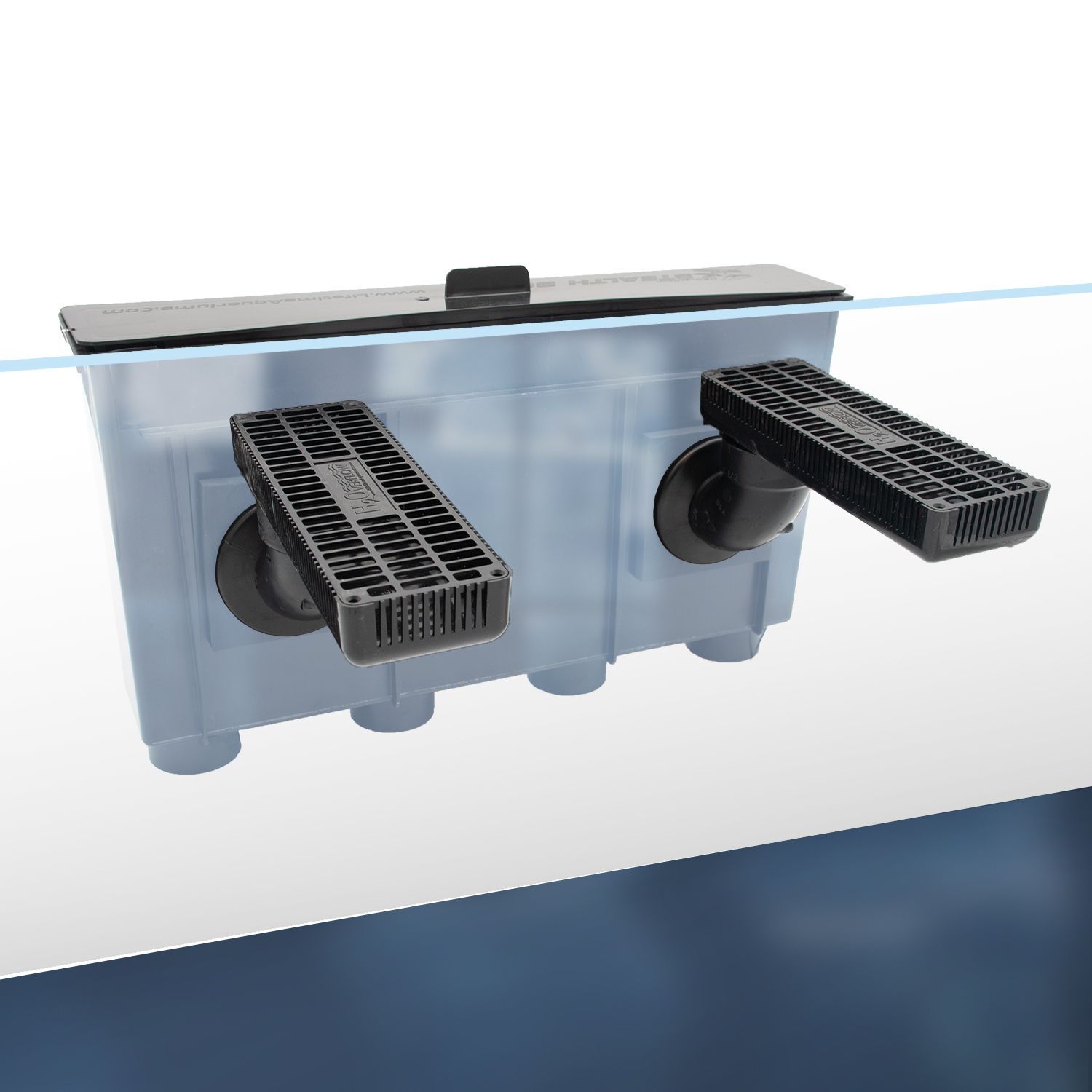
What is an Aquarium Overflow, Anyway?
Think of an aquarium overflow like the safety drain in your sink or bathtub. Its main job is to let water exit the tank at a controlled rate, but only from the very top surface. This prevents the water level from ever getting too high and spilling over the top. The water it drains is then sent down through plumbing to a separate tank, usually located in the cabinet below, called a sump.
An overflow system is simple in concept. It typically consists of an overflow box inside the tank with a slotted or toothed weir. This weir acts as a surface skimmer, pulling in water from the surface while keeping fish and other critters from going down the drain. This small but mighty piece of equipment is the gateway to a world of benefits for your aquatic ecosystem. The reasons why use overflow in aquarium setups are numerous, but they all start here.

The Ultimate Reason: Unlocking the Power of a Sump
The single biggest reason to use an overflow is to connect your display tank to a sump. A sump is a secondary tank that houses all your life support equipment. By moving filtration and hardware out of the main display, you gain incredible advantages that are nearly impossible to achieve with hang-on-back or canister filters alone.
Here’s what a sump allows you to do:
- Hide Your Equipment: Say goodbye to the clutter of heaters, protein skimmers, and filter media in your beautiful display tank. Everything can be neatly organized in the sump below, creating a clean, natural look.
- Increase Total Water Volume: A sump adds several gallons of water to your total system volume. More water means greater stability. Temperature, salinity, and other chemical parameters will shift much more slowly, creating a less stressful environment for your fish and corals.
- Superior and Customizable Filtration: This is a game-changer. A sump gives you the space to run larger, more powerful equipment. You can include a high-performance protein skimmer, create a dedicated section for a refugium with macroalgae to consume nitrates, or use specialized reactors for GFO and carbon.
- Simplified Maintenance: Topping off evaporated water, dosing supplements, and performing water changes can all be done in the sump. This minimizes disturbance to your main tank and its inhabitants. My own maintenance routine became twice as fast after switching to a sump system.

Your Best Defense Against a Flood
One of the scariest thoughts for any aquarist is coming home to a soaked floor. This is a common risk with certain types of filters, but an overflow system is designed specifically to prevent this. It is a fundamental reason why use overflow in aquarium keeping is considered best practice for larger tanks.
Here’s how it works. Your return pump pushes water from the sump up into the display tank. The overflow then lets that same amount of water drain back down. When the power goes out, the return pump stops. Water from the tank will drain back down until the water level drops below the overflow's weir, and then it stops. Because the sump is sized to hold this extra back-siphoned water, your floor stays perfectly dry. I learned this lesson the hard way years ago with a canister filter siphon, and I’ve never built a large tank without an overflow since.
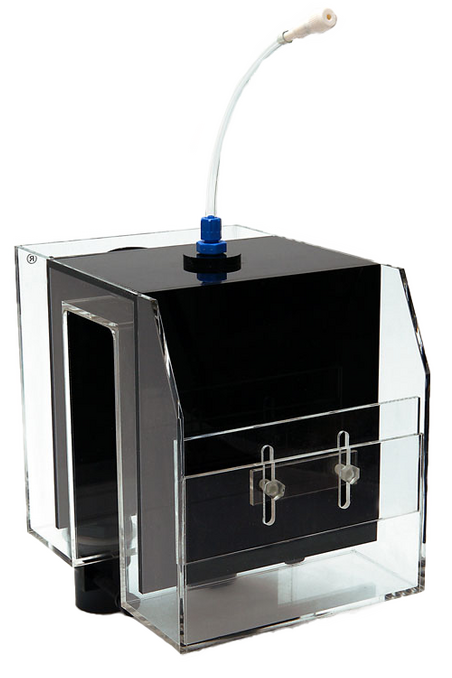
Better Water Quality Through Surface Skimming
Have you ever noticed a greasy, oily film on the surface of your aquarium water? This is called a biofilm, and it’s a collection of proteins and organic waste. This film not only looks bad, but it also hinders the crucial gas exchange process at the water's surface, reducing the oxygen levels in your tank.
An overflow is the most effective surface skimmer you can have. The weir is designed to pull water exclusively from the top layer of the water column. It constantly removes that biofilm, sending it down to the sump to be processed by your protein skimmer and other filtration. The result is a crystal-clear water surface, better oxygenation, and a healthier environment for your fish and corals. This benefit alone is a compelling reason why use overflow in aquarium setups.
Choosing the Right Type of Overflow
Not all overflows are created equal. The type you choose will depend on whether your tank is pre-drilled for an overflow or not. Understanding the options will help you decide the best path forward for your setup.
There are two main categories:
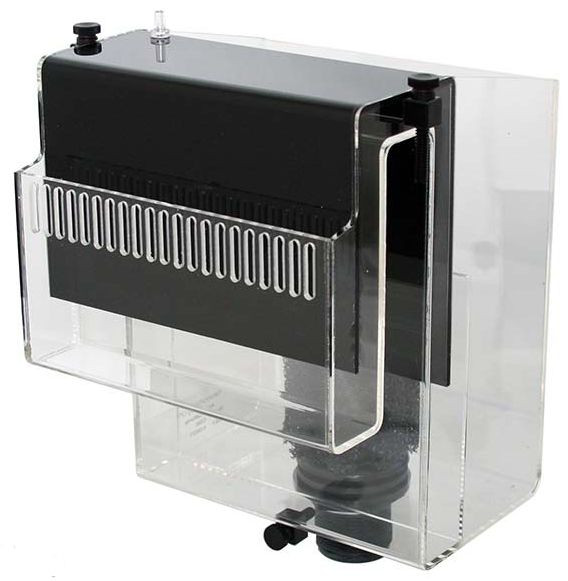
- Drilled Overflows: These are built into the tank, requiring holes to be drilled in the glass. An internal overflow box sits inside the tank, or an external box is attached to the back, saving space inside the display. These are the most reliable and silent options, especially when set up using modern plumbing methods like the "Herbie" or "BeanAnimal" style. They are the gold standard for a safe and silent system.
- Hang-on-Back (HOB) Overflows: If your tank isn’t drilled, a HOB overflow is your answer. These units hang on the back rim of the aquarium and use a siphon to pull water over the edge and down to the sump. While effective, they require more attention, as a loss of siphon during a power outage could cause a flood when the power returns if not maintained properly.

Frequently Asked Questions of why use overflow in aquarium
What is the main purpose of an aquarium overflow?
The main purpose is to safely and consistently drain water from the surface of the main display tank into a filtration sump. This enables advanced filtration methods and prevents the tank from overflowing.
Can you have a sump without an overflow?
No, a sump cannot function properly or safely without an overflow. The overflow is the essential component that controls the flow of water from the display tank down to the sump.
Are aquarium overflows noisy?
They can be, especially older designs that make a gurgling sound. However, modern silent overflow designs like the Herbie or BeanAnimal plumbing methods are virtually silent when tuned correctly.
Do I need an overflow for a freshwater tank?
While most common in saltwater reef tanks, an overflow is highly beneficial for any large or high-tech freshwater aquarium. It allows for a clean look, better filtration, and increased water volume and stability.
What happens to an overflow if the power goes out?
When the power goes out, the return pump stops, and the water in the overflow box drains into the sump. The water level in the main tank drops slightly until it is below the weir, at which point the draining stops, preventing a flood.
Conclusion
Making the leap to a system with a sump and overflow can feel intimidating, but the benefits are undeniable. From creating a safer, flood-proof aquarium to achieving superior water quality and a stunning, clutter-free display, the reasons to use an overflow are clear. It's the heart of a modern, healthy, and low-maintenance aquatic ecosystem.
If you're planning your next aquarium, I strongly encourage you to consider a drilled tank with a built-in overflow. It is a decision that pays for itself many times over in peace of mind and the pure enjoyment of a thriving, beautiful tank.
What are your experiences with aquarium overflows? Share your thoughts or questions in the comments below