
Using a camera flash on an aquarium startles fish, causes immense stress, and can harm their sensitive eyes.
As a long-time aquarium enthusiast, I've seen a lot of well-meaning people make simple mistakes. One of the most common is trying to get that perfect, vibrant photo of their fish with a camera flash. It seems harmless, but it's one of the biggest no-nos in the hobby. Understanding exactly why no flash in aquarium settings is so critical will not only make you a better fishkeeper but will also ensure your underwater friends live a happy, stress-free life. Let's dive deep into the science and behavior behind this important rule.

The Startling Truth: How Flash Impacts a Fish's Vision
To understand why no flash in aquarium photography is the golden rule, we first need to look at how a fish sees the world. Their eyes are incredibly different from ours. Many fish species, especially those active in low light, have eyes designed to gather as much light as possible. They lack eyelids and their pupils don't constrict as quickly as ours do in response to bright light.
Imagine you're in a dark room and someone suddenly shines a military-grade flashlight directly into your eyes. It would be disorienting and painful, right? For a fish, a camera flash is that experience, but amplified. The sudden, intense burst of light can cause temporary blindness and significant disorientation. In some documented cases, repeated exposure to intense light has been linked to permanent eye damage, essentially burning their retinas. This is a primary reason why no flash in aquarium care is so heavily emphasized by experienced aquarists.

The Silent Killer: Stress Caused by Camera Flashes
Beyond the physical impact on their eyes, a camera flash triggers a severe stress response in fish. This sudden, unexpected burst of light is perceived as an immediate threat, like the glint of a predator. It sends them into a classic "fight or flight" mode, causing a surge of stress hormones like cortisol.
While a single flash might just cause a fish to dart away and hide, repeated flashes can lead to chronic stress. This is where the real danger lies. A fish under constant stress has a weakened immune system. They become far more susceptible to common aquarium diseases like Ich (white spot disease), fin rot, and fungal infections. I once had a beautiful betta fish that became lethargic and sick after a family gathering where guests, despite my warnings, kept taking flash photos. It's a heartbreaking lesson on why no flash in aquarium environments is about protecting their overall health, not just preventing a momentary scare.
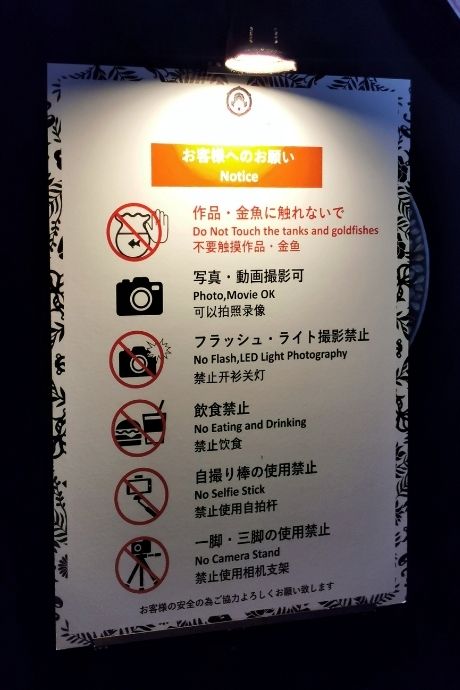
Behavioral Problems: The Aftermath of a Flash
The negative effects of a camera flash don't just disappear after the light fades. The stress and fright can lead to noticeable and lasting behavioral changes in your fish. It’s a key part of the answer to why no flash in aquarium tanks is a rule to live by.
Here are some common behaviors you might see after a fish has been spooked by a flash:
- Hiding: The most immediate reaction is for fish to hide. They may wedge themselves behind decorations or equipment for hours, or even days, refusing to come out.
- Loss of Appetite: A stressed fish is often a fish that won't eat. This "hunger strike" can weaken them further, making them even more vulnerable to illness.
- Glass Surfing: Some fish exhibit frantic swimming patterns, pacing back and forth along the glass as they try to escape the perceived threat.
- Aggression: In community tanks, the sudden chaos can disrupt the established social hierarchy, leading to increased aggression and fighting among tank mates.

How to Take Amazing Aquarium Photos Without Flash
So, how can you capture the beauty of your aquarium without harming its inhabitants? The good news is that it’s entirely possible to get stunning photos without a flash. It just requires a little patience and a few simple techniques.
Here are my go-to methods for flash-free aquarium photography:
- Use Your Aquarium Light: Your tank's built-in lighting is your best friend. Modern LED lights are often bright enough to allow for clear photos.
- Increase Ambient Room Light: Turn on the lights in the room where the aquarium is located. This reduces reflections on the glass and helps your camera's sensor capture more light.
- Stability is Key: Use a tripod or brace your phone or camera against a stable surface. This prevents camera shake, which is the main cause of blurry photos in lower light conditions.
- Clean the Glass: It sounds simple, but fingerprints and algae smudges on the outside of the glass can ruin a photo. Clean it inside and out for the clearest possible shot.
- Adjust Camera Settings: If you're using a DSLR or a smartphone with a "pro" mode, try increasing the ISO slightly or using a wider aperture (lower f-stop number) to let in more light. Avoid using a super high ISO, as it can make the photo look grainy.
By following these tips, you can respect the rule of why no flash in aquarium photography and still fill your camera roll with incredible pictures of your fish.
Frequently Asked Questions of why no flash in aquarium
Will one flash photo kill my fish?
A single flash is highly unlikely to kill a healthy fish directly. However, it will cause significant stress and disorientation, which can contribute to a weakened immune system over time if it happens repeatedly.
Is it okay to use my phone's flash?
No, the flash on a phone camera is just as bright and startling to a fish as a dedicated camera flash. The rule of why no flash in aquarium settings applies to all types of camera flashes.
Can a camera flash harm my aquarium plants or corals?
While plants are not affected, some sensitive corals can retract and show signs of stress from a sudden, intense flash. It's always best to avoid it for the overall health of a reef ecosystem.
What about using a flashlight to view nocturnal fish?
A flashlight can also startle fish, but it is generally less harmful than a camera flash if used carefully. Use a dim, red-light flashlight, as many fish cannot see red light well, and avoid shining it directly into their eyes.
How do public aquariums take such clear photos?
Public aquariums use professional, high-end cameras with specialized lenses that perform extremely well in low light. They also rely on the powerful, consistent exhibit lighting and a lot of photographer patience, never a flash.
Conclusion
Protecting our aquatic pets means understanding their unique needs and sensitivities. The rule of "no flash in aquarium" isn't just a suggestion; it's a fundamental aspect of responsible fishkeeping that prioritizes the health and well-being of your fish over a single photograph. By causing severe stress, potentially damaging their eyes, and triggering negative behaviors, a camera flash does far more harm than good.
Instead of reaching for that flash button, embrace the challenge of flash-free photography. Use the tips outlined above to patiently capture the natural beauty of your underwater world. Your fish will be happier and healthier for it, and your photos will be a true reflection of a thriving, peaceful aquarium. Now go try these gentle techniques and share your stunning, stress-free fish photos with the world