It protects marine wildlife, drives science, teaches millions, and shapes ocean conservation policy.
I have spent years writing about marine science and visiting coastal institutions. I know why is the monterey bay aquarium important. This article explains its role in conservation, research, education, policy, and local communities. Read on for clear facts, practical examples, and tips to engage with its work.
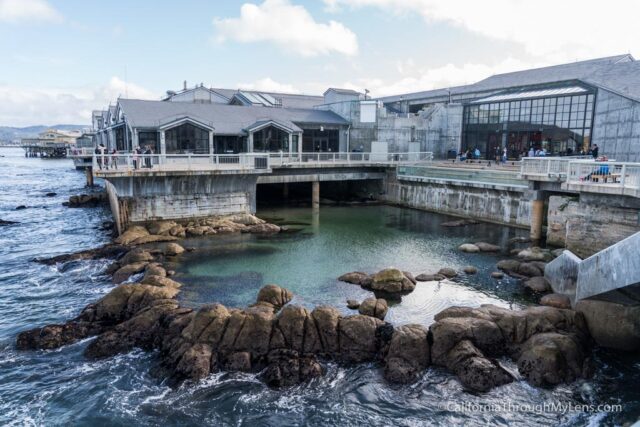
A hub for marine conservation
The Monterey Bay Aquarium leads modern marine conservation. It runs programs that rescue animals and restore habitats. Its public campaigns cut single-use plastics and promote sustainable seafood. When people ask why is the monterey bay aquarium important, the answer lies in direct action and large-scale outreach.
- Rescue and rehabilitation: The aquarium treats stranded animals and returns many to the wild.
- Habitat protection: It funds projects that restore kelp forests and coastal ecosystems.
- Public campaigns: It shapes behavior on plastic use and fishing choices.
These efforts reduce harm to the ocean now. They also inspire long-term change. Evidence from conservation projects shows local recovery when targeted actions are sustained.
A global center for marine research
The aquarium supports scientific study of ocean life. Scientists there work on jellyfish, kelp, tuna, and plankton. They publish findings that guide marine policy and restoration.
- Long-term monitoring: They track species trends in Monterey Bay and beyond.
- Applied research: Teams study animal care, breeding, and environmental responses.
- Collaboration: The aquarium partners with universities and government labs.
As you read about why is the monterey bay aquarium important, note its role in creating data. That data helps managers make smarter choices for fisheries and protected areas.
Education that converts visitors into advocates
Education is central to the aquarium's mission. Exhibits show complex science in plain language. School programs and virtual lessons reach millions each year.
- Hands-on learning: Kids touch tidepool creatures and learn life cycles.
- Teacher resources: Lesson plans help schools teach ocean science.
- Public talks: Experts explain current research and policy.
Teaching changes behavior. When people ask why is the monterey bay aquarium important, education is a key reason. In short visits, many people decide to act for the ocean.
Economic and community impact
The aquarium drives the local economy. It brings tourists, supports jobs, and boosts coastal businesses. The value extends to research grants and conservation funding.
- Tourism revenue: Visitors support hotels, restaurants, and services.
- Jobs: Staff include scientists, educators, and technicians.
- Funding: Donations and grants back regional projects.
This mix of science and commerce creates resilience for the region. That economic support makes it easier to sustain long-term conservation work.
Policy influence and advocacy
The Monterey Bay Aquarium shapes policy through evidence and partnerships. Its seafood program and advocacy influence fisheries rules. It also pushes for marine protected areas and pollution controls.
- Sustainable seafood program: It rates fisheries and guides consumer choices.
- Policy briefs: Research informs local and national decision makers.
- Coalition-building: It joins networks that lobby for oceans.
If you wonder why is the monterey bay aquarium important to lawmakers, this is it: it provides trusted data and public support for better policies.
A model for public aquariums worldwide
The aquarium sets standards for animal care and exhibit design. Institutions around the world learn from its best practices. This spreads improved welfare and research methods globally.
- Animal welfare: Protocols for care and enrichment are widely used.
- Exhibit design: Open displays mimic natural conditions and aid education.
- Program replication: Successful public campaigns are shared internationally.
Its leadership helps raise quality across the field. That amplifies the impact of one institution into global change.
What visitors can learn and do
A visit can shift how you live and vote for the ocean. The aquarium offers clear actions anyone can take. These include reducing plastic, choosing sustainable seafood, and supporting local restoration.
- Simple actions: Use reusable bags, bottles, and cutlery.
- Food choices: Prefer seafood on recommended lists.
- Volunteer: Join beach cleanups or citizen science projects.
When people ask why is the monterey bay aquarium important, highlight the behavior change it triggers. Small actions by many people add up.
Personal experience and practical lessons
I have attended public talks and used the aquarium’s teacher guides. Those experiences changed how I write and teach about the ocean. I saw kids move from curiosity to commitment in one visit.
- Lesson learned: Clear, simple messages work best with the public.
- Mistake to avoid: Overloading visitors with jargon or data.
- Practical tip: Start with one small action and build from there.
This personal view shows how effective outreach can be. It also shows why is the monterey bay aquarium important to everyday people.
How to support and get involved
You can support the aquarium in many ways. Choose a path that fits your time and budget. Small donations and volunteer hours make a real difference.
- Visit: Buy a ticket or become a member.
- Learn: Use online resources to teach others.
- Act locally: Join beach cleanups and advocacy campaigns.
Supporting the aquarium funds research and outreach. That keeps the cycle of impact going.
Frequently Asked Questions about why is the monterey bay aquarium important
What conservation work does the aquarium do?
The aquarium rescues and rehabilitates marine animals. It also funds habitat restoration and public campaigns to reduce pollution.
How does the aquarium help science?
It supports and shares research on marine species and ecosystems. That research guides fishery management and restoration projects.
Can visiting the aquarium influence my actions?
Yes. Exhibits and programs teach clear steps people can take. Many visitors adopt sustainable habits after visiting.
Does the aquarium affect local jobs and tourism?
Yes. It draws tourists and supports many local jobs. This economic boost helps fund conservation activities.
How can I support its mission remotely?
Donate, use its online resources, and follow sustainable practices at home. You can join virtual events and spread awareness on social media.
Is the aquarium involved in policy change?
Yes. It provides data and advocacy to help shape fisheries and pollution policies. Its recommendations are used by managers and decision makers.
Conclusion
The Monterey Bay Aquarium matters because it links science, education, and action. It rescues wildlife, advances research, shapes policy, and changes public behavior. Every visit, donation, or shared lesson helps the ocean and communities that depend on it. Take one small step today: visit, learn, or act for the sea, and share what you learn with others. Leave a comment below or subscribe to stay informed and involved.