The Morning I Lost Gerald (And What It Taught Me About Reading a Dying Tank)
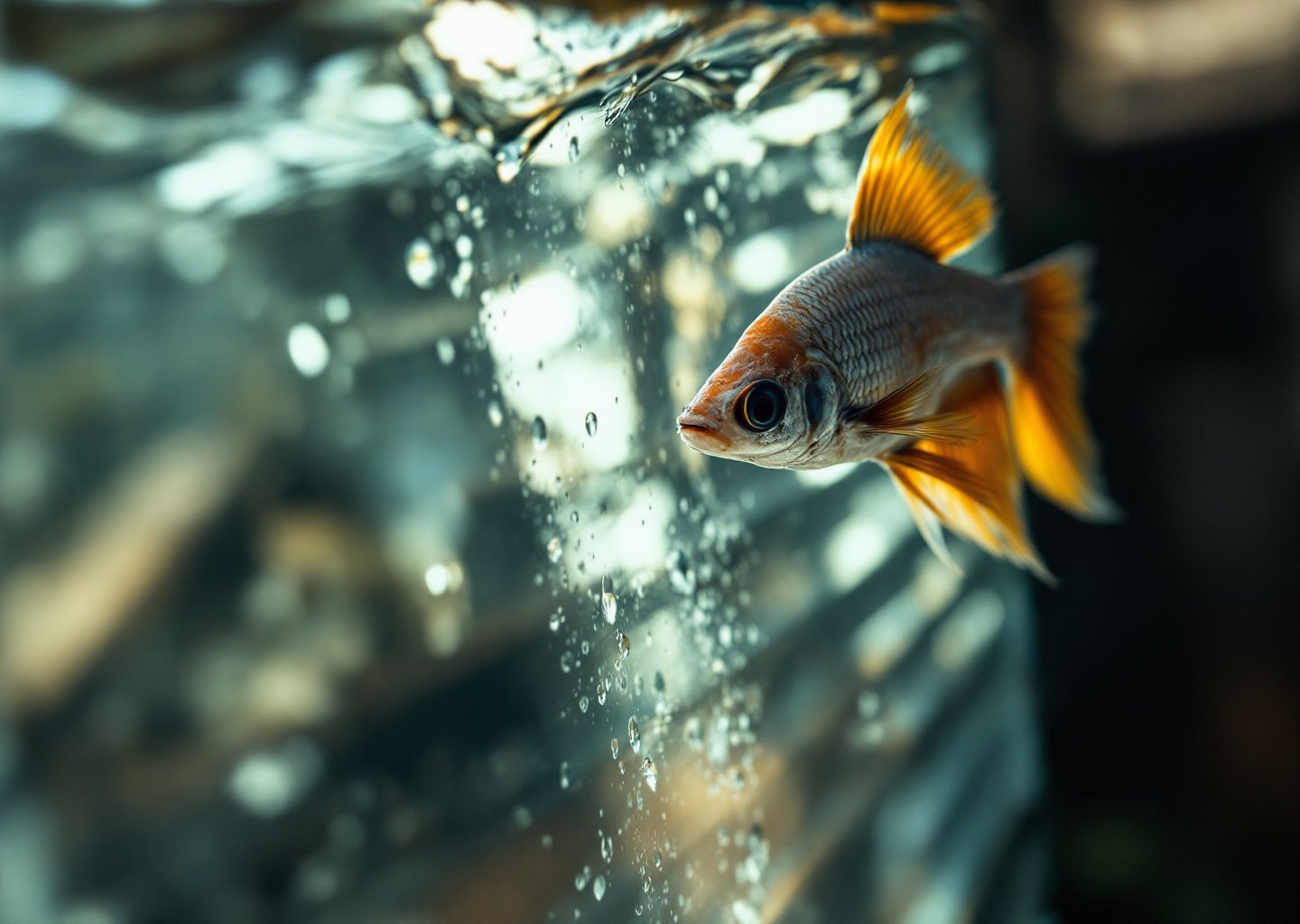
I still remember the morning I walked into my apartment and noticed something off about my first tank. The water looked fine. The filter was running. But my betta, Gerald, was hovering near the surface in that weird, tilted way that makes your stomach drop. Twelve hours later, he was gone. I’d missed every warning sign. I didn’t even know there were signs to look for.
That tank crash taught me something painful: most aquarium disasters don’t happen overnight. They build. Slowly. And if you know what to look for, you can often catch problems before they become fatal. The window varies dramatically depending on the issue, though. Some problems, like ammonia spikes, can kill within hours. Others may take days or weeks to become dangerous. Consider this the guide I wish I’d had before Gerald.
Nobody tells you this when you set up your first aquarium: a dying tank doesn’t look obviously wrong. Not at first. Signs your fish tank is dying are subtle, easy to dismiss, and often mistaken for normal variations. That slightly off smell? Probably nothing. Your fish acting a little weird? Maybe they’re just being fish.
But here’s the reality: your tank is a closed ecosystem. Something goes wrong, and it doesn’t announce itself with flashing lights. It whispers. By the time it starts screaming, you’re already doing emergency water changes at midnight, hoping you’re not too late.
Good news, though. Once you learn what to look for, you can catch most tank problems before they hurt your fish. Seven warning signs tell you trouble’s brewing, and I’ll show you exactly what to do about each one.
Sign #1: What Healthy vs. Dying Tanks Actually Smell Like
Honestly? Your nose knows more than your eyes.
A healthy aquarium has a smell. It’s earthy, slightly organic, like fresh soil or a clean pond. I actually love the smell of my well-maintained tanks. That petrichor-meets-greenhouse scent tells me the nitrogen cycle is doing its thing.
An unhealthy fish tank water symptom that hits fast? The wrong kind of smell. Here’s how to decode it:
Rotten egg smell (sulfur): Bad news. You’ve got anaerobic bacteria producing hydrogen sulfide, usually from deep substrate pockets. This stuff is toxic to fish.
Ammonia smell (sharp, chemical): Biological filtration has crashed or can’t keep up with waste. Think cat litter box meets cleaning supplies.
Rotting fish smell: Something died. Check your fish count. Also check caves, decorations, and behind the filter. Decomposing organic matter spikes ammonia fast.
Musty or swampy: Decaying plant matter, uneaten food, or organic buildup. Not immediately dangerous, but heading that direction.
Smell any of these? Don’t wait. Test your water immediately and do a 25% water change while you figure out the source.
Sign #2: Water Clarity Changes Beyond “Cloudy”
“Why is my fish tank water cloudy?” might be the most common question I see from new hobbyists. But “cloudy” can mean five different things, and each one requires a different fix.
Milky white cloudiness: Usually a bacterial bloom. In a new tank, this is actually normal and part of cycling. In an established tank? Something killed off your beneficial bacteria. Recent medication, deep cleaning, or a dead filter could be the culprit.
Green water: Algae bloom. Too much light, too many nutrients, or both. It’s not immediately dangerous to fish, but it indicates an imbalance. How to control aquarium algae naturally
Yellow or brown tint: Tannins from driftwood or decaying leaves. Actually fine, and some fish love it. But if it appeared suddenly without new wood, check for rotting plants.
Tiny particles floating: Substrate disturbance or debris in the water column. Usually this means your filter isn’t catching everything, or you stirred things up during cleaning.
Here’s the key question when assessing cloudy aquarium water causes and fixes: Is this new? A tank that’s always been slightly tinted from driftwood is fine. A tank that went cloudy overnight needs immediate attention.
Sign #3: Behavioral Red Flags in Your Fish
Fish can’t tell you they feel sick. But they sure can show you.
Gasping at the surface: What does fish gasping at the surface mean? Low oxygen or damaged gills. This is urgent. Check your surface agitation, look for ammonia or nitrite spikes, and consider adding an air stone immediately.
Hiding constantly: Some fish are naturally shy. But when an outgoing fish suddenly won’t come out, or your whole community is hiding, they’re stressed. Water quality could be the cause. So could aggression from a tankmate, or illness brewing.
Flashing (rubbing against objects): They’re itchy. Usually parasites like ich or velvet, but this can also indicate irritation from poor water quality. Watch for white spots or a dusty appearance.
Clamped fins: Fins held tight against the body instead of fanned out. Picture the fish equivalent of hunching your shoulders when you’re cold or stressed. It’s an early warning that something’s wrong.
Lethargy or listing to one side: Swim bladder issues, internal infection, or severe water quality problems. Combined with loss of color, this becomes a fish tank problems and solutions emergency.
In my experience, behavioral changes show up 24 to 48 hours before physical symptoms. Pay attention to personality shifts. Your fish acting “off” is data.
Sign #4: What Your Substrate Is Telling You
Substrate is doing more than looking pretty. It houses bacteria, roots, and sometimes, problems.
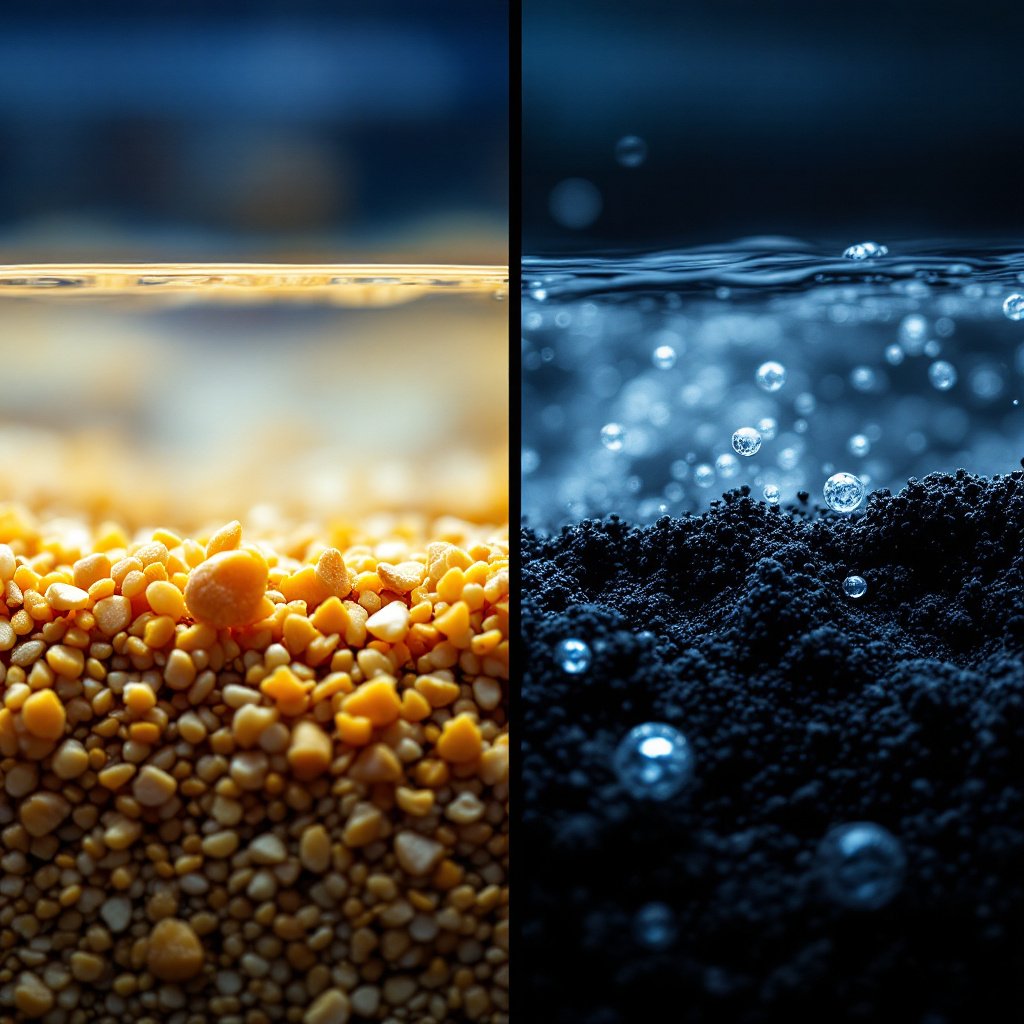
Black patches: Seeing black spots in sand or gravel? You likely have anaerobic pockets. That black coloration comes from sulfide compounds, primarily iron sulfides and other metal sulfides produced by anaerobic bacteria. Often it’s combined with hydrogen sulfide reacting with iron in the substrate. Small amounts of the black material aren’t immediately deadly, but the hydrogen sulfide gas trapped below is the primary toxicity concern. It can be dangerous to fish. Gently stir these areas during water changes to release gas safely.
Bubbles rising from substrate: Connected to the black spot issue. Gas pockets from decomposition are working their way up. If this happens suddenly after you’ve disturbed the substrate, open some windows. That gas can smell awful and isn’t great for you or your fish.
Heavy debris accumulation: I run seven nano tanks, and trust me, waste settles fast. Can you see mulm (that brownish organic debris) building up visibly? Your maintenance schedule isn’t keeping up. All that stuff breaks down into ammonia and nitrates.
White fuzzy patches on substrate: Fungal growth, usually feeding on uneaten food or fish waste. Clean it up and feed less.
I make it a habit to gently stir my substrate during every water change. Keeps things from going anaerobic and lets me spot problems early. How to properly clean aquarium substrate
Sign #5: Surface Scum, Foam, and Film Decoded
Gas exchange happens at the water surface. Gunk it up, and oxygen levels drop while CO2 builds. Here’s how to tell if your aquarium water is bad just by looking at the top.
Oily rainbow film: Usually from your hands (lotion, soap), aerosol sprays near the tank, or fatty fish food. Break it up with surface agitation or use a paper towel to skim it off.
White protein film: Biofilm buildup, often from overfeeding or low surface movement. Common in tanks without much flow. Increase surface agitation.
Persistent foam that doesn’t pop: Proteins and dissolved organics are getting concentrated. You need more water changes or better filtration. Consider this an aquarium water quality warning sign that your system is struggling.
Green film: Algae, same as green water but in solid form. Reduce light duration.
I actually keep a surface skimmer on my 20-gallon specifically because the water is so still. Worth the investment if you’re fighting constant surface film.
Sign #6: Plants and Algae as Living Warning Systems
Plants are living water quality monitors. They’ll sometimes show you problems before test kits do.
Sudden plant melting: A plant that was fine last week is now dissolving? Could be a nutrient crash, CO2 change, or water quality spike. Dying plants become more decaying organic matter, which makes everything worse.
Yellow leaves (especially new growth): Usually iron deficiency. But sudden yellowing across all plants points to bigger issues.
Brown algae explosion: Common in new tanks, but in established tanks it often means silicates in your water source or low light combined with excess nutrients.
Green hair algae overnight: Nutrient spike. Did something die? Did you overfeed? Did you skip a water change? Beginner’s guide to planted tanks
Algae dying suddenly: Sounds good but isn’t. Mass algae die-off dumps organics into your water and crashes oxygen levels overnight. Treating algae? Go slow.
Plants showing you whether your tank is sick or healthy often happens before anything else does. Healthy plants, healthy ecosystem. Struggling plants, struggling tank.
Sign #7: Equipment Sounds and Flow Changes
This one gets overlooked constantly. Your equipment talks to you.
Grinding or rattling filter: Your impeller is dirty, damaged, or dying. A failing filter means failing filtration, and you’ll see water quality drop within days.
Reduced flow: Gunked-up filter media or intake. A 30-gallon-per-hour filter running at half capacity isn’t doing its job.
Heater clicking constantly: It’s struggling to maintain temperature. Either your ambient temperature dropped, the heater’s failing, or it’s undersized for your tank.
Bubbling or gurgling air pump: Could be water back-siphoned into the line or a dying diaphragm.
Silence where there should be sound: Your filter suddenly goes quiet? Check it immediately. I’ve caught two filter failures this way.
Put your ear to your tank equipment weekly. You’ll learn what normal sounds like, and you’ll notice when it changes.
Emergency Triage: Your 15-Minute Action Plan
So you’ve read through this list and you’re seeing two, three, maybe four of these signs. Don’t panic. Here’s your “fish tank smells bad, what to do” emergency protocol:
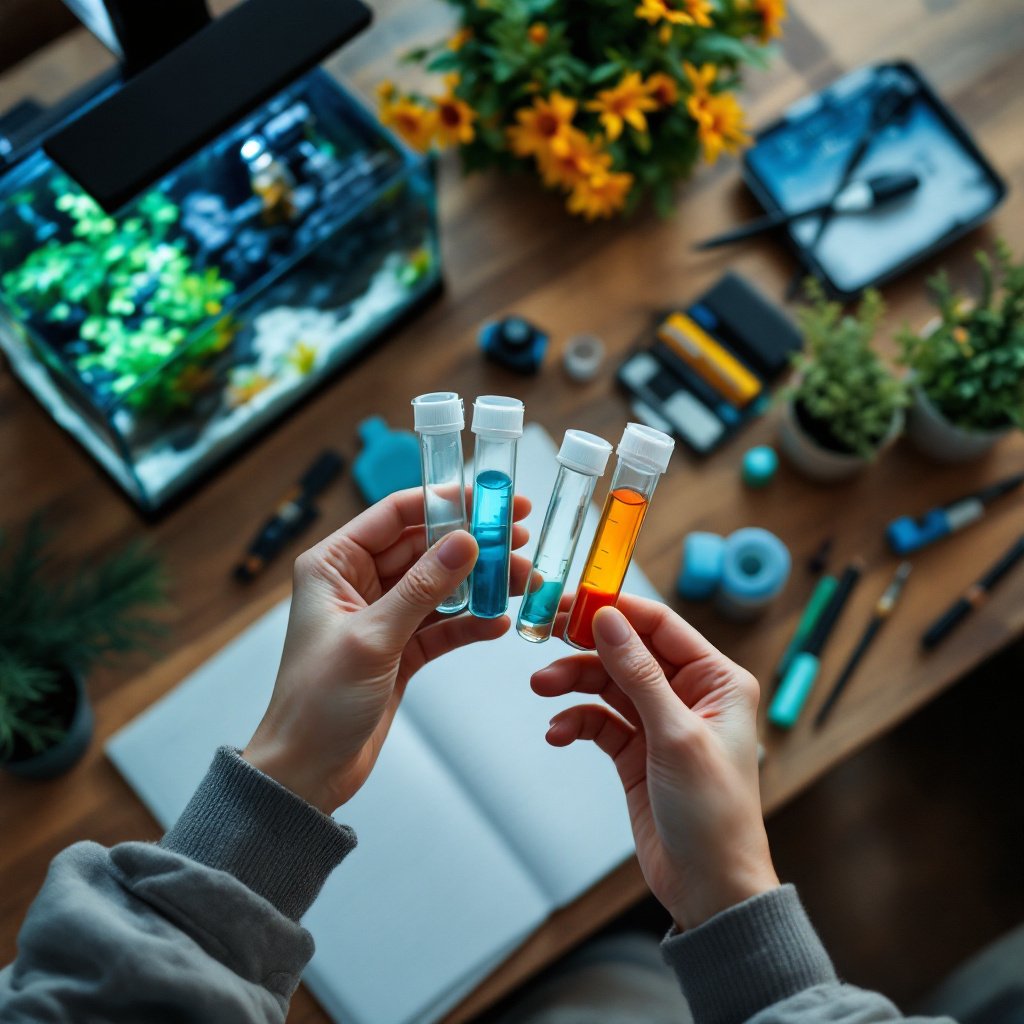
Minutes 1 to 3: Test your water. Ammonia, nitrite, nitrate, pH. Write it down.
Minutes 3 to 5: Visual fish check. Count them. Note any behavioral changes.
Minutes 5 to 10: Emergency water change. Do 25 to 30% with dechlorinated water matched to tank temperature. Don’t go bigger unless ammonia is off the charts.
Minutes 10 to 12: Check equipment. Filter running? Heater working? Air stone bubbling?
Minutes 12 to 15: Remove obvious problems. Dead fish, rotting plants, uneaten food.
Then stop. Let the tank settle. Retest in six hours. Panicking and doing too much at once is the biggest mistake beginners make, and it stresses fish even more.
Early signs of a dying fish tank are easy to catch if you’re actually looking. Problem is, most of us glance at our tanks while feeding and assume no news is good news.
I’ve crashed tanks. I’ve lost fish I cared about. And every single time, looking back, the signs were there. I just wasn’t trained to see them.
So here’s my challenge to you: build a two-minute check into your routine. I do mine during morning feeding.
- Sniff the water
- Check clarity
- Watch fish behavior for 30 seconds
- Glance at the substrate and surface
- Look at plant health
- Listen to equipment
Two minutes. That’s it. And those two minutes have saved me from more tank crashes than I can count.
Your tank is always talking. Once you learn the language, you’ll never miss the signs again.