How to Cycle Your First Aquarium: A Complete Beginner’s Guide
The night Gerald the betta arrived, I found myself frantically Googling “how to cycle a new aquarium for beginners” while staring at an ammonia test that looked like a radioactive lemon. If you’re already overwhelmed, take a breath. Cycling feels intimidating online, but in real life it works more like a slow science experiment on your desk. You watch colors change, bacteria grow, and one day the tank just clicks into balance.
Cycling is the one step you can’t skip when you set up a tank. Every fish, shrimp, and snail depends on it. But the truth is, the process is simple once you understand what’s happening behind the scenes. You’re growing two tiny armies of beneficial bacteria that turn toxic waste into something safe. That’s the whole secret.
My goal in this guide is to give you a calm path through the process, complete with what you can expect to see, how to handle the ugly middle phase, and how to read that stubborn API Master Test Kit without questioning every life decision.
The Nitrogen Cycle Explained Like You’re 10
People love to make the nitrogen cycle sound complicated. It’s not.
Plain English version:
- Fish pee and uneaten food break down into ammonia.
- A first group of bacteria show up and eat ammonia. They turn it into nitrite.
- A second group of bacteria eat nitrite and turn it into nitrate.
Ammonia hurts fish. Nitrite hurts fish. Nitrate is mostly fine at low levels.
Drawing it with crayons would look something like this:
Ammonia (spikes fast)
→ Nitrite (spikes even higher)
→ Nitrate (slow climb)
→ Water change removes nitrate
When beginners ask for the nitrogen cycle in an aquarium explained simply, this is all they need to know. You’re waiting for those two bacteria armies to grow until they can handle whatever waste your future fish will produce.
Fishless Cycling Step by Step: Your Six-Week Experiment
Fishless cycling is what I always recommend because it’s gentler and way less stressful. You add bottled ammonia instead of fish, so nothing gets hurt while you wait. It also gives you the chance to practice the routine that keeps aquariums stable long-term.
Let me walk you through the fishless cycling method step by step, the way I teach my friends:
Step 1: Set Up Everything
Water, heater, filter, substrate, hardscape, plants if you want them. Bacteria like surfaces, so planted tanks often cycle faster.
Step 2: Add Ammonia
Use a pure ammonia source. Shake it and check the ingredients. You want something that smells like a high school lab, not lemon-scented floor cleaner.
Safe ammonia levels for fishless cycle starting point: 2 ppm.
Step 3: Test Daily
Your API Master Test Kit becomes your new morning coffee ritual. At first, the ammonia will stay put. After a few days, it begins to drop. Good sign. When ammonia drops, nitrite appears.
Step 4: Dose Ammonia Again
When ammonia hits zero, dose back to 2 ppm. Keep that cycle going.
Step 5: Let Nitrite Climb
Nitrite rises like a drama queen. It reaches a point where it feels like it’ll never fall. Then one day it starts to drop. Your second bacteria army is finally waking up.
Step 6: Watch Nitrate Grow
Once nitrate appears, you know both bacteria types are active. It doesn’t crash; it only climbs, and you remove it with water changes.
Step 7: The Final Test
Once your tank can take 2 ppm of ammonia and process it to zero ammonia and zero nitrite within 24 hours, your cycle is done.
For those who like structure, the aquarium cycling with ammonia dosing guide timeline looks something like this:
- Week 1: Ammonia added, nothing happens
- Week 2: Ammonia drops, nitrite appears
- Week 3: Nitrite climbs into the scary zone
- Week 4: Nitrite drops, nitrate climbs
- Weeks 5–6: Tank processes ammonia within 24 hours
Reading Your API Master Test Kit Without Crying
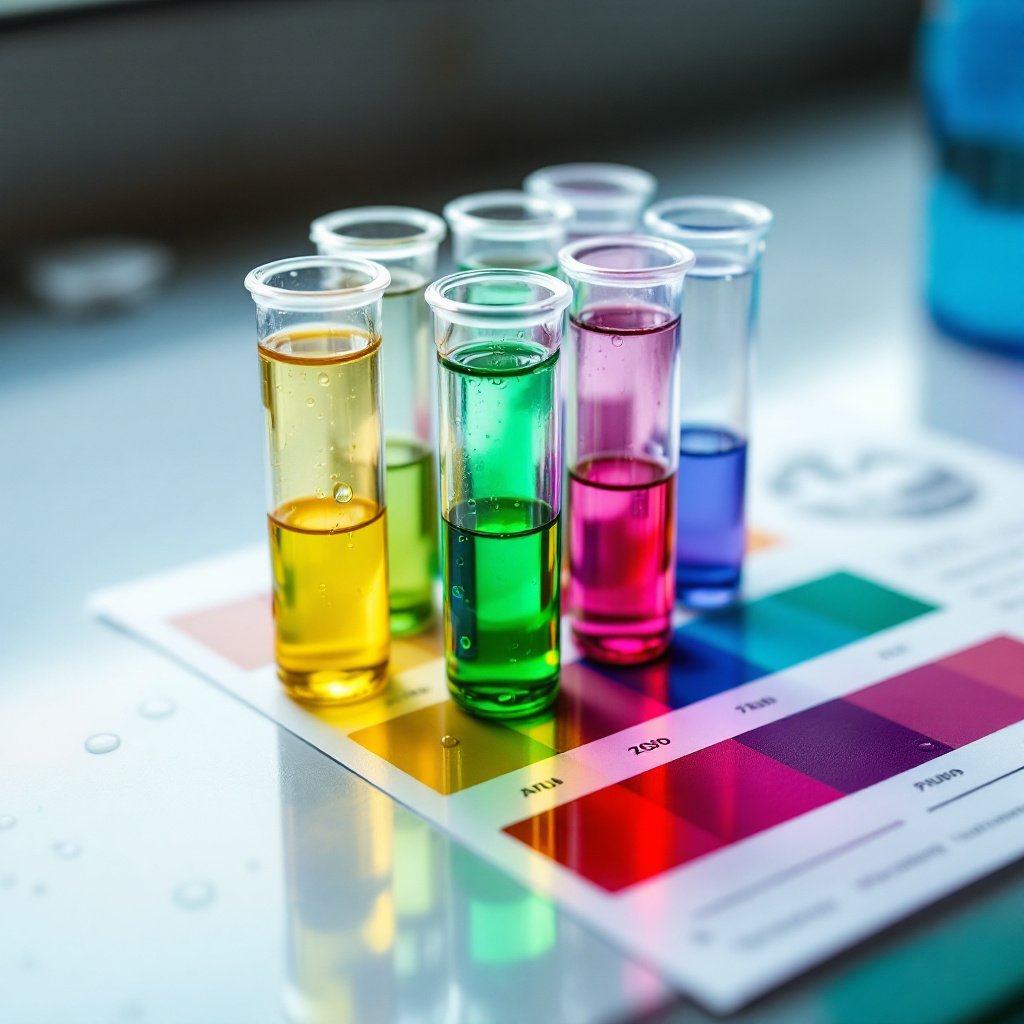
Color theory is normally my happy place, but the API kit pushed me to my limits at first. The yellow-to-green ammonia shades look identical at night. And the purple nitrite card? Basically 50 versions of grape soda.
What beginners actually see:
- Ammonia: Yellow is zero. Anything green means you still have ammonia.
- Nitrite: Sky blue is zero. The deeper the purple, the higher the nitrite.
- Nitrate: Light orange means low nitrate. Tomato red means time for a water change.
Does your nitrite card look like a bruise? Totally normal. That spike is part of the process. I used to hold my test tubes next to natural light because indoor lamps make everything look harsher. And for anyone wondering how to read the API Master Test Kit during cycling without going cross-eyed, try using a white sheet of printer paper behind the card. It works wonders.
Bacteria Starter Showdown: Dr. Tim’s One and Only vs. Seachem Stability vs. Going Natural
I’ve used all three of these in my own tanks. Some were seven gallons, some were five, and one is embarrassingly wedged between my bookshelf and a laundry basket.
Let me compare them based on real-world experience:
Dr. Tim’s One and Only
This one feels like the best bacteria starter for new aquarium setups when you want speed and consistency. My cycles finished a full week faster with it. The bottle smells like a swamp, which is how you know the bacteria inside are alive.
Mine finished in about 10 days, though most people see 1 to 2 weeks under ideal conditions.
Seachem Stability
More budget-friendly and easy to find, Stability is designed to allow immediate fish introduction with daily dosing for a week. My tanks usually hit full cycle establishment by weeks 2 to 4.
Expect roughly 2 to 4 weeks for complete cycling.
Going Natural
No additives. Just time and whatever bacteria hitchhike in on plants, substrate, and air. It works, especially in heavily planted tanks, but patience is required.
Most natural cycles take 4 to 8 weeks, with 6 to 8 weeks being common.
When people ask about Dr. Tim’s One and Only vs. Seachem Stability, I tell them Dr. Tim’s tends to sprint while Stability jogs. Both reach the finish line.
Fish-In Cycling: When It’s Your Only Option and How to Do It Humanely
Sometimes you end up with a fish before the tank is ready. Maybe it was a gift. Maybe your roommate impulsively brought home a comet goldfish from the fair. It happens.
The humane approach to fish-in cycling looks like this:
- Keep feeding tiny
- Test ammonia and nitrite daily
- Do water changes whenever either hits 0.25 ppm
- Add extra plants because they absorb ammonia
- Use a bottled bacteria product to help buffer spikes
- Pick hardy species, not delicate ones
Once in college, I did a fish-in cycle with a borrowed ten-gallon and a betta from a friend who was moving dorms. It worked, but it was far more stressful than any fishless cycle. Treat it as a last resort.
Signs Your Tank Is Fully Cycled: The Numbers That Matter
People ask me how long it takes to cycle a fish tank. Most tanks land between four and six weeks. Some faster, some slower. The calendar is less important than the test results.
Signs your aquarium is fully cycled:
- Ammonia stays at zero
- Nitrite stays at zero
- Nitrate rises week by week
- Water clears and stabilizes
- A 2 ppm ammonia dose hits zero after 24 hours
That last one is the big test. I call it the graduation test. When your tank passes that, you’re genuinely ready.
So when is it safe to add fish to a cycled tank? Right after you pass the 24-hour test and complete a large water change to bring nitrate down.
Cycling takes patience, but your future fish will thank you. Plus, once you go through the process, you unlock one of the best parts of the hobby: you begin to understand how your tank behaves like its own tiny ecosystem.
Before you buy fish, run through this checklist:
- Passed the 24-hour ammonia test
- Nitrate under 20 to 30 ppm
- Filter running smoothly
- Heater holding steady
- Plants adjusted and growing new leaves
- No weird odors or cloudiness
- You have food, a siphon, and a bucket ready
Following these steps, the wait becomes part of the fun. You get to watch your underwater world come to life before any fish even arrive.
For next steps, you might like these too:
- Beginner-Friendly Nano Fish
- How to Choose the Right Aquarium Filter
- Aquascape Layout Ideas for Small Tanks
And when your partner asks why another five-gallon suddenly appeared in the apartment? Trust me, I’m still figuring out a good answer for that one.