A world-class marine institution known for its kelp forest, sea otters, conservation work, and public outreach.
I have studied and visited major aquariums for years, and I write with direct experience about why is the monterey bay aquarium famous. This article explains the mix of science, design, education, and conservation that makes the Monterey Bay Aquarium a global model. Read on for a clear, expert breakdown of its history, signature exhibits, research impact, visitor tips, and why it keeps shaping ocean policy and public opinion.

Why the Monterey Bay Aquarium is famous: core reasons
The Monterey Bay Aquarium became famous because it blends stunning exhibits with real science and active conservation. Its public displays are designed to educate and inspire action. The aquarium also helped start programs that changed seafood buying and ocean policy. This combination sets it apart from typical tourist aquariums.
- Iconic living kelp forest exhibits that mimic real ocean habitats.
- Beloved sea otter displays and rescue efforts that engage millions.
- Pioneering Seafood Watch program that shapes sustainable seafood choices.
- Strong science and research partnerships that inform ocean policy.
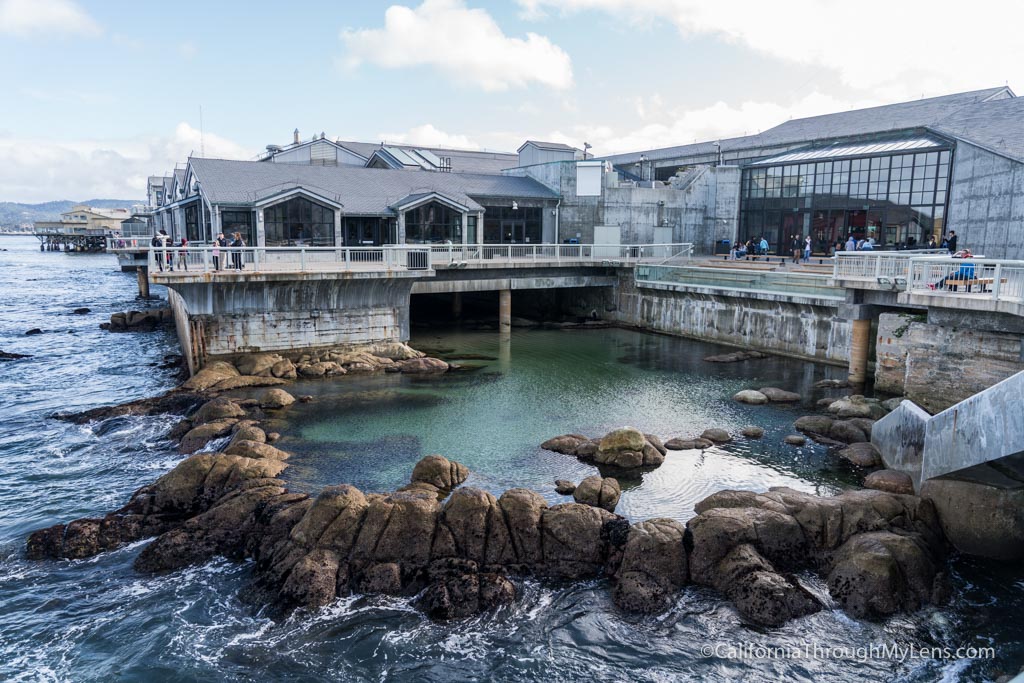
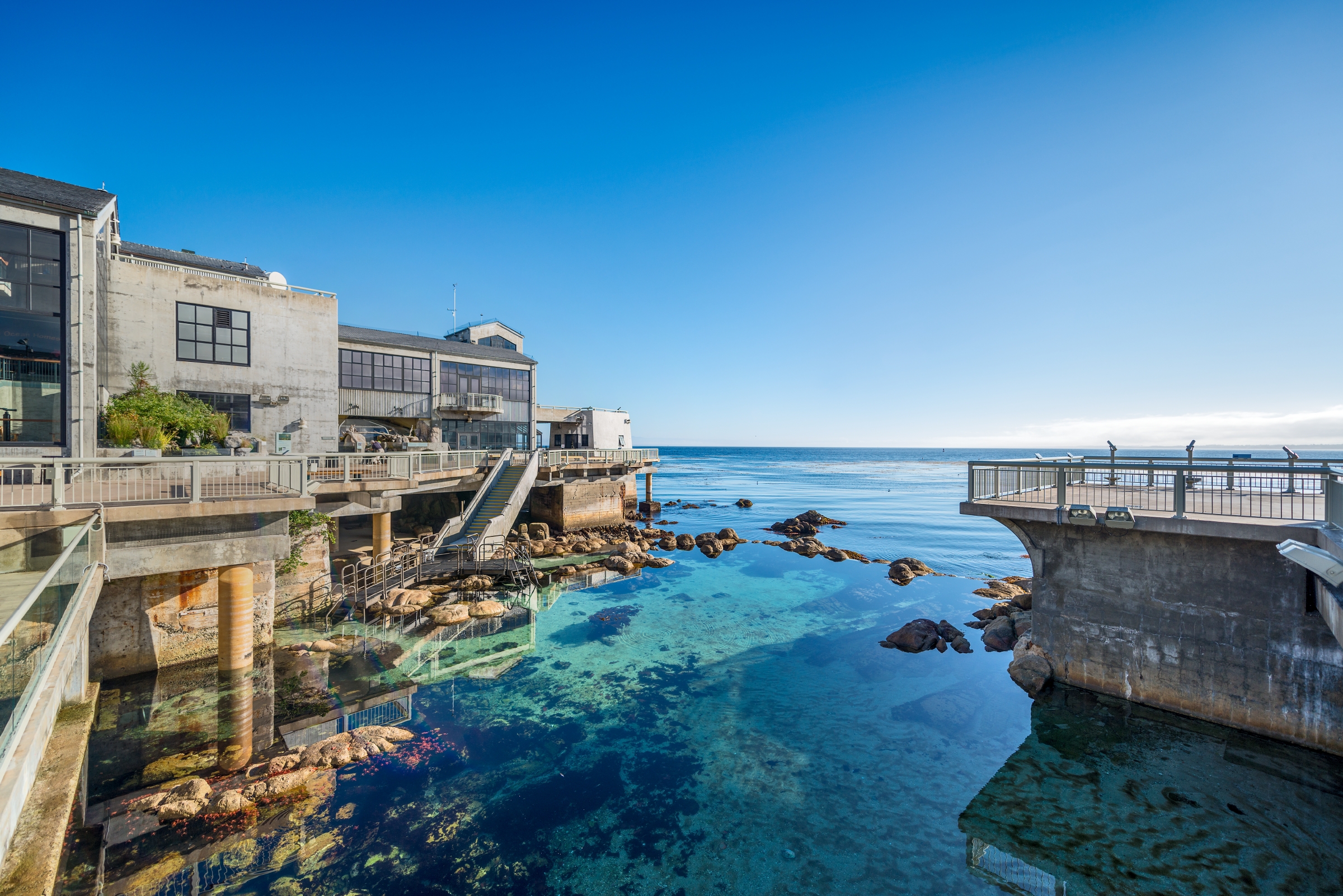
- Location on Monterey Bay with direct access to rich marine life.
History and founding: how reputation grew
The aquarium opened in 1984, backed by local leaders and ocean advocates. Founders wanted a public place that used live displays to teach marine science. Early success came from the kelp forest exhibit and careful animal care. That early credibility built the foundation for long-term impact.
- Early focus on live kelp and local species created authenticity.
- Rapid visitor interest fueled funding and program expansion.
- The aquarium became known for thoughtful design and research links.
Signature exhibits that draw attention
Visitors often ask why is the monterey bay aquarium famous, and most point to its exhibits. The displays are immersive, with research-grade husbandry behind the scenes. Each exhibit connects visual spectacle to a clear conservation message.
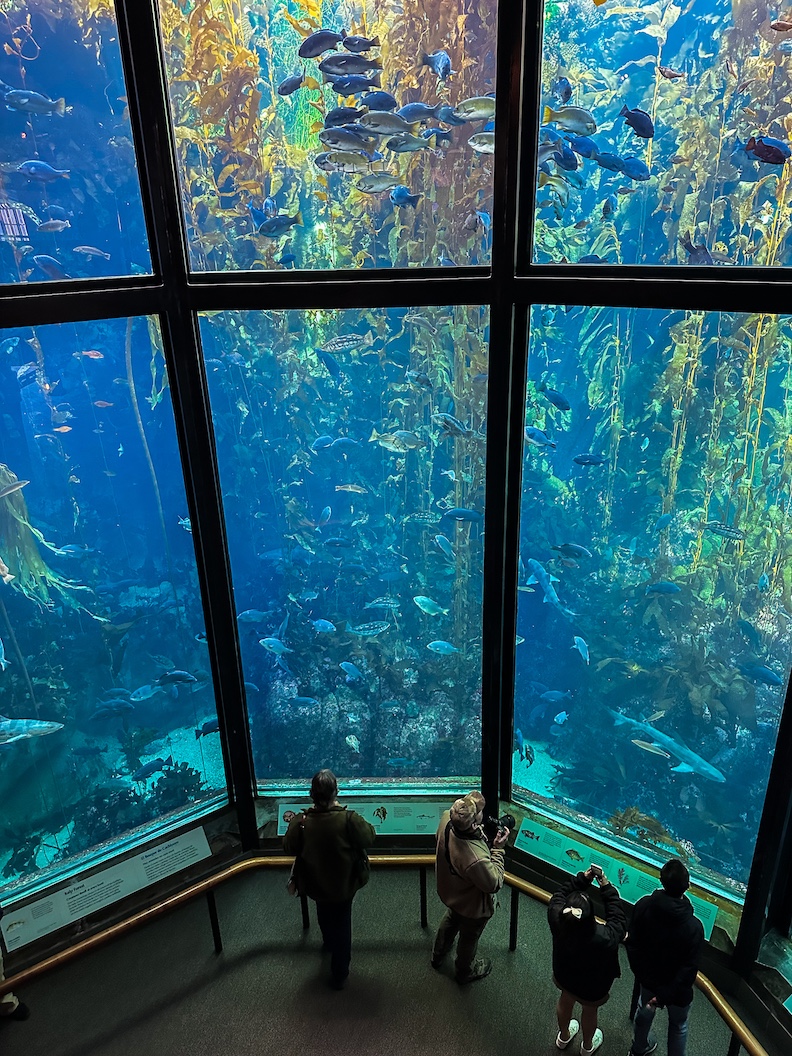
- Kelp Forest
- Tall, sunlit tank that replicates a nearshore kelp forest. It demonstrates vertical ecology and draws photographers.
- Sea Otter Habitat
- Close-up viewing and animal behaviors make sea otters a public favorite. The habitat highlights rescue and rehabilitation work.
- Open Sea Exhibit
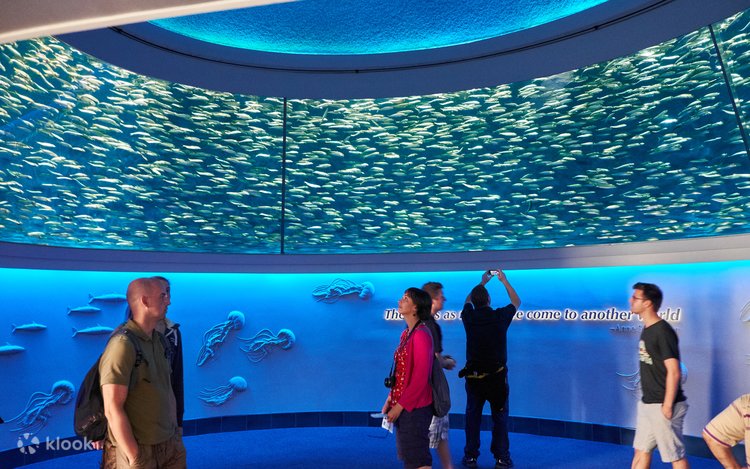
- Large tanks with tunas, sharks, and jacks that show open ocean dynamics and predator-prey relationships.
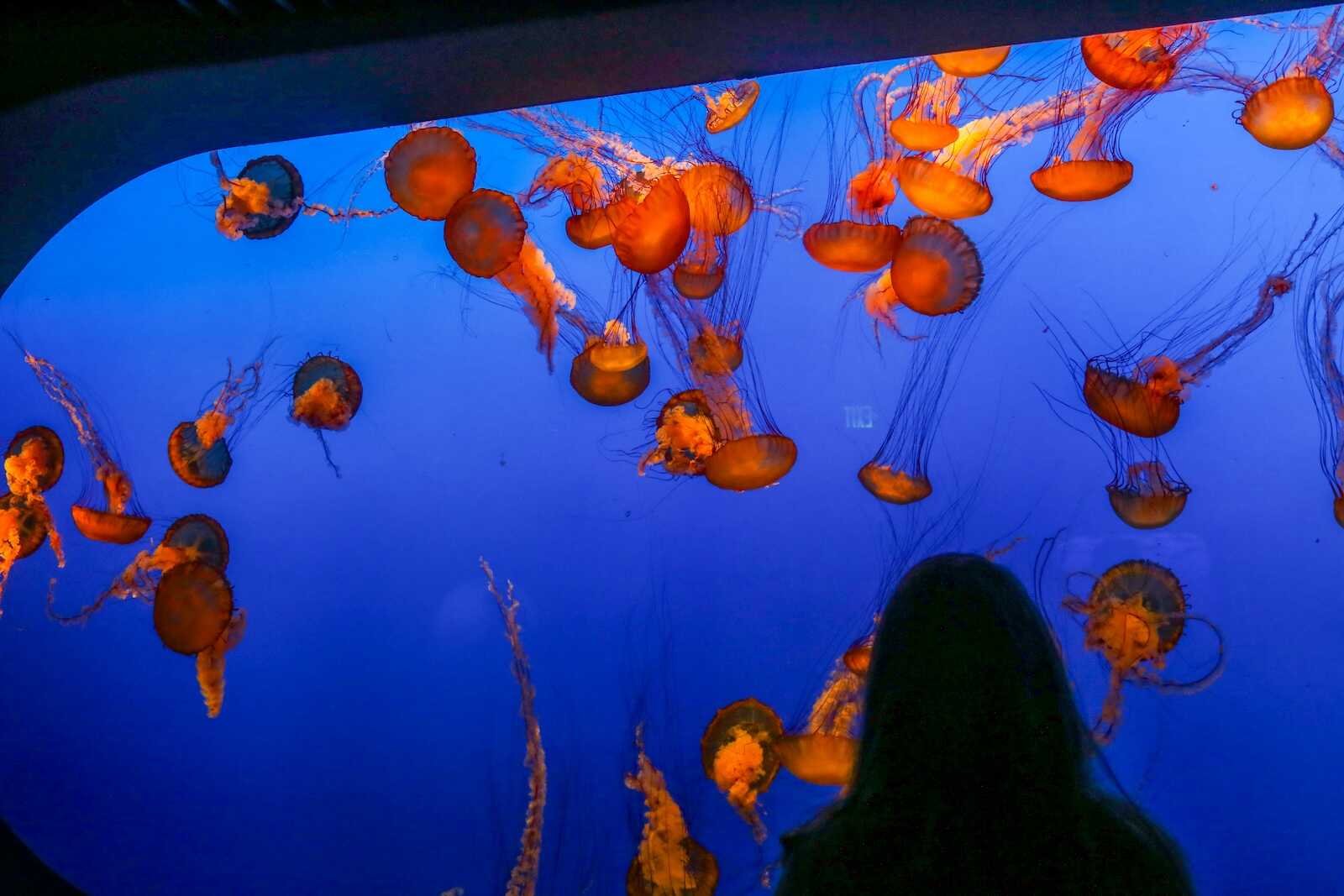
- Jelly and Drifting Life
- Minimalist tanks that showcase delicate species and teach about planktonic life cycles.
- Touch Pools and Interactives
- Hands-on learning for kids and adults that builds empathy and curiosity.
Conservation, research, and policy impact
A core reason why is the monterey bay aquarium famous is its influence on conservation science and consumer behavior. The aquarium is not just a display space; it is an active research and advocacy hub that links public education to measurable outcomes.
- Seafood Watch
- A science-based seafood recommendation program that guides consumers, chefs, and retailers toward sustainable choices.
- Rescue and Rehabilitation
- The aquarium supports animal rescue and rehabilitation and shares best practices with others.
- Research Partnerships
- Collaborations with universities and institutes study kelp, ocean acidification, and marine species health.
- Public Policy Influence
- Data and outreach help shape fisheries management and marine protected area discussions.

Education, outreach, and digital engagement
Why is the monterey bay aquarium famous for education? Because it reaches millions beyond its doors. The aquarium blends onsite programs with online tools that teach ocean literacy to a broad audience.
- School Programs and Workshops
- Hands-on field trips and teacher resources align with curriculum and spark interest in STEM.
- Live Webcams and Streaming
- Real-time views of sea otters, jellyfish, and exhibits allow global audiences to connect with marine life.
- Volunteer and Citizen Science Programs
- Community members participate in data collection and beach stewardship.
- Public Events and Lectures
- Expert talks translate research into plain language and actionable steps for visitors.

Visitor experience: tips and personal insights
I have visited Monterey Bay Aquarium multiple times and learned a few practical lessons. Planning makes the visit far richer. The aquarium’s design guides visitors through storytelling sequences that pair emotion with facts.
- Buy tickets in advance to avoid lines and guarantee entry.
- Arrive early for quieter viewing and better photos.
- Don’t skip feeding talks and keeper chats; they add depth and context.
- Spend time at the sea otter and kelp forest areas for the best immersive moments.
- Combine a visit with a walk on Cannery Row and a drive along the coast for a full day.

How the aquarium stays relevant over time
Sustained relevance answers the core question of why is the monterey bay aquarium famous today. It adapts exhibits, invests in research, and amplifies conservation messages. The aquarium keeps public trust by sharing methods, admitting limits, and evolving with new science.
- Regular exhibit updates keep displays fresh and scientifically current.
- Transparent reporting and educational resources build trust.
- Cross-sector partnerships expand reach and leverage expertise.
Frequently Asked Questions of why is the monterey bay aquarium famous
What makes the Monterey Bay Aquarium unique among aquariums?
The aquarium pairs world-class exhibits with active research and conservation programs. Its programs, like Seafood Watch, translate science into consumer action.
Is the kelp forest exhibit real kelp?
Yes, the kelp forest tank uses living giant kelp and other organisms to recreate nearshore ecosystems. Staff maintain water quality and light levels to support real kelp growth.
Why are sea otters central to the aquarium’s fame?
Sea otters are charismatic and visible examples of conservation success and challenge. Their rescue programs, behavior displays, and public appeal draw attention to broader marine issues.
How does the aquarium influence seafood choices?
Through science-based recommendations and outreach, the aquarium's seafood program helps buyers choose sustainable options. Restaurants and stores often adopt the guidance, shifting market demand.
Can I see live animal care and research at the aquarium?
Yes, many programs include public talks, behind-the-scenes tours, and online content that explain animal care and ongoing research. These efforts connect visitors to real science.
Does the aquarium support conservation beyond displays?
Yes, the aquarium funds and partners on research, restoration, and policy efforts that extend well beyond the building. This work aims for long-term ocean health.
Conclusion
The Monterey Bay Aquarium is famous because it connects stunning live exhibits to rigorous science, active conservation, and broad public education. It demonstrates how a public institution can inspire empathy and change behavior. Visit with curiosity, support sustainable choices, and use the aquarium’s resources to learn more—then share what you learn. If this article helped you, consider subscribing, leaving a comment, or planning a visit to see the kelp forest and sea otters in person.