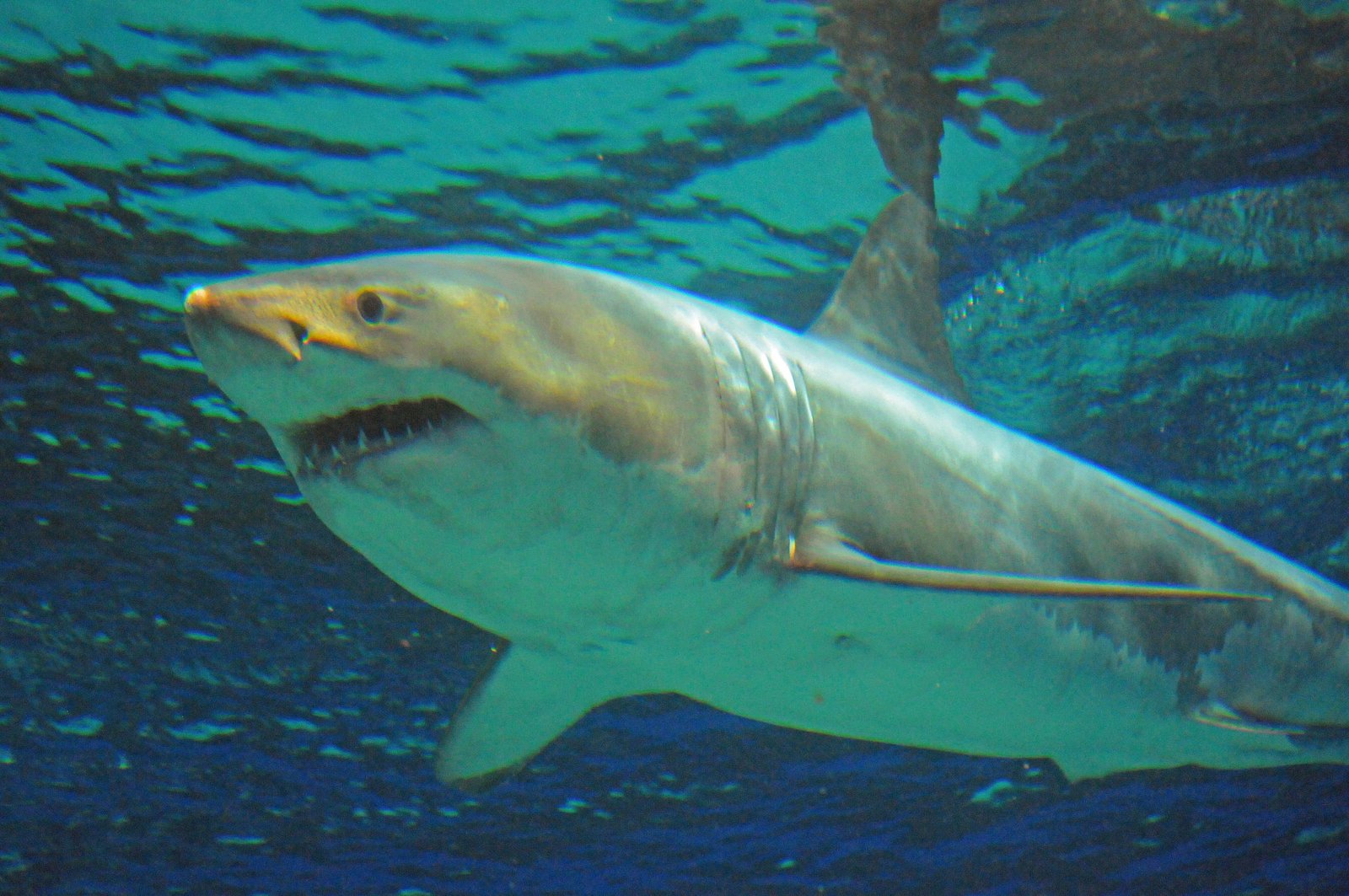
Great white sharks cannot survive in captivity due to immense stress, spatial needs, and specific dietary requirements.
Have you ever stood before a massive aquarium tank, mesmerized by the graceful sharks gliding by, and wondered, "Where's the great white?" It's a question I've heard countless times, both from curious visitors during my time in marine conservation and from friends watching shark documentaries. The simple truth is, the answer to why no aquarium in the world has a great white shark is far more complex and heartbreaking than you might imagine. It’s a story of biology, ethics, and the untamable spirit of one of the ocean's most magnificent predators. Let's dive deep into the real reasons these apex predators remain exclusively in the wild.
The Sheer Size and Space Requirements
The most immediate and obvious challenge is space. Great white sharks are built for the open ocean, not for a glass box, no matter how large. In the wild, they are known to migrate thousands of miles. They travel vast distances for hunting, mating, and giving birth, covering huge swaths of the ocean. An adult great white can reach over 20 feet long and weigh more than 4,000 pounds.
An aquarium tank, even one holding millions of gallons of water, is like a tiny closet for an animal that considers an entire coastline its neighborhood. Confining them to such a small area is physically and psychologically damaging. This confinement is a primary factor in explaining why no aquarium in the world has a great white shark, as it's impossible to replicate the endless blue they need to thrive.
Imagine being an Olympic marathon runner forced to live in a single room. You'd quickly become stressed, weak, and disoriented. For a great white shark, the constant presence of barriers is unnatural and leads to severe stress, injuries from collisions, and a rapid decline in health.

A Specialized and Demanding Diet
Another major hurdle is their diet. You might think feeding a shark is simple, but great whites are notoriously picky eaters, especially when under stress. In their natural habitat, they hunt live, high-fat prey like seals and sea lions. They are not scavengers that will happily accept whatever is offered.
Aquariums have struggled immensely to get captured great whites to eat. Many refuse food altogether, slowly starving themselves. Providing live seals for food is not only ethically and logistically impossible for a public aquarium but also fails to replicate the thrill of the hunt that stimulates the shark. This refusal to eat is a common and tragic outcome of captivity.
Even when they do eat, it's hard to provide a diet that matches the nutritional profile of their natural prey. This dietary puzzle is a significant piece of the puzzle of why no aquarium in the world has a great white shark. Without the right fuel, their powerful bodies simply cannot function properly.

The Challenge of Captivity-Induced Stress
Great white sharks are incredibly sensitive creatures. The combination of limited space, unnatural light, and the constant hum of pumps and filters creates a deeply stressful environment. One of their most critical biological needs is constant forward motion. This is because they practice "ram ventilation," meaning they must swim continuously to force oxygen-rich water over their gills to breathe.
When a great white is placed in a tank, it often bumps into the walls. These collisions can cause severe injuries to their sensitive snouts, leading to infections and further distress. I've spoken with researchers who have observed this firsthand; the sharks become disoriented and listless, a shadow of their powerful ocean-going selves.
This overwhelming stress also weakens their immune systems, making them highly susceptible to diseases they would normally fight off in the wild. Ultimately, the psychological and physiological toll is just too high. This deep-seated stress is a core reason why no aquarium in the world has a great white shark for any significant period.

A History of Failed Attempts
The story of great whites in captivity is a short and sad one, filled with failed attempts. Over the years, several major aquariums have tried, all with the best intentions of education and research. SeaWorld held a few individuals for short periods in the 1970s and 80s, but none lasted more than a couple of weeks.
The most famous and well-documented effort was by the Monterey Bay Aquarium. Between 2004 and 2011, they successfully exhibited several young great whites for periods ranging from a few weeks to over six months. This was a monumental achievement. However, each shark was eventually released back into the wild, either because it became too large, started hunting other fish in the exhibit, or showed signs of stress.
While Monterey's program provided invaluable data, it also underscored the ultimate truth: great white sharks do not belong in tanks. Their experiences provided a clear answer to why no aquarium in the world has a great white shark on permanent display. They proved that even with the best science, funding, and care, captivity is not a sustainable option for this species.

Ethical and Conservation Concerns
Beyond the practical challenges lies a deeper ethical question. Is it right to capture an apex predator, a keystone species vital to the health of our oceans, for public display? Given the incredibly low survival rate and the immense suffering these animals endure in captivity, the consensus among marine biologists and conservationists is a firm no.
The potential educational value of seeing a great white up close is heavily outweighed by the harm done to the individual shark. Resources are much better spent on conservation efforts that protect their natural habitats and on non-invasive research methods like satellite tagging. These methods allow us to learn about them without causing harm.
Instead of trying to bring the mountain to us, the focus has shifted to taking us to the mountain—through responsible eco-tourism, stunning documentaries, and virtual reality exhibits. This approach celebrates the wild nature of the great white, which is the very essence of what makes them so captivating and is the final, compelling reason why no aquarium in the world has a great white shark.
Frequently Asked Questions of why no aquarium in the world has a great white shark
Why can't aquariums just build a big enough tank?
Even a tank holding tens of millions of gallons is a tiny fraction of a great white's natural range, which can span thousands of miles. The lack of open space and the presence of hard barriers cause extreme stress and physical injury that a larger tank cannot solve.
Have any great white sharks survived in an aquarium?
No great white shark has ever survived long-term in an aquarium. The longest a great white was held was by the Monterey Bay Aquarium for 198 days before it was released due to health and behavioral concerns.
What other large sharks can be kept in aquariums?
Aquariums successfully keep many other large shark species, such as sand tiger sharks, nurse sharks, and whale sharks. These species are generally more adaptable to captive environments, have different spatial needs, and are less prone to the extreme stress that affects great whites.
Do great white sharks get depressed in captivity?
While "depression" is a human term, great whites exhibit behaviors consistent with extreme psychological distress in captivity. These include refusing to eat, lethargic swimming, and repeatedly bumping into walls, indicating a severe negative response to their environment.
Is it illegal to keep a great white shark in an aquarium?
In many places, including the United States, great white sharks are a protected species, making it illegal to capture them from the wild without special permits. These permits are typically granted only for scientific research, and long-term exhibition is generally not approved due to the poor survival rates.
Conclusion
The absence of great white sharks in aquariums isn't an oversight; it's a testament to their wild and uncompromising nature. Their need for vast open spaces, a specific diet, and a stress-free environment makes captivity an impossible and inhumane proposition. The history of attempts has taught us a valuable lesson: some creatures are simply too magnificent and too wild to be contained.
Instead of wishing to see a great white behind glass, let this knowledge inspire you to protect them in their natural home. Support organizations dedicated to ocean conservation, watch documentaries that showcase their incredible lives, and advocate for healthy marine ecosystems. By appreciating these sharks for the wild animals they are, we can ensure they continue to roam the oceans for generations to come.