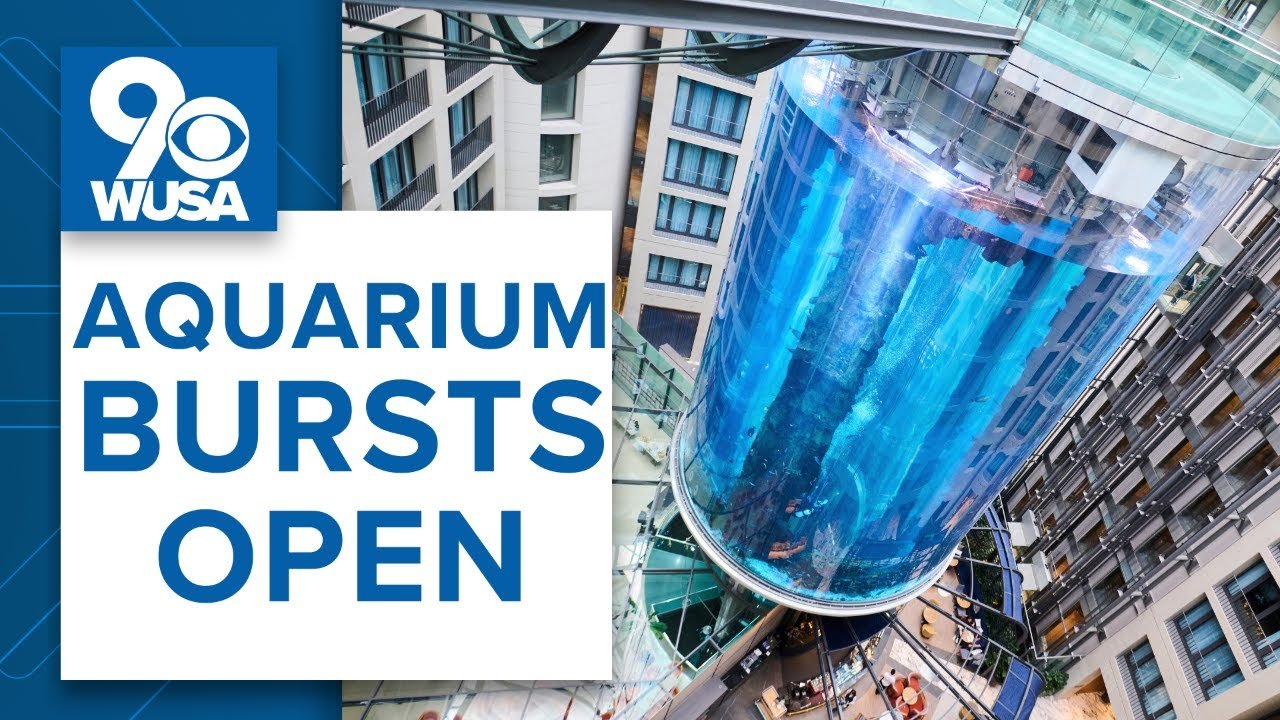
The world's biggest aquarium likely broke due to material fatigue, a slow weakening of its acrylic structure over time.
It was a sight to behold: a towering 82-foot cylinder of shimmering water, teeming with 1,500 tropical fish, all housed within the atrium of a bustling Berlin hotel. Then, in a sudden, violent instant, it was gone. The catastrophic failure of the AquaDom sent a million liters of water crashing through the hotel and onto the street. As an avid follower of major engineering projects and their life cycles, I’ve seen how complex structures can fail, but this event was uniquely shocking. If you've been wondering exactly why the world's biggest aquarium broke, you're not alone. We're going to dive deep into the science behind the shatter, exploring the leading theories from material fatigue to the surprising role a cold winter's night might have played in this disaster.

A Sudden Shattering: What Happened to the AquaDom?
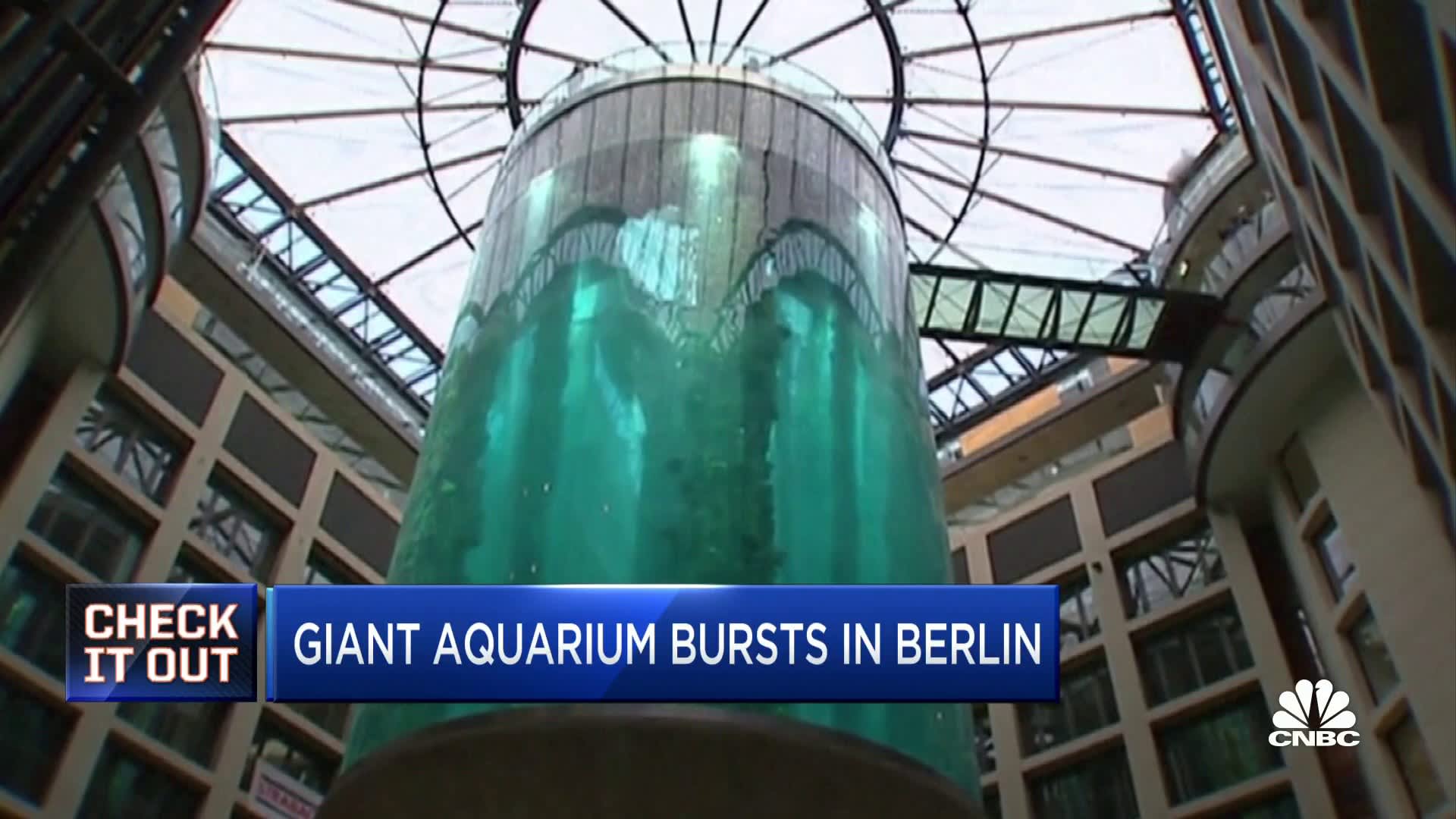
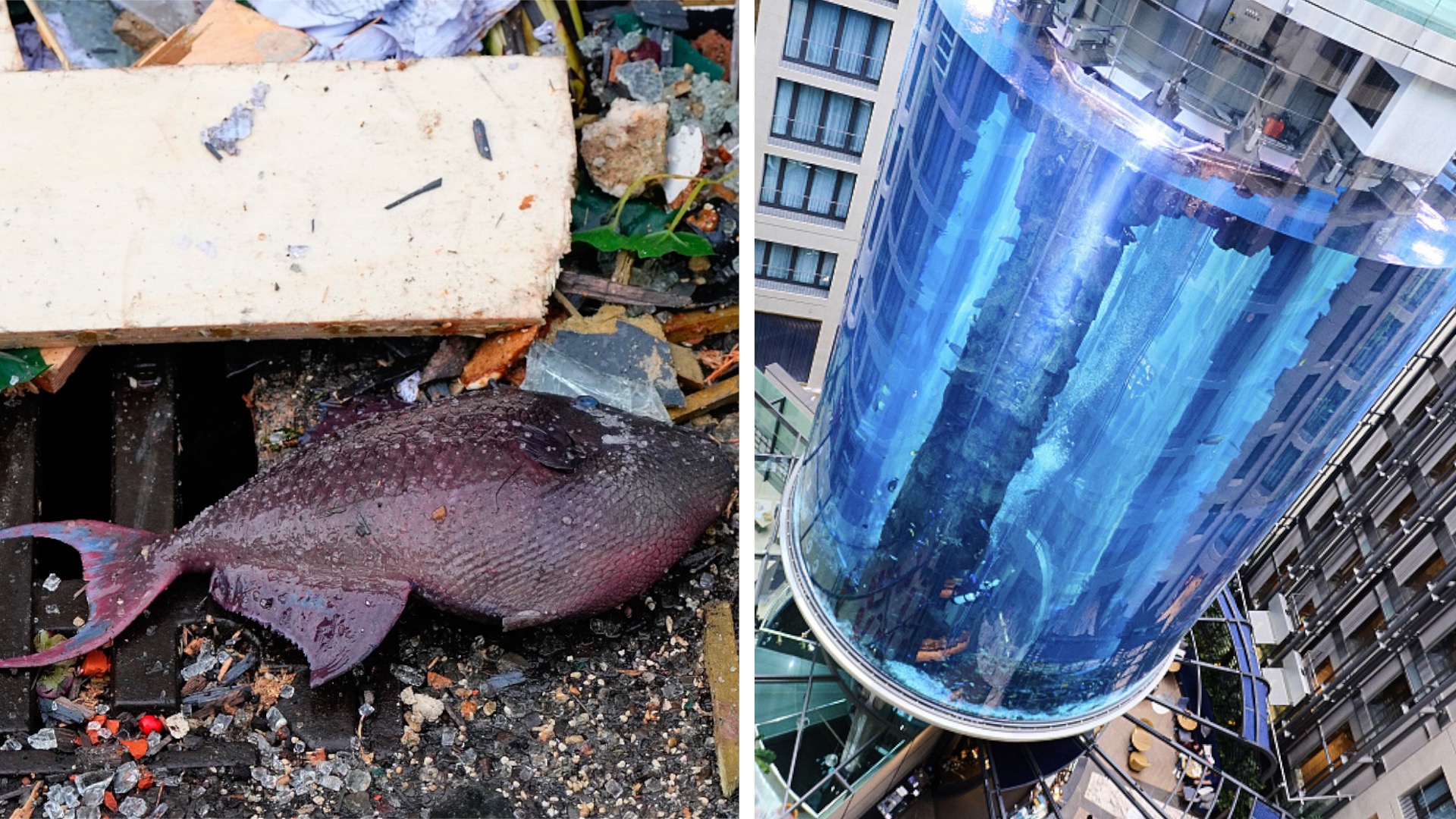
In the early morning hours of December 16, 2022, guests at the Radisson Blu hotel in Berlin were jolted awake by a sound like an explosion. The massive AquaDom aquarium, the centerpiece of the hotel's lobby, had burst. A torrent of water, fish, and debris flooded the building and the surrounding streets, transforming a luxury destination into a disaster zone. The sheer force of the water wave was immense, carrying pieces of the tank and hotel furniture with it.
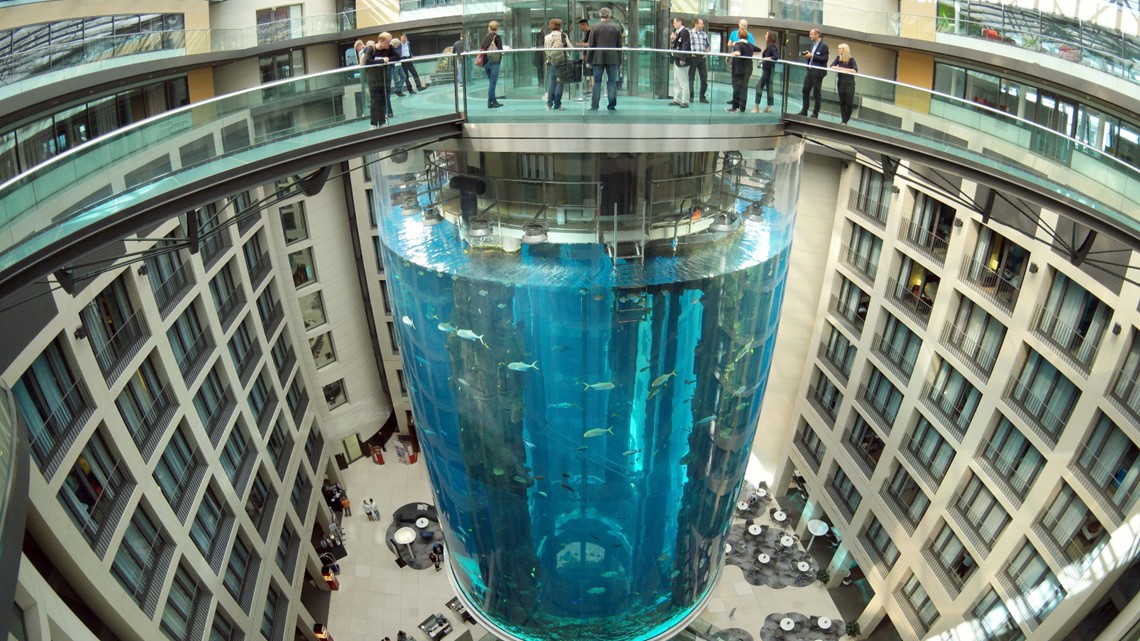
The AquaDom was not just any fish tank. It was the largest free-standing cylindrical aquarium in the world, holding over 264,000 gallons of saltwater. For nearly two decades, it mesmerized visitors who rode a clear elevator up through its core. Its sudden collapse was a stunning event, raising a critical question that engineers and the public alike wanted answered: why the world's biggest aquarium broke. The immediate aftermath left a scene of devastation and a deep mystery.
The Leading Theory: A Deep Dive into Material Fatigue
When investigators began to piece together what happened, one culprit quickly rose to the top of the list: material fatigue. Think of it like bending a paperclip back and forth. At first, it seems fine. But with each bend, tiny, invisible cracks form and grow until, suddenly, it snaps. The same principle applies to the acrylic glass used to build the AquaDom.
The aquarium was made from a material called polymethyl methacrylate (PMMA), a strong and transparent plastic. However, even the strongest materials have their limits. The immense pressure from a million liters of water constantly pushed against the acrylic walls, day in and day out, for almost 20 years. This constant stress, much like bending the paperclip, could have allowed microscopic fractures to form and slowly spread through the material.
An expert report concluded that this slow degradation was the most probable cause. The tank had also undergone a major refurbishment a few years prior. While intended to extend its life, the process of draining, cleaning, and refilling the tank could have introduced new stresses, accelerating the fatigue process. This slow, silent weakening is a key part of understanding why the world's biggest aquarium broke.

The Freezing Point: Did Cold Weather Play a Role?
While material fatigue explains the "how," a sudden drop in temperature might explain the "why now." On the night of the incident, Berlin was experiencing a cold snap, with temperatures plunging to around -9°C (16°F). This detail is more than just a coincidence; it could have been the final push the weakened structure needed to fail.
Like most materials, acrylic contracts when it gets cold. The hotel lobby, however, was kept at a comfortable room temperature. This created a temperature difference between the inner and outer surfaces of the tank, causing what is known as thermal stress. The outer surface would have tried to shrink in the cold air, while the inner surface remained more stable.
This added tension, on top of the existing pressure from the water and the underlying material fatigue, may have been the straw that broke the camel's back. A tiny crack, which had been growing for years, could have suddenly expanded and ripped through the cylinder in a catastrophic chain reaction. The cold snap provides a compelling trigger for why the world's biggest aquarium broke at that specific moment.
Investigating Other Possibilities
In any major structural failure, investigators explore every possible angle. Several other theories were considered before experts settled on material fatigue as the primary cause. One idea was a flaw in the bonding seams that held the large acrylic panels together, but a failure at a seam would likely look different from the way the tank shattered.
Another possibility was damage caused during the 2020 refurbishment. Could a tool have been dropped, or could the cleaning process have created a weak spot? While possible, a single point of impact is less likely to cause such a complete and total failure of the entire structure. The evidence did not point to a specific human error during the renovation.
Ultimately, these other theories were deemed less likely than the slow, insidious process of material fatigue, likely accelerated by temperature changes. The final report did not find evidence of a single faulty component or mistake, but rather pointed to the natural aging process of the material itself as the reason why the world's biggest aquarium broke.
Lessons Learned from the Collapse
The AquaDom disaster sent a shockwave through the engineering and public aquarium communities. It served as a powerful and tragic reminder that even the most awe-inspiring structures are subject to the laws of physics and the effects of time. This event has prompted a re-evaluation of how large-scale acrylic structures are designed, monitored, and maintained.
One of the biggest takeaways is the need for more advanced inspection techniques. Standard visual checks are not enough to detect the microscopic cracks that signal the start of material fatigue. Engineers are now looking at using technologies like ultrasonic testing to get a clearer picture of an acrylic structure's internal health over its lifespan.
Furthermore, the potential impact of environmental factors, like extreme temperature swings, must be more carefully considered in both design and maintenance schedules. The collapse provided a harsh lesson on how external conditions can interact with internal weaknesses. Understanding these lessons is crucial to preventing a similar event and fully grasping why the world's biggest aquarium broke.

Frequently Asked Questions of why the world's biggest aquarium broke
What was the AquaDom?
The AquaDom was the world's largest free-standing cylindrical aquarium, located in the lobby of the Radisson Blu hotel in Berlin, Germany. It stood 15.85 meters (52 ft) tall and contained one million liters of saltwater and 1,500 tropical fish.
Was anyone seriously hurt when the aquarium broke?
Miraculously, the collapse resulted in only two minor injuries from falling debris. The incident occurred in the very early morning, so the hotel lobby and surrounding areas were mostly empty.
What happened to the 1,500 fish inside?
Tragically, most of the 1,500 fish inside the aquarium died, either from the physical trauma of the collapse or from thermal shock due to the cold temperatures outside. Rescue efforts managed to save a few hundred fish from pools of water that formed in the debris.
Could this happen to other large aquariums?
The AquaDom failure has prompted stricter reviews and inspection protocols for large aquariums worldwide. While the risk can never be eliminated entirely, modern engineering standards and new inspection technologies are being implemented to make such events far less likely.
What was the official cause of the AquaDom collapse?
An expert report concluded that the most plausible cause was material fatigue. The constant pressure over nearly 20 years weakened the acrylic, and a sudden drop in temperature likely caused the final catastrophic failure.
Conclusion
The story of why the world's biggest aquarium broke is a sobering tale of engineering, physics, and the relentless passage of time. The evidence strongly points to a fatal combination of material fatigue—the slow, invisible aging of the acrylic—and the sudden stress of a freezing winter night. It wasn't a single, dramatic error but a gradual weakening that finally gave way in a spectacular and devastating fashion.
This event serves as a crucial reminder that even our most impressive creations require humility and constant vigilance. As we continue to push the boundaries of architecture and design, the lessons from the AquaDom's collapse will help ensure future marvels are built not just to inspire, but to endure.
What are your thoughts on this incredible structure and its dramatic end? Let us know in the comments below