Aquarium salt is used in freshwater tanks primarily as a supportive treatment for fish stress, disease, and gill function.
Navigating the world of fishkeeping can sometimes feel like you're learning a new language. You hear terms like "cycling," "nitrates," and one that often causes confusion: "aquarium salt." As someone who has spent years with my hands in fish tanks, I've seen the debates and heard the myths. The question of why put aquarium salt in a freshwater tank is one of the most common I encounter. This guide will clear up the confusion, explaining exactly what aquarium salt does, when to use it, and, just as importantly, when to leave it on the shelf.

What Exactly is Aquarium Salt? (And Why it's Not Table Salt)
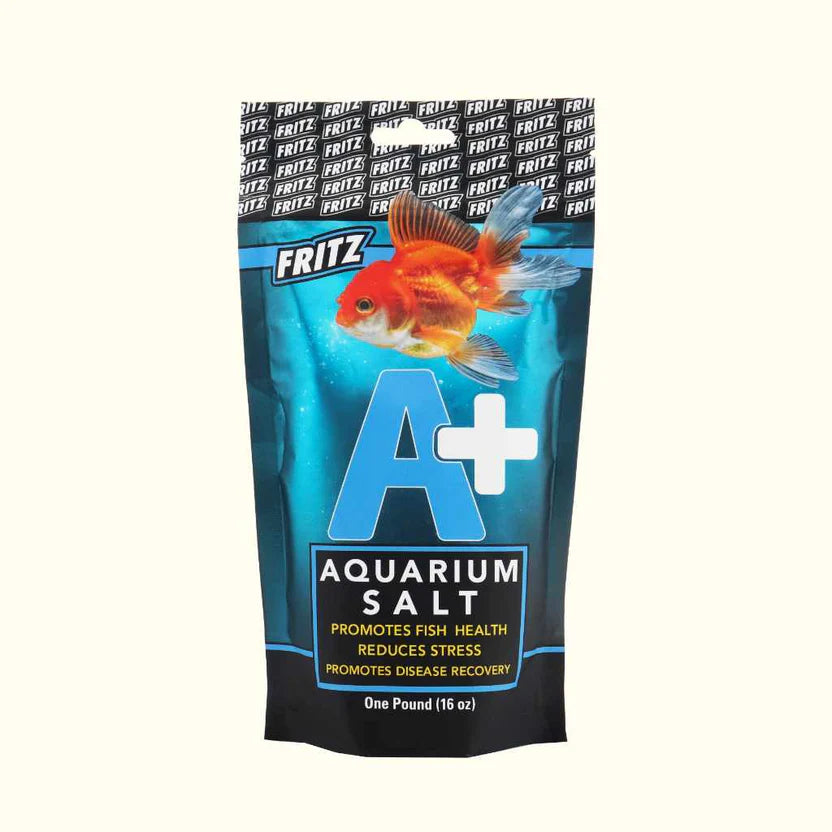
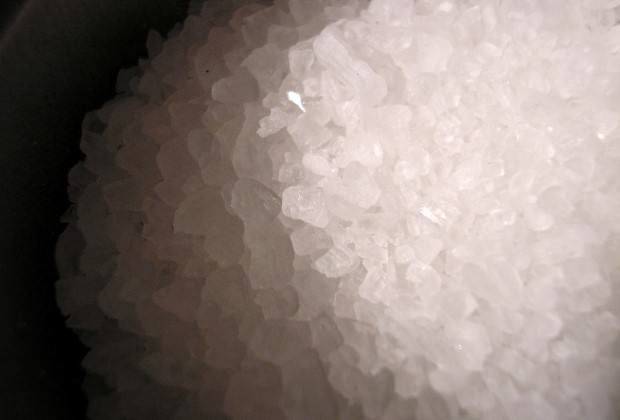
First, let's clear up a major point. Aquarium salt is not the same thing you sprinkle on your dinner. It is essentially pure sodium chloride (NaCl). It lacks the additives found in common table salt, such as iodine or anti-caking agents like yellow prussiate of soda, which can be harmful to your aquatic pets.
It's also completely different from marine salt used for saltwater aquariums. Marine salt is a complex blend of salts and minerals designed to replicate ocean water. Using marine salt in a freshwater tank would be a serious mistake. Think of aquarium salt as a simple, pure medication, while marine salt is a complete habitat creator. I remember a friend early in their hobby nearly using table salt, thinking "salt is salt." Luckily, we caught it in time. This simple mix-up could have been disastrous for their fish.
The Science Behind How Aquarium Salt Works
To understand why put aquarium salt in a freshwater tank, we need to talk about a little high school biology concept called osmosis. Fish are constantly working to maintain a balance between the water in their bodies and the water in the tank. Freshwater fish naturally have a higher salt concentration in their bodies than the water around them. This means water is constantly trying to enter their bodies.
Their gills and kidneys work hard to expel this excess water, a process called osmoregulation. When a fish is stressed, sick, or injured, this process uses up a lot of precious energy. Adding a small amount of aquarium salt to the water slightly increases the external salt concentration. This reduces the osmotic pressure, making it easier for the fish to breathe and maintain its internal balance. It's like giving a tired runner a helping hand up a hill; it lets them save energy for healing and recovery.
Key Benefits: When to Use Aquarium Salt
Aquarium salt is not something you should add to your tank with every water change as a permanent fixture. It is a tool to be used for specific situations. Using it correctly is the key to seeing its benefits without causing harm. Here are the primary reasons why you might put aquarium salt in a freshwater tank.
Stress Reduction and Slime Coat Enhancement
A fish's slime coat is its first line of defense against parasites and bacteria. When a fish is stressed from transport, bullying, or poor water quality, its slime coat can be compromised. Aquarium salt helps by stimulating the production of this protective layer. This creates a stronger barrier, making the fish less vulnerable to opportunistic infections.
Aiding Gill Function and Nitrite Poisoning
One of the most valuable uses for aquarium salt is during a "new tank syndrome" event where nitrite levels spike. Nitrite is toxic because it enters the fish's bloodstream and prevents red blood cells from carrying oxygen, a condition often called "brown blood disease." The chloride ions in aquarium salt compete with the nitrite for absorption through the gills, effectively protecting the fish from suffocation while you work to correct the water parameters.
Treating Common Parasitic Infections
Many common external parasites, like Ich (white spot disease) and some species of Flukes, cannot handle sudden changes in salinity. A salt treatment works by dehydrating the parasites through osmosis, killing them without the need for harsh chemicals. This is often used as a first-line treatment, especially for sensitive fish, before moving on to stronger medications.
Healing Minor Wounds and Fungal Infections
If a fish has a minor scrape, torn fin, or early-stage fungal growth, a dose of aquarium salt can help. Its mild antiseptic properties can prevent secondary bacterial infections from setting in, giving the fish a clean slate to heal naturally. It helps create a less hospitable environment for fungus and harmful bacteria on the fish's body.
The Right Way to Use Aquarium Salt: Dosage and Application
Knowing how to properly add salt is just as important as knowing why to put aquarium salt in a freshwater tank. Incorrect dosing can do more harm than good. Never, ever dump salt crystals directly into your tank, as this can cause burns to any fish that comes into contact with them.
General Tonic vs. Treatment Bath
The amount of salt you use depends on your goal. There are generally two levels of dosage:
- General Tonic and Stress Reducer: Use a lower dose of one rounded tablespoon for every 5 gallons of water. This is good for general stress, minor issues, or helping new fish acclimate.
- Disease Treatment: For more serious issues like Ich or fungal infections, a higher dose of one rounded tablespoon for every 2-3 gallons of water is more effective. This should ideally be done in a separate quarantine or hospital tank.
Step-by-Step Guide
- Calculate the correct amount of salt for your tank's volume. Remember to account for water displaced by gravel and decorations.
- Take a clean container and fill it with some of your aquarium water.
- Add the measured salt to this container and stir until it is completely dissolved. There should be no crystals left.
- Slowly pour the saltwater solution into your main tank, preferably in an area with high water flow like near the filter outlet. This helps it mix in evenly.
- Remember, salt does not evaporate. It is only removed from the tank through water changes. Once the treatment period is over, perform several partial water changes over the next week to gradually reduce the salinity.

Important Cautions: When NOT to Use Aquarium Salt
While aquarium salt is a useful tool, it is not a cure-all and can be harmful if used incorrectly. It's crucial to understand its limitations and potential dangers. The decision on why to put aquarium salt in a freshwater tank should always be made with these points in mind.
First, many live plants cannot tolerate salt. Even a low dose can cause them to wilt and die. If you have a heavily planted tank, it is much safer to treat sick fish in a separate hospital tank. Second, some fish are very sensitive to salt. This includes scaleless fish like Corydoras catfish, loaches, and certain species of tetras. Always research your specific fish species before adding any salt to their environment. Finally, salt is not a substitute for proper tank maintenance and good water quality. It's a temporary aid, not a permanent solution for an unhealthy aquarium.

Frequently Asked Questions of why put aquarium salt in a freshwater tank
Can I use regular table salt instead of aquarium salt?
No, you should never use table salt. It contains iodine and anti-caking agents that are toxic to fish and can disrupt their delicate biological systems. Always use salt specifically marketed for freshwater aquariums.
Does aquarium salt evaporate with the water?
Salt does not evaporate. When water evaporates from your tank, the salt remains behind, which can lead to a dangerous increase in salinity over time. It can only be removed by performing water changes.
Will aquarium salt harm my live plants?
Yes, most common freshwater plants are sensitive to salt and can be damaged or killed by it. If you have a planted tank, it is best to treat fish with salt in a separate quarantine tank to protect your plants.
How long should I treat my fish with aquarium salt?
A typical treatment period is about 10 to 14 days. During this time, monitor your fish closely for improvement. After the treatment, gradually remove the salt through a series of partial water changes.
Is it safe to use aquarium salt with all freshwater fish?
No, some fish are highly sensitive to salt, especially scaleless species like loaches and Corydoras catfish. Always research the salt tolerance of your specific fish before beginning any treatment.
Conclusion
Using aquarium salt in a freshwater tank is a classic, effective technique when applied correctly. It's not a magical cure, but a powerful supportive treatment that can reduce stress, fight off parasites, and help your fish heal. By understanding how it works and following the proper dosage, you can add another valuable tool to your fishkeeping arsenal. The key is to see it as a temporary medication, not a permanent additive.
Now that you know the reasons why to put aquarium salt in a freshwater tank, you can make an informed decision for the health of your aquatic pets. Have you used aquarium salt before? Share your experiences or ask any further questions in the comments below