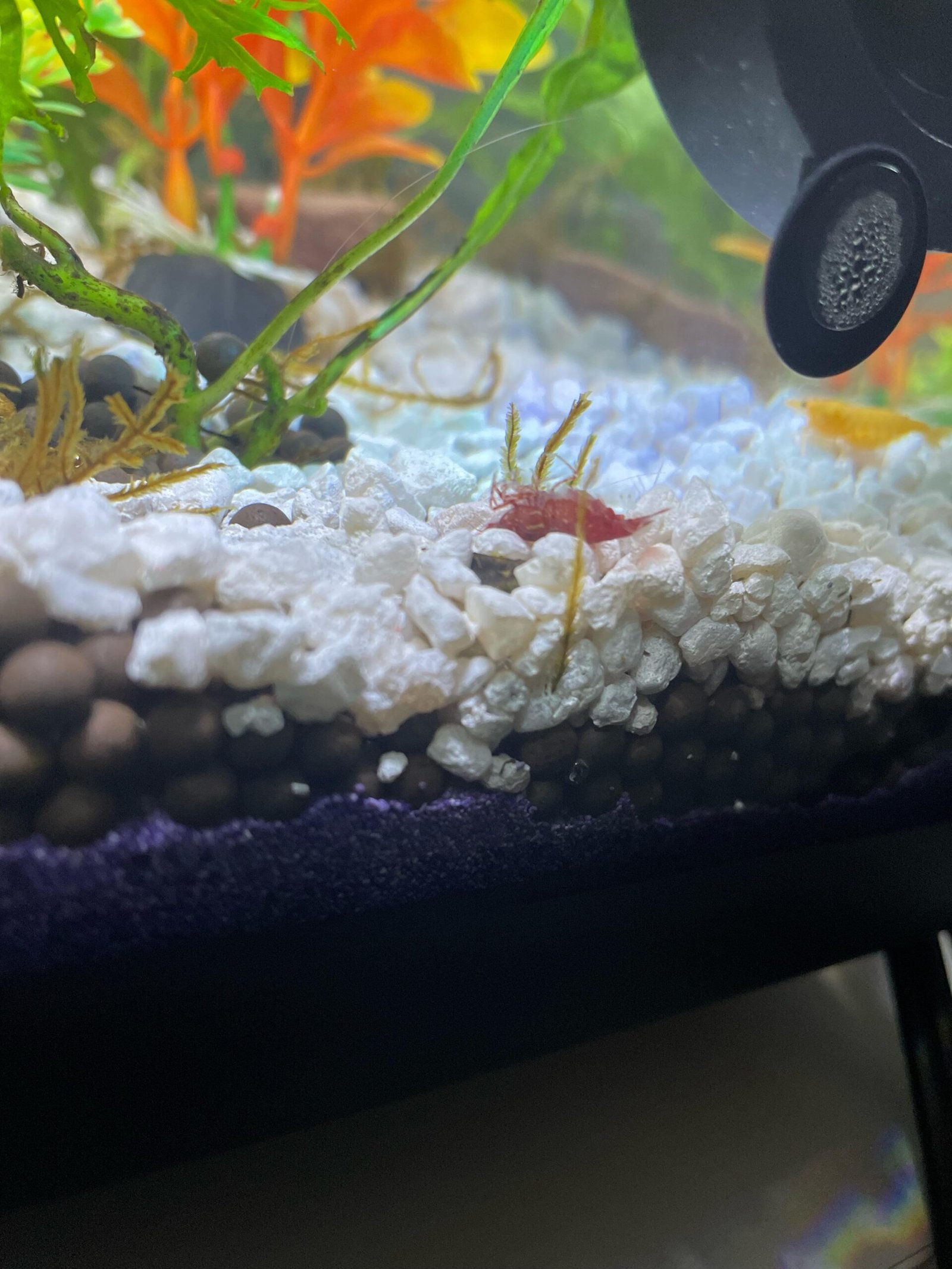
Most aquarium shrimp die from poor water quality, incorrect acclimation, or sudden changes in their environment.
It's a heartbreaking moment for any aquarist. You look into your beautiful, planted tank, expecting to see your tiny shrimp happily grazing, only to find one or more have passed away. I’ve been there, and I know the frustration and confusion that follows. You start asking yourself, "why shrimp died in aquarium?" In my years of keeping these delicate creatures, I've learned that shrimp are like tiny canaries in a coal mine; their health is a direct reflection of your tank's stability. This guide is here to walk you through the common culprits, drawing from both science and hard-won experience, so you can solve the mystery and create a thriving home for your shrimp.

The Silent Killers: Water Parameters Gone Wrong
The number one reason shrimp suddenly die is almost always related to the water. They are incredibly sensitive to their environment, and what might be a minor issue for a hardy fish can be a fatal problem for a shrimp. Understanding the invisible chemistry of your tank is the first step in figuring out why shrimp died in aquarium.
Ammonia, Nitrite, and Nitrate: The Usual Suspects
Think of the nitrogen cycle as your tank's life-support system. When fish or shrimp waste breaks down, it produces ammonia. Beneficial bacteria convert that toxic ammonia into nitrite, which is also highly toxic. A second set of bacteria then turns nitrite into nitrate, which is far less harmful and is removed through water changes. If your tank isn't fully cycled or something disrupts this process, ammonia or nitrite can spike. For a shrimp, even a tiny amount of ammonia (as low as 0.25 ppm) can be lethal. This is often a leading cause when a new shrimp died in aquarium setups.
pH, KH, and GH: The Trio of Stability
These three parameters work together to create a stable environment.
- pH measures how acidic or alkaline your water is. Shrimp prefer a stable pH, and sudden swings can cause immense stress.
- GH (General Hardness) measures the amount of calcium and magnesium in the water. These minerals are vital for a shrimp's exoskeleton, especially during molting.
- KH (Carbonate Hardness) acts as a buffer that prevents your pH from crashing. Low KH means your pH can swing wildly, which is a common reason why shrimp died in aquarium tanks that seem fine one day and not the next.
Temperature Swings: A Recipe for Stress
Shrimp are cold-blooded, so their metabolism is directly tied to the water temperature. They thrive in stability. A rapid change, even by a few degrees, can shock their system, weaken their immune response, and even trigger a fatal molt. Ensure your heater is reliable and the tank is not placed in a drafty area or in direct sunlight, which can cause temperature fluctuations.

Acclimation: The Make-or-Break Moment
You just brought home your new shrimp, and you're excited to add them to the tank. This next hour is one of the most critical periods in their life. Improper acclimation is a huge reason why new shrimp die within the first few days. The water in the bag from the store is chemically different from your tank's water, and a sudden change is a massive shock.
The Drip Acclimation Method Explained
This is the gold standard for introducing shrimp. It allows the shrimp to slowly and safely adjust to your tank’s water parameters.
- Place the shrimp and their bag water into a small, clean container.
- Use a piece of airline tubing to start a siphon from your aquarium to the container.
- Tie a loose knot in the tubing or use a valve to control the flow to a slow drip, about 1-2 drips per second.
- Let this process continue for at least an hour, or until the water volume in the container has doubled or tripled.
- Once done, gently net the shrimp out of the container and release them into your aquarium. Do not add the container water to your tank.
Common Acclimation Mistakes to Avoid
The biggest mistake is the "plop and drop" method, where you just dump the shrimp and their bag water into the tank. I learned this the hard way years ago and lost an entire group of beautiful crystal red shrimp. Rushing the process is another common error. The slower you go, the better their chances of survival. This careful process is your best defense against finding out why shrimp died in aquarium right after you got them.

Hidden Dangers Lurking in Your Tank
Sometimes, the cause of death is something you can't see or test for with a standard kit. These hidden toxins can wipe out a colony before you even know what’s happening. If your water parameters are perfect, it's time to investigate these other possibilities.
Copper: The Arch-Nemesis of Invertebrates
Copper is extremely toxic to all invertebrates, including shrimp. Even trace amounts can be fatal. It can be introduced into your tank from several sources: old copper pipes in your home, certain fish foods, and many fish medications designed to treat parasites like ich. Always use a water dechlorinator that also neutralizes heavy metals, and never use fish medication in a shrimp tank unless it is explicitly labeled as "invertebrate-safe."
Pesticides and Contaminants
This is a sneaky one. Have you recently added new plants? Many commercially grown aquatic plants are treated with pesticides to kill snails. These same chemicals are deadly to shrimp. It's crucial to quarantine and thoroughly rinse any new plants before adding them to your tank. Contaminants can also come from your own hands if you have lotion, soap, or cleaning product residue on them when you do tank maintenance.
Overfeeding and Under-cleaning
It's easy to overfeed these tiny creatures. Excess food that is left uneaten will rot, creating ammonia and fouling the water. This can lead to a bacterial bloom and a drop in oxygen levels. Only feed your shrimp an amount they can finish within an hour or two. A clean substrate and regular, small water changes are key to preventing the buildup that could explain why shrimp died in aquarium.

The Molting Process: A Shrimp's Most Vulnerable Time
For a shrimp to grow, it must shed its old exoskeleton and form a new, larger one. This process is called molting, and it's a period of extreme vulnerability. Many shrimp deaths are related to molting problems, which are almost always tied back to water parameters.
The "White Ring of Death"
This is a term shrimp keepers use for a failed molt. You might see a dead shrimp with a distinct white or clear ring around its "neck" area, where the head section (carapace) meets the tail. This happens when the shrimp is unable to break free from its old shell. The primary cause is often incorrect GH levels, meaning there aren't enough minerals like calcium and magnesium in the water for the shrimp to build a healthy new shell.
Creating a Molt-Friendly Environment
To help your shrimp molt successfully, you need stable water parameters, especially GH and KH. Ensure their diet is rich in minerals; you can supplement with specialized shrimp foods or add crushed coral or cuttlebone to your filter to slowly release calcium. Providing plenty of hiding spots like plants, wood, and caves gives them a safe place to hide while their new shell hardens, protecting them from potential predators during this fragile stage. This is a critical factor in preventing deaths and understanding why shrimp died in aquarium tanks.

Disease and Old Age: Less Common but Possible Causes
While water quality and molting issues are the most common culprits, disease or simply old age can sometimes be the reason. It’s important not to jump to this conclusion first, but it is a possibility.
Recognizing Common Shrimp Diseases
Healthy shrimp are active and constantly grazing. If you see shrimp that are lethargic, have strange growths, or look discolored, disease might be the issue. Fungal infections can look like fuzzy patches, while common parasites like Vorticella or Scutariella can appear as tiny white specks on the shrimp's body. These often take hold when shrimp are already stressed from poor water conditions.
The Natural Lifespan of a Shrimp
Sometimes, there's no mystery to solve. Most common dwarf shrimp, like Neocaridina (Cherry Shrimp) and Caridina (Crystal Shrimp), have a lifespan of about 1 to 2 years. If you have an established colony and you find an occasional dead shrimp that looks large and fully colored, it may have simply lived out its natural life.
Frequently Asked Questions of why shrimp died in aquarium
Why did my shrimp die overnight?
Sudden overnight deaths are usually caused by a rapid change in water parameters, like a temperature swing, a pH crash, or an ammonia spike from a piece of uneaten food. Another common cause is a failed molt, which can happen very quickly.
Can one dead shrimp kill others?
Yes, a dead shrimp should be removed immediately. As it decomposes, it will release ammonia into the water, which can quickly foul the tank and harm or kill the other shrimp, especially in a small aquarium.
Why are my shrimp dying after a water change?
This is a classic sign that the new water was too different from the tank water. The change in temperature, pH, or hardness could have caused a shock. Always make sure the new water is dechlorinated and matches the tank's temperature and parameters as closely as possible.
Do shrimp die easily?
Shrimp are more sensitive than most fish, especially to changes in water quality and chemistry. Once you provide a stable, clean, and mature environment, however, they can be quite hardy. The key to their survival is stability.
Why did my Amano shrimp die but not my fish?
Amano shrimp, like all invertebrates, are highly sensitive to things that might not affect fish, such as copper and other heavy metals. Medications used to treat fish can be lethal to them. They are also more sensitive to swings in pH and hardness than many common community fish.
Conclusion
Finding a dead shrimp is always discouraging, but it's also a learning opportunity. The mystery of why shrimp died in aquarium almost always leads back to the core principles of aquatic stability: clean water, stable parameters, and careful acclimation. By focusing on these fundamentals, you move from being a reactive keeper to a proactive one. Think of your shrimp not as fragile, but as honest messengers about the health of their tiny world.
Don't give up. Use this guide to check your parameters, review your routines, and make small, steady improvements. Before you know it, you'll be watching a thriving colony of happy, healthy shrimp, and the frustration you feel now will be replaced by the pride of creating a perfect miniature ecosystem. We’d love to hear about your experiences, so feel free to share your story or ask questions in the comments below