How to Change Aquarium Water Without Stressing Fish
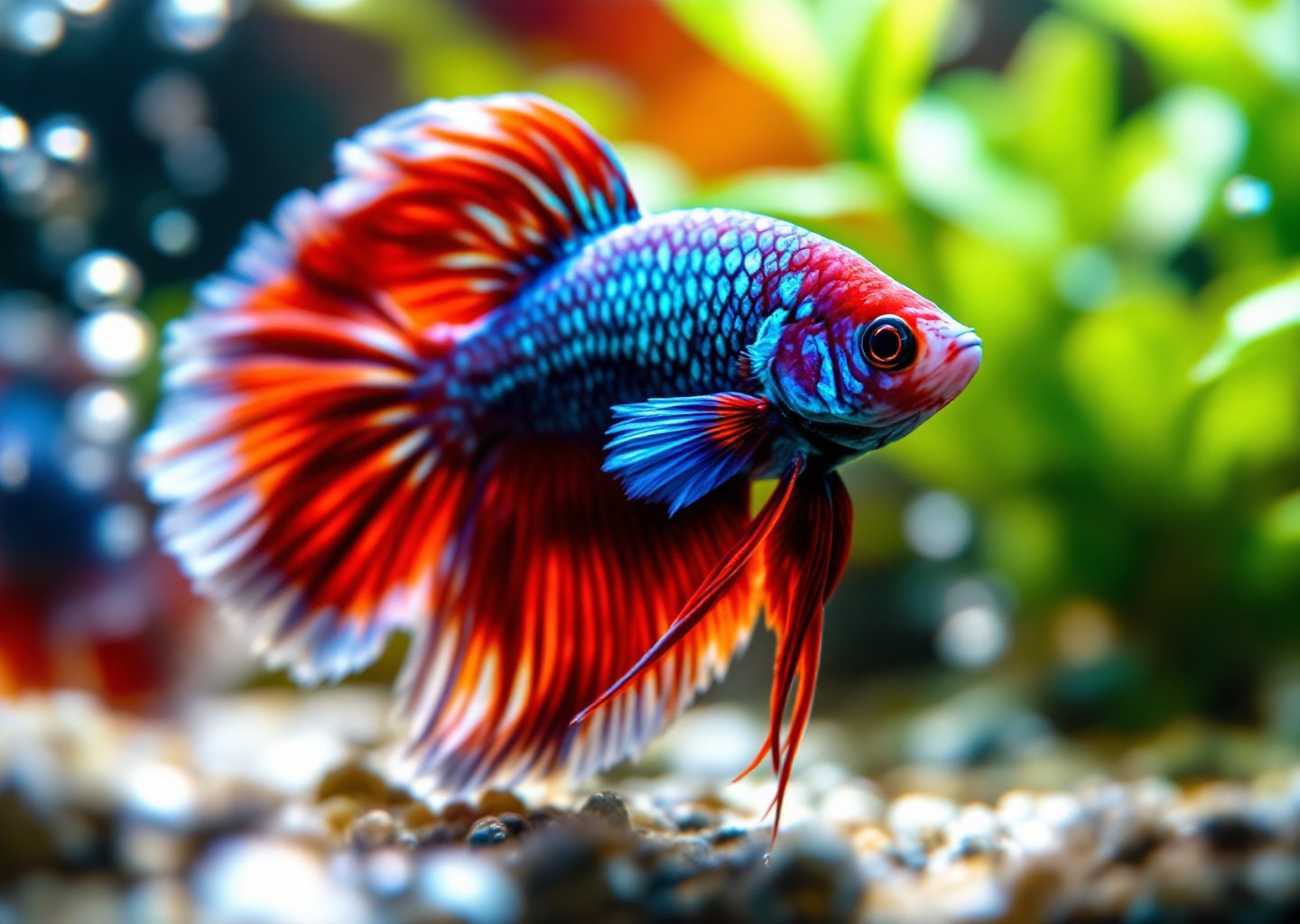
Fish gasping after a water change always feels like a punch to the gut. My first betta, Gerald, looked like he’d run a marathon when I’d just given him what I thought was fresh, healthy water. That memory still sticks with me. Here’s the surprising truth about how to change aquarium water without stressing fish: the water change itself usually isn’t the real problem. The stress comes from what you can’t see.
Water changes get blamed for fish deaths way too often. Timing makes them look guilty, but the actual culprits hide in the details. Temperature swings, chemical differences, or big pH jumps can turn a routine water change into something your fish can’t handle. Once I understood that, everything in my tanks, from shrimp to neon tetras, became dramatically calmer after maintenance.
Ever Googled “fish dying after water change what to do” at 11 PM? You’re in the right place. By the end of this guide, you’ll understand the invisible stressors most tutorials ignore, and you’ll have a practical, apartment-friendly method for safe, calm water changes. Think of this as a fish tank water change step-by-step guide written by someone who’s messed up enough times to save you the trouble.
Why Your Fish Are Gasping After Water Changes
Look, fish don’t freak out because water was removed. They freak out because the new water doesn’t match what they were living in. When people panic about fish gasping after water change causes, it almost always comes back to a sudden shift in their environment. That shift can be tiny to us but gigantic to something that breathes through delicate gills.
Fish can handle water changes beautifully when the replacement water matches their existing conditions. When it doesn’t, the stress shows up fast: gasping, glass surfing, clamped fins, frantic darting. It’s not the change. It’s the shock.
The 3 Invisible Killers: Temperature Shock, Chemical Burns, and pH Crashes Explained
These three problems cause the vast majority of “my fish died after a water change” stories. I’ve seen all three happen in my own tanks, usually when I got lazy or rushed. They sneak in quietly, which is why so many beginners think they didn’t do anything wrong.
Temperature Shock
Cold tap water looks innocent, but it can hit fish like jumping into a glacier. Temperature shock fish water change prevention starts with simply matching the water. Your fingers can’t judge temperature accurately, so use a thermometer. My nano tanks are small, and even a few degrees off can flip my fish into panic mode.
Chemical Burns
Tap water usually contains chlorine or chloramine. Both can damage gills within minutes of exposure, and at typical tap water concentrations, fish can die within hours without treatment. Ever seen fish acting like they can’t breathe right after a refill? That might be chemical irritation. Dechlorinator is your best friend, and you should add it before the water enters the tank. Not after.
pH Crashes
When your water source has a very different pH from your tank, big water changes can cause sudden swings. And yes, fish hate surprises. My Portland tap water is soft and drifts acidic, so doing too large a change in my planted tanks swings the pH enough to bother my more sensitive species.
Partial vs. Full Water Changes: Why Less Is Actually More for Fish Health
People sometimes assume bigger is better, but full water changes can shock an aquarium’s chemistry. When debating partial water change vs. full water change aquarium practices, here’s my take.
Full water changes should almost never happen unless you’re dealing with a tank crash, a major medication reset, or some emergency. Even then, I’d think twice.
Partial changes, on the other hand, keep everything stable and predictable. Beneficial bacteria stay undisturbed, the chemistry shifts slowly, and the fish feel like they’re still at home.
So how much water should you change in a fish tank weekly? Most healthy tanks do great with 20 to 40 percent. My own nano setups get 30 percent each week, sometimes 15 percent when I’m busy or they’ve been extra stable.
The Stress-Free Water Change Method: Step-by-Step for Beginners
This is the method I teach friends who live in apartments and fear water changes like they’re performing surgery.
Step 1: Prepare the Replacement Water
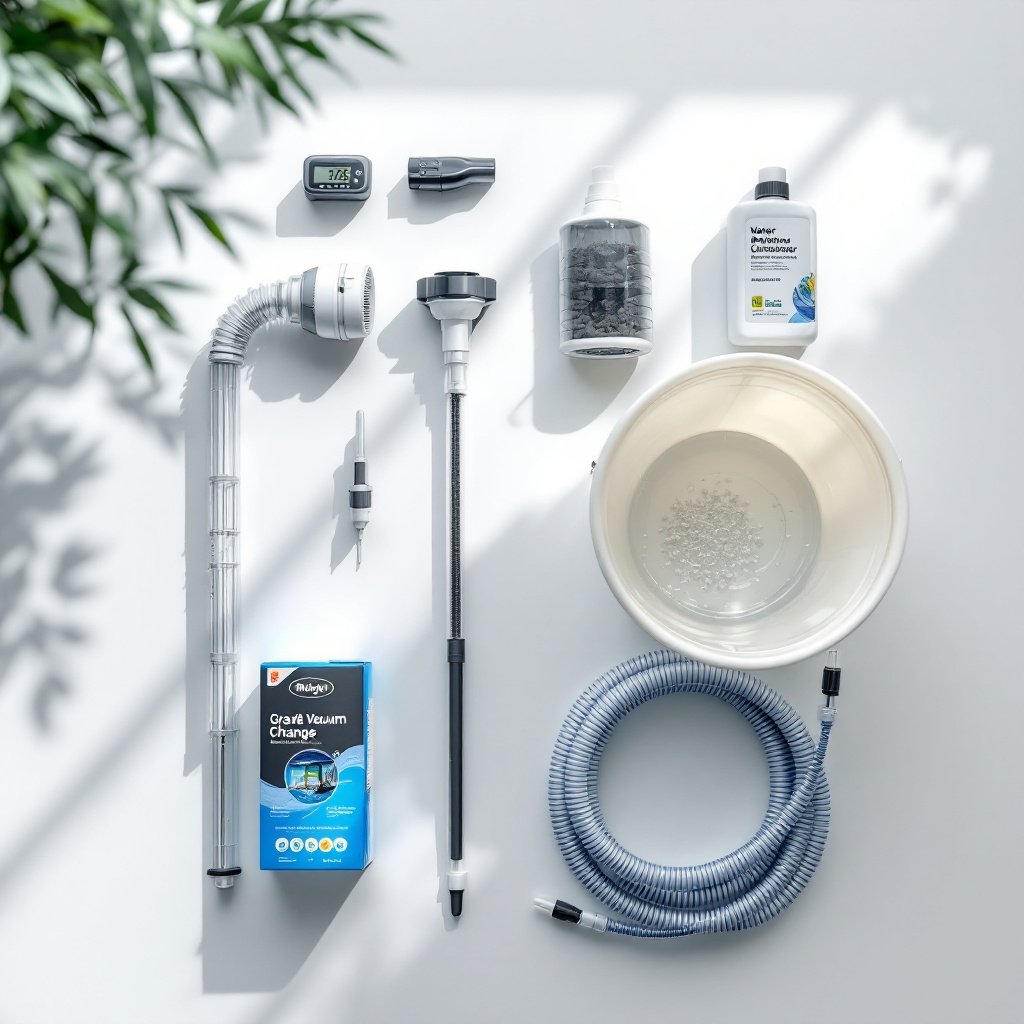
Fill a bucket and add dechlorinator immediately. Match the temperature using hot and cold tap water, then confirm with a thermometer. Want to know how to match aquarium water temperature accurately? Aim to get within 1 to 2 degrees.
Step 2: Unplug Heaters and Filters
Heaters exposed to air can crack, and filters can run dry. Made this mistake once and spent an entire evening cleaning up splattered plastic. Learn from my pain.
Step 3: Use a Gravel Vacuum
The gravel vacuum technique for beginners is simple. Start the siphon, plant the vacuum tube in the substrate, and gently stir pockets of debris. Move slowly so you don’t uproot plants. As a designer, I love a tidy substrate, but the goal is balance, not sterile sand.
Step 4: Remove Your Chosen Percentage
Stick to the target range you decided earlier. Small weekly changes always beat occasional giant ones.
Step 5: Replace Water Slowly
Pouring new water in like you’re filling a bathtub will freak everything out. Use a small container or a slow pour. The quieter the refill, the happier the fish.
Step 6: Restart Equipment
Plug everything back in, check the heater light, and watch your fish for a minute or two. They should settle quickly.
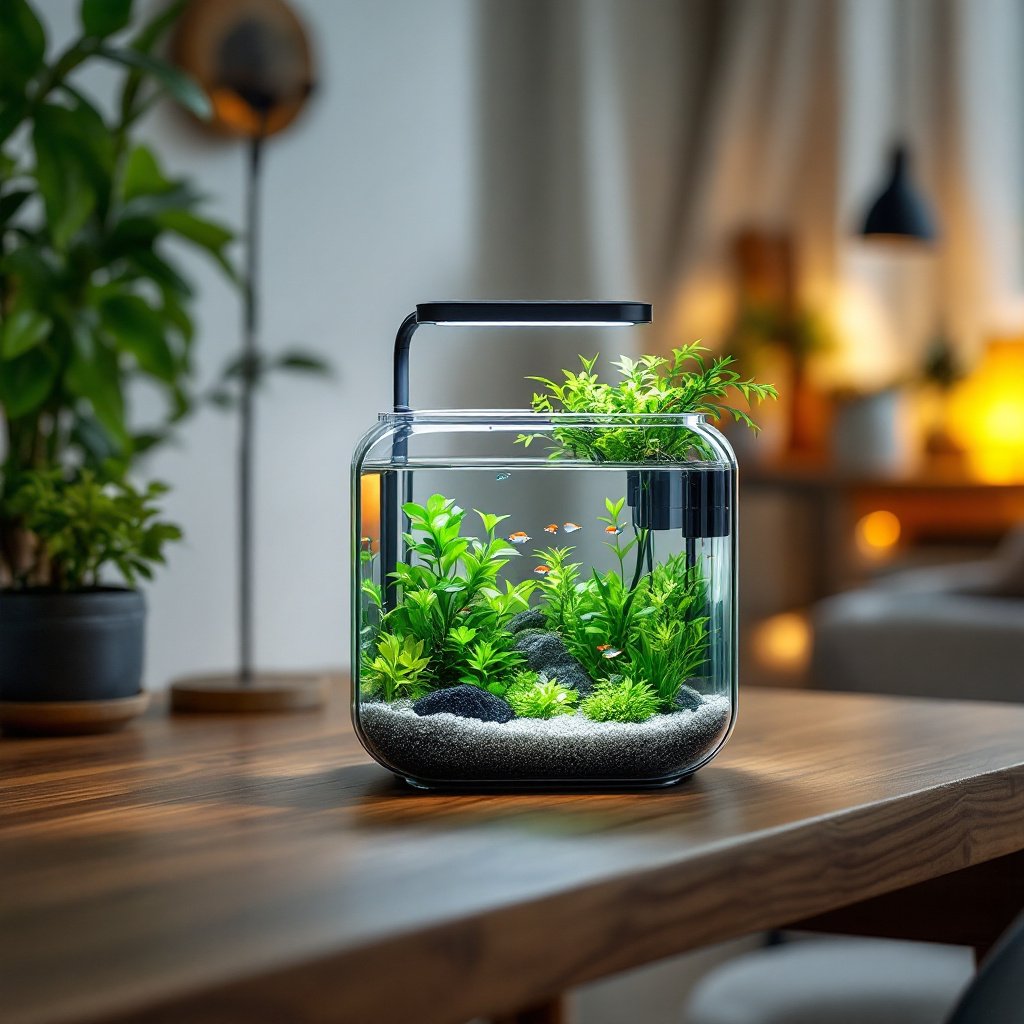
This is the best way to do a water change without killing fish. Once you nail it, maintenance feels almost relaxing.
Mastering the Slow Drip Technique and Temperature Matching
Keep sensitive species like shrimp, rasboras, or fancy guppies? The slow drip water change method tutorial is worth learning.
Here’s how I do it in my own apartment:
- Place the bucket of treated, temperature-matched water above your tank.
- Use airline tubing as a siphon.
- Tie a loose knot or add a valve to control the drip speed.
- Adjust until the water drips at a steady, gentle rhythm.
Your tank slowly rises back to its normal level with almost zero disturbance. Fish barely react. I like using this for my aquascaped tanks where I don’t want to blast plants with a sudden waterfall.
Temperature matching matters just as much. Even a two-degree jump can stress smaller fish. My rule is to match the temperature as closely as possible before starting the drip. It’s quick, easy, and prevents 90 percent of the issues beginners worry about.
Emergency Response: What to Do When Fish Show Stress Signs Mid-Change
Fish looking distressed during or right after a water change? Don’t panic. You can fix the situation fast.
Watch for:
- Gasping at the surface
- Erratic swimming
- Clamped fins
- Sudden hiding or freezing in place
Here’s what I do:
- Stop adding new water immediately.
- Add extra dechlorinator, especially when you suspect chlorine.
- Recheck the temperature. Correct slowly when it’s off.
- Increase surface agitation with an airstone or by raising the filter output.
- Tank overfilled with cold water? Remove a small amount and replace with warmer, treated water.
Entire tanks have been saved this way. Fish are tougher than they seem, as long as you correct the problem quickly and gently.
A calm, smooth water change routine starts with understanding what really stresses fish. Temperature swings, chemical irritation, and sudden pH shifts cause the problems, not the act of changing water itself. Once you know how to change aquarium water without stressing fish, maintenance becomes predictable and painless.
Here’s your weekly checklist:
- Treat water before it enters the tank.
- Match temperature within a couple of degrees.
- Stick to partial changes, usually 20 to 40 percent.
- Pour or drip new water slowly.
- Watch fish afterward for any unusual behavior.
And sometimes you can break the rules. When a tank crashes or a fish gets into something toxic, a large emergency change might save lives. Combine a big change with perfect temperature matching and heavy dechlorination when that happens.
My fish used to dread water change day. Now Gerald’s successors barely look up from their bloodworm hunt when maintenance starts. With practice, water changes stop feeling scary and start feeling like one more way to care for the tiny world you built.