How to Tell If Your Aquarium Filter Is Broken (Before You Lose Fish Like I Did)
I used to think a filter was either running or dead. On or off, like a light switch. Turns out I was very wrong. A running filter can still be failing in ways that slowly poison your tank, and I learned that the hard way. If you’re trying to figure out how to tell if your aquarium filter is broken, you’re already ahead of where I was the week I lost two cherry barbs because I kept insisting the filter was “fine.”
This article is part confession, part guide. I want to walk you through the warning signs I missed and the practical steps I use now when checking my tanks. If you’re staring at your water wondering what’s normal or whether you should worry, you’ll get clarity here.
I’ll cover the early symptoms, the mechanical checks, that confusing middle stage when everything looks okay but your water chemistry says otherwise, and how to decide when to replace fish tank filter units that aren’t pulling their weight anymore.
The Silent Killer: Why a Running Filter Doesn’t Mean a Working Filter
My old 10-gallon rimless tank was the scene of this particular disaster. The hang-on-back filter was humming along. Water moving, little waterfall sound, everything appeared normal. And because it was still making noise, I assumed it was still doing its job.
Except flow had dropped by maybe 40 percent. I didn’t notice because the decline happened so gradually. The bacteria inside started starving, and my ammonia crept up. All subtle at first.
Most aquarium filter problems start long before the filter actually stops running. A motor can spin even while the impeller struggles, the intake gets clogged, or the media stops allowing proper water flow. A filter can be alive only in the technical sense. Sounds dramatic, but it’s true.
And if you live in a small apartment like I do, you get used to the background hum of your tanks. You stop noticing when something sounds slightly off. Sound familiar?
Early Warning Signs: Reduced Flow, Strange Noises, and What They Really Mean
If you search “how to tell if aquarium filter is broken,” most people talk about the obvious signs, like a dead motor. But the early signs? Much subtler.
What I personally missed:
Reduced flow
– The waterfall looked thinner
– My plants waved less
– Detritus started settling where it used to get pulled in
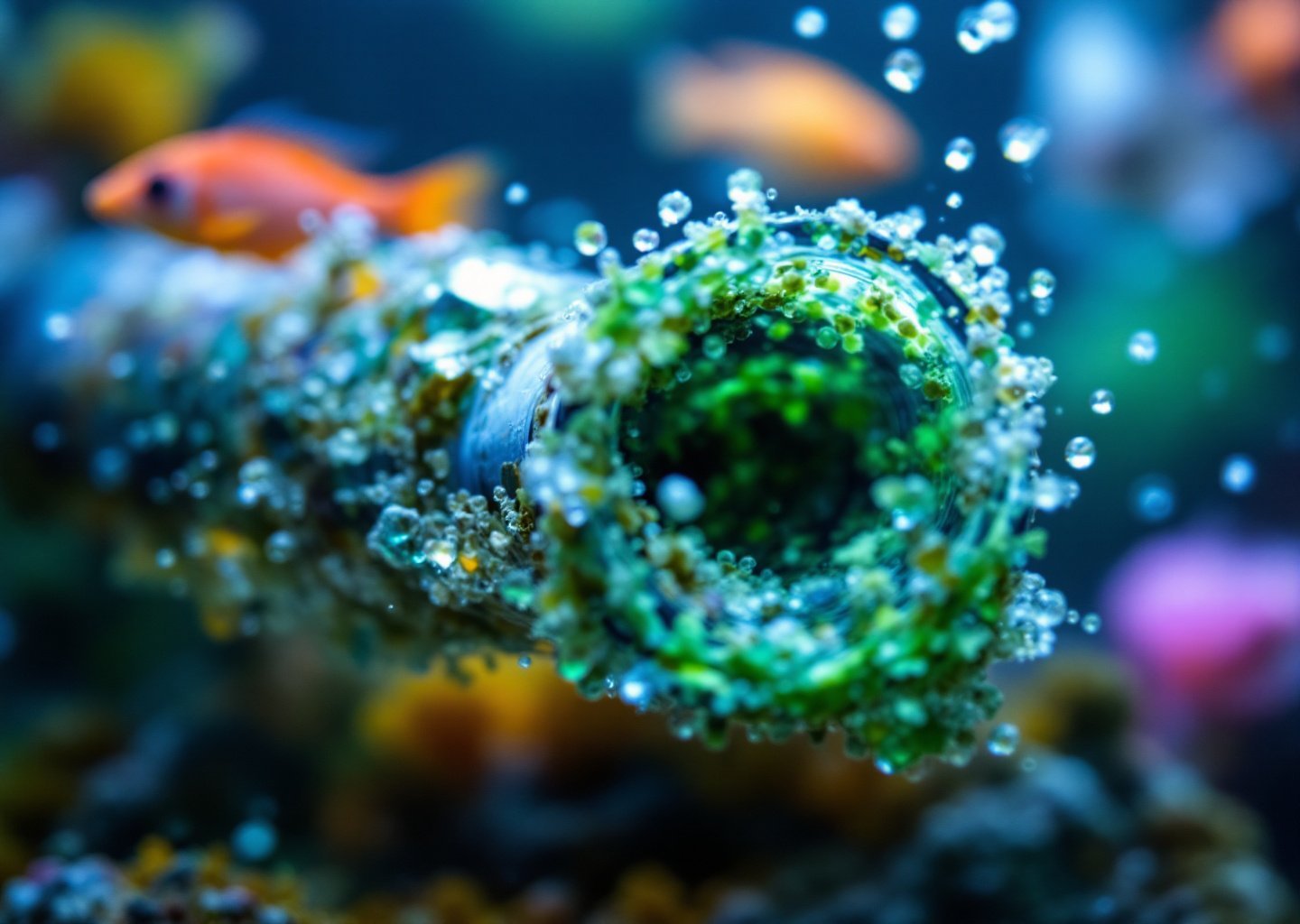
These symptoms of a dirty or clogged aquarium filter usually show up long before total failure. Reduced flow means bacteria aren’t getting oxygen. That alone can destabilize a tank.
Grinding or rattling
I used to think this meant maybe a pebble got inside. For me, it was the impeller grinding because the bushing had worn down. That’s one of the classic signs your aquarium filter needs replacing, and I ignored it for two weeks. Two weeks!
Random surges or pauses
Water shooting out stronger for a second, then weak again. Classic sign of an intake clog or a motor struggling.
Microbubbles that never stop
Sponge filters naturally bubble, but HOB and canister filters shouldn’t create a constant stream of tiny bubbles. That usually means air is trapped inside the filter chamber.
These small clues matter. They hint that your aquarium filter isn’t working properly, even if it still “runs.”
The Cloudy Water Mystery: Diagnosing Problems When Your Filter Seems Fine
Okay, this part drove me wild. I had cloudy water with the filter running, and every forum told me it was a “bacterial bloom.” Sure, that’s sometimes true. But nobody mentioned that bacterial blooms often happen because your filtration is slipping.
My water shifted from crystal clear to a faint haze. Just enough to annoy me, not enough to panic. I convinced myself it was normal. Meanwhile, ammonia was rising. Slowly and quietly while I blamed everything else.
When your water gets cloudy and you swear your filter’s working, ask yourself:
- Has the flow changed from what it used to be?
- Does the output seem weaker? Is surface agitation less aggressive?
- Is debris collecting faster than usual?
- Could your pre-filter sponge be dirty enough to choke?
Cloudy water is often the symptom, not the cause. Your filter might be in the early stages of failing, and this is your nudge to investigate.
Physical Inspection Checklist: What to Look for Inside Your Filter
This is the part I did too late. Now I do it every Sunday morning with coffee in hand. Honestly, it’s become kind of meditative.
What I actually check:
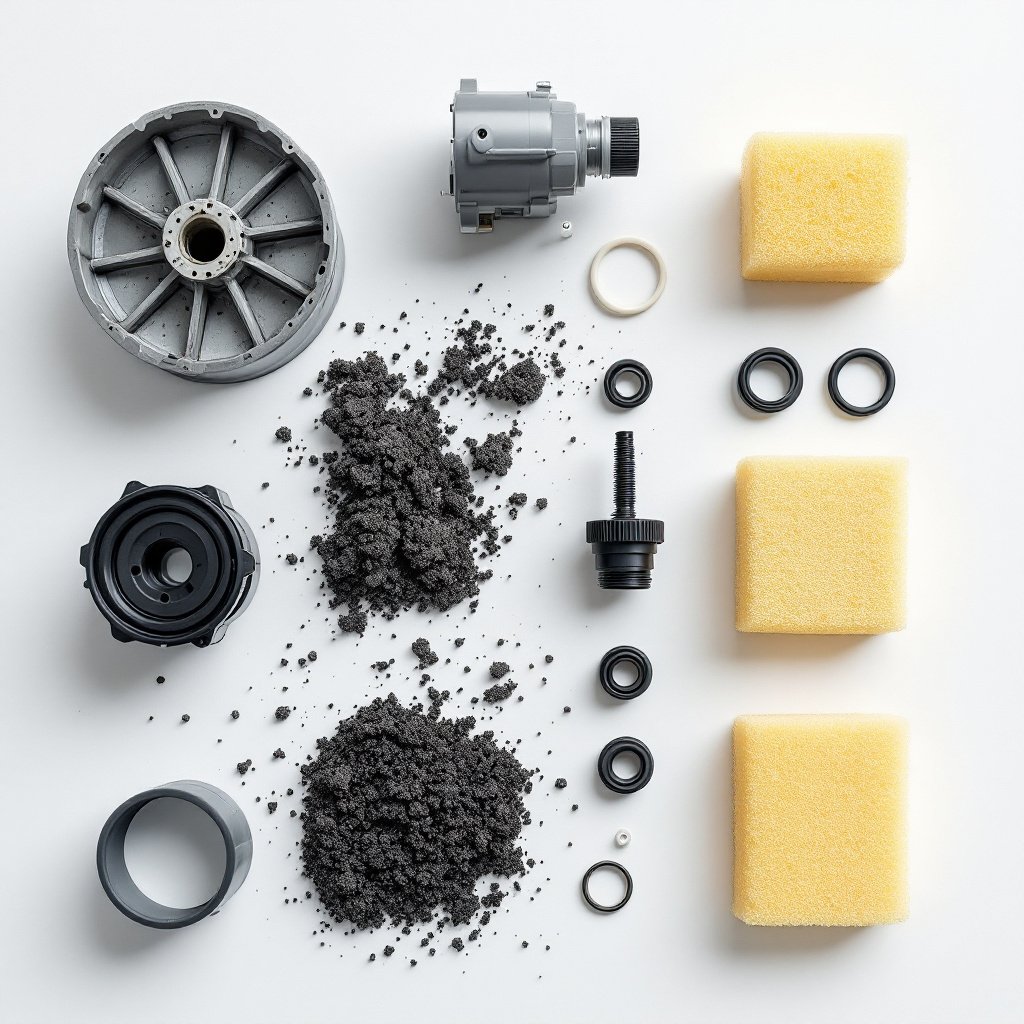
1. Intake tube
– Look for a film of mulm
– Check for trapped plant leaves, especially if you keep stem plants like I do
– See if snails are blocking part of the tube
2. Impeller
– Does it spin freely when you flick it gently?
– Any cracks?
– Any white dust that might indicate wear?
A worn impeller will cause inconsistent flow, vibration, and grinding noises.
3. Filter media
– Mechanical media: rinsed or clogged?
– Biological media: still porous or coated in sludge?
– Chemical media: expired or channeling water around it?
4. O-rings and seals
Cracked or stiff ones mean air leaks in canister filters.
5. Motor housing
Any burn smell means stop running the filter immediately. Don’t mess around with this one.
Running through this quick inspection can prevent so many aquarium filter problems. And it matters even more if you run small tanks like my favorite 5-gallon shrimp setups, because there’s just no room for error.
Filter Type Breakdown: Lifespan Expectations for HOB, Canister, and Sponge Filters
Your fish tank filter lifespan depends heavily on type, maintenance, and brand. What I’ve seen in my own tanks and in the tanks of other hobbyists I help:
Hang-on-back (HOB) filters
- Average lifespan: 2 to 5 years
- Weak points: impeller bushings, motor burnout, intake cracks
- Good for beginners, but easy to neglect
Canister filters
- Average lifespan: 5 to 10 years
- Weak points: O-rings, hoses, impeller magnets
- Great flow and capacity if maintained properly
Sponge filters
- Average lifespan: practically forever
- Weak points: the sponge eventually degrades
- Air pump is usually the first thing to fail
Even if a filter lasts many years, parts wear out sooner. That’s when you start seeing signs your fish tank filter is failing.
The Repair vs. Replace Decision: An Honest Cost-Benefit Framework
I used to replace filters way too quickly because I assumed repairs were complicated. Then I learned how cheap replacement parts actually are.
My decision process now:
Repair it if:
– The issue is a clogged intake
– The impeller costs under $15
– The sponge media is falling apart
– The motor still runs and sounds normal
Replace it if:
– The motor smells burned
– There are cracks in the housing
– Parts cost more than half the price of a new unit
– It vibrates so much you can feel it across the room
– You can’t restore normal flow even after cleaning
When you’re dealing with an aquarium filter not pumping water at all, you might be able to fix it with a full teardown and cleaning. But if the motor’s dead, replacing is almost always worth it.
When someone asks me what to do when their aquarium filter stops working completely, my answer is usually: start by checking the impeller and intake. Half the time, the fix is free.
Final Thoughts: My Weekly “Don’t Kill Your Fish” Routine
Look, losing fish because of a failing filter hurt more than I expected. It felt preventable, because it was. Now I stick to a simple weekly routine that’s saved me so many headaches.
My 5-minute checklist:
- Put a hand in the flow to feel if it’s weaker
- Check the water for haze or debris buildup
- Listen for new noises from the motor
- Peek inside the intake to spot clogs
- Squeeze out sponge media in tank water
- Make sure nothing smells burnt
Follow even half of this, and you’ll never wonder how to tell if your aquarium filter is broken. You’ll catch issues early, long before they hurt your fish.
After you’ve got filtration sorted, the nitrogen cycle article covers what happens inside that filter media and why it matters so much. And if you’re thinking about scaling down, the beginner-friendly nano tank setup guide pairs well with this topic. Both might save you from repeating my mistakes.