
Surface film forms from biofilm, oils, dust, and low surface movement.
If you've asked "why is there a film on my aquarium water", you want a clear, practical answer fast. I have kept tanks for years, worked with both fresh and salt systems, and studied water quality. This guide explains why that thin layer appears, how it forms, whether it harms your fish, and exactly what to do to remove and prevent it. Read on for step‑by‑step fixes you can use today.

Why is there a film on my aquarium water? Common causes and quick diagnosis
A surface film forms when organic matter and microbes collect at the air‑water interface. Think of oils, dust, leftover food, decaying plant bits, and bacterial biofilm all sticking together. When water movement at the surface is low, these materials stay put and spread into a thin skin.
Common causes
- Overfeeding that leaves tiny food particles that break down at the surface.
- Oils from hands, plant treatments, or aerosols that float and spread.
- Dust or airborne pollen landing on the tank.
- Dead or decaying plant matter and algae fragments.
- Bacterial and fungal biofilm growth common in new or low‑circulation tanks.
- Gentle filtration that does not agitate the surface or create surface skim.
- Stocking with organisms that produce surface films, such as some shrimp and snails.
How to quickly check
- Run your finger across the surface. If it feels slick, that is biofilm or oil.
- Look at water flow near the top. Still water means film will form fast.
- Smell the tank lightly. A musty odor often accompanies a heavy biofilm.
Why is there a film on my aquarium water appears most often in low‑flow, high‑organics setups. Fixing flow and organic load fixes it fast.
What exactly is the film on aquarium water?
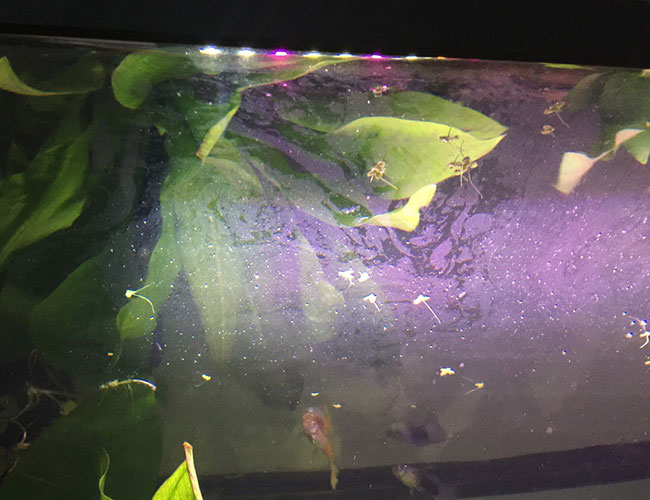
The film is usually a mix of microbes, proteins, lipids, and tiny particles. Microbes, mainly bacteria and sometimes fungi, create a sticky matrix called biofilm. Oils and fats from hands, food, or plant treatments layer on top and trap dust and pollen. The result is a thin, often translucent sheet.
Key features
- Slimy texture and sometimes cloudy shine.
- Can appear as patches, strings, or a continuous layer.
- Often forms on calm surfaces like corners and behind decorations.
- It may thicken into visible clumps or drape over hardscape.
Saltwater vs freshwater
- In saltwater, protein skimmate and organic films are common and can be tackled with skimmers or protein‑skimming filters.
- In freshwater, films are usually bacterial or oil based and respond well to surface agitation and skimmers designed for freshwater.
Knowing what makes the film helps you pick the right removal method.
Is the film harmful to fish and plants?
Short answer: usually not immediately dangerous, but it can cause problems over time. A surface film reduces gas exchange at the water surface. Low oxygen exchange stresses fish and especially affects surface‑breathing species like bettas and labyrinth fish.
Potential impacts
- Reduced oxygen levels, more so in heavily stocked tanks.
- Stress on surface feeders and breathers.
- Trapped debris can fuel ammonia spikes if it breaks down.
- Aesthetic issue and nuisance for hobbyists.
In most healthy tanks, occasional film is more annoying than deadly. Persistent film signals an imbalance you should correct to avoid long‑term stress and water quality decline.
How to remove film from aquarium water — step‑by‑step
Use a mix of manual and mechanical methods. Start simple and increase intervention if needed.
Immediate manual fixes
- Use a paper towel or clean kitchen sponge to skim the surface. Drag it slowly across and replace often.
- Use a siphon or turkey baster to pull off patches in hard‑to‑reach areas.
- Skim with a small net held just under the surface to gather the film.
Mechanical and equipment fixes
- Add a surface skimmer attachment to your filter or a dedicated surface skimmer device for larger tanks.
- Increase surface agitation with a powerhead or by redirecting filter outflow toward the surface.
- Install a hang‑on‑back (HOB) filter with a weir that promotes skimming action.
- Consider a protein skimmer for marine aquaria or heavily stocked freshwater systems.
Chemical and media options
- Use activated carbon to remove dissolved organics, which reduces film formation.
- Replace cloudy filter media; dirty media can leach organics back into water.
- Be cautious with chemical cleaners—many are toxic to fish. Only use aquarium‑safe products.
Practical routine
- Manually skim each day until the film is gone.
- Increase surface flow and run the skimmer continuously.
- Perform a partial water change to cut organics if the film is persistent.
- Clean filter media and decorations to remove trapped debris.
If you try these and the film returns rapidly, diagnose feeding and stocking levels next.
:strip_icc()/foam-on-aquarium-water-1381213-PSD-GIF-V3-55398aa7240b4d8391d2d607ee8bf3b5.jpg)
How to prevent film on aquarium water long‑term
Prevention focuses on lowering organics and improving surface movement. These steps reduce the chance that the film forms at all.
Daily and weekly habits
- Feed less. Offer only what fish eat in 1–2 minutes.
- Remove uneaten food promptly.
- Rinse hands before working in the tank, and avoid lotions or oils near your aquarium.
- Trim decaying plants and remove debris during water changes.
Equipment and setup
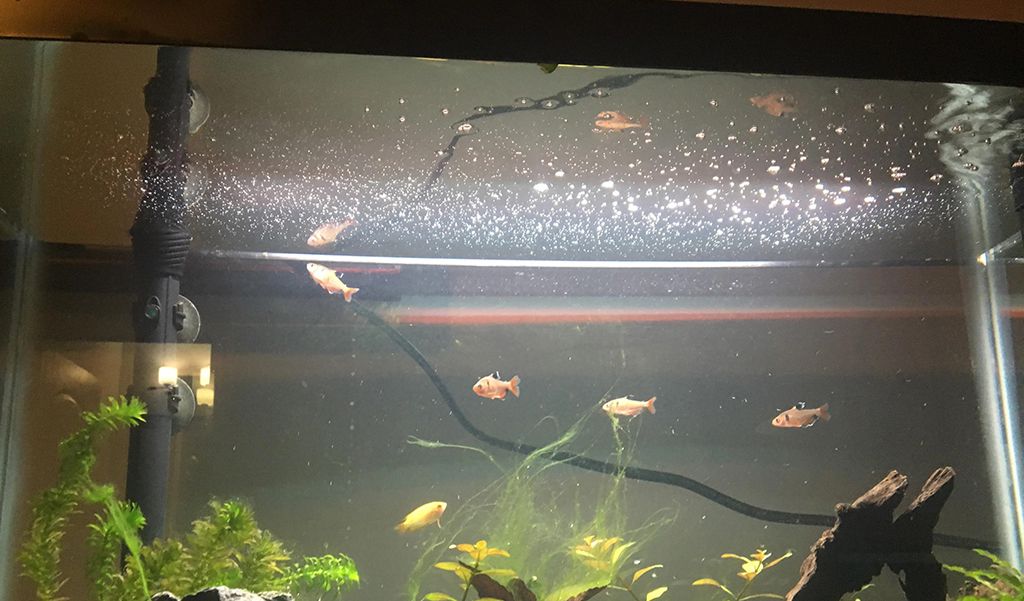
- Use a filter setup that creates good surface flow. Aim for gentle ripples across the top.
- Add powerheads or circulation pumps if the surface is still.
- Use a surface skimmer or a filter with a weir to pull off floating debris.
- Keep activated carbon in the filter to capture dissolved organics.
Water quality practices
- Do weekly partial water changes of 10–25% depending on bio load.
- Test ammonia, nitrite, nitrate. High nitrates suggest excess organics that feed film growth.
- Maintain a balanced biofilter to handle waste breakdown.
Prevention is cheaper and faster than constant manual removal. Little changes in flow and feeding make a big difference.

Maintenance schedule to keep your aquarium film‑free
A simple, repeatable routine removes most causes before they start. Keep tasks short and regular.
Daily
- Check for uneaten food and remove it.
- Glance at the surface; skim visible film.
Weekly
- Do a partial water change of 10–25%.
- Clean filter intake sponges and rinse mechanical media in tank water.
- Vacuum the substrate lightly to remove settled organics.
Monthly
- Deep clean decorations and remove algae buildup.
- Replace or clean filter cartridges according to manufacturer guidelines.
- Inspect circulation equipment and reposition flow if needed.
Seasonal or quarterly
- Replace old media like activated carbon and resins.
- Evaluate stocking levels and plant health.
- Consider introducing or upgrading a surface skimmer or powerhead.
A consistent schedule keeps the tank stable. Most hobbyists find that 10 minutes a day and 30–60 minutes a week prevents most films.
Frequently Asked Questions of why is there a film on my aquarium water
Why is there a film on my aquarium water suddenly after a water change?
A sudden film after a water change often comes from dissolved organics released during cleaning or from new water containing oils or particles. Ensure replacement water is dechlorinated and free of detergents, and agitate the surface after changes.
Can fish get sick from the surface film on aquarium water?
The film itself rarely causes disease, but it can lower oxygen exchange and stress fish, which increases disease risk. Fixing surface flow and removing the film reduces that stress quickly.
Will adding an air stone remove the film on my aquarium water?
An air stone increases circulation and oxygen but may not break a surface film effectively if flow is weak. Combine an air stone with surface agitation or a skimmer for best results.
Is biofilm the same as the film on my aquarium water?
Often yes. Biofilm is a layer of microbes and sticky substances that form a film. However, the film can also include oils and dust that are not microbial.
How often should I skim the surface to prevent film on my aquarium water?
Skim daily when film is present and maintain good surface flow to avoid daily skimming long term. Once flow and feeding are corrected, occasional checks are enough.
Can salt in the water prevent the film on my aquarium water?
Salt can change microbial activity but is not a reliable prevention method for freshwater tanks. In marine tanks, protein skimmers are the effective tool, not just salt levels.
Conclusion
A surface film is common and usually easy to fix. Most cases of why is there a film on my aquarium water come from low surface flow, excess organics, or oils. Start by skimming manually, boost surface agitation, and cut feeding. Keep a short maintenance routine and check water parameters regularly to stop the problem at the source. Try one change at a time, track results, and you’ll clear the film quickly. If this helped, try the suggested fixes, subscribe for more aquarium tips, or leave a comment with your tank details so I can help further.