Salt is added to freshwater aquariums to reduce fish stress, treat parasites, and improve gill function.
When I first started in the fishkeeping hobby, the idea of adding salt to a freshwater tank seemed completely backward. Isn't that what saltwater tanks are for? I was skeptical, to say the least. But after years of experience and seeing its benefits firsthand, I've learned that aquarium salt is one of the most useful and misunderstood tools available to us. Understanding why put salt in freshwater aquarium setups, and more importantly, how to do it correctly, can be a game-changer for your fish's health and your peace of mind.
:strip_icc()/4643870338_20384e2e2d_b-5920892e5f9b58f4c0ed1a35.jpg)
What Kind of Salt Should You Use?
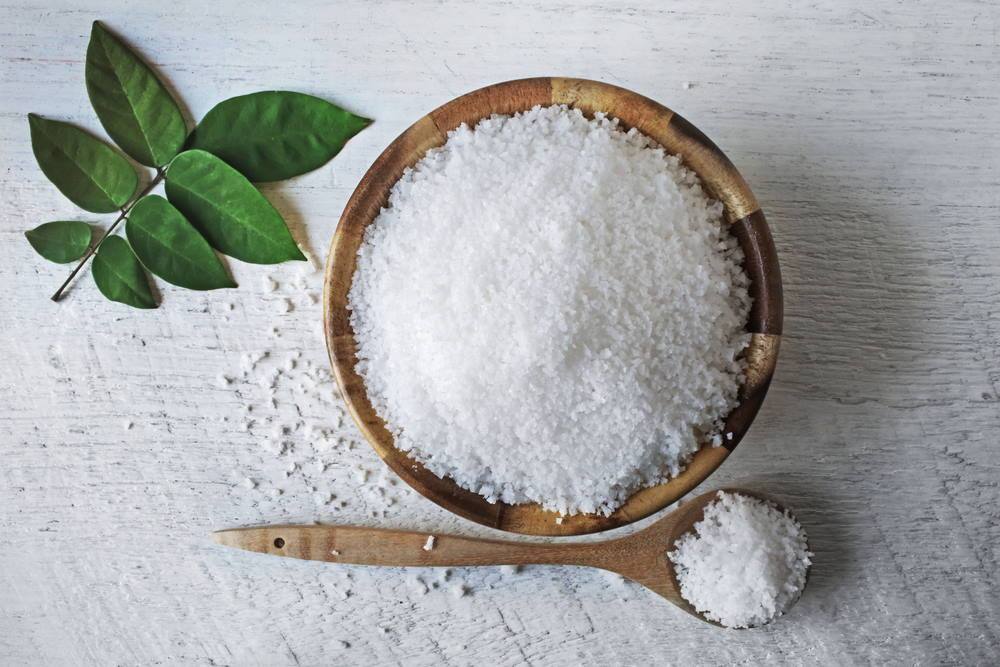
Before we dive into the benefits, let's clear up a huge point of confusion. The salt we're talking about is not the kind you find in your kitchen shaker. Using table salt can be dangerous for your fish because it often contains iodine and anti-caking agents that are toxic to aquatic life.
You should only ever use salt specifically marketed as "aquarium salt." This product is essentially pure sodium chloride (NaCl) with no harmful additives. It’s designed to dissolve cleanly and safely in your tank. Marine salt, used for saltwater aquariums, is also a no-go, as it contains a complex mix of minerals and elements meant to replicate ocean water, which is not what your freshwater fish need.
I learned this the hard way early on, thinking "salt is salt." Luckily, I realized my mistake before causing any real harm. Always stick to the right product; your fish will thank you for it. Using the correct salt is the first and most critical step in learning why put salt in freshwater aquarium environments.

The Key Benefits of Using Salt in a Freshwater Tank
So, now that we know what kind of salt to use, let's explore the reasons behind this practice. It’s not just an old hobbyist's tale; there's real science behind its effectiveness. Aquarium salt works primarily through a process called osmosis, helping to regulate the fluids in a fish's body.
Stress Reduction and Slime Coat Health
Fish have a natural protective layer of mucus on their bodies called the slime coat. This is their first line of defense against bacteria, parasites, and other pathogens. When a fish is stressed from transport, poor water quality, or bullying, its slime coat can weaken.
Adding a small amount of aquarium salt to the water encourages the fish to produce a thicker, healthier slime coat. It also reduces the osmotic pressure on the fish. In simple terms, it makes it easier for them to balance the water and salt levels inside their bodies, which frees up their energy to heal and fight off illness.
A Natural Treatment for Diseases
One of the most common reasons why put salt in freshwater aquarium tanks is to treat external parasites. It is particularly effective against Ich (white spot disease), a common and frustrating ailment for many fishkeepers. The salt irritates the parasite and disrupts its life cycle.
It can also help with mild fungal and bacterial infections. By creating an environment that is less hospitable to these pathogens, salt gives your fish’s immune system a fighting chance. It's a gentle, medication-free first response for many common health issues. I've personally used it to clear up Ich on a tank of livebearers with fantastic success, avoiding harsh chemicals entirely.
Improving Gill Function and Nitrite Poisoning
Your fish's gills are amazing organs that pull oxygen from the water. They are also crucial for managing the fish's internal salt and water balance. When a tank experiences a spike in nitrite (often during cycling, known as "new tank syndrome"), it can be toxic. Nitrite enters the fish's bloodstream and prevents red blood cells from carrying oxygen, essentially causing the fish to suffocate even in oxygen-rich water.
Aquarium salt helps protect fish from nitrite poisoning. The chloride ions in the salt compete with the nitrite for absorption through the gills, blocking the nitrite from entering the bloodstream. This is a life-saving application and a key reason why put salt in freshwater aquarium setups, especially when dealing with water quality emergencies.
When and How to Use Aquarium Salt Correctly
Using salt isn't about just dumping a spoonful into your tank. Proper application is crucial for success and to avoid harming your fish. It should be used as a short-term treatment, not a permanent additive.
Here are the basic steps for using it safely:
- Always dissolve the salt completely in a separate container of tank water before adding it to the aquarium. Undissolved salt crystals can cause chemical burns on your fish.
- A common therapeutic dose is one tablespoon of aquarium salt for every three to five gallons of water. Start with a lower dose if you are unsure.
- When performing a treatment, add the salt solution gradually over 24-48 hours to avoid shocking the fish.
- Remember that salt does not evaporate. It is only removed through water changes. Once the treatment is complete, perform several partial water changes over a week or two to gradually reduce the salt concentration.
For more severe cases or for treating a single fish, a "salt dip" is a great option. This involves preparing a more concentrated salt solution in a separate bucket and placing the affected fish in it for a short period, typically 5 to 15 minutes, while monitoring it closely.
Common Mistakes to Avoid When Using Salt
While aquarium salt is a fantastic tool, misusing it can cause more harm than good. It's not a cure-all, and it's essential to know the risks. Understanding the potential pitfalls is just as important as knowing why put salt in freshwater aquarium systems in the first place.
- Sensitive Inhabitants: Many freshwater inhabitants are extremely sensitive to salt. This includes scaleless fish like Corydoras catfish and loaches, as well as most snails and shrimp. Never use salt in a tank with these creatures.
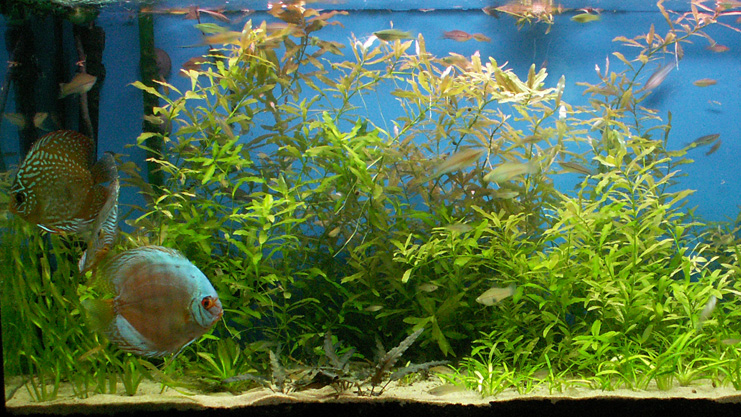
- Live Plants: The vast majority of freshwater plants do not tolerate salt well. A salt treatment can cause them to wither and die. If you have a heavily planted tank, it's best to treat sick fish in a separate hospital tank.
- Overdosing: More is not better. Using too much salt can severely stress or even kill your freshwater fish by dehydrating them. Always measure carefully and follow recommended dosages.
- Using it Permanently: Some older fishkeeping guides recommend keeping a low level of salt in the tank at all times. Modern best practice advises against this. Constant exposure can be hard on a fish's kidneys and may lead to salt-resistant strains of parasites.
Frequently Asked Questions of why put salt in freshwater aquarium
Can I use regular table salt in my freshwater aquarium?
No, you should never use table salt. It often contains iodine and anti-caking chemicals that are toxic to fish and can disrupt their biological functions. Only use salt specifically labeled for aquarium use.
Will aquarium salt kill the beneficial bacteria in my filter?
At the recommended therapeutic doses, aquarium salt is generally safe for your filter's beneficial bacteria. Extremely high concentrations could have a negative impact, but this is rare when following proper guidelines.
How do I remove salt from my aquarium after a treatment?
Salt does not evaporate with water, so the only way to remove it is by performing partial water changes with fresh, dechlorinated water. This gradually dilutes the salt concentration in the tank.
Will aquarium salt harm my live plants and invertebrates?
Yes, most likely. The vast majority of common freshwater plants, snails, and shrimp are very sensitive to salt. It is best to treat fish in a separate hospital tank if you have a planted or invertebrate tank.
How long should a salt treatment last?
A typical treatment period for an issue like Ich is around 10 to 14 days. You should continue the treatment for a few days after the last visible signs of the illness have disappeared to ensure the entire life cycle of the parasite is eradicated.
Conclusion
Aquarium salt, when used properly, is an invaluable and inexpensive tool for any freshwater hobbyist. It acts as a stress reducer, a health booster, and a gentle but effective treatment for several common fish ailments. The key is understanding that it is a medicine, not a permanent water conditioner. By using the right kind of salt, applying the correct dosage, and knowing which tank inhabitants are sensitive, you can safely harness its benefits.
Now that you understand why put salt in freshwater aquarium setups, you're better equipped to handle common fishkeeping challenges. Don't be afraid to use it when needed, but always do so with care and knowledge. What has been your experience using aquarium salt? Share your stories or questions in the comments below