An aquarium brings calm, beauty, and a living, teachable ecosystem into your home or office.
I have kept and cared for tanks for years, and I can say with confidence that understanding why have an aquarium changes how you view indoor spaces. This guide explains the real reasons people choose aquariums, from mental health benefits to learning opportunities and design value. I will share clear, practical advice, proven benefits, maintenance tips, and honest trade-offs so you can decide if a tank fits your life.

Benefits of having an aquarium
An aquarium can lift your mood and decorate your space at once. Watching fish swim is a gentle, low-effort way to reduce stress and calm a busy mind. Many people report lower anxiety when they spend just minutes by a tank.
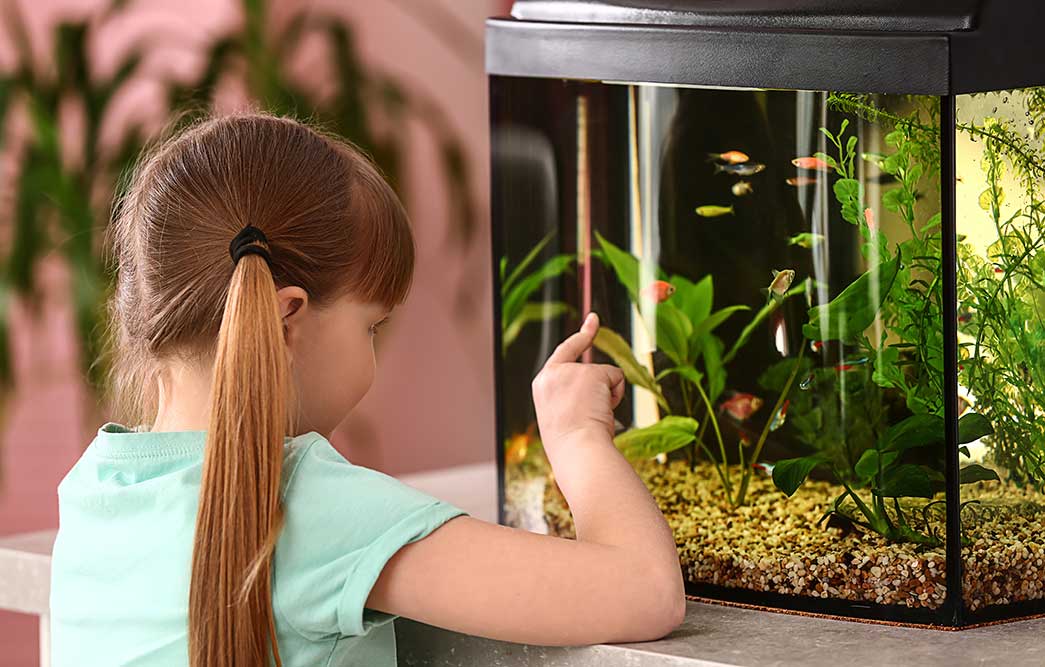
An aquarium also teaches responsibility. Regular care routines build good habits and provide a sense of purpose. For children, a tank becomes a living classroom about ecosystems and life cycles.
An aquarium enhances room design. A well-lit tank adds color and motion. It becomes a focal point that draws people in for conversation.
An aquarium supports learning and therapy. Hospitals and offices use tanks to help patients and staff feel calmer. Studies link aquarium viewing to lower heart rate and reduced stress markers in some settings.
Why have an aquarium? It is both decor and a small, manageable slice of nature for your daily life.

Types of aquariums and what they offer
Freshwater tanks are the most common choice for beginners. They are affordable and flexible. You can start with easy fish like tetras or guppies and add live plants.
Saltwater tanks create bright colors and diverse species. They require more care and gear. Many hobbyists love reef tanks for their coral and fish variety.
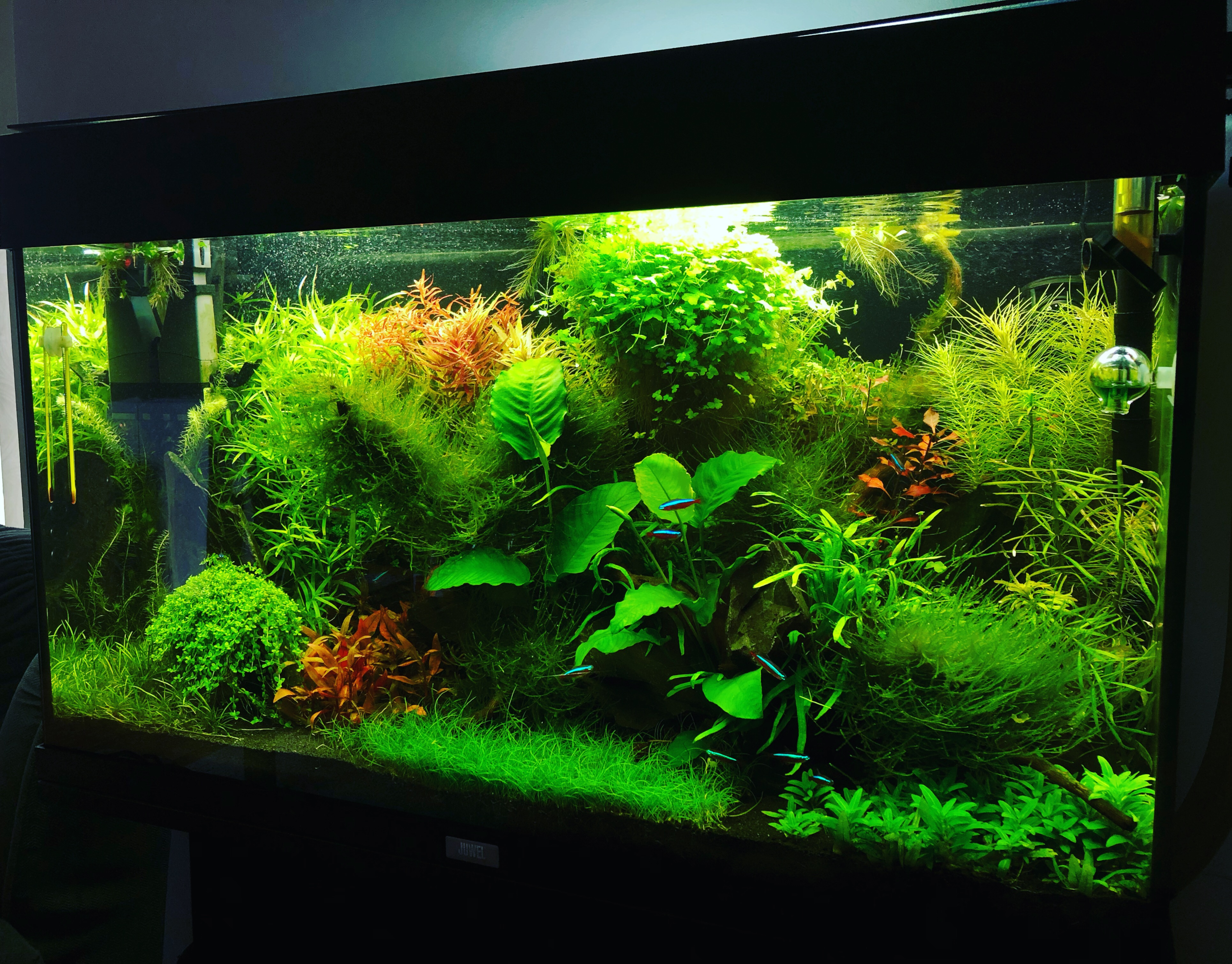
Planted tanks focus on live plants and a natural look. They require good lighting and a balance of nutrients. A planted aquarium can be a low-stress, low-maintenance option if set up right.
Nano tanks are small and cute. They fit apartments and desks. They need frequent checks because small systems can change fast.
Why have an aquarium of a certain type? Match the tank to your time, budget, and interest. Your choice shapes the daily care and the joy you’ll get.

How to choose the right aquarium for you
Decide why you want a tank. Do you want calm and decoration, a learning tool, or a complex hobby? Your goal guides the size and type.
Pick a size you can manage. Bigger tanks are more stable and forgiving. Smaller tanks are cheaper but need more frequent checks.
Consider location. Avoid direct sunlight and frequent temperature swings. Place the tank where you can see it often.
Budget for start-up and ongoing costs. Think of filter media, test kits, water conditioners, food, and electricity. A simple plan helps you avoid surprises.
Why have an aquarium if you pick wrong? A poor choice leads to stress and wasted money. Plan thoughtfully and start with realistic goals.

Basic setup and maintenance steps
Start with a clean tank and proper stand. Add substrate, decorations, and enough water for your chosen fish. Install a filter and heater if needed.
Cycle the tank before adding fish. A biological cycle builds beneficial bacteria that break down waste. Wait weeks and test water to avoid common early losses.
Do regular maintenance. Change 10–25% of water weekly or bi-weekly. Clean filters gently and test ammonia, nitrite, and nitrate often.
Feed fish correctly. Overfeeding harms water quality. Feed small amounts once or twice a day and remove uneaten food.
Why have an aquarium if maintenance is ignored? Neglect leads to algae, illness, and fish loss. A small, steady routine keeps the tank healthy.
Costs and budgeting for an aquarium
Initial costs vary by size and type. A starter freshwater tank can be modest. Saltwater or reef setups cost more for lighting and filtration.
Ongoing costs include power, food, replacement filter media, and test kits. Plan for unexpected vet or replacement needs.
Save money by buying quality equipment that lasts. Learn to do basic tests and maintenance yourself. Joining a local club can reduce costs and provide support.
Why have an aquarium if costs are unclear? Budgeting avoids surprises and keeps the hobby sustainable.

Common mistakes to avoid
Adding fish too soon is a top mistake. It causes stress and loss. Always cycle first.
Overfeeding is another frequent error. It leads to poor water quality. Feed less and watch for leftovers.
Buying incompatible species causes fights or stress. Research fish behavior and tank needs before buying.
Neglecting water testing hides problems. Test kits are cheap and informative. Monitor water and act fast when numbers change.
Why have an aquarium if you repeat mistakes? Learning from others and following simple rules makes the hobby rewarding.
Personal experiences and practical tips
I began with a small 10-gallon tank in a tiny apartment. I learned to cycle the tank the hard way. Early fish losses taught me patience and the value of testing.
One tip that helped was creating a checklist. Daily, weekly, and monthly tasks keep me on track. Another useful trick is photographing water tests. It helps spot trends over time.
I recommend starting with low-maintenance fish and at least one hardy plant. This combo builds confidence. Over time, you can try more advanced setups like a planted or saltwater tank.
Why have an aquarium? From my experience, the joy grows with small wins and steady care. The tank becomes a calming ritual in my day.

Environmental and ethical considerations
Choose captive-bred fish when possible. Wild-caught specimens can harm ecosystems and suffer stress. Captive-bred fish are often hardier and better suited to tanks.
Use sustainable decorations and avoid live rock harvested destructively. Research the source of plants and corals when buying.
Dispose of aquarium water carefully. Never dump saltwater or unwanted plants into local waterways. Small actions protect local ecosystems.
Why have an aquarium ethically? Thoughtful choices reduce harm and make the hobby responsible and lasting.
Frequently Asked Questions of why have an aquarium
What are the mental health benefits of an aquarium?
Watching fish can lower stress and calm the mind. Many people feel more relaxed and focused after a few minutes by a tank.
Is an aquarium good for kids?
Yes. A tank teaches care, patience, and biology. Supervision is needed for feeding and cleaning tasks.
How much time does an aquarium take weekly?
A simple tank needs 1–2 hours a week for feeding, testing, and small cleaning. More complex tanks may take longer during special tasks.
Can I keep an aquarium in a small apartment?
Yes. Nano or small freshwater tanks work well in limited spaces. Pick stable, hardy species and stay organized.
Are saltwater tanks better than freshwater tanks?
Not necessarily. Saltwater tanks offer more color and diversity but require more gear and care. Freshwater tanks are easier for beginners.
How much does it cost to maintain a tank monthly?
Basic maintenance can be modest—food, power, and supplies might cost $10–50 a month. Saltwater setups often cost more due to lighting and additives.
Conclusion
An aquarium is a unique blend of art, science, and gentle therapy. It offers calm, beauty, and a real connection to nature right in your home. If you want a low-key hobby that rewards patience and care, a tank can be a smart choice.
Start small, plan well, and learn as you go. Try a simple freshwater tank first. Join a local group or online forum for support and advice. Share your progress and enjoy the steady calm an aquarium can bring.
Ready to begin? Pick your tank size, set a simple routine, and enjoy watching life flourish.