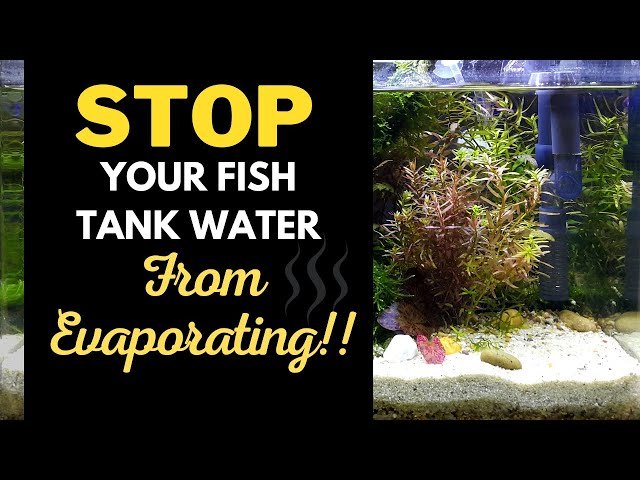
Aquarium water evaporates quickly due to factors like temperature, airflow, and humidity levels.
Managing an aquarium can be a relaxing hobby, but sometimes unexpected challenges, like rapid water evaporation, can arise. If you’re finding your aquarium water level dropping frequently, you're not alone. Understanding why this happens is crucial for preserving the health of your aquatic ecosystem. As we delve into the reasons for fast evaporation and offer practical solutions, you'll gain insights to keep your aquarium thriving.
Causes of Rapid Aquarium Water Evaporation
High Temperature
The higher the temperature, the quicker the water evaporates. Aquariums placed in warm environments or under strong lighting can lose water swiftly.
- Warm climates or heating systems increase water temperature.
- Intense aquarium lighting adds to the heat, accelerating evaporation.
Airflow
Air movement across the water surface speeds up evaporation. This is a common issue for tanks near windows or fans.
- Open windows and fans create airflow over the tank.
- Drafty rooms contribute to increased evaporation.
Humidity Levels
The surrounding environment's humidity affects evaporation rates. Low humidity levels cause water to evaporate faster.
- Dry indoor air during winter months leads to rapid evaporation.
- Dehumidifiers in use can reduce surrounding humidity, enhancing evaporation.
Tank Cover
An uncovered tank facilitates faster evaporation compared to a covered one.
- A tight-fitting lid can significantly reduce evaporation.
- Ensure covers have appropriate ventilation to avoid over-humidity inside the tank.
Size and Surface Area
The design of your tank, including its surface area, plays a role.
- Larger surface areas mean more exposure and quicker evaporation.
- Shallow water levels increase surface exposure, enhancing evaporation.
Mitigating Fast Evaporation
Temperature Control
Managing the tank's temperature is key:
- Use a heater with a thermostat to keep water at a steady temperature.
- Keep aquariums away from heat sources like radiators or direct sunlight.
Reduce Airflow
Control air movement around your aquarium:
- Position tanks away from fans and vents.
- Close windows or doors to limit natural airflow.
Increase Humidity
Enhancing room humidity helps balance evaporation:
- Use a humidifier in rooms with aquariums.
- Place water dishes around the room to aid humidity levels naturally.
Proper Tank Cover
Ensure your tank has a suitable cover:
- Opt for covers that fit well and have minimal openings.
- Use mesh or vented covers to allow gas exchange without losing water rapidly.
Adjust Tank Size
Consider tank design adjustments:
- Choose tanks with deeper designs to minimize surface exposure.
- Evaluate if a smaller tank suits your needs to decrease evaporation.
Frequently Asked Questions of Why is My Aquarium Water Evaporate So Fast
Why does my fish tank water evaporate so quickly in summer?
Higher temperatures during summer lead to faster evaporation from tanks. It's advisable to manage temperature settings and air circulation to mitigate this.
Can a lid reduce aquarium water evaporation?
Yes, using a solid or mesh lid reduces evaporation by limiting surface exposure to air, helping maintain water levels.
Does water evaporation affect fish health?
While minor water level changes don't affect fish, significant drops can alter water quality and stress the aquatic habitants.
Is evaporated water harmful to my aquarium inhabitants?
Evaporated water leaves behind minerals and salts, concentrating them. Regular water top-offs with conditioned water balance these effects.
How often should I top off my aquarium due to evaporation?
Frequency depends on your environment, but generally, weekly top-offs with treated water combat natural evaporation.
Conclusion
Keeping an aquarium means maintaining a delicate balance, including managing water levels. Knowing why your aquarium water evaporates rapidly—and how to control it—ensures a stable and healthy environment for your aquatic life. By implementing these strategies, you can minimize issues related to evaporation and keep your aquarium at its optimal condition. Stay informed and explore additional resources to further enhance your aquarium care skills. Feel free to leave a comment or subscribe for more insightful articles.