
Cloudy aquarium water is often caused by a bacterial bloom, suspended particles, or an algae bloom from overfeeding.
You wake up, excited to check on your aquatic pets, only to be met with a tank that looks like a murky, milky fog has rolled in. It’s a frustrating sight we’ve all faced as fishkeepers. I remember my first tank turning cloudy overnight, and the panic that set in. But don't worry. Understanding why the water in the aquarium is cloudy is the first step to fixing it, and I'm here to guide you through the common causes and simple solutions to get your tank back to being crystal clear.
:strip_icc()/cloudy-aquarium-water-1378803-3736ff0eb5b34aa0907ae9df2882a86e.png)
Understanding the Types of Cloudy Water: White, Green, and Brown
Before we can solve the problem, we need to play detective. The color of the cloudiness is a major clue that tells us exactly what’s going on inside your aquarium. Each color points to a different root cause, so identifying yours is key to finding the right solution for why the water in the aquarium is cloudy.
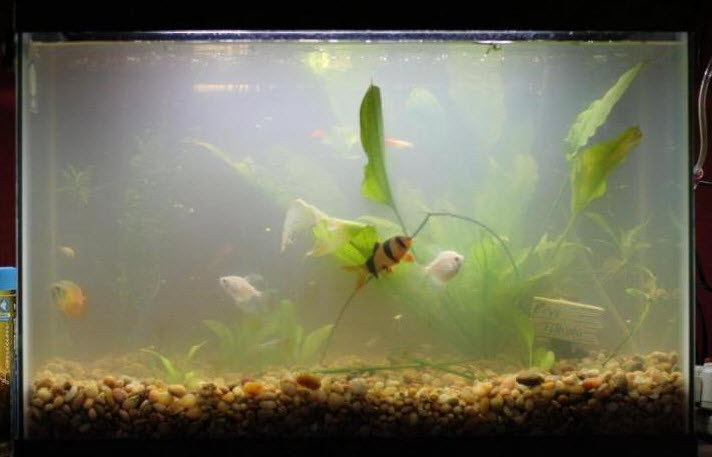
White or Milky Cloudiness (Bacterial Bloom)
This is by far the most common reason for cloudy water, especially in a brand-new aquarium. This milky haze is caused by a "bacterial bloom," which is a population explosion of beneficial bacteria. While it looks alarming, it's often a good sign. It means your tank's ecosystem is starting to establish the nitrogen cycle, a natural process that breaks down fish waste. These bacteria are essential for a healthy, long-term environment for your fish.
Green Cloudiness (Algae Bloom)
If your tank looks like pea soup, you're dealing with an algae bloom. This is caused by microscopic, free-floating algae that have multiplied out of control. The two main culprits behind this green menace are too much light and an excess of nutrients in the water. Think of it as providing the perfect fertilizer and sunlight for a plant you never wanted to grow. This is another very common reason why the water in the aquarium is cloudy.
Brown or Yellow Cloudiness (Tannins or Debris)
Brown or tea-colored water is often caused by tannins leaching from new driftwood. These tannins are natural compounds found in wood and are generally harmless; in fact, many fish from blackwater environments, like bettas and tetras, thrive in it. Alternatively, brown cloudiness can be caused by dirt or debris that has been stirred up from the substrate, which can happen during cleaning or if you have fish that love to dig.

The #1 Culprit: The Bacterial Bloom (Milky Water)
Let's dive deeper into that milky water, as it's the issue that sends most new aquarists into a panic. This condition, often called "new tank syndrome," is a normal part of setting up an aquarium. When you add fish, their waste produces ammonia, which is toxic. In response, beneficial bacteria start to grow to consume that ammonia. This initial population explosion is what makes the water cloudy.
The biggest mistake people make here is doing a massive water change. This can disrupt the delicate process and prolong the cloudiness. The best course of action is patience. Here’s what you should do:
- Reduce feeding to once every other day. Less food means less waste and less ammonia for the bacteria to process.
- Ensure your filter is running properly. The filter media provides a home for these beneficial bacteria to grow on.
- Test your water for ammonia and nitrite. If levels get dangerously high, a small (20-25%) water change is okay, but avoid large ones.
- Wait it out. The bloom will typically clear on its own within a week or two as the bacterial colony stabilizes.
I've seen countless beginners troubleshoot why the water in the aquarium is cloudy, and rushing to "fix" a bacterial bloom almost always makes it worse. Trust the process and let nature do its work.
Tackling Green Water: The Algae Invasion
Seeing your beautiful tank turn into a green swamp is disheartening, but it’s completely fixable. Green water is a clear sign that there's an imbalance in your tank's ecosystem, specifically too much light and too many nutrients (nitrates and phosphates). Your job is to correct this imbalance.
Here are the most effective ways to combat a green water algae bloom:
- Cut back on light. Do not place your tank in direct sunlight. Reduce the time your aquarium light is on to no more than 6-8 hours a day. Using a simple outlet timer can make this effortless.
- Reduce feeding. Overfeeding is a primary source of the excess nutrients that algae thrive on. Only give your fish an amount they can completely consume in about two minutes.
- Perform regular water changes. A weekly 25% water change will help physically remove some of the floating algae and dilute the nutrients it feeds on.
- Add live plants. Fast-growing plants like hornwort or anacharis are fantastic because they directly compete with algae for the same nutrients, essentially starving it out.
For stubborn cases, a UV sterilizer is a highly effective tool. It works by passing tank water over an ultraviolet light, which kills the free-floating algae without harming the beneficial bacteria in your filter.
Dealing with Debris and Tannins (Brown Water)
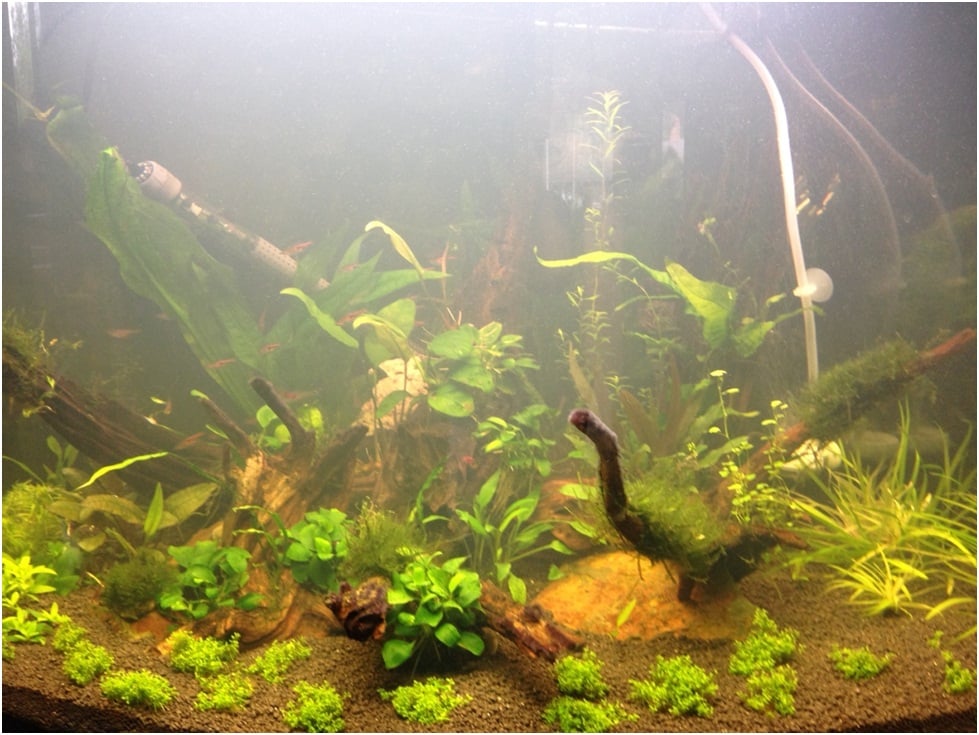
If your cloudiness is more of a dusty brown, the cause is likely physical debris. This could be from unwashed substrate, waste stirred up by active fish, or a filter that isn't doing its job. A good mechanical filter with fine filter floss or polishing pads will quickly trap and remove these suspended particles. Careful gravel vacuuming during water changes will also help remove settled debris before it gets kicked up.
If the water has a clear, tea-like brown tint, tannins from driftwood are the likely cause. If you dislike the look, you can reduce it by:
- Boiling the driftwood for a couple of hours before placing it in the tank.
- Soaking the wood in a separate bucket for a week or two, changing the water daily.
- Adding activated carbon to your filter. Carbon is excellent at absorbing tannins and will polish the water, making it crystal clear.
Remember, solving why the water in the aquarium is cloudy is often about identifying the specific cause and applying the right, simple solution.
Preventive Measures: How to Keep Your Aquarium Water Crystal Clear
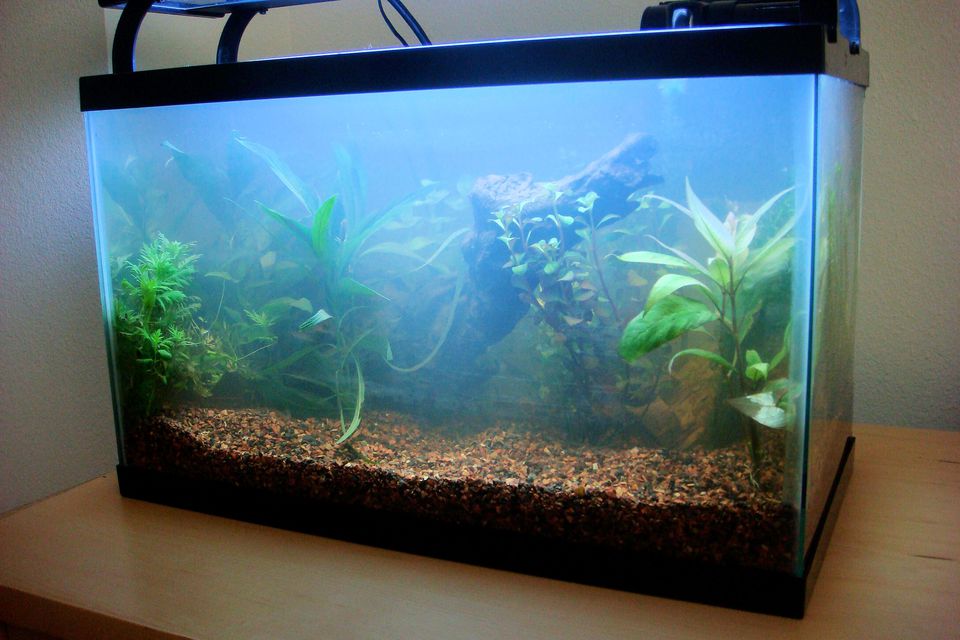
The best way to deal with cloudy water is to prevent it from happening in the first place. Once you understand why the water in the aquarium is cloudy, you can take simple, proactive steps. Consistent and proper maintenance is the secret to a perpetually clear and healthy tank.
- Establish a Routine: Perform a 25% water change every week. This consistency is crucial for removing excess nutrients and keeping the ecosystem stable.
- Don't Overstock: Too many fish in a small tank create more waste than the biological filter can handle. Research your fish and follow the one-inch-of-fish-per-gallon rule as a general guideline.
- Feed Sparingly: This is the golden rule of fishkeeping. Overfeeding is the root cause of so many aquarium problems, including cloudy water.
- Maintain Your Filter: Gently rinse your filter sponges and media in old tank water during a water change. Never use tap water, as the chlorine will kill the beneficial bacteria you've worked so hard to cultivate.
- Test Your Water: Regularly testing for ammonia, nitrite, and nitrate gives you a clear picture of what's happening in your tank and allows you to catch problems before they start.
Frequently Asked Questions of why the water in the aquarium is cloudy
How long does cloudy water last in a new tank?
A bacterial bloom in a new tank typically lasts from a few days to two weeks. It's a temporary phase and will clear up on its own as the nitrogen cycle becomes established.
Can I add fish to a cloudy tank?
It's best not to add new fish during a bacterial bloom. The cloudiness indicates that the tank is still cycling, and ammonia or nitrite levels may be high and stressful for new inhabitants.
Does a water change clear cloudy water?
A small water change can help dilute nutrients causing green water, but a large one can disrupt a bacterial bloom and prolong milky cloudiness. It's important to identify the cause before taking action.
Is cloudy aquarium water harmful to fish?
The cloudiness itself is not usually harmful. However, the underlying cause, such as high ammonia during a bacterial bloom or poor oxygen levels from an algae bloom, can be dangerous to your fish.
Why is my established aquarium suddenly cloudy?
Sudden cloudiness in a mature tank is often a sign of a "mini-cycle." This can be triggered by adding too many new fish at once, over-cleaning the filter, or a large fish dying unnoticed, causing an ammonia spike.
Conclusion
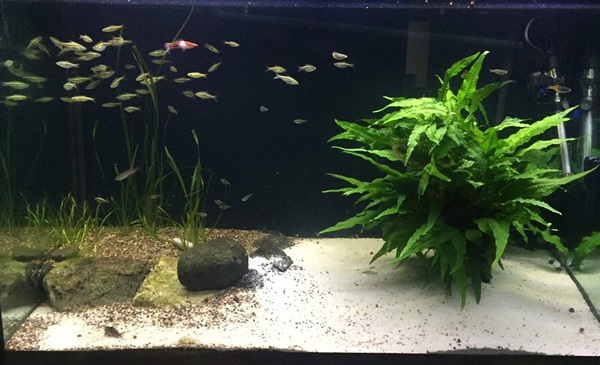
Seeing your aquarium water turn cloudy can be alarming, but it’s rarely a reason to panic. By identifying the color of the water—be it the milky white of a bacterial bloom, the green tint of algae, or the brown of debris—you can pinpoint the exact cause. Remember that patience and consistent maintenance are your greatest tools in this hobby. A clear tank is a reflection of a healthy, balanced ecosystem that you have created.
Now you have the knowledge to confidently diagnose why the water in the aquarium is cloudy and restore it to its sparkling best. Apply these tips, stay consistent with your maintenance routine, and enjoy the beauty of your underwater world. We’d love to hear about your experiences—share your success stories or ask any further questions in the comments below