
Aquarium salt helps reduce fish stress, treat parasites, and improve gill function in freshwater tanks.
As someone who has been keeping fish for over a decade, I've seen my fair share of confusing advice online. One of the most debated topics is whether or not to use aquarium salt. Is it a miracle cure or an outdated practice? The truth lies somewhere in the middle. Understanding why use aquarium salt—and more importantly, how and when to use it—can be the difference between a thriving aquarium and a stressful one. This guide will walk you through everything you need to know, from its core benefits to the common mistakes to avoid, so you can use this simple tool with confidence.
What is Aquarium Salt and How Does it Differ from Table Salt?
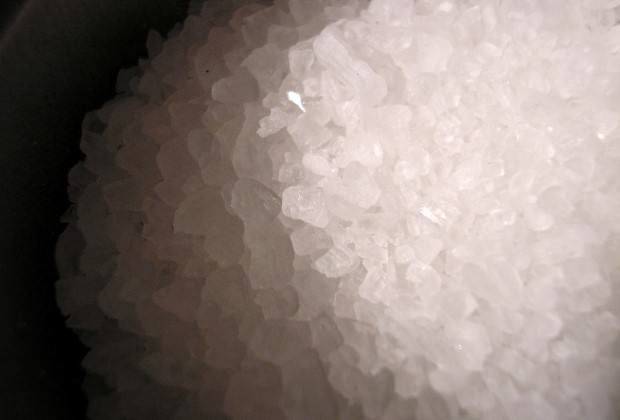
Before we dive into the reasons why you might use aquarium salt, it's crucial to understand what it is. Aquarium salt is simply sodium chloride (NaCl), the same basic chemical compound as the salt on your dining table. However, the key difference lies in what's been added—or rather, what hasn't. It is a pure, un-iodized salt without any of the additives found in table salt.
Table salt often contains iodine and anti-caking agents like yellow prussiate of soda. These additives are safe for humans but can be harmful or even toxic to your aquatic pets over time. You should never use table salt, kosher salt (unless it's pure NaCl), or ice melt salt in your aquarium.
It’s also important not to confuse aquarium salt with marine salt. Marine salt is a complex blend of salts, minerals, and trace elements designed to replicate the ocean's chemistry for saltwater tanks. Using it in a freshwater tank would drastically alter the water parameters and could be fatal to your freshwater fish. When we talk about why use aquarium salt in a freshwater context, we are always referring to pure, additive-free sodium chloride.
The Core Benefits: Why Use Aquarium Salt in Your Freshwater Tank?
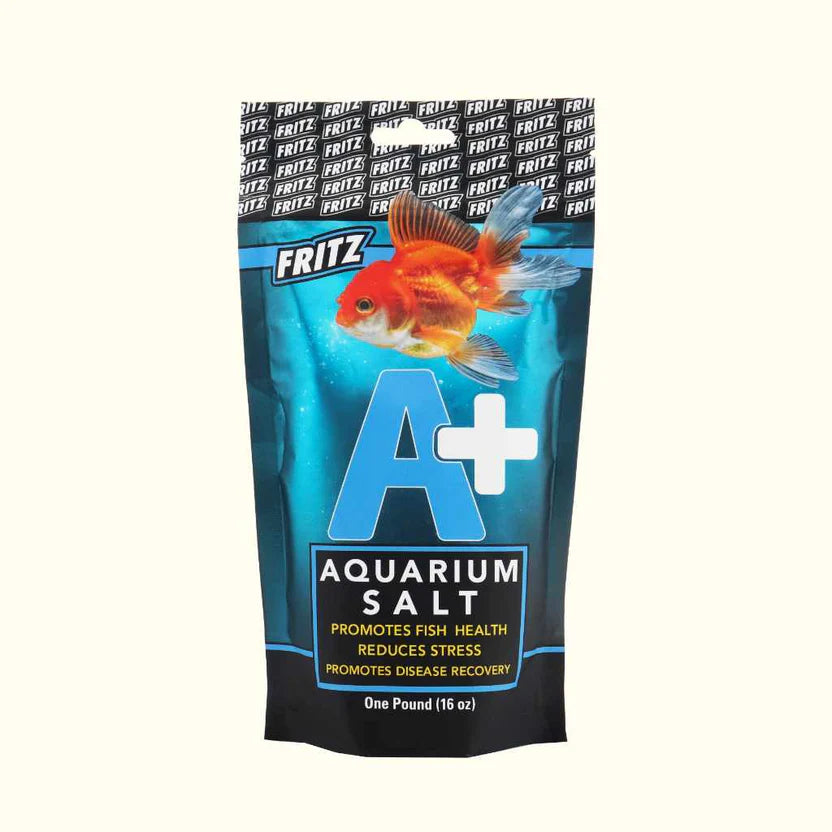
Aquarium salt isn't a cure-all, but it acts like a versatile first-aid treatment for many common issues. Think of it as a support system that helps your fish's natural defenses work more effectively. Here are the primary reasons why use aquarium salt is a common practice among experienced fishkeepers.
Stress Reduction and Slime Coat Enhancement
Fish have a natural layer of mucus on their bodies called a slime coat. This is their first line of defense against parasites, bacteria, and fungal infections. When fish are stressed—due to transport, poor water quality, or bullying—their slime coat can weaken. Adding a low dose of aquarium salt helps stimulate mucus production, reinforcing this protective barrier.
Furthermore, it helps with something called osmoregulation. In a freshwater environment, a fish’s body is saltier than the surrounding water. This causes water to constantly seep into their bodies through their gills and skin. Their kidneys have to work overtime to expel this excess water. Adding a small amount of salt to the tank water slightly increases its salinity, reducing the osmotic pressure on the fish. This eases the load on their kidneys and helps them conserve energy, making it a fantastic tool for helping new fish acclimate or for fish recovering from illness.
Treating Common Fish Diseases and Parasites
One of the most popular reasons why use aquarium salt is for treating mild external ailments. A salt bath or a slightly higher concentration in a quarantine tank can be highly effective against certain parasites. It works by dehydrating the single-celled organisms that cause these diseases.
The most common parasite it helps with is Ich (Ichthyophthirius multifiliis), also known as white spot disease. The salt disrupts the parasite's life cycle and can kill the free-swimming stage. It's also effective against other protozoan parasites like Costia and Chilodonella. I once treated a mild case of Ich in a tank of guppies using only aquarium salt and slightly elevated temperatures, avoiding the need for harsh chemical medications entirely.
Aiding Gill Function and Preventing Nitrite Poisoning
This is perhaps the most critical and life-saving reason why use aquarium salt. During a new tank cycle or an unexpected "mini-cycle," you might see a spike in nitrite levels. Nitrite is extremely toxic because it enters the fish’s bloodstream and prevents red blood cells from carrying oxygen, leading to a condition known as "brown blood disease," which is essentially suffocation.
Aquarium salt can be a lifesaver here. The chloride ions in the salt (NaCl) compete with nitrite ions for absorption through the gills. By adding salt, you effectively block a significant amount of the toxic nitrite from entering your fish's body, giving your biological filter time to catch up and process the nitrite into less harmful nitrate.
Healing Wounds and Minor Injuries
Fish can occasionally get minor scrapes, torn fins, or other small injuries from decorations or aggressive tank mates. Aquarium salt has mild antiseptic properties that can help prevent these minor wounds from developing secondary bacterial or fungal infections. By promoting a healthy slime coat and reducing stress, the salt creates an environment where the fish can heal more quickly and cleanly.
How to Use Aquarium Salt Safely and Effectively
Knowing why use aquarium salt is only half the battle; knowing how to use it correctly is what ensures the safety of your fish. Incorrect dosing or application can cause more harm than good.
The Right Dosage: Less is More
The correct dosage depends entirely on your goal. Always follow the manufacturer's instructions, but here are some general guidelines:
- General Tonic and Stress Reducer: Use 1 rounded tablespoon for every 5 gallons of water. This is a good preventative measure when adding new fish or during times of stress.
- Disease Treatment: For issues like Ich or mild fungal infections, a higher dose of 1 rounded tablespoon per 2-3 gallons is often recommended. This should ideally be done in a separate hospital tank, as this concentration can harm live plants and invertebrates.
- Salt Dips: For severe external parasites, a short, concentrated bath can be effective. This involves a much higher concentration for a very short period (e.g., 2 tablespoons per gallon for 10-15 minutes) while constantly observing the fish for signs of distress.
The Proper Mixing Method
Never, ever pour aquarium salt directly into your tank. The undissolved crystals can burn your fish or create pockets of extremely high salinity.
The correct way to add salt is to:
- Measure the correct amount of salt for your tank volume.
- Dissolve it completely in a separate container filled with some of your aquarium water.
- Slowly and gradually pour the saltwater solution into your main tank, preferably near the filter outlet or a powerhead to ensure it distributes evenly.
When to Avoid Using Aquarium Salt
Aquarium salt is not suitable for every tank. Certain fish and plants are highly sensitive to it.
- Sensitive Fish: Scaleless fish like Corydoras catfish, loaches (like the Kuhli loach), and some tetras are very sensitive to salt. If you must use it with these species, start with a half dose and monitor them very carefully.
- Live Plants: Most aquatic plants do not tolerate salt well. Even a low concentration can cause them to wilt and die. If you have a heavily planted tank, it's best to treat fish in a separate hospital tank.
- Remember It Doesn't Evaporate: Salt does not leave the aquarium through evaporation. It is only removed through water changes. If you add salt, do not add more when you top off the water. Only add salt to the volume of new water you are replacing during a water change.

Common Myths and Misconceptions about Aquarium Salt
There is a lot of misinformation out there about aquarium salt. Let’s clear up a few common myths so you know exactly why use aquarium salt and when to avoid it.
Myth 1: You should always have salt in your freshwater tank.
While some old-school hobbyists advocate for this, it's generally not necessary for a stable, healthy tank. Constant exposure can put a strain on the kidneys of freshwater fish that are not adapted to it. It's better to think of salt as a medicine to be used when needed, not as a permanent additive.
Myth 2: Any salt will do, including table salt.
As discussed earlier, this is false and potentially dangerous. The iodine and anti-caking agents in table salt can be harmful to your fish. Always stick to products specifically labeled as aquarium salt, which is pure, additive-free NaCl.
Myth 3: Salt is a cure-all for every fish disease.
Aquarium salt is a great first line of defense for mild external issues, but it has its limits. It is not effective against many severe bacterial infections, internal parasites, or viral diseases. For serious illnesses, proper veterinary-prescribed medications are often necessary. Knowing when salt is the right tool and when you need something stronger is key to responsible fishkeeping.

Frequently Asked Questions about why use aquarium salt
H3: Can I use aquarium salt with live plants?
It is generally not recommended, as most freshwater plants are sensitive to salinity and can be harmed or killed by it. If you have a planted tank, it is best to treat fish with salt in a separate hospital tank.
H3: How long should I treat my fish with a salt bath?
A general treatment in a hospital tank can last for 10-14 days. For a concentrated salt dip, the duration is much shorter, typically 5-15 minutes, while you closely monitor the fish for any signs of extreme stress.
H3: Does aquarium salt expire?
No, pure sodium chloride is a stable mineral and does not expire. As long as it is kept dry and free of contaminants, it will remain effective indefinitely.
H3: Will salt kill the beneficial bacteria in my filter?
At the therapeutic doses recommended for freshwater aquariums, aquarium salt will not harm your biological filter. The concentration is far too low to have a significant negative impact on the beneficial bacteria colonies.
H3: Can I use aquarium salt for brackish fish?
No, you should not. Brackish fish require marine salt, not aquarium salt. Marine salt contains a complex mix of minerals and buffers needed to replicate their natural brackish environment and maintain proper pH and water hardness.
Conclusion
Understanding why use aquarium salt transforms it from a mysterious powder into one of the most useful and affordable tools in your fishkeeping arsenal. It's a gentle yet effective way to reduce stress, boost your fish's natural immunity, combat common parasites, and provide a critical safety net against nitrite poisoning. By using it correctly and respecting its limitations, you can provide better care for your aquatic pets without resorting to harsh chemicals.
Think of aquarium salt as the first-aid kit for your fish tank—you don't use it every day, but you'll be incredibly glad you have it when you need it. Now that you're armed with this knowledge, take a look at your own aquarium practices. Could salt be the simple solution you've been looking for? Share your experiences or questions in the comments below