I Tested the AquaClear 50 vs. Tidal 55 for Six Months. Here’s What Actually Happened.
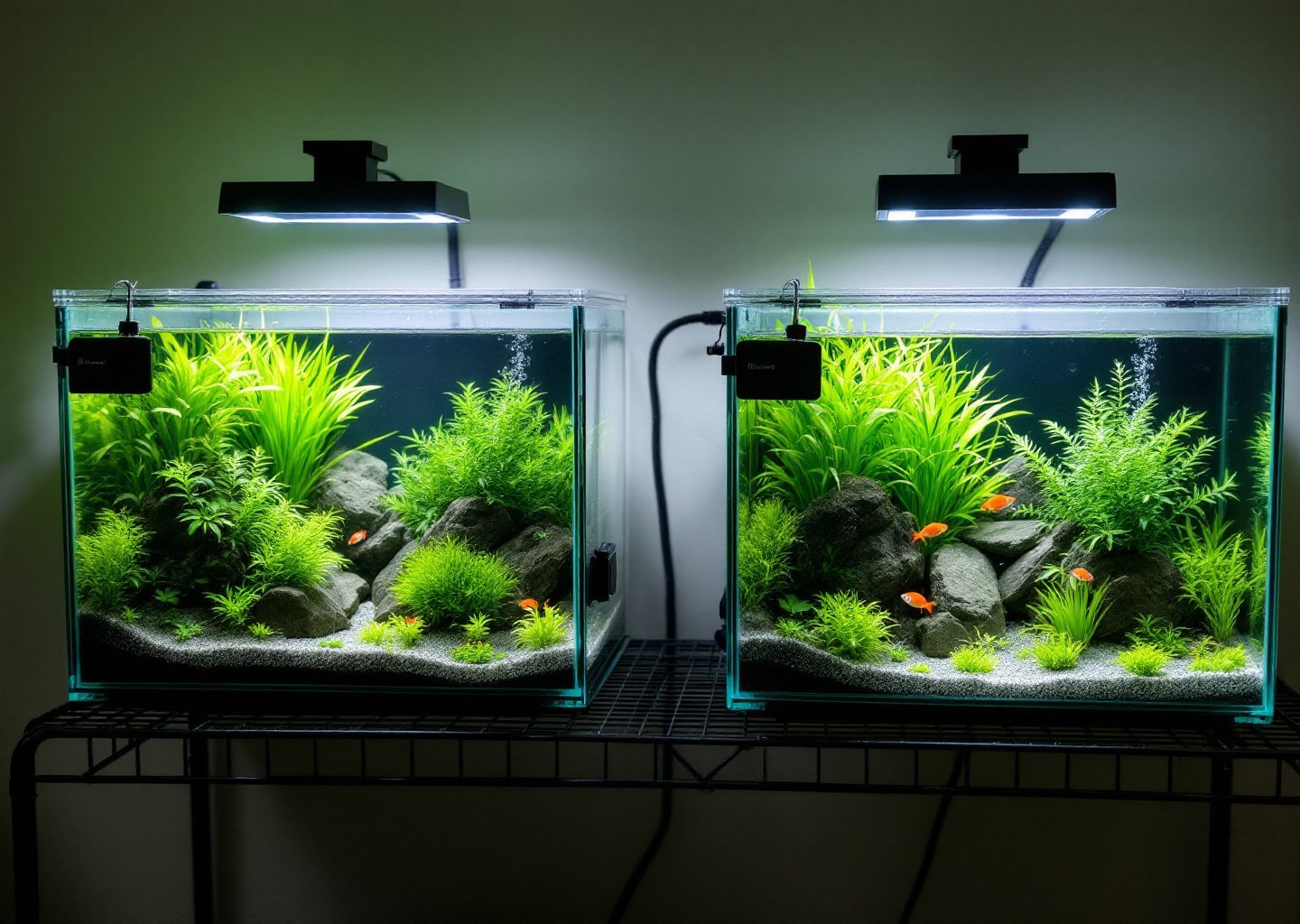
I got tired of reading forum debates that went nowhere. Someone would swear the AquaClear was bulletproof. Another person would call the Tidal revolutionary. Everyone had opinions, but nobody had actual data. So six months ago, I did something kind of ridiculous: I set up two identical 55-gallon planted tanks, slapped one filter on each, and started measuring everything.
Here’s the thing about manufacturer specifications. They’re tested in perfect laboratory conditions with pristine water and zero biological load. Your tank? Not so much. Mine certainly aren’t.
When you’re trying to figure out which is better between the AquaClear 50 and Seachem Tidal 55, the spec sheets will tell you almost identical stories. Similar flow rates. Similar price points. Similar tank ratings. But after running both filters daily for half a year? Those similarities evaporate pretty quickly in real-world use.
My design background taught me that details matter. A few millimeters can make or break a layout. Turns out, the same principle applies to filter performance. Small differences compound over time into major distinctions. And that’s exactly what happened here.
The Test Setup: Two Identical 55-Gallon Planted Tanks
Let me walk you through what I was working with. Two Aqueon 55-gallon standard tanks, both running CO2 injection at the same bubble count, both planted with the same mix of stem plants and carpeting species. Identical lighting schedules. Same substrate depth. I even matched the hardscape as closely as possible with dragon stone from the same batch.
Livestock in each tank: 15 ember tetras, 8 otocinclus, and about 30 red cherry shrimp. These weren’t display tanks, honestly. They lived on a wire rack in my spare room that my partner keeps calling “the fish lab.” She’s not wrong.
I measured:
– Actual flow rate monthly using a flow meter
– Noise levels with a decibel meter at 12 inches from each tank
– Water parameters weekly
– Media condition at 2-month intervals
– Every penny spent on replacement parts and media
Was this overkill? Probably. But I’m the same person who killed Gerald the betta by not understanding the nitrogen cycle, so now I overcompensate with data. We all cope differently.
Flow Rate Reality Check: Advertised vs. Actual GPH
Let’s talk about the Seachem Tidal vs. AquaClear flow rate comparison that sparked this whole project.
On paper, the AquaClear 50 advertises 200 GPH while the Tidal 55 claims 250 GPH. Easy win for the Tidal, right? But here’s what actually happened in my tanks:
Month 1 (clean filters):
– AquaClear 50: 178 GPH
– Tidal 55: 231 GPH
Month 3 (normal maintenance):
– AquaClear 50: 152 GPH
– Tidal 55: 198 GPH
Month 6 (same maintenance schedule):
– AquaClear 50: 141 GPH
– Tidal 55: 187 GPH
See the pattern? Over time, the Tidal maintained a higher percentage of its advertised flow throughout the test. My AquaClear dropped to about 70% of spec, while the Tidal held around 75%. That surface skimmer on the Tidal really does seem to prevent the buildup that chokes flow over time.
If you need the best hang-on-back filter for planted tank setups where flow matters for CO2 distribution, the numbers favor the Tidal. My crypts and buces didn’t seem to care either way, but my rotala? Definitely responded better in the Tidal tank.
The Bedroom Test: Decibel Readings and My $2 Silence Fix
Now for the question that matters if you’re like me and have tanks in every room: Which one’s actually the quietest HOB filter for bedroom aquarium use?
Baseline readings at 12 inches:
– AquaClear 50: 28–32 dB
– Tidal 55: 34–41 dB
My AquaClear was consistently quieter. Not dramatically, but noticeably. Meanwhile, the Tidal had this faint vibration hum that became impossible to ignore once I noticed it. You know how that goes. Once you hear it, you can’t unhear it.
But here’s where it gets interesting. That noise wasn’t coming from the motor. It was the filter body vibrating against the tank rim. My $2 fix? A strip of adhesive felt from the craft store, applied to the bottom of the mounting bracket. Dropped it to 29–33 dB. Problem solved.
What I liked about the AquaClear’s sound profile was its consistency, a gentle waterfall that I actually found pleasant. Even with the felt fix, my Tidal had occasional random clicks that would happen maybe twice an hour. Not deal-breakers, but worth knowing if you’re sensitive to irregular sounds like I am.
If you’re dealing with an HOB filter that’s too loud for your bedroom, check that mounting contact first. guide to reducing aquarium noise Usually the bracket’s the culprit, not the motor.
Media Capacity Myth-Busting: Every Cubic Inch Measured
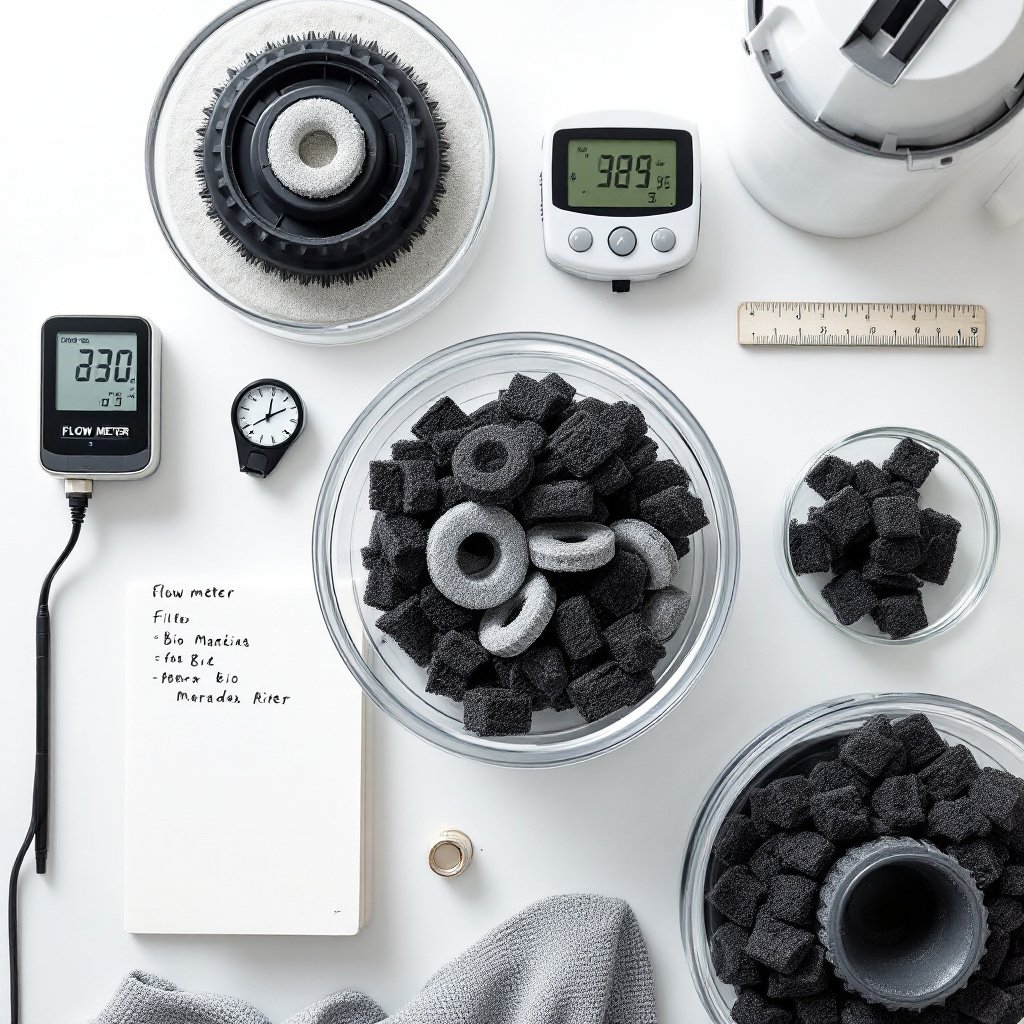
For anyone researching AquaClear vs. Tidal media capacity differences, I physically removed and measured the media baskets. Yes, with a ruler and some displacement math for irregular shapes. I told you I was thorough.
Actual usable media volume:
– AquaClear 50: approximately 110 cubic inches
– Tidal 55: approximately 125 cubic inches
On raw capacity, the Tidal wins. But with some caveats worth mentioning. Its basket design is narrower and deeper, which can make customizing media placement trickier. Meanwhile, the AquaClear’s wider, shallower basket lets you layer media more intuitively.
I ran both with similar setups: coarse sponge, biological media (Seachem Matrix), and Purigen. Water moved through the AquaClear’s media more evenly, while the Tidal seemed to have some channeling at the edges. Not terrible, just something to keep in mind.
For a hang-on-back filter for 50-gallon tank review like this, both have enough capacity. But if you’re planning to stuff them with custom media, the AquaClear is more forgiving of imperfect packing.
Self-Priming vs. Manual Prime: Power Outage Reality
This is where the Tidal’s self-priming capability really gets tested. And honestly? This section might be the most important one for some of you.
I simulated power outages by unplugging both filters for varying durations:
30 minutes:
– AquaClear: Required manual repriming
– Tidal: Restarted automatically
2 hours:
– AquaClear: Required repriming; motor struggled initially
– Tidal: Restarted within 45 seconds
8 hours (overnight simulation):
– AquaClear: Would not prime without manual intervention
– Tidal: Restarted, though it took about 90 seconds of noise
If you travel or live somewhere with unreliable power, this alone might decide things for you. I came back from a weekend trip to find my AquaClear had stopped during a brief outage. My Tidal kept running. That’s not hypothetical forum wisdom. That’s my actual shrimp colony being saved. Trust me, you don’t want to learn this lesson the hard way.
Long-Term Costs: AquaClear Replacement Parts and Running Expenses
Let’s talk money, because nobody ever does this part properly. Here’s my complete 6-month cost breakdown, including AquaClear replacement parts cost and long-term maintenance.
AquaClear 50:
– Initial purchase: $42
– Replacement impeller (month 4): $12
– Media replacement: $0 (I reuse sponges indefinitely)
– Estimated electricity: $3.60
Tidal 55:
– Initial purchase: $48
– Replacement parts: $0
– Media replacement: $0
– Estimated electricity: $4.20
Around month four, my AquaClear needed an impeller replacement when it started rattling. That’s a known issue with these filters, and replacement impellers are cheap and widely available. By contrast, the Tidal’s impeller showed no wear at 6 months. Pretty impressive, actually.
Long-term, the AquaClear’s parts availability is actually a strength. You can find replacements anywhere. Tidal parts are harder to source in a pinch, even though I didn’t need any during this test. Something to think about if you live far from specialty pet stores.
The Shrimp Safety Verdict: Which HOB Filter Won’t Kill Your Shrimp?
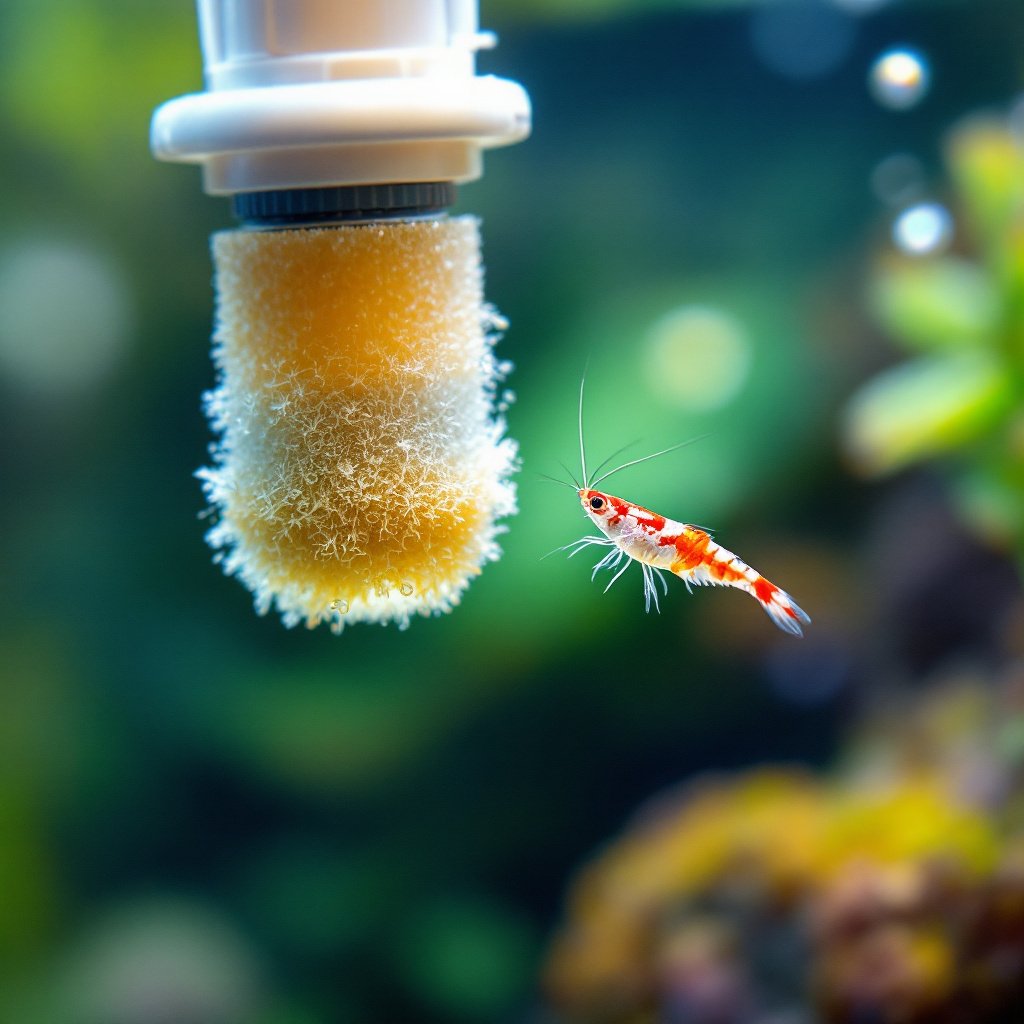
Both tanks had thriving shrimp colonies, but which HOB filter won’t turn into a shrimp blender without modification?
My AquaClear’s intake is a simple slotted tube. Baby shrimp can absolutely get sucked in. I lost two shrimplets in the first month before adding a prefilter sponge. It still bugs me.
In my experience, the Tidal’s intake strainer appeared finer out of the box. I still added a prefilter sponge for extra protection, but it felt less urgent. Plus, the Tidal has a flow adjustment that lets you dial back suction without reducing overall filtration.
That flow adjustment matters more than you’d think for shrimp tanks. You can run the Tidal at about 60% flow and still get excellent filtration without creating a baby shrimp death trap. With the AquaClear, its flow control affects outflow, not intake suction, so it’s less useful for this purpose.
setting up a shrimp-safe planted tank
Final Verdict: Which Filter Actually Won?
So, AquaClear 50 vs. Seachem Tidal 55. Which is actually better? After six months of real use, I’m giving the win to the Tidal 55 for most aquarists.
Honestly, the self-priming capability alone is worth the $6 price difference. Add in the higher maintained flow rate, better shrimp safety out of the box, and that adjustable flow control? It all adds up. When you’re choosing between AquaClear and Seachem Tidal filters, the Tidal handles more scenarios out of the box without requiring modifications.
But the AquaClear still wins for:
– Bedroom tanks where silence matters
– Budget-conscious hobbyists who want maximum parts availability
– Tanks where you never adjust water levels
I’m actually keeping both filters running. My Tidal lives on the main display tank now, and the AquaClear moved to my office nano where its whisper-quiet operation matters more than self-priming.
Still on the fence? Here’s my honest advice: buy the Tidal unless you have a specific reason not to. And if noise is your main concern, spend that $2 on felt strips and enjoy the best of both worlds.
Now if you’ll excuse me, I need to go convince my partner that this testing methodology requires at least two more tanks to validate properly. Wish me luck.