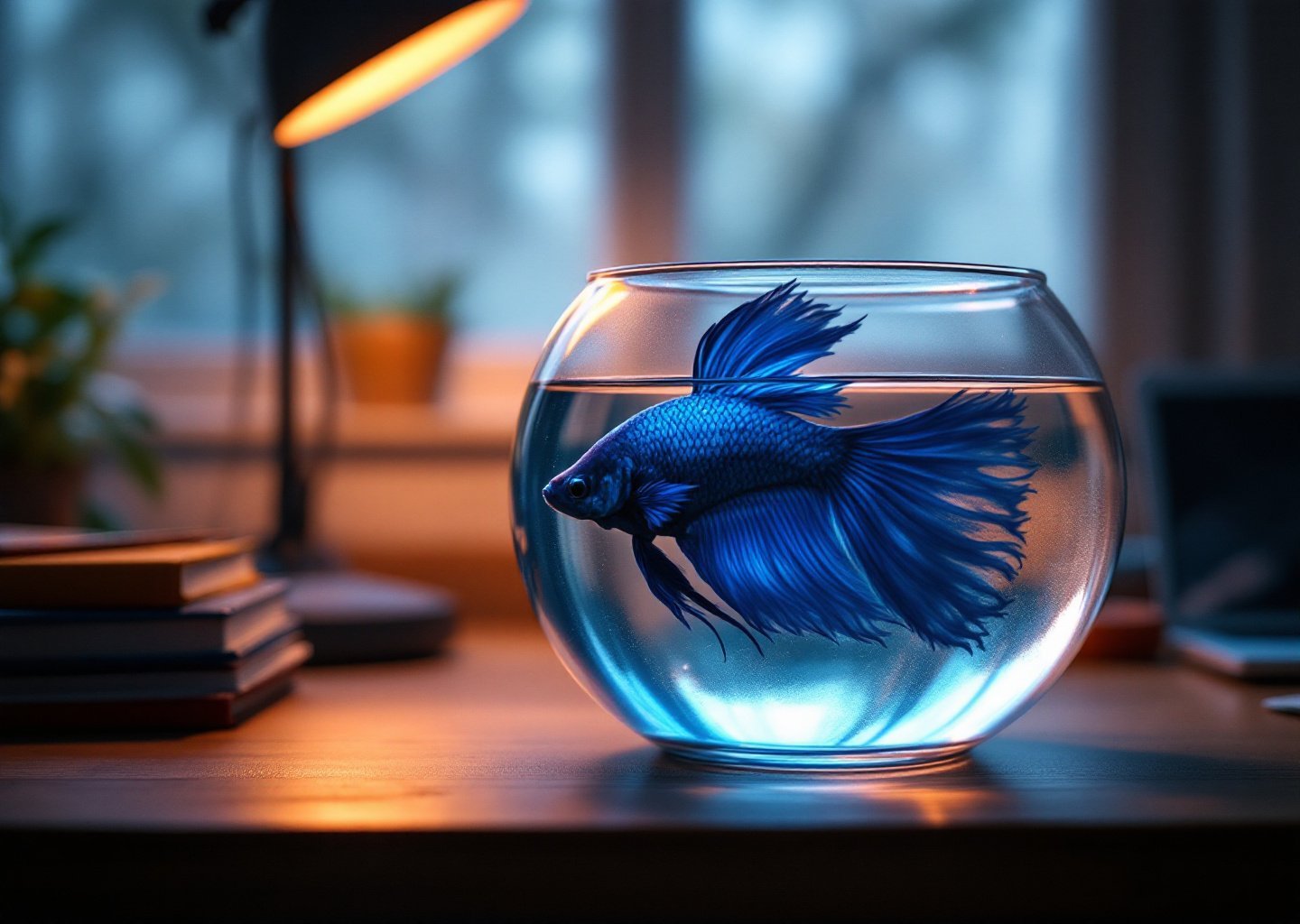
Let me tell you about Gerald. Gerald was a beautiful blue betta I brought home my junior year of college, placed proudly in an uncycled 1-gallon bowl because the pet store employee assured me bettas “prefer small spaces.” Gerald lasted eleven days. I cried. I also learned that almost everything I’d been told about beginner fish was complete garbage.
Here’s the uncomfortable truth: the pet store definition of “easy fish to take care of for beginners” usually means “fish we can sell you today without guilt.” That gorgeous goldfish in the tiny bowl on the counter? It needs 20+ gallons and can live 15 years with proper care. The neon tetras in the community display? They’re actually quite sensitive and die in droves during new tank syndrome.
I’ve killed my share of fish learning this hobby. Now, seven nano tanks later (yes, my partner is a saint), I want to give you what I wish someone had given me: a brutally honest breakdown of which fish actually tolerate beginner mistakes, which ones don’t need fancy equipment, and how to set up a tank that won’t become a full-time job.
The Neglect Tolerance Tier System
Not all hardy freshwater fish that live long are created equal. Some will forgive you for forgetting a water change. Others will punish a slight temperature fluctuation with ich outbreak revenge. Here’s my real-world ranking based on what I’ve seen survive (and not survive) in my own tanks and those of friends I’ve helped set up.
Tier 1: The Cockroaches of the Fish World
White Cloud Mountain Minnows survive just about anything. Missed a water change for three weeks? They’re fine. Temperature dropped to 60°F because your heater died? They actually prefer it. I once found a friend’s white clouds thriving in what can only be described as green soup. These guys are the real deal.
Endlers (Wild-Type) breed so enthusiastically that population replacement handles most problems. They’re smaller and tougher than fancy guppies, tolerate a wide range of conditions, and add actual visual interest to a tank.
Mystery Snails aren’t fish, but hear me out. They clean, they’re entertaining, and they can survive conditions that would kill most aquatic life. Plus, watching them eat is weirdly meditative.
Tier 2: Pretty Forgiving
Zebra Danios are fast, active, and resilient. They’ll survive a beginner’s inevitable overfeeding phase and can handle temperature swings.
Cherry Barbs bring color without the attitude of tiger barbs. They’re peaceful, hardy, and actually look better as they mature.
Platies are the classic “starter fish” that actually deserve the title. They tolerate hard water, eat anything, and breed readily.
Tier 3: The Overrated “Beginners”
Bettas belong here, not in Tier 1. Yes, they can survive bad conditions. But surviving isn’t thriving. A healthy betta needs a heated, filtered tank of at least 5 gallons. They’re sensitive to ammonia spikes and prone to fin rot in subpar conditions. Beautiful? Absolutely. Foolproof? Not remotely.
Neon Tetras are gorgeous but notoriously fragile during their first few weeks. They need established, cycled tanks and consistent water parameters. Pet stores push them on day one. Please don’t buy them on day one.
Fancy Guppies have been so overbred for color that many strains are genetic disasters. The ones from chain stores often carry diseases or have compromised immune systems. Skip them and get endlers instead.
Tier 4: Pet Store Lies
Goldfish need massive tanks, produce enormous amounts of waste, and live for decades. They’re not beginner fish. They’re commitment fish.
Plecos (common ones) grow over a foot long and need 100+ gallon tanks. That cute little algae eater in the store? It’s a baby dinosaur.
Bala Sharks get 14 inches long and need groups. Why stores put these in tiny tanks is beyond me.
The True No-Equipment Fish
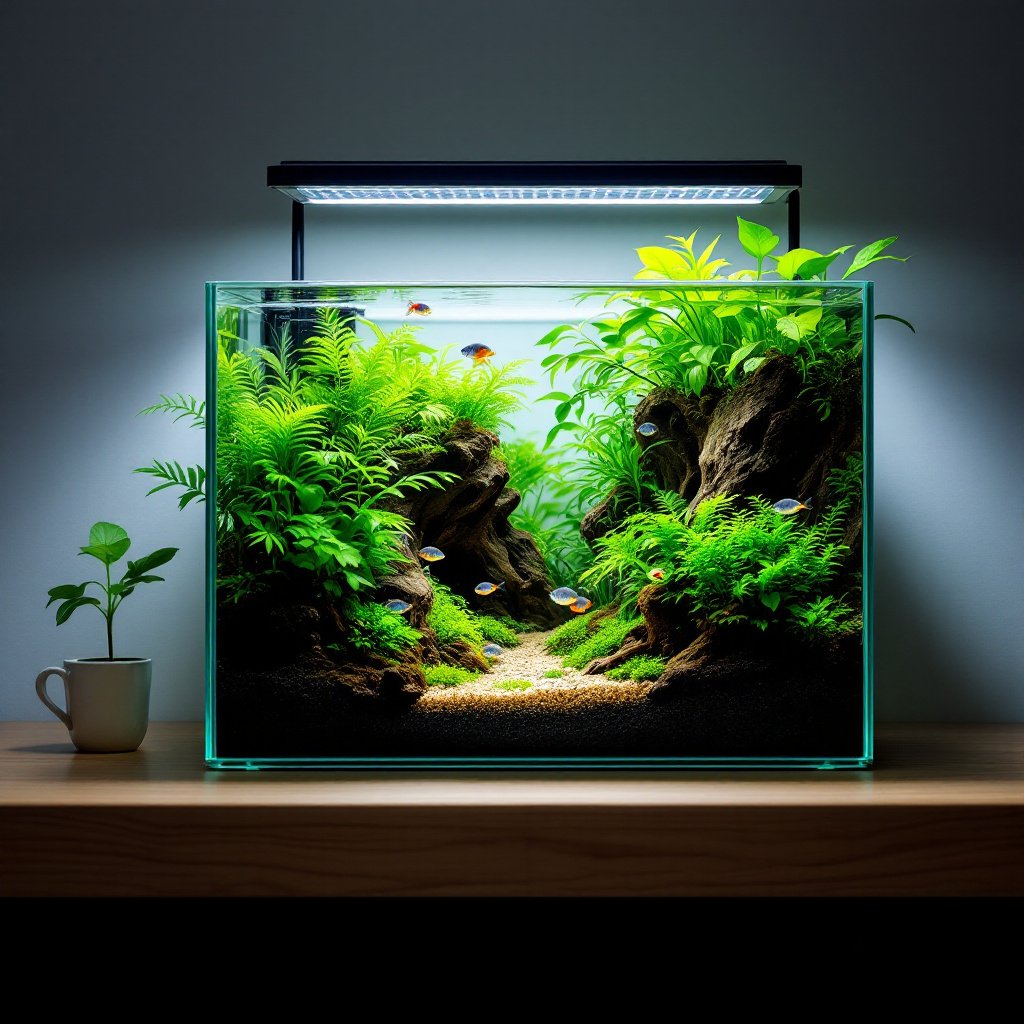
Let’s talk about fish that don’t need heaters or filters, because I know some of you want the absolute minimum viable setup. I respect that. Here’s what actually works.
White Cloud Mountain Minnows thrive in unheated tanks between 60-72°F. In a planted tank with low stocking, they can live without a filter. I kept a trio in a 10-gallon walstad setup on my desk for two years with zero equipment beyond a desk lamp for the plants.
Paradise Fish are stunning but territorial. One male in a planted tank of 10+ gallons can live without a heater at room temperature. They’re labyrinth fish, so they breathe air and tolerate low-oxygen environments.
Hillstream Loaches prefer cooler, highly oxygenated water. In a properly designed tank with good surface agitation from an air stone (okay, one piece of equipment), they’re incredibly hardy.
Important caveat: “No filter” doesn’t mean “no maintenance.” These setups require heavily planted tanks, very light stocking, and regular water testing. The plants become your filter. Skip this route if you’re not willing to learn about the nitrogen cycle. nitrogen cycle guide
Weekend Warrior Fish: For Travelers and Busy People
If you’re looking for fish that can survive without daily feeding, let’s talk realistic expectations. Adult fish can generally go 3-5 days without food easily. A week is pushing it but survivable for healthy fish. Anything longer needs planning.
For low maintenance fish for busy people and fish for people who travel a lot, here’s my shortlist:
African Dwarf Frogs can go a full week without food and honestly prefer less frequent feeding. They’re also incredibly entertaining, terrible swimmers, and have zero grace. I love them.
Adult Platies and Endlers in a planted tank with algae will graze naturally between feedings. I’ve left my endler tank for 10 days with zero supplemental feeding, and they were plump when I returned.
Hillstream Loaches primarily eat biofilm and algae. In a mature tank, they’ll feed themselves indefinitely.
Avoid anything that needs daily feeding like fry, juvenile fish, or high-metabolism species. Also avoid anything on a medication schedule or recent additions still adjusting to your tank.
For extended travel, weekend feeder fish for travelers benefit from automatic feeders, but most cheap ones are unreliable. The Eheim everyday feeder is the only one I trust, and even then, I set it to underfeed rather than risk overfeeding and crashing my parameters.
The Self-Sustaining Tank Blueprint
Here’s the holy grail: a self sustaining fish tank setup that practically runs itself. I have two of these running right now, and my weekly time commitment is maybe 15 minutes total.
The Walstad Method (Simplified)
- Tank size: 10 gallons minimum. Bigger is actually easier.
- Substrate: 1 inch of organic potting soil capped with 1.5 inches of pool filter sand or gravel
- Plants: Fast-growing stems like hornwort, water sprite, and anacharis. Lots of them. Think jungle, not sparse.
- Lighting: 6-8 hours of moderate light daily. A timer is your friend.
- Stocking: Extremely light. Think 3-5 small fish maximum in a 10-gallon.
- Maintenance: Top off evaporated water weekly. Test parameters monthly. Trim plants as needed.
The plants process fish waste, the soil provides nutrients, and the system balances itself. Initial establishment takes 4-6 weeks minimum, but full maturation with stable plant growth and biological filtration can take 2-3 months or longer. Once it’s stable, these tanks are remarkably hands-off.
My Actual Setup
My office desk tank is a 7-gallon cube with a dirt substrate, a USB-powered air stone, and a single betta (RIP Gerald, but his successor, Gordon, is thriving). It’s stuffed with java fern, anubias, and floaters. I do a 20% water change every two weeks and spend maybe 5 minutes on maintenance.
This is the best fish for small tanks that don’t need much care setup I’ve found: one appropriately sized fish in a heavily planted nano tank.
Pet Store Red Flags
Before you buy anything, learn to spot stores that actually know fish care versus ones that just move product.
Immediate Walk-Away Signs
- Dead fish floating in display tanks
- Visible ich (white spots) or fin rot on display fish
- Employees who suggest goldfish bowls or unfiltered betta cups as permanent homes
- Pushing multiple fish purchases on your first visit
- No questions asked about your tank’s cycling status
Questions That Reveal Competence
Ask these before purchasing:
“How long has this fish been in the store?” Good stores quarantine new arrivals for 1-2 weeks. Fish that just arrived are stressed and more likely to be carrying diseases.
“What parameters does this species prefer?” If they don’t know the pH and temperature range, they don’t know fish.
“Is my tank cycled?” If they don’t ask this first, or if they don’t know what it means, find another store.
“Can I return this fish if it dies?” Reputable stores stand behind their stock. Many offer 7-14 day guarantees.
The Best Place to Buy
Honestly? Local breeders and aquarium club auctions. The fish are healthier, acclimated to your local water, and you’re supporting hobbyists who actually care. Facebook groups and r/Aquaswap are goldmines for finding local sellers of easy fish to take care of for beginners.
Let me give you what I actually recommend after four years in this hobby.
For a True Low-Maintenance Setup:
- Tank: 10-gallon kit with filter and heater ($40-60)
- Fish: 6 white cloud mountain minnows OR 8 endlers ($15-25)
- Plants: Java fern, anubias, and water sprite ($20-30)
- Substrate: Pool filter sand or gravel ($15)
- Time commitment: 30 minutes weekly for water changes and feeding, once established
For the Absolute Minimum:
- Tank: 5-gallon planted bowl or tank ($30)
- Fish: 3 white cloud mountain minnows ($6-9)
- Plants: Heavily planted with floaters and stems ($15-20)
- Time commitment: 20 minutes every two weeks, plus daily observation
What to Actually Expect:
The first month requires more attention: daily testing, watching for problems, learning your tank’s rhythm. After that, low maintenance aquarium fish in a properly set up tank become genuinely low maintenance. My seven tanks together take maybe an hour weekly, and most of that is me staring at them because I want to, not because I have to.
Start with the boring, bulletproof fish. Learn what healthy water looks like. Graduate to fancier species once you’ve kept something alive for six months. And for the love of fish, cycle your tank first.
Gordon the betta is watching me write this from his planted paradise. He’s the fifth betta I’ve owned. He’s also the only one I didn’t kill through ignorance. Learn from my mistakes. Your fish will thank you.