
Great white sharks cannot survive in aquariums because their massive size, migratory nature, and sensitivity to stress make captivity fatal.
Ever walked through the mesmerizing tunnels of a world-class aquarium, surrounded by graceful manta rays and formidable tiger sharks, only to notice a key player is missing? You can see almost every famous marine predator, but never the one made legendary by Hollywood. As someone who has spent years fascinated by marine biology and the complexities of ocean ecosystems, I’ve often pondered this exact question. The simple truth is, the answer to why no great white in aquarium reveals a profound respect for a creature that is simply too wild, too vast, and too magnificent to be contained. Let's dive into the deep waters of this topic and explore why the king of the ocean will likely never be a resident in your local aquarium.
The Sheer Challenge of Size and Space
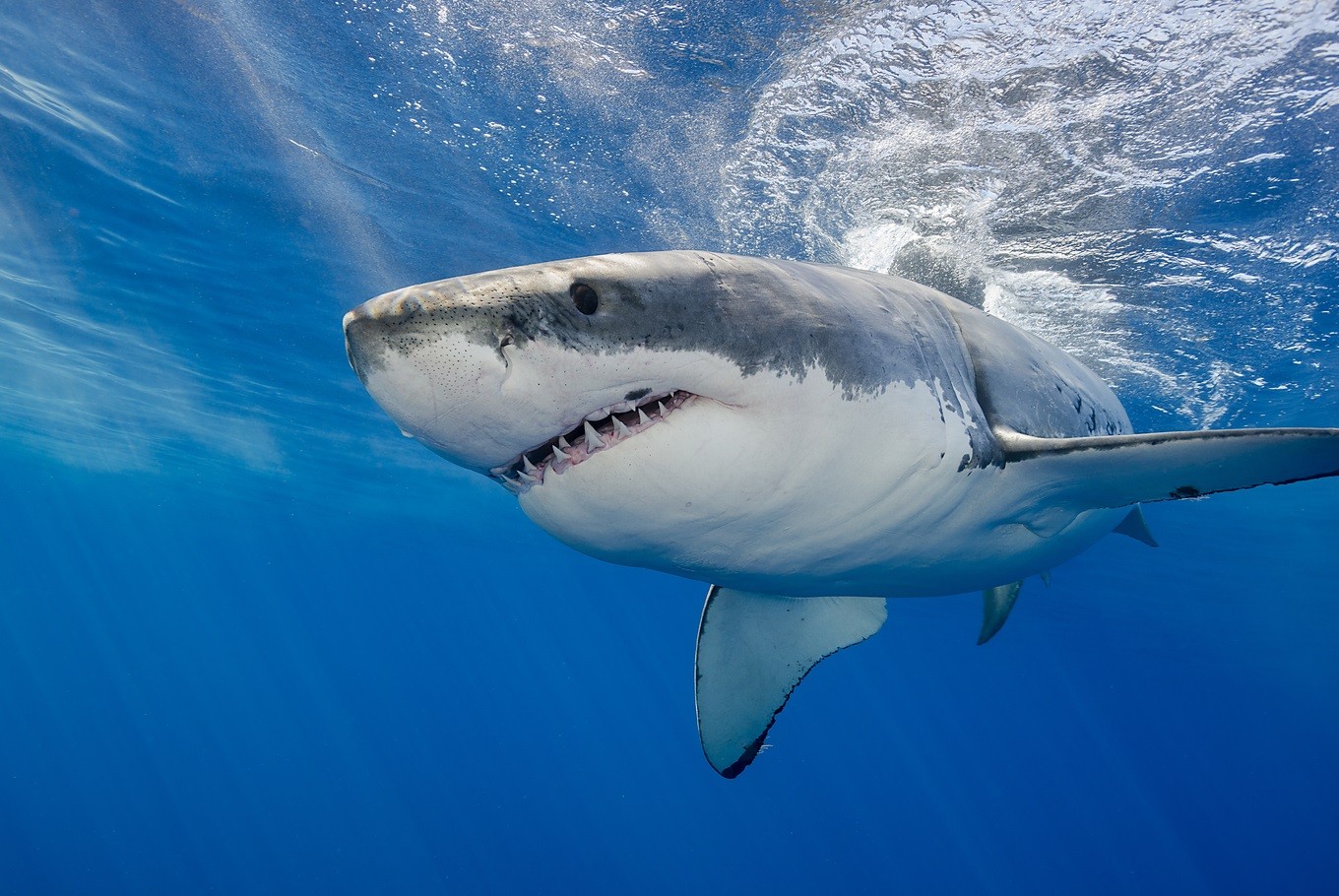
First and foremost, the most obvious hurdle is their incredible size. A great white shark isn't just big; it's a colossal, powerful predator that can reach lengths of over 20 feet and weigh more than 4,000 pounds. Even the largest aquarium tanks in the world, which hold millions of gallons of water, are little more than a bathtub for an animal built to roam the open ocean.
Imagine an Olympic sprinter being asked to train exclusively in an elevator. It’s a similar story for a great white. They are powerful swimmers that need long, straight stretches of water to move naturally. Confined spaces lead to stress and physical harm, as they can easily injure their delicate snouts and fins by bumping into the walls. Their immense size is the first, and perhaps most significant, reason why no great white in aquarium is a reality we must accept.

A Specialized Diet That Aquariums Can't Replicate
In the wild, great white sharks are apex predators with a very specific diet. While younger sharks might eat fish, adults primarily hunt large, high-fat prey like seals and sea lions. This presents a massive ethical and logistical problem for any aquarium. It is simply not feasible or humane to feed live seals to a shark in a captive environment.
Furthermore, great whites are notoriously picky eaters in captivity. Many attempts have shown that they often refuse to eat the frozen fish or smaller prey offered to them. This refusal to eat leads to rapid weight loss, a weakened immune system, and eventual starvation. Their dietary needs are just too specialized, adding another layer to the complex issue of why no great white in aquarium.

The Unstoppable Urge to Roam: Migratory Instincts
Great white sharks are one of the most migratory species on the planet. They travel thousands of miles across entire ocean basins, following food sources and ancient breeding patterns. This instinct to roam is deeply ingrained in their DNA. It’s not just something they do; it’s who they are.
Placing a great white in a tank completely thwarts this fundamental biological drive. A tank has no currents to follow, no magnetic fields to navigate, and no endless horizon to swim toward. This sensory deprivation is incredibly disorienting and stressful. The constant circling in a featureless environment is the opposite of their natural life, making their powerful migratory instinct a key factor in why no great white in aquarium programs have ever succeeded.

The Invisible Killer: Stress in Captivity
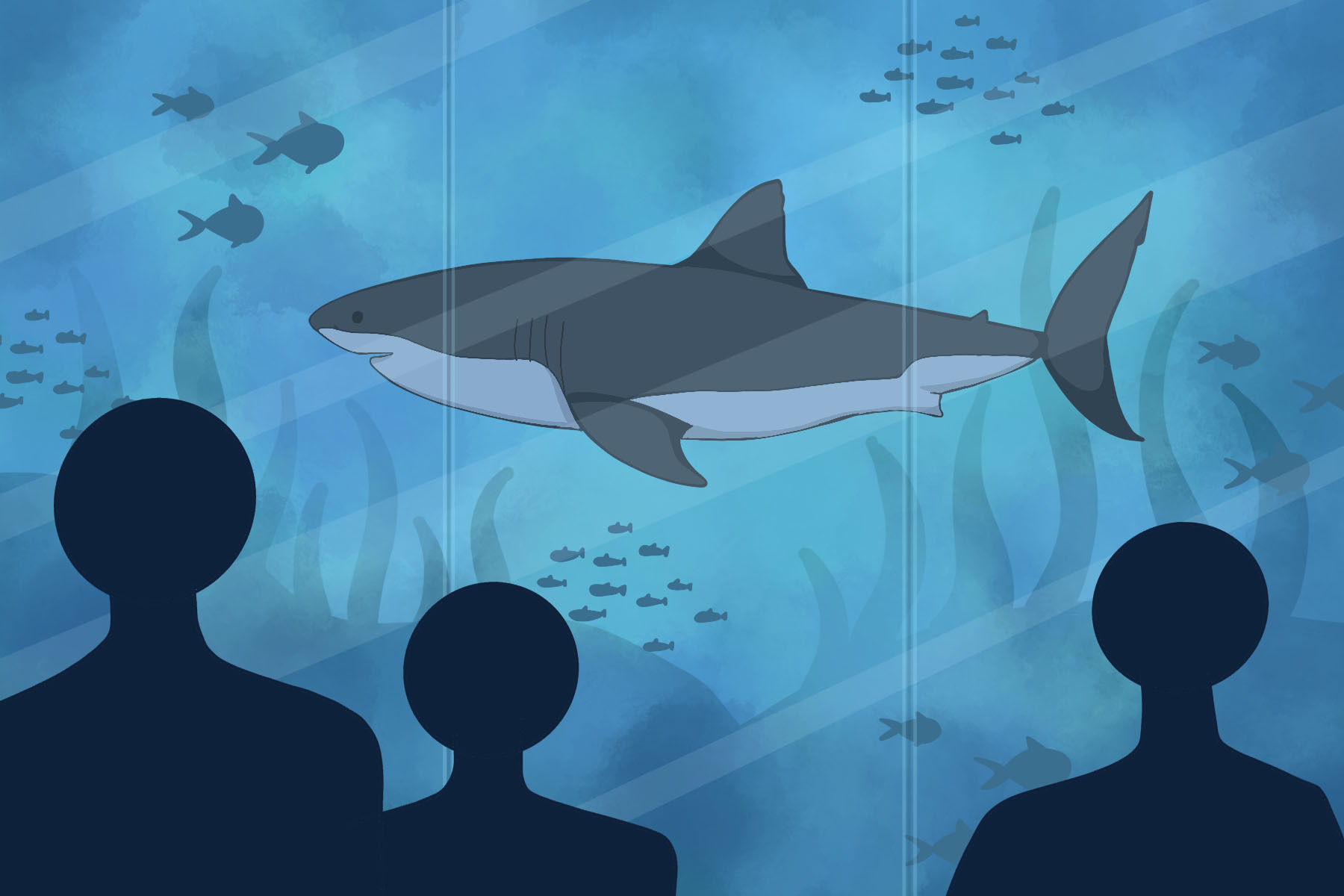
If size and diet weren't enough, the biggest killer of great whites in captivity is stress. These sharks are incredibly sensitive creatures. The artificial environment of an aquarium is a constant assault on their senses. The glass walls, the electric fields from pumps and equipment, the artificial lighting, and the crowds of people all contribute to a state of chronic stress.
This stress manifests in dangerous ways. They often collide with the walls, causing severe injuries. Their powerful senses are overwhelmed, leading to confusion and agitation. Ultimately, this constant state of high alert weakens their immune system, making them susceptible to infections and illnesses they would normally fight off in the wild. This invisible killer is perhaps the most tragic reason why no great white in aquarium is a humane necessity.
A History of Failed Attempts
It’s not for a lack of trying that we don’t see great whites on display. Over the decades, several major aquariums have attempted to house a great white shark, and every single attempt has ended in failure. From SeaWorld in the 1970s to the more recent and well-documented efforts by the Monterey Bay Aquarium, the story is always the same.
The sharks that are brought into captivity either die within days, refuse to eat and have to be released, or become so stressed that they pose a danger to themselves and other animals in the tank. The Monterey Bay Aquarium had the most "success," keeping a few young sharks for several months before releasing them back into the wild as they began to show signs of deteriorating health. This history of failure serves as a clear and consistent answer to why no great white in aquarium is the responsible choice.

Frequently Asked Questions of why no great white in aquarium
Why did the great white sharks in captivity die?
They typically die from stress-related causes, starvation from refusing to eat, or injuries sustained from colliding with tank walls. The captive environment is simply too overwhelming and unnatural for their sensitive biology.
Has any aquarium ever successfully kept a great white shark?
No aquarium has successfully kept an adult great white long-term. The most notable attempt was with a juvenile at the Monterey Bay Aquarium, but it was released after about six months due to declining health.
What is the largest shark ever kept in an aquarium?
The largest sharks commonly and successfully kept in aquariums are whale sharks. Unlike great whites, they are filter feeders with a much calmer temperament, making them better suited for large captive habitats.
Do great white sharks get depressed in tanks?
While we cannot know their exact emotions, they display behaviors consistent with extreme stress and psychological distress. These include lethargy, refusal to eat, and repetitive, self-harming actions like rubbing against tank walls.
Could future technology make it possible to keep a great white shark?
It is highly unlikely with any foreseeable technology. The challenge is not just about size but about replicating the vast, complex sensory environment of the open ocean, which a physical tank simply cannot do.
Conclusion
The story of the great white shark and its absence from our aquariums is a powerful lesson in humility. It reminds us that some creatures are simply too wild, too vast, and too perfectly adapted to their natural environment to ever be contained. The combination of their immense size, unstoppable migratory instincts, specialized diet, and extreme sensitivity to stress makes captivity a death sentence.
Instead of wishing to see these magnificent predators behind glass, we can embrace a better way to appreciate them. Support conservation efforts that protect their ocean habitats, enjoy breathtaking documentaries that show them in their element, or consider responsible eco-tourism. By respecting their wild nature, we do more for their survival than any tank ever could.