That white fuzzy stuff is likely a harmless biofilm or fungus feeding on excess nutrients in your new or established aquarium.
Seeing a strange, cotton-like growth in your pristine aquarium can be alarming. I've been there myself, staring into the tank and wondering, "why is there white fuzzy stuff in my aquarium?" You’ve worked hard to create a beautiful underwater world, and this mysterious fluff feels like an unwelcome invader. Don't panic. In my years as an aquarist, I've seen this countless times, and the good news is that it's usually easy to understand and even easier to fix. This guide will walk you through exactly what that white stuff is, what's causing it, and how you can get your tank back to looking its best.
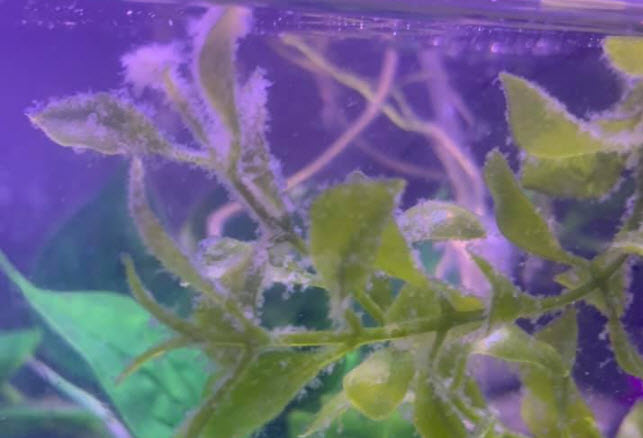
What is That White Fuzzy Stuff in Your Aquarium?
When you spot that ghostly film, you're most likely looking at one of three things. Think of them as nature's cleanup crew getting a little overzealous. The most common culprit is a harmless bacterial colony, often called biofilm. This is a collection of beneficial bacteria that are simply feasting on an abundance of food.
Less common, but still possible, are true water mold or fungus, like Saprolegnia. These organisms are also decomposers, meaning they break down decaying organic material. They often appear when there’s uneaten food or other waste lingering in the tank. The key takeaway is that all these growths are caused by the same thing: an excess of nutrients in the water column.

Common Causes: Uncovering the Root of the Fuzz
Understanding why there is white fuzzy stuff in my aquarium comes down to identifying the source of those extra nutrients. Once you pinpoint the cause, the solution becomes much clearer. Let's break down the most frequent reasons for this fuzzy outbreak.
New Tank Syndrome
If your aquarium is brand new, seeing white fuzzy stuff is almost a rite of passage. A new tank is a blank slate, and its biological filter isn't mature yet. This means the beneficial bacteria that normally process waste haven't established a strong colony. This imbalance allows other organisms, like the bacteria that form biofilm, to bloom and take advantage of any available nutrients.
Overfeeding Your Fish
This is hands down the most common reason for fuzzy growth in an established tank. We all love to see our fish eat, but giving them too much food is the fastest way to create problems. Uneaten flakes, pellets, or frozen food sink to the bottom and begin to decay, releasing sugars and phosphates into the water. This is a five-star buffet for mold and bacteria, which is a primary reason why there is white fuzzy stuff in my aquarium.
Decaying Organic Matter
Beyond uneaten food, any decaying organic material can fuel a fuzzy outbreak. This includes dead fish that haven't been removed, melting or dead plant leaves, or even fish waste that has built up in the substrate. These materials act as a constant food source, encouraging the white stuff to grow and spread. Regular tank maintenance is your best defense against this.
New Driftwood
Have you just added a new piece of beautiful driftwood? It's extremely common for it to develop a white, slimy, or fuzzy coating within a few days. This is not a harmful mold. It’s a completely normal biofilm feeding on the natural sugars and nutrients leaching out of the wood. It’s unsightly, but it is harmless to your fish and will typically disappear on its own in a week or two as the food source runs out.

Is the White Fuzzy Stuff Harmful to Your Fish?
This is the question that keeps aquarists up at night. For the most part, the answer is no. If the white fuzzy stuff is growing on your driftwood, decorations, or substrate, it is almost certainly a harmless biofilm or mold that your fish will ignore. In fact, some critters, like shrimp and snails, absolutely love to eat it.
The only time to be truly concerned is if you see the white, cottony growth directly on your fish. This is often a true fungal infection, like Saprolegnia, which typically attacks a fish that is already stressed, injured, or suffering from a weakened immune system. The fungus is an opportunistic pathogen, meaning it takes advantage of an existing problem rather than causing the problem itself. If you see this, it’s a sign to check your water parameters and the overall health of your fish.

How to Get Rid of the White Fuzzy Stuff and Keep It Gone
Now for the good part: getting your tank back to crystal clear. Tackling the white fuzz involves a two-step approach: removing the existing growth and eliminating the food source that's letting it thrive. Understanding why there is white fuzzy stuff in my aquarium is the first step, and these actions are the solution.
Manual Removal
The quickest way to improve the look of your tank is to remove the fuzz manually. You can use a siphon during a water change to vacuum it off surfaces. For stubborn spots on driftwood or decorations, a clean, unused toothbrush works wonders. Just give it a gentle scrub and siphon out the dislodged particles.
Improve Water Quality
Since the fuzz feeds on excess nutrients, the best long-term solution is to improve your water quality. Perform regular partial water changes, about 25% weekly, to dilute nutrients and keep the environment stable. Use a gravel vacuum to clean your substrate and remove trapped waste and uneaten food.
Adjust Your Feeding Habits
This is a simple but powerful change. Feed your fish only what they can consume in a minute or two, once or twice a day. It’s better to underfeed slightly than to overfeed. If you see food hitting the bottom, you’re likely feeding too much. This single change can solve many common aquarium problems.
Introduce a Cleanup Crew
Why do all the work yourself? Many aquarium inhabitants love to munch on biofilm and algae.
- Amano shrimp are fantastic eaters of biofilm and leftover food.
- Nerite snails are excellent at cleaning surfaces like glass and decorations.
- Otocinclus catfish (Otos) and Bristlenose Plecos will happily graze on the fuzzy growth, especially on driftwood.
Increase Water Flow
Fungus and biofilm tend to thrive in areas with low water circulation. Check that your filter outflow is creating a gentle current throughout the entire tank. You can aim your filter output to break the water surface or even add a small powerhead to eliminate any dead spots where waste might be settling.

Frequently Asked Questions of why is there white fuzzy stuff in my aquarium
Why does my new driftwood have white stuff on it?
This is a harmless biofilm feeding on the natural sugars leaching from the wood. It's a normal part of the process and will usually disappear on its own within a few weeks as the food source is used up.
Can I just leave the white fuzzy stuff in my tank?
If it is on decor or wood, yes. It's harmless and will eventually go away, and many snails and shrimp will gladly eat it. If it’s on a fish, it needs to be addressed immediately as it indicates an infection.
Does the white fungus mean my water is dirty?
It doesn't mean your water is "dirty" in a toxic sense, but it does indicate an excess of nutrients. This is usually from overfeeding or decaying organic matter, which can eventually lead to poor water quality if not managed.
What fish eat white fungus in an aquarium?
While it’s usually biofilm, not true fungus, several fish enjoy it. Otocinclus catfish, Bristlenose Plecos, and other algae-eaters will often graze on it. Snails and shrimp are typically even better at cleaning it up.
How can I prevent the white stuff from coming back?
The best prevention is consistent maintenance. Avoid overfeeding, perform regular water changes with a gravel vacuum, and ensure good water circulation. Keeping a clean tank is the best way to prevent the problem.
Conclusion
Finding that strange fluff in your tank can be disheartening, but it's a common and fixable issue. That white fuzzy stuff is almost always a sign of a simple imbalance, usually too much food in the system. By controlling your feeding, keeping up with maintenance, and maybe adding a few helpful critters, you can easily solve the problem.
Now that you understand why there is white fuzzy stuff in my aquarium, you have the power to not only fix it but prevent it from returning. Don't be discouraged; view it as a learning experience on your aquarium-keeping journey. Your beautiful, clear tank is just a few simple steps away.
Have you battled the white fuzz in your own tank? Share your stories or ask any questions in the comments below