Slow temperature change prevents shock, lowers stress, and helps fish adjust safely.
As an aquarist with years of hands-on experience, I know that introducing a new fish is about more than beauty. Understanding why is it important to acclimate your new pet fish to the temperature in your aquarium slowly protects health, extends life, and keeps your tank stable. This guide breaks down the science, step-by-step methods, common mistakes, and real-world tips so you can add new fish with confidence and calm. Read on for clear, friendly advice you can apply today.

Why temperature acclimation matters
Fish are cold-blooded animals. Their body temperature and metabolism match the water around them. Sudden temperature shifts can cause shock. That is why understanding why is it important to acclimate your new pet fish to the temperature in your aquarium slowly matters for survival and welfare.
Key reasons to acclimate slowly
- Prevents temperature shock and immune suppression.
- Reduces stress that leads to disease.
- Helps fish maintain normal breathing and circulation.
- Gives time for behavior and feeding to normalize.
Research and hobbyist reports agree that slow acclimation cuts early loss rates. In short, acclimation protects your investment and the lives of your fish.
:strip_icc()/GettyImages-77807229-f708b37b282e47a7b6e19413ae906ef9.jpg)
The science behind slow temperature change
Temperature controls fish metabolism. Warmer water raises metabolic rate. Colder water slows it. Rapid change forces organs to work too fast or too slow. This can damage gills, heart, and kidneys.
How thermal stress works
- Rapid change disrupts enzyme function inside cells.
- Oxygen demand can spike or drop suddenly.
- Mucus and gill function change, making disease easier.
- Stress hormones rise, weakening immune response.
Studies show stressed fish are more prone to infections and poor growth. That’s why why is it important to acclimate your new pet fish to the temperature in your aquarium slowly is grounded in physiology and real outcomes.
Step-by-step acclimation methods
There are simple, reliable ways to acclimate new fish. Pick one based on your fish type and setup.
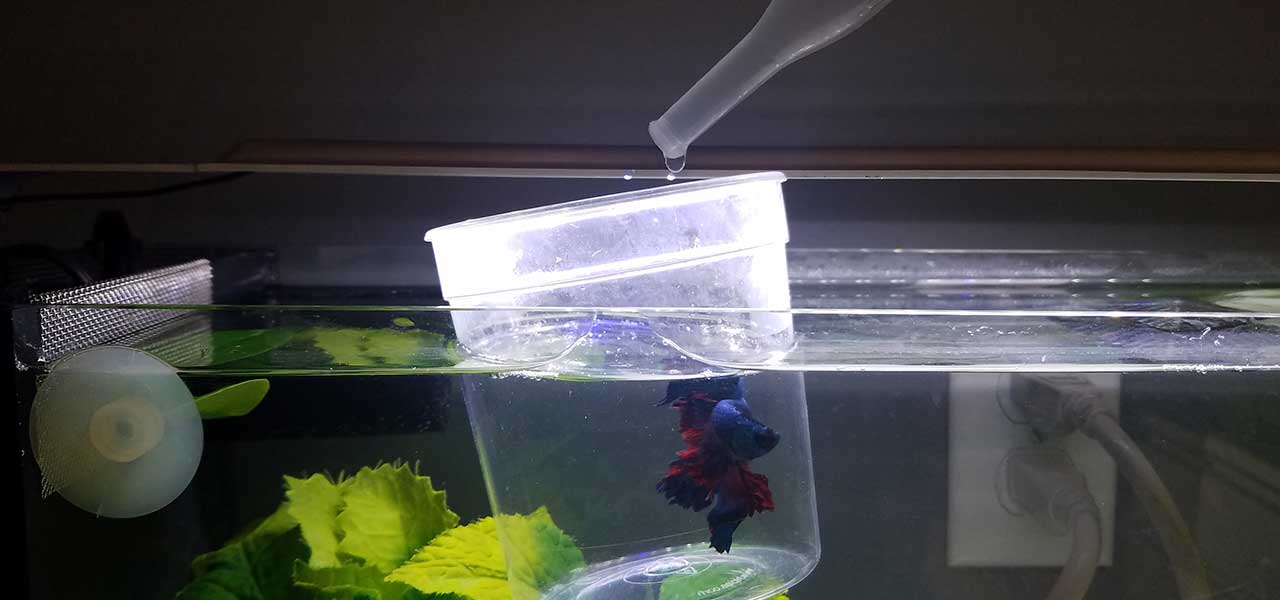
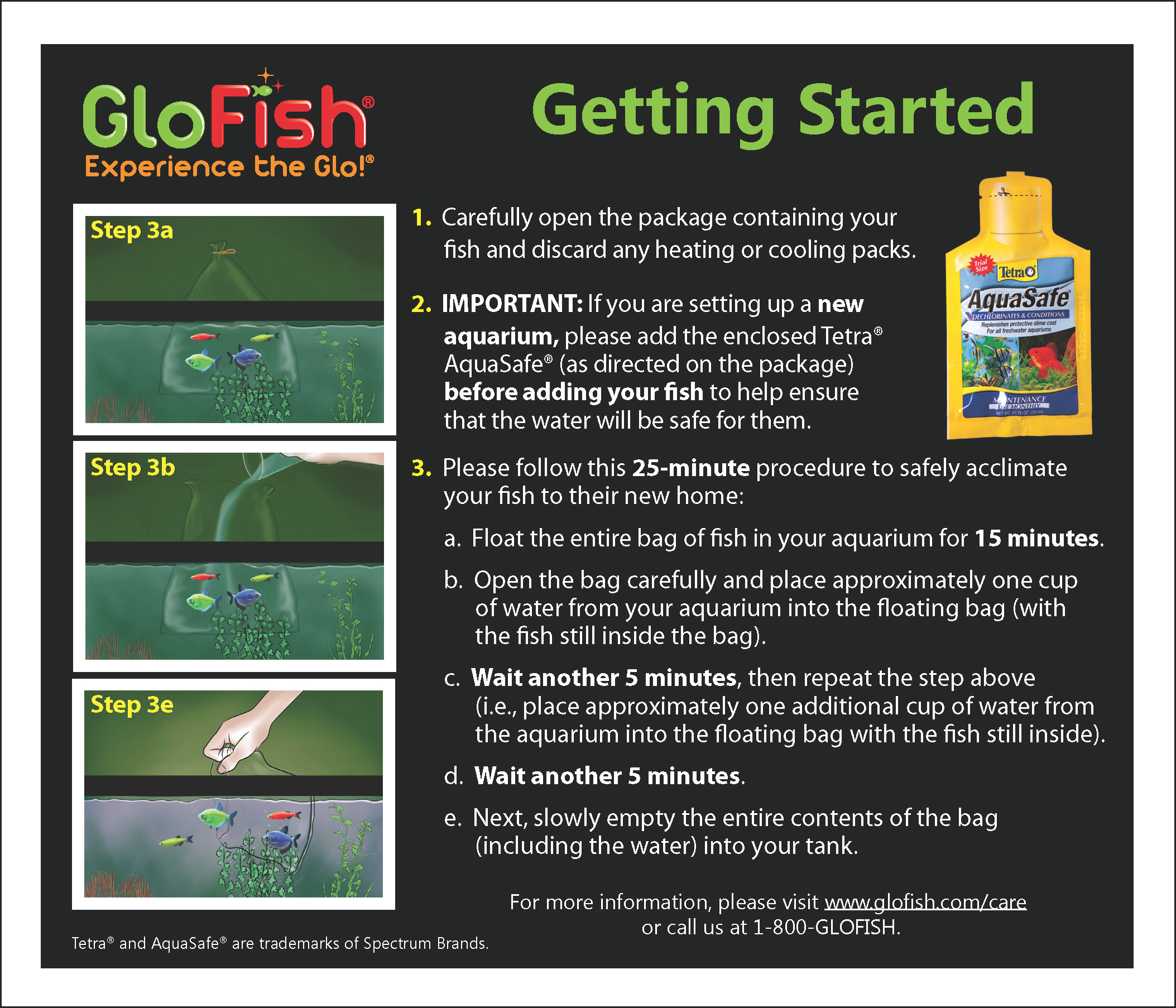
Floating bag method
- Float the sealed bag in the tank for 15–20 minutes to match temperature.
- Open the bag and fold the rim to create a floating pouch.
- Add a cup of tank water every 5–10 minutes for 30–60 minutes.
- Net the fish gently and place it into the tank.
Drip acclimation (best for sensitive or delicate species)
- Place fish and bag water in a clean bucket.
- Use airline tubing to drip tank water into the bucket.
- Adjust drip to 2–4 drops per second for 60–120 minutes.
- Transfer fish with a net, leaving most bag water behind.
Half-water swap (fast but careful)
- Gradually mix tank and bag water in equal parts over 30–45 minutes.
- Works for hardy community fish, not for delicate species.
Every method aims to slowly change temperature and water chemistry. Remember the rule: slow and steady wins the day when considering why is it important to acclimate your new pet fish to the temperature in your aquarium slowly.
Common mistakes and how to avoid them
New hobbyists often rush acclimation. That causes preventable losses. Here are mistakes to avoid.
- Introducing fish immediately after arrival without equilibration.
- Pouring bag water directly into the tank.
- Using extreme heat or cold to force acclimation.
- Skipping acclimation for “hardy” species.
How to avoid mistakes
- Always plan 30–120 minutes for acclimation.
- Use a clean container and gentle tools.
- Monitor fish behavior during acclimation.
- Be patient and prioritize fish comfort over speed.
Learning why is it important to acclimate your new pet fish to the temperature in your aquarium slowly will save time and grief later. Small delays up front prevent big problems later.
Personal experience and lessons learned
I once introduced six tetras after a long cold shipment. I rushed and lost two within 24 hours. After that, I always follow drip acclimation for sensitive fish. I now prepare a quiet staging area, a bucket, and airline tubing before I bring any fish home.
Lessons from hands-on practice
- Quiet surroundings reduce fish stress during acclimation.
- Pre-warming cool shipments prevents shock.
- Watching gill rate and color gives early warning signs.
- A gentle approach reduces disease outbreaks in the week after introduction.
This personal routine shows why is it important to acclimate your new pet fish to the temperature in your aquarium slowly — calm methods equal healthy fish and fewer surprises.

Best practices checklist before introducing new fish
Use this quick checklist to make acclimation routine and reliable.
Pre-arrival
- Quarantine new fish when possible for 2–4 weeks.
- Measure tank temperature and stability.
- Prepare clean buckets and tubing.
Acclimation day
- Float bag and match temperature, or use drip method.
- Add small amounts of tank water slowly.
- Observe fish closely; stop if signs of severe stress appear.
Post-acclimation
- Keep lights dim for 24 hours.
- Avoid feeding for a few hours to reduce stress.
- Monitor water quality and behavior daily for a week.
Following these steps reinforces why is it important to acclimate your new pet fish to the temperature in your aquarium slowly and protects both fish and tank balance.
Frequently Asked Questions about why is it important to acclimate your new pet fish to the temperature in your aquarium slowly
How long should I acclimate a new fish to tank temperature?
Acclimation should take at least 30 minutes for hardy fish and up to 2 hours for sensitive species. Always watch for stress signs and extend time if needed.
Can I skip acclimation for livebearers like guppies?
You should not skip acclimation even for hardy livebearers because temperature shock and water chemistry changes can still harm them. A brief floating bag method is quick and safe.
Will sudden temperature change kill a fish instantly?
Not always instantly, but sudden temperature change can cause shock that leads to rapid decline or death within hours. Slow acclimation prevents this risk.
Is drip acclimation better than floating the bag?
Drip acclimation is gentler and better for delicate or long-shipped fish. Floating the bag is fine for many community species and is quicker.
What signs show a fish is stressed during acclimation?
Signs include rapid gill movement, erratic swimming, clamped fins, or pale color. If you see these, slow the process and reduce handling.
Conclusion
Acclimating new fish slowly protects their health, reduces stress, and improves survival. Use simple methods like floating or drip acclimation, follow a checklist, and watch your fish closely. Start every introduction with patience and care to create a stable, thriving tank environment. Try these steps with your next new arrival, share your experience, and subscribe or comment below to keep learning and help others succeed.