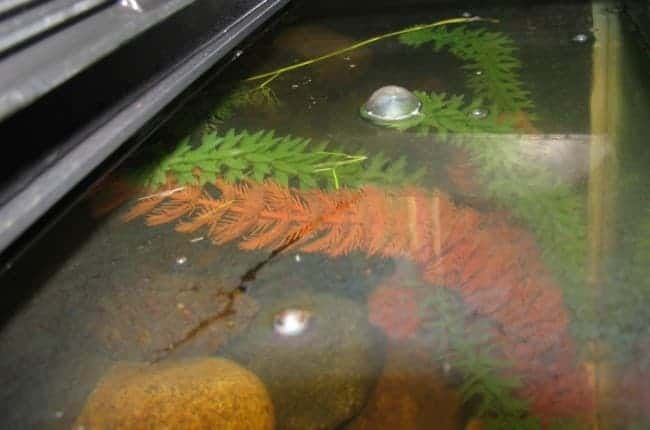
A thin, slimy film forms from bacteria, microbes, and organic residue settling on surfaces.
I’ve worked with aquariums for years and seen biofilm form in tanks of all sizes. This guide explains why is there biofilm in my aquarium, what it does, and how to manage it. I will give clear answers, proven steps, and real tips from my experience so you can fix biofilm fast and keep your tank healthy.

What is biofilm and why does it form?
Biofilm is a slim layer made of bacteria, fungi, and organic molecules. It forms when microbes attach to surfaces and secrete a sticky mix called extracellular polymeric substance. Why is there biofilm in my aquarium? It appears because tanks have food, waste, and surfaces that let microbes cling and grow. Biofilm is common in new tanks and in established systems with slow flow or lots of organics.

Common causes of biofilm in aquariums
Biofilm grows for a few clear reasons. Look for these triggers in your tank.
- Excess food left uneaten that feeds microbes.
- Overcrowding or too many fish producing waste.
- Low water flow zones where water stays still.
- New filter media or new decorations that give microbes a place to start.
- Poor cleaning habits and infrequent water changes.
Why is there biofilm in my aquarium? Most often it’s a combination of extra nutrients and quiet spots where bacteria can settle.

Is biofilm harmful to fish and plants?
Biofilm is not always bad. In small amounts it can be part of a healthy microbial balance. It helps break down waste and can colonize filter media to aid nitrification. However, thick mats can trap detritus and reduce oxygen near surfaces. If you see fish gasping or plants covered in thick film, then the biofilm load is likely harmful. Treat heavy buildup promptly.

How to remove biofilm: practical steps
Removing biofilm is simple if you follow a plan. Use these steps in order.
- Manual cleaning: Gently rub glass, decorations, and hardscape with a soft brush or sponge. Remove visible film each week.
- Water changes: Do a 20–40% water change to lower nutrient levels that feed biofilm.
- Improve flow: Add a small powerhead or reposition filter outlets to remove still spots.
- Clean filters: Rinse mechanical media in tank water and replace dirty carbon or pads. Avoid sterilizing beneficial bio-media.
- Biological controls: Add algae-eating snails or shrimp where appropriate to eat soft film.
Why is there biofilm in my aquarium after cleaning? If you only clean visible areas but leave food and poor flow, it will return. Combine cleaning with nutrient control for best results.

Preventing biofilm long term
Prevention is easier than constant cleanup. Follow these habits.
- Feed less and remove uneaten food after a few minutes.
- Keep a regular water change schedule. Change water weekly or biweekly.
- Maintain steady water flow and avoid dead zones in the tank.
- Vacuum the substrate during water changes to remove detritus.
- Cycle tanks fully before adding many fish. Mature tanks resist runaway biofilm.
Why is there biofilm in my aquarium even with good care? Occasional film is normal. Preventive steps keep it light and manageable.
 products I trust”
style=”max-width: 100%; height: auto; border: 2px solid black; border-radius: 10px; display: block; margin: 0 auto;”
loading=”lazy”
/>
Testing, tools, and products I trust
Good tools make managing biofilm easy. Consider these items.
- Gravel vacuum for regular substrate cleaning.
- Soft brush or toothbrush for decorations and corners.
- Algae scraper for glass and acrylic.
- Sponge filter or biological media to house good bacteria.
- UV sterilizer only if persistent microbes or cloudy water persist; use carefully.
Why is there biofilm in my aquarium despite a filter? Filters help but need flow and cleaning. Old or clogged filters can hide pockets of waste that feed biofilm.

My personal experience troubleshooting biofilm
I once battled thick biofilm in a planted 20-gallon tank after overfeeding. I did three things that fixed it. I cut feedings by half, added a small circulation pump, and did two quick 30% water changes over a week. The film faded in days, and the plants and fish were fine. Lesson learned: small fixes and consistent habits beat harsh treatments.

Frequently Asked Questions of why is there biofilm in my aquarium
Why is there biofilm in my aquarium so clear and slimy?
Biofilm often looks clear and slimy because it is a thin layer of microbes and mucus. It traps tiny particles and appears shiny, especially on glass and hardscape.
Will biofilm harm my fish right away?
Most biofilm does not hurt fish immediately. Problems arise when it becomes thick or coincides with poor water quality. Monitor your fish and test water parameters.
Can a water change remove biofilm completely?
A water change lowers nutrients but won’t remove all biofilm on surfaces. Combine water changes with manual cleaning and flow improvements for best results.
Is biofilm the same as algae?
No. Biofilm is a microbial layer made of bacteria and organic polymer. Algae are photosynthetic organisms and often green. They can coexist but are different.
How long does it take for biofilm to form?
Biofilm can start within hours in a tank with food and low flow. A noticeable film often appears in days to a week if conditions favor growth.
Will a UV sterilizer stop biofilm from forming?
A UV sterilizer kills free-floating microbes in the water but won’t remove film stuck to surfaces. It helps clear cloudy water but must be paired with mechanical cleaning.
Conclusion
Biofilm appears because aquariums provide food, waste, and surfaces where microbes thrive. You can manage it with simple steps: reduce nutrients, boost flow, clean regularly, and use the right tools. Start small—cut feedings, tweak flow, and do a few targeted cleanings. Your tank will feel healthier fast. Try these steps this week, track results, and share what worked for you in the comments or subscribe for more aquarium tips.