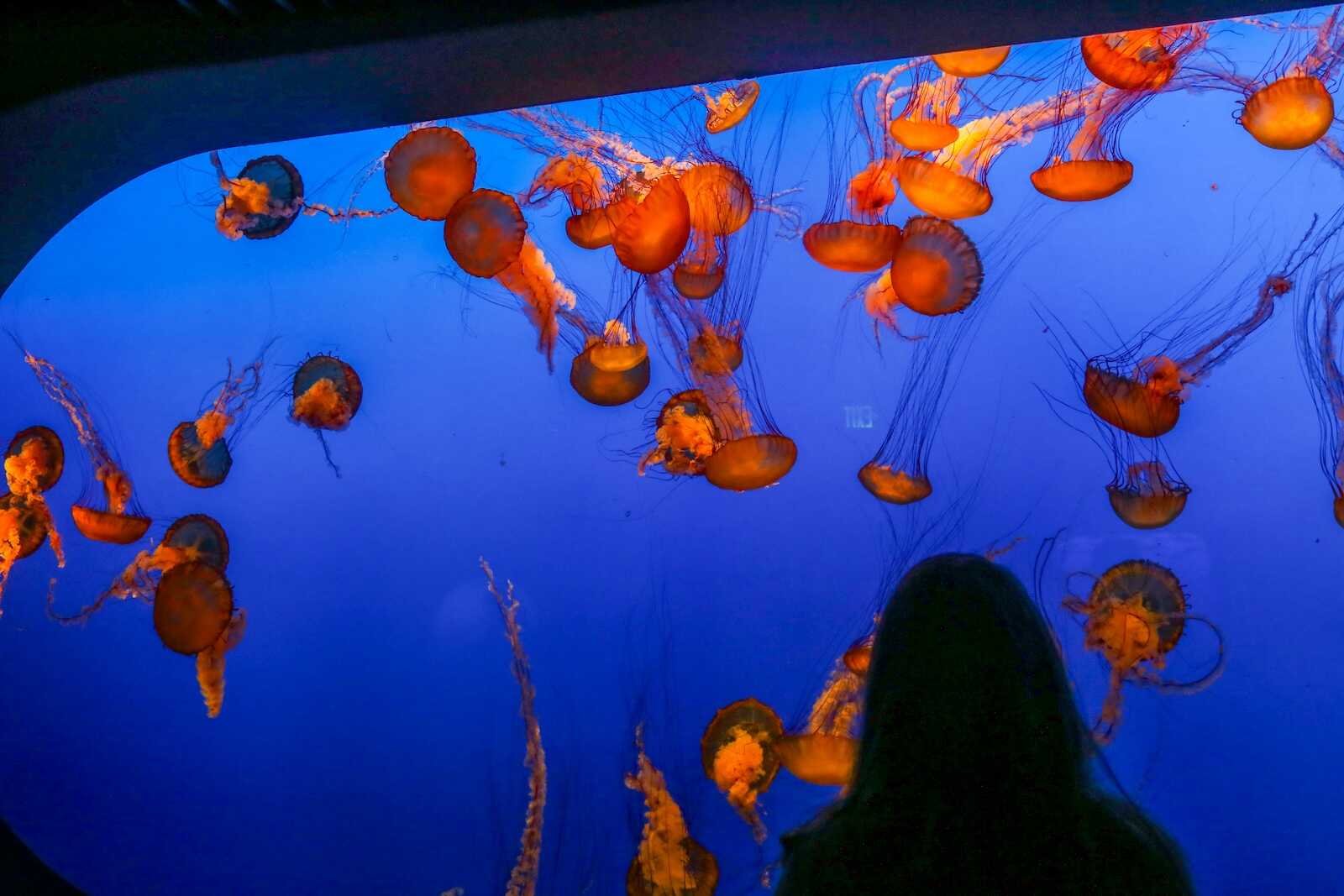
High operating costs, specialized animal care, conservation funding, and expensive coastal location drive prices.
As a long-time visitor and writer who studies aquarium operations, I explain why is the monterey bay aquarium so expensive with clear, research-backed insight. I have spoken with staff, toured behind the scenes, and reviewed nonprofit budgets to show how ticket prices reflect real costs, not profit margins. Read on for a practical breakdown, real examples, and tips to visit smartly.

Why is the Monterey Bay Aquarium so expensive? Key reasons
The short answer is simple: running world-class exhibits costs a lot. The aquarium supports live animal care, scientific research, education, and rescue work. These activities require staff, technology, and steady funding, which raises ticket prices.
Location matters too. The aquarium sits on valuable Monterey Bay waterfront where rent, utilities, and wages are higher than average. Add strict health and safety rules and specialized permits, and prices rise further. These factors explain why is the monterey bay aquarium so expensive for many visitors.

Breakdown of major cost drivers
Staffing and expertise
- Highly trained aquarists, veterinarians, divers, and educators work daily to keep animals healthy and exhibits running. Salaries form a large fixed cost.
Life-support systems and tanks
- Large tanks need constant filtration, temperature control, and water chemistry monitoring. Pumps, filters, and backup systems require ongoing maintenance.
Animal food and medical care
- Specialized diets and veterinary care for sea otters, sharks, and kelp species are costly and continuous. Some foods must be imported or prepared fresh.
Conservation, research, and education programs
- The aquarium funds rescue, rehab, and research projects and supports the Seafood Watch program. These efforts are mission-driven but require stable revenue.
Facility maintenance and capital projects
- Exhibits age and need upgrades. Big displays like the kelp forest require major investments. Renovations and new exhibits are expensive to design and build.
Regulatory compliance and insurance
- Permits, inspections, and insurance for public exhibits and animal care add ongoing costs. Compliance is non-negotiable and costly.
Utilities and coastal exposures
- Saltwater systems are corrosive and power-hungry. Coastal weather and storms mean extra maintenance and contingency planning.
These points illustrate why is the monterey bay aquarium so expensive: there are many unavoidable, high-cost components that deliver world-class experiences.

How your ticket money is spent
Ticket revenue helps keep daily operations and long-term programs afloat. Ticket sales support animal care, staff wages, utilities, and guest services. They also fund outreach and scientific work that extend beyond the building.
Common spending categories
- Animal care and medicine: daily feeding, health monitoring, and specialist treatments.
- Operations and facilities: pumps, HVAC, filtration, and building repairs.
- Programs and research: public education, rescue operations, and conservation science.
- Guest services: exhibits, interpretive signage, and live talks and demos.
My personal observation
My experience behind the scenes
On a staff tour I saw technicians replace filters and train otters. The visible effort made it clear that guest fees support many unseen activities. That view changed how I judge aquarium ticket prices.

Ways the aquarium keeps costs down and adds value
Efficient systems
- The aquarium invests in energy-efficient pumps and LED lighting to lower long-term costs.
Volunteer and community programs
- Volunteers expand outreach and reduce some operating expenses while strengthening community ties.
Partnerships and grants
- The aquarium partners with universities, NGOs, and funders to share costs on research and rescue projects.
Memberships and timed-entry
- Membership programs and timed tickets smooth attendance peaks and ensure steady revenue for programs.
Education and free digital resources
- The aquarium provides online lessons and public science resources, increasing value beyond the visit.
These approaches lower the pressure to raise prices while keeping programs robust, but they cannot eliminate core costs entirely. That balance explains part of why is the monterey bay aquarium so expensive.

Tips to visit without breaking the bank
Buy tickets in advance
- Online timed tickets often sell out but can be cheaper than at-the-door purchases.
Consider membership or multi-attraction passes
- If you plan multiple visits, a membership can cut per-visit cost. City or regional attraction passes may include discounts.
Visit off-peak
- Weekdays and non-holiday periods have lower crowds and sometimes lower add-on costs for parking and tours.
Look for bundled deals
- Combo offers with local attractions or public transit can reduce total trip cost.
Plan a compact visit
- Focus on must-see exhibits to get full value in a shorter time, reducing added expenses like food or nearby tours.
These practical steps help you manage expenses while still enjoying the aquarium. They also show alternatives when you wonder why is the monterey bay aquarium so expensive and want ways to make a visit affordable.

Frequently Asked Questions of why is the monterey bay aquarium so expensive
Why do tickets cost more than other aquariums?
Ticket prices reflect the aquarium’s operating scale, location costs, and mission work like research and rescue. Higher overhead and specialized exhibits increase per-visitor costs.
Does the aquarium make a profit from tickets?
The aquarium is a nonprofit that reinvests ticket revenue into operations, animal care, and public programs. Revenue supports mission-driven activities rather than profit distribution.
Are there discounts for locals or children?
Yes. The aquarium usually offers reduced rates for children, seniors, students, and sometimes local residents. Check the official site for current discount policies.
Why does animal care cost so much?
Special diets, veterinary care, and enrichment programs require trained staff and specialized supplies. Daily, specific animal needs add up quickly.
Can my visit directly support conservation?
Yes. Your ticket funds rescue, research, and education programs. Many exhibits and programs are explicitly funded by admissions and memberships.
Is parking or food included in the ticket price?
Typically not. Parking, food, and special tours are often additional. Planning ahead helps control total visit cost.
Conclusion
The cost of visiting reflects real expenses: specialized care, high-tech systems, staff expertise, and meaningful conservation work. Understanding why is the monterey bay aquarium so expensive helps you see ticket prices as support for science, animal welfare, and public education rather than just an entrance fee. Take action by choosing the best ticket option for your needs, consider a membership if you plan more than one visit, and share your experience to support mission-driven organizations. If this article helped, subscribe for more practical guides or leave a comment about your visit.