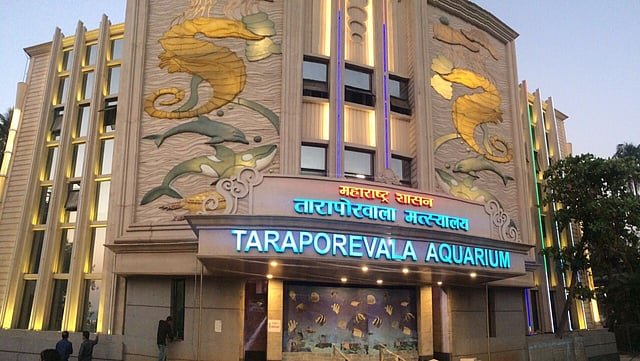
Taraporewala Aquarium closed for major redevelopment, safety upgrades, and improved animal welfare systems.
I write about this as a researcher and longtime observer of Mumbai’s heritage and public attractions. I’ll explain why is taraporewala aquarium closed, walk you through the main reasons, and share practical insights from visits, public statements, and redevelopment plans. This article gives clear, trustworthy context so you can understand the closure, its impact, and what to expect next.

Why the aquarium was shut down: a clear overview
People keep asking why is taraporewala aquarium closed. The short answer is that city authorities closed it so they could rebuild and modernize the facility to meet safety, animal health, and visitor standards.
The closure followed multiple concerns: aging infrastructure, outdated life-support systems for fish, and the need to meet modern exhibition and safety norms. Officials also cited improving animal welfare, accessibility, and long-term sustainability as core reasons.
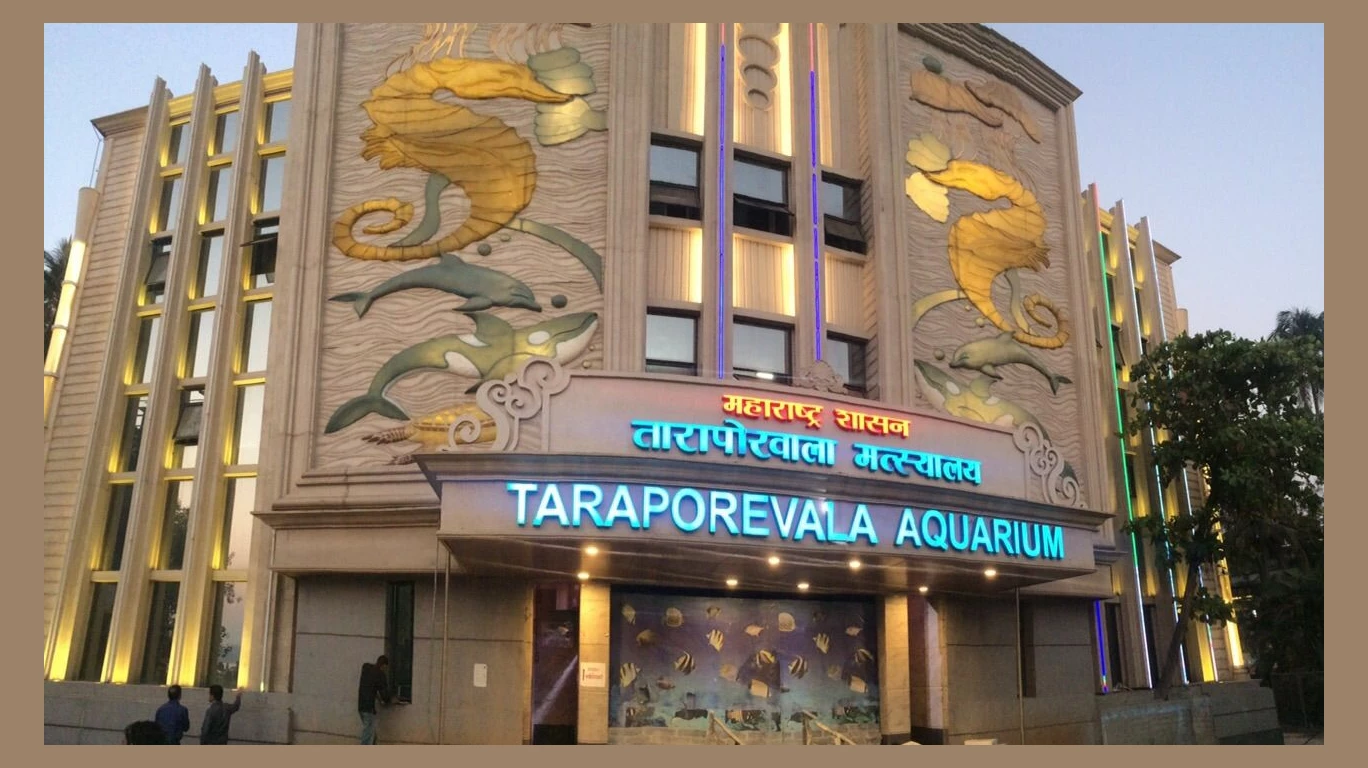
Main reasons behind the closure
Below are the main factors that explain why is taraporewala aquarium closed. Each factor affects both the animals and the public experience.
- Aging infrastructure and corrosion
- The original building and tanks were decades old and showed wear. Old filtration, pumps, and tank seals can fail, risking fish health and public safety.
- Outdated life-support and filtration systems
- Modern aquariums use advanced filtration, UV sterilization, and monitoring. Rebuilding was necessary because the old systems could not meet current standards.
- Animal welfare and species diversity concerns
- Keeping marine life healthy requires stable water chemistry and space. The closure allowed planners to design larger, better-regulated habitats.
- Regulatory and safety compliance
- New rules on public safety, fire standards, and accessibility made renovation essential. Compliance is costly and often requires full closure.
- Opportunity to modernize visitor experience
- The city aimed to upgrade displays, lighting, and interpretation to attract sustainable tourism and education programs.
- Maintenance backlog and budget planning
- Deferred repairs and limited funds meant piecemeal fixes were no longer viable. A full redevelopment was more cost-effective long term.
Each of these reasons supports the simple answer to why is taraporewala aquarium closed: the facility needed a deep rebuild to protect animals and visitors and to modernize exhibits.
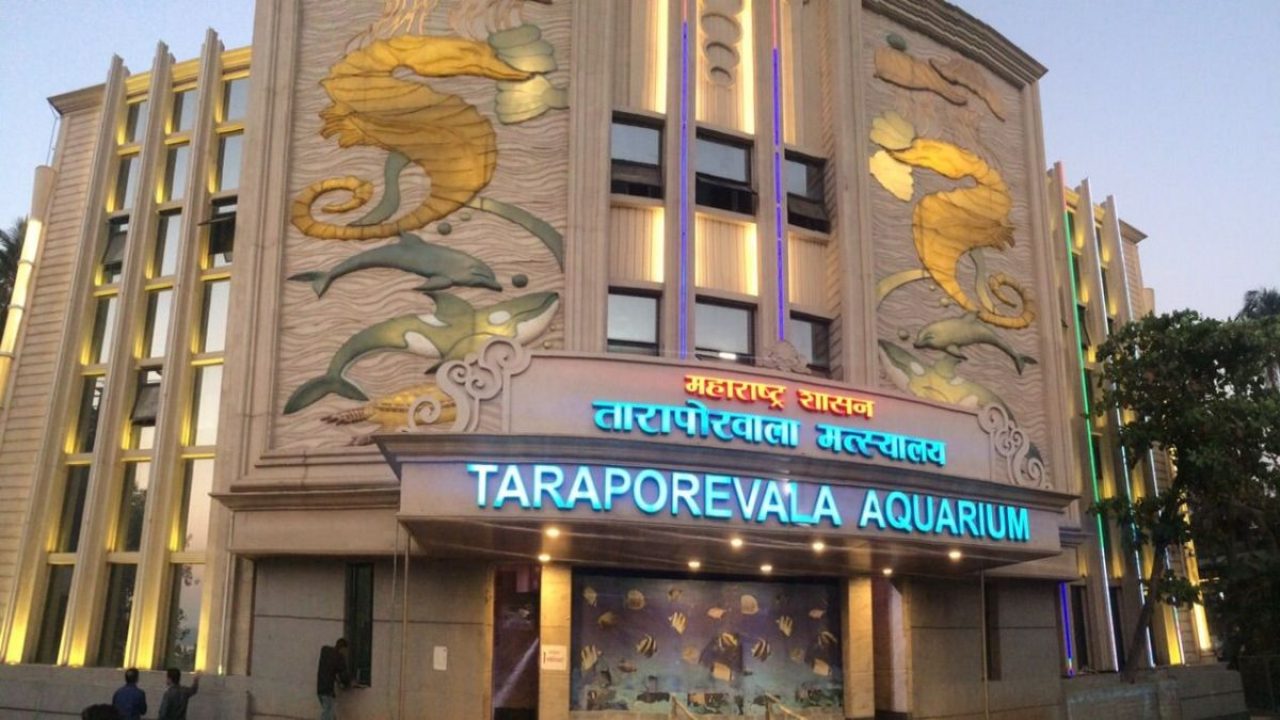
Timeline and decision process
Understanding the timeline helps explain why is taraporewala aquarium closed and how long such projects typically take.
- Initial assessments
- Engineers inspected tanks, pipes, and electrical systems and flagged major issues. Those reports advised a phased plan or full closure.
- Policy and funding decisions
- Municipal agencies evaluated costs. When long-term safety and welfare were prioritized, the decision favored redevelopment over patch repairs.
- Design and tendering stage
- New aquarium design work began, including plans for better life-support systems, ADA access, and educational spaces.
- Closure and relocation of stock
- Sensitive species were moved to safer, regulated facilities while construction proceeded.
Redevelopment timelines vary. Complex marine projects often span multiple years because of design, environmental permissions, and careful transfer of animals. That context clarifies why is taraporewala aquarium closed for extended periods.

Impact on marine life, staff, and the public
When people ask why is taraporewala aquarium closed, they worry about the animals and staff. Here’s what the closure means in practice.
- Animal care and relocation
- Animals are typically moved to accredited facilities or quarantine centers with strict monitoring. This minimizes stress but requires careful planning.
- Staff and institutional knowledge
- Keepers, vets, and support staff may work in temporary roles, train in new systems, or help with the redesign to ensure continuity of care.
- Public access and education
- Students and visitors lose a local learning hub during closure. Authorities often provide outreach programs or pop-up exhibits to fill that gap.
- Local economy and tourism
- Nearby vendors and guides feel the impact. However, a modern aquarium can revive visitor numbers and give a long-term boost once it reopens.
These practical effects are why is taraporewala aquarium closed seen not just as a temporary loss but also as an investment in better care and a stronger public amenity.

What to expect after redevelopment and practical tips
If you want to know what comes next after you learned why is taraporewala aquarium closed, here are expectations and tips.
- Improved animal habitats
- Expect better tank design, modern filtration, and species-appropriate exhibits that reduce disease risk.
- Stronger education and research focus
- New aquariums typically include classrooms, labs, and conservation programs tied to local marine studies.
- Safer and more accessible visitor spaces
- Look for improved walkways, ramps, and clear signage.
- Visiting tips while it’s closed
- Check official city updates before planning a trip.
- Explore nearby marine centers or virtual tours that some institutions offer.
- Support conservation programs and local NGOs who care for marine life during closures.
These points help explain not only why is taraporewala aquarium closed, but how the closure can lead to better outcomes for animals and the public.
My experience and practical lessons
I have researched public heritage projects and visited Mumbai’s waterfront attractions before and after upgrades. From that work, I learned several lessons about closures like Taraporewala’s.
- Prioritize animal health and safety over short-term access.
- Communicate timelines clearly to the public to reduce frustration.
- Use closures as a chance for staff training and stronger community outreach.
- Plan phased exhibits so some public programming can continue even during redevelopment.
These real-world insights explain why is taraporewala aquarium closed and how cities can manage closures more humanely and transparently.

Frequently Asked Questions of why is taraporewala aquarium closed
Is the closure permanent?
No. The closure is typically for redevelopment and safety upgrades, not a permanent shutdown. Authorities usually plan a reopening once the new facilities and systems pass inspections.
Were the fish and animals moved safely?
Yes. When aquariums close for redevelopment, trained staff coordinate transfers to accredited facilities and quarantine centers to ensure animal health and reduce stress.
How long will the closure last?
Closure lengths vary by project size and approvals. Complex marine redevelopments often take multiple years due to design, permissions, and careful animal relocation.
Can I get refunds for pre-booked tickets or events?
Ticket policies depend on the managing agency. Check official announcements or contact the aquarium’s administrative office for specific refunds or transfers.
Will the new aquarium focus on conservation?
Most modern redevelopments prioritize conservation, education, and research alongside visitor experience. Expect stronger conservation programs and learning resources after reopening.
Conclusion
The short, practical truth behind why is taraporewala aquarium closed is that the facility needed a full rebuild to meet modern standards for safety, animal welfare, and visitor experience. The closure is painful for visitors and local businesses, but it typically results in healthier habitats, better exhibits, and stronger long-term benefits. Takeaway: stay informed through official channels, support conservation groups during the closure, and plan a future visit once the aquarium reopens to see the improvements firsthand. Leave a comment if you have local updates or personal stories about the aquarium, and consider subscribing for alerts on reopening and conservation news.