Aquarium wood turns fuzzy because bacteria, fungi, or algae feed on organic compounds leaching from the wood.
I’ve kept and treated many tanks and worked with driftwood for years, so I know exactly why is my aquarium wood fuzzy and how to fix it. This guide explains causes, identification, safe removal, and long-term prevention so you can keep your hardscape clean and your fish healthy.
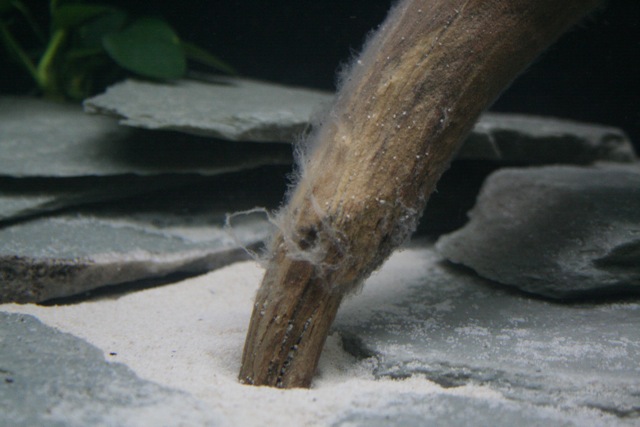
What causes aquarium wood to get fuzzy?
Fuzzy growth on wood is usually organic matter being broken down by microbes and algae. New driftwood often leaches tannins and sugars. Those organics feed bacteria and fungi that grow as white, brown, or green fuzz.
Low flow areas let the film settle and grow. Excess nutrients from overfeeding or decaying plant matter also feed fuzzy growth. High light encourages algae on exposed surfaces. Understanding why is my aquarium wood fuzzy helps you target the right fix quickly.

Types of fuzzy growth and how to tell them apart
White, cottony fuzz
White, cotton-like growth is typically saprophytic fungi or bacterial mats. It’s common on freshly added or cured wood and usually harmless. Gentle removal and improved oxygenation clear it fast.
Brown, slimy film
Brown fuzz may be diatoms or organic bacterial slime. It often appears in new tanks or when light is low and nutrients are present. Brown film usually fades as the tank matures.
Green fuzzy growth
Green fuzz is algae or green beard algae. It needs light and nutrients to thrive. Reducing light and nutrients helps this one the most.
Pink, orange, or reddish slime
Those colors point to pigmented bacteria or certain microbes. They can be persistent but are mostly harmless in small amounts. Good flow and cleaning reduce them.
Black stringy or hairy mats
Black fuzz can be filamentous algae or dense bacterial mats that trap detritus. These require more effort to remove and address underlying nutrient issues.

How to identify what’s growing on your wood
Check color, texture, and location to narrow it down. Fungi feel cottony and may release tiny threads when disturbed. Algae are often green and slimy, while bacterial mats can be brown, grey, or orange and feel slippery.
Test water for ammonia, nitrite, nitrate, and phosphate to see if nutrients are fueling growth. Observe how it responds to siphoning or light changes: algae react quickly to light reduction; fungi often persist until the organic load declines. When you ask why is my aquarium wood fuzzy, this simple checklist usually points to the cause.
Safe and effective removal methods
Manual cleaning
- Gently scrub wood with a soft brush during a water change. This removes most surface growth.
- Use a siphon to catch loosened particles and avoid letting them spread.
Soaking and boiling
- For removable pieces, boil the wood for 20–60 minutes if size allows. Boiling kills microbes and helps release tannins.
- If boiling isn’t possible, soak the wood in dechlorinated water and change soak water until it clears.
Targeted treatments
- Spot-treat with a 3% hydrogen peroxide solution using a syringe, then rinse well. This kills microbes without harming tank life when used carefully.
- Avoid bleach unless you can treat the wood thoroughly and rinse until no odor remains; bleach is risky if mishandled.
Biological control
- Add grazers like Amano shrimp, Nerite snails, or the right pleco species to nibble soft algae. These help control algae but may ignore fungal growth.
- Maintain a healthy population of bacteria in the filter to outcompete nuisance microbes.
When addressing why is my aquarium wood fuzzy, combine manual removal, improved water quality, and biological grazing for best results.

Step-by-step plan to clean heavily fouled wood
- Remove the wood if practical. This prevents spreading debris in the tank.
- Rinse and scrub with a vegetable brush under running dechlorinated water.
- Boil or soak for several hours, changing water until it runs clear.
- Reintroduce to tank after a final rinse and check that no chemical smell remains.
- Improve tank flow and reduce nutrients to prevent recurrence.
This method worked for me when a large piece of driftwood developed thick white fuzz after a redecorate. Boil, scrub, and a week of boosted flow solved it.

Prevention and maintenance to keep wood clean
- Cure new wood before adding it to the display tank by soaking in a bucket and changing water daily until clear.
- Boil suitable pieces to remove organics and kill microbes.
- Maintain good water flow around wood with circulation or powerheads.
- Reduce excess nutrients by avoiding overfeeding and by performing regular water changes.
- Keep lighting balanced — not too long or too intense — to deter algae growth.
- Introduce suitable grazers to help control soft algae naturally.
Preventing fuzzy wood is about reducing food for microbes and keeping surfaces clean. That’s the best way to stop the question why is my aquarium wood fuzzy from coming up again.

Impact on fish, plants, and tank health
Most fuzzy growth is cosmetic and not directly harmful to fish. It can, however, indicate elevated organics or poor circulation. Heavy decay of wood or very dense bacterial mats can stress fish by reducing oxygen or releasing ammonia.
If fish show signs of stress, test water parameters immediately and consider removing problematic wood. Regular checks and quick action make silkier tanks and happier fish.

Common mistakes and myths to avoid
- Thinking all fuzzy growth is deadly — most is benign and temporary.
- Using bleach carelessly on porous wood without full neutralization.
- Over-cleaning biological filter media while trying to remove fuzz.
- Relying only on chemical fixes instead of addressing flow and nutrients.
- Introducing wood to the tank without curing it first.
Avoid these pitfalls to manage fuzzy wood safely and effectively.

Frequently Asked Questions of why is my aquarium wood fuzzy
What causes white fuzzy growth on my aquarium wood?
White fuzzy growth is usually saprophytic fungi or bacterial mats feeding on organic compounds leached from the wood. It commonly appears on new wood and often fades as the tank stabilizes.
Is fuzzy wood harmful to fish?
Most fuzzy growth is cosmetic and not toxic, but dense decay can lower oxygen and raise ammonia, which can stress fish. Monitor water parameters and remove heavily decaying wood if needed.
How long does it take for fuzzy growth to go away?
It often clears in days to weeks as organics are consumed and the tank matures. Active cleaning, improved flow, and reduced nutrients speed up the process.
Can I use bleach to clean aquarium wood?
Bleach can be used but is risky; you must neutralize it and rinse thoroughly before reintroducing wood. Safer options include boiling, thorough soaking, or hydrogen peroxide spot treatments.
Will algae-eating shrimp or snails remove the fuzz?
Grazers like Amano shrimp and Nerite snails help control soft algae but may not remove fungal growth or dense bacterial mats. Combine grazers with cleaning and water quality fixes for best results.
Should I remove the wood immediately if it gets fuzzy?
Not always. If the growth is light and fish appear normal, you can scrub and improve conditions in place. Remove heavily fouled pieces to clean them outside the tank if the problem persists.
Conclusion
Fuzzy growth on aquarium wood is a common outcome of organic leaching, low flow, or excess nutrients. By identifying the type of fuzz, improving water movement, managing nutrients, and using safe cleaning methods, you can restore clean wood and a healthy tank. Start by curing any new wood, check your water quality, and use gentle removal methods before resorting to strong chemicals. Try these steps, monitor results, and share your experience or questions below — I’d love to help you troubleshoot further.