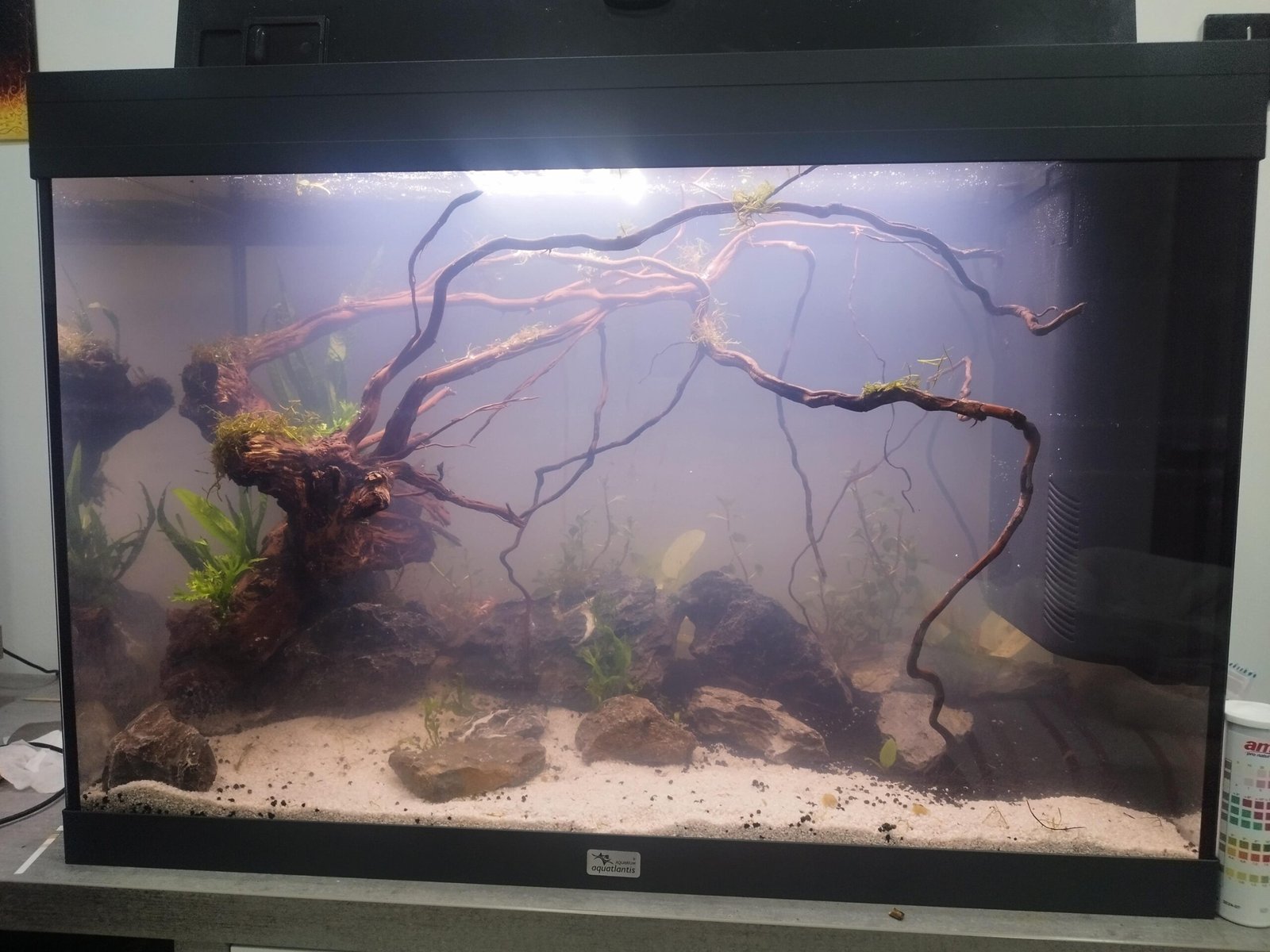
Cloudy aquarium water usually results from excess waste, bacteria bloom, or poor filtration.
I have worked with hobbyists and aquarists for years, fixing tanks that look fine on the outside but clouded inside. This guide explains why is my aquarium water not clear, breaks down the real causes, and gives clear, practical fixes you can use today. Read on to learn how to diagnose the problem, test your water, and keep your tank crystal clear with simple, reliable steps.
:strip_icc()/cloudy-aquarium-water-1378803-3736ff0eb5b34aa0907ae9df2882a86e.png)
Common causes of cloudy aquarium water
Cloudy water is a common sign that something in the tank is out of balance. Below are the main reasons you will see cloudiness, and how each one forms.
Bacterial bloom
When beneficial bacteria multiply quickly, they can turn water milky. Bacterial blooms happen after large water changes, overfeeding, or in new tanks that are still cycling.
Suspended particles and detritus
Tiny bits of food, plant debris, and fish waste can float and make water look dirty. Poor mechanical filtration or disturbed substrate often increases these particles.
Algae bloom
Green, cloudy water often comes from microscopic algae. Too much light, excess nutrients, and high nitrates feed algae and cause visible green haze.
Mineral cloudiness (hard water)
Fine mineral particles from tap water or lime deposits can make water look hazy. This often occurs after large water changes with untreated hard water.
Tannins and dissolved organics
Leaves, driftwood, or overused filter materials can release tannins and color the water brown or yellow. While not harmful in small amounts, excessive organics can reduce clarity.
Overstocking and overfeeding
More fish means more waste. Overfeeding creates uneaten food that decomposes and clouds water. Overstocking raises ammonia and nitrate levels that fuel bacteria and algae.
New tank syndrome
A brand-new aquarium commonly goes cloudy in the first weeks as the biological filter establishes. This is a normal part of cycling but needs monitoring.
How to test and diagnose why is my aquarium water not clear
Diagnosing the root cause helps you pick the right fix. Follow this step-by-step test checklist.
- Look closely at the color and timing. Note whether water is white, green, brown, or gray, and when it appeared.
- Test basic water chemistry. Measure ammonia, nitrite, nitrate, pH, GH, and KH with quality test kits.
- Check filter performance. Confirm the filter is running, flow is adequate, and mechanical media is not clogged.
- Inspect substrate and decorations. Disturbed gravel or dirty driftwood can cloud the tank.
- Observe fish and plants. Sick or stressed animals and dying plants often coincide with cloudiness.
- Consider recent changes. Think about water changes, new fish, feeding changes, or added decorations.
These steps will tell you if cloudiness is biological, physical, chemical, or a normal new-tank effect. Repeating tests across several days helps track trends.

Practical fixes: clear cloudy aquarium water fast and safely
Once you know why is my aquarium water not clear, use the right fix. Below are effective short-term and long-term solutions.
Immediate steps to clear water
- Perform a partial water change of 25–50 percent. Use dechlorinated water at the tank’s temperature.
- Vacuum the substrate to remove uneaten food and waste.
- Reduce feeding to once daily or every other day until clarity returns.
- Clean mechanical filter media gently in tank water to avoid killing bacteria.
Improve filtration and water quality
- Upgrade or add a filter if flow is low for the tank size.
- Add or replace mechanical media like sponges or floss to catch particles.
- Use activated carbon for tannins or dissolved organics; replace monthly.
- Consider a UV sterilizer for persistent green water from free-floating algae.
Biological balance and supplements
- Add bottled nitrifying bacteria during or after major changes to stabilize the cycle.
- Avoid antibiotics or harsh chemicals that disrupt beneficial bacteria.
- Let the tank’s biological filter recover after cleaning; don’t replace all media at once.
Use flocculants cautiously
- Water clarifiers can bind particles so filters remove them more easily.
- Use small doses and follow directions; they don’t fix nutrient or biological causes.
From my experience, a 30–40 percent water change, careful gravel vacuuming, and a cleaned filter often clear cloudy water within 24–48 hours. More stubborn blooms may need improved filtration or a UV unit.
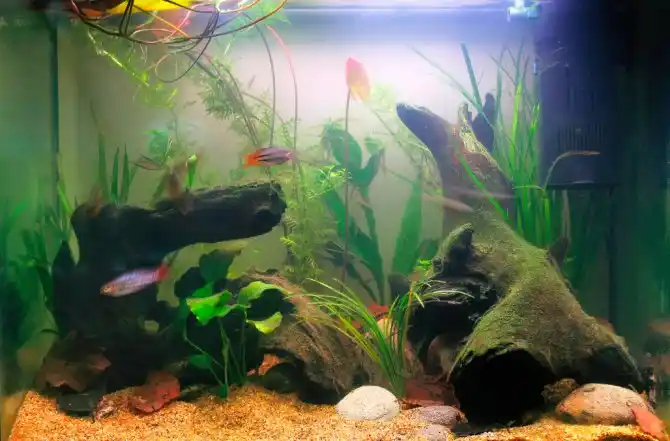
Long-term maintenance to keep water clear
Prevention is the most reliable way to avoid asking why is my aquarium water not clear. Build a simple routine and stick to it.
- Weekly schedule
- Perform 10–25 percent water changes weekly for most community tanks.
- Test ammonia and nitrite weekly, and nitrate biweekly.
- Monthly tasks
- Replace or rinse mechanical filter media in tank water.
- Clean or inspect filter impeller and tubing.
- Feeding and stocking habits
- Feed small amounts that fish consume in 2–3 minutes.
- Avoid overstocking; follow stocking guides for fish size and behavior.
- Plants and lighting
- Use live plants to compete with algae for nutrients.
- Limit light to 6–8 hours daily to reduce algae growth.
- Source water management
- Treat tap water with a conditioner and test for hardness.
- Consider using RO/DI water for sensitive setups.
A steady, low-effort routine reduces spikes in waste and nutrients that cause cloudy water.

Common mistakes and lessons from my experience
Many hobbyists try quick fixes that make things worse. Here are mistakes I’ve seen and how to avoid them.
- Over-cleaning the filter
- Cleaning all media at once kills beneficial bacteria and can cause ammonia spikes. Clean one piece at a time.
- Doing massive water changes with untreated water
- Large changes with hard tap water shock fish and reintroduce minerals that cloud the tank.
- Overfeeding to “help” thin fish
- Extra food only adds to waste and fuels bacteria and algae.
- Using too many chemicals
- Mixing clarifiers, antibiotics, and heavy-duty cleaners can harm fish and degrade biological filtration.
I once cleared a tank with daily 50 percent changes and full filter swaps. The tank crashed afterwards. I learned small, regular maintenance is better than aggressive cleaning.
When to seek professional help or advanced solutions
Some problems need expert input. Reach out if any of these apply:
- Persistent high ammonia or nitrite after repeated fixes
- Sudden mass fish deaths or severe fish illness
- Cloudiness accompanied by sticky film or foul odor
- Recurrent algae blooms despite proper care
Professional options include aquatic vets, experienced local shops, or lab water testing for hidden contaminants. Advanced tools like UV sterilizers or commercial-grade filters can help larger or specialized tanks.

Frequently Asked Questions of why is my aquarium water not clear
Why does my aquarium water turn white or milky?
White or milky water usually indicates a bacterial bloom from excess organic matter or a tank still cycling. It often clears after improved filtration and partial water changes.
Why is my aquarium water green and cloudy?
Green, cloudy water is almost always microscopic algae in suspension. Reduce light, lower nutrients, and consider a UV sterilizer to remove free-floating algae.
Will water clarifiers damage my fish?
Most clarifiers are safe when used at the right dose, but they are temporary fixes. Clarifiers bind particles so filters can remove them; they do not fix nutrient or biological imbalances.
How long does new tank cloudiness last?
New tank cloudiness typically lasts a few days to a few weeks while the biological filter establishes. Adding bacteria and avoiding overfeeding speeds the cycle.
Can overcleaning cause cloudy water?
Yes. Cleaning or replacing all filter media at once can disrupt beneficial bacteria and lead to spikes in ammonia, causing cloudy water and stressing fish.
Conclusion
Cloudy water is frustrating but usually solvable. Identify whether the issue is biological, physical, or chemical, then use targeted fixes like partial water changes, better filtration, and reduced feeding. Keep a simple maintenance schedule to prevent repeat problems. Try one change at a time, test often, and learn from what your tank tells you. If issues persist, consult a professional or a trusted aquarium specialist for tailored help. Share your experience, subscribe for more guides, or leave a comment with your tank details so we can help further.