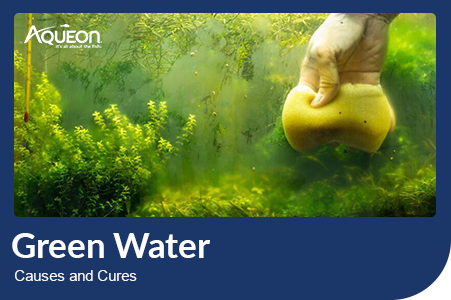
Most aquariums turn green due to algae overgrowth from excess nutrients and light.
If you've noticed your aquarium turning green, you're not alone. This common issue often stumps new and seasoned aquarists alike, leading to murky waters that obscure the beauty of your aquatic haven. Understanding why this happens is essential for maintaining a healthy tank. Let's dive into the factors contributing to this green phenomenon and how you can restore clarity to your underwater world.
Causes of a Green Aquarium
Keeping your aquarium free from unwanted greenery involves understanding the root causes of algae growth. Here’s a closer look at what might be causing your tank to resemble an undersea jungle:
Excess Light
- Algae thrive in environments with too much light, so extended exposure to intense lighting can lead to rapid algae proliferation.
- Adjusting the duration and intensity of your aquarium lights can help, aiming for a balanced setup that supports plant growth without inviting algae.
Nutrient Imbalance
- High levels of nutrients like nitrates and phosphates in your aquarium water can fuel algae blooms.
- Overfeeding fish can contribute significantly to this imbalance, as uneaten food decomposes and releases nutrients.
Poor Water Quality
- An aquarium with inadequate filtration can allow waste products to accumulate, promoting algae growth.
- Regular water changes and maintenance of filter systems are crucial to maintaining clarity.
Inconsistent Maintenance
- Algae can quickly take over when routine maintenance is ignored, including cleaning the glass, removing debris, and keeping plants well-trimmed.
Direct Sunlight
- Positioning your aquarium in direct sunlight can exacerbate algae growth due to increased light exposure.
- Relocating your tank to a shadier spot might be necessary to control the light levels.
How to Fix a Green Aquarium
Addressing the green spectacle in your tank requires strategic action. Here are some practical steps to reclaim the pristine quality of your aquarium water:
Reduce Light Exposure
- Limit the lighting period to 6-8 hours daily.
- Consider using light timers to maintain consistency.
Control Nutrient Levels
- Perform regular water changes, typically 10-15% weekly, to reduce nitrate and phosphate levels.
- Ensure you feed your fish adequately without overfeeding.
Upgrade Filtration
- Invest in a high-quality filter to support your tank's ecosystem.
- Clean or replace filter media as necessary to keep it effective.
Algae Eaters
- Introduce algae-eating fish or invertebrates such as snails or shrimp to help manage algae naturally.
Chemical Solutions
- Use algaecides sparingly and as a last resort, ensuring they are appropriate for the species in your tank.
Personal Experience and Tips
In my years of maintaining aquariums, battling algae was a recurring challenge. I learned to regulate feeding schedules and lighting durations meticulously. Installing a high-grade filtration system transformed my setup, reducing nutrient build-up and keeping algae in check. Remember, consistency is your ally in maintaining a clear, healthy tank environment.
Frequently Asked Questions
What causes aquarium water to turn green?
Green water is usually caused by an overgrowth of free-floating algae, often resulting from excess nutrients and light.
Can too many fish cause algae problems?
Yes, overstocking can lead to increased waste and nutrients, promoting algae growth.
How can I prevent green water in my fish tank?
Regular maintenance, controlled lighting, and proper feeding routines are crucial in preventing green water.
Is green water harmful to fish?
While not directly harmful, green water indicates underlying water quality issues that may stress fish.
Can live plants help control algae?
Yes, live plants compete for nutrients with algae, often reducing their growth.
Conclusion
Maintaining a clear aquarium is achievable with consistent care and attention to detail. By understanding the causes of algae growth and taking proactive measures, you'll enjoy a vibrant and healthy aquatic environment. Why not take a step today to bring clarity back to your tank? Subscribe for more tips or share your experiences in the comments below!