
Most aquarium water drops because of normal evaporation, leaks, or routine maintenance.
I’ve kept aquariums for years, and I often get asked why does the water level in my aquarium go down. I’ll walk you through the real reasons, simple tests, and fixes. You’ll learn how to spot evaporation versus a leak, how equipment and temperature play a role, and practical steps to stop unwanted water loss. Read on to get clear, confident answers you can try today.

Common causes of why does the water level in my aquarium go down
There are a few clear reasons the water drops in a tank. Evaporation is the most common cause. Small leaks, plumbing or filter issues, and regular water changes also lower the level. Fish activity, splashing, and plants can move water out of the top of the tank too. I’ve seen tank tops that looked closed but still lost water from steady splash and evaporation.

Evaporation: the usual suspect
Evaporation is normal and happens when water turns into vapor. Warmer water and dry room air speed this up. Tanks with no lids or open tops lose water faster. If you reduce heat or add a lid, you will slow the drop. I once thought my tank leaked; it was just warm room air and a lot of surface area causing fast evaporation.
Leaks and cracks: how to spot them
A leak causes steady, often fast drops in water level. Check seams, the tank bottom, and any external plumbing. You can run a paper-towel test around fittings, or place the tank on dry newspaper for a day and look for wet spots. If water pools under the stand or on the floor, it is likely a leak and needs repair or professional help.
Equipment and filtration problems
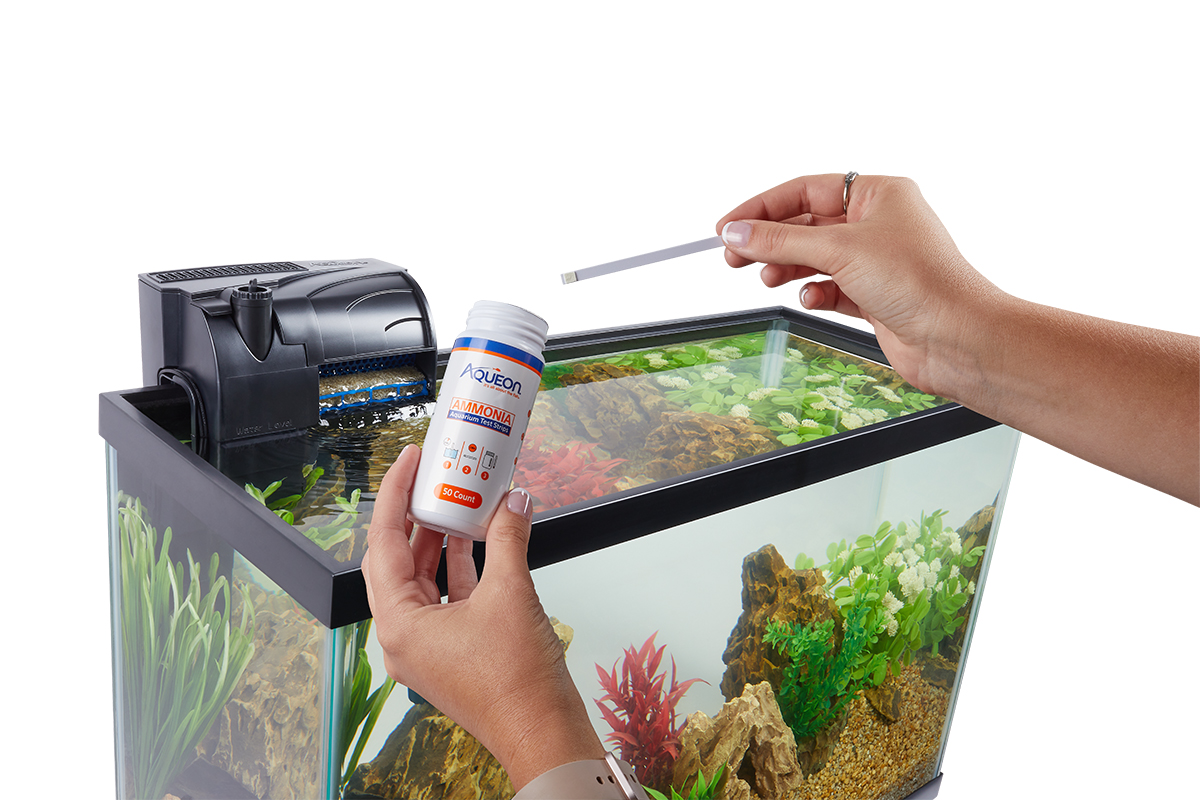
Filter hoses, return lines, and pumps can leak or spray water. Poorly seated fittings, cracked valves, or loose hose clamps allow water to escape. Overflow boxes and sump connections are common culprits. Inspect and tighten connections, and replace aged tubing to prevent surprises.

Water changes, splash, and fish behavior
Regular water changes make the level go down by design. Active fish that jump or splash can move water out of an open tank. During feeding or play, surface agitation causes water loss through splashes and small droplets landing outside the tank. Account for routine tasks when checking why does the water level in my aquarium go down.

Temperature and humidity effects
Higher water temperature raises evaporation. Low room humidity also increases the rate at which water leaves the tank. Heating devices, strong room heaters, and direct sunlight all change water loss. Keep the tank area at stable temperature and humidity for steady water levels.
How to test and detect leaks step by step
Follow these simple checks to find the cause.
- Turn off equipment and inspect all visible hoses and plugs for dampness.
- Run a paper-towel around seals and fittings; a wet towel shows a leak.
- Mark the water line and check after 24 hours with all gear off to see if water drops.
- Remove decorations and test the tank on its stand for hidden drips.
If level drops with gear off, it is likely a leak or evaporation. If it drops only with gear on, check pumps and plumbing.
:strip_icc()/low-oxygen-in-aquarium-water-1381215_sourcefile-8b8a80e64aef4b48868b53e1d55936aa.jpg)
Source: thesprucepets.com
Measure evaporation rate and what’s acceptable
Set a baseline to know normal loss for your setup.
- Mark the water line with tape or a non-permanent marker.
- Check the level after 24 hours without topping up.
- Measure the drop in inches or liters per day.
Small, steady loss from 0.1 to 0.5 inches per day is common in open tanks. Larger rates often mean a problem. Track this rate weekly to spot changes.
Source: reddit.com
Simple fixes and long-term solutions
Fixes are often quick and cheap.
- Add a fitted lid or hood to reduce evaporation.
- Tighten hose clamps and replace cracked tubing.
- Move the tank away from direct sun and heaters.
- Use an auto top-off system for stable water levels if you travel a lot.
- Replace worn filters and seals to stop equipment leaks.
I installed a glass canopy on one tank and cut evaporation in half overnight.
Preventive maintenance checklist
Use this checklist to prevent future drops.
- Inspect seams and fittings monthly.
- Clean and service filters every 4 to 6 weeks.
- Keep water temperature steady and avoid direct sunlight.
- Maintain room humidity with a humidifier if the house is very dry.
- Keep a small bottle of conditioned water for quick top-ups.
Routine care solves most cases of why does the water level in my aquarium go down.
Troubleshooting flowchart (quick steps)
Try these steps in order for fast results.
- Mark the water level and check after 24 hours with all gear off.
- If level stays stable, run devices one at a time to spot leaks.
- If level drops with everything off, suspect evaporation or tank leak.
- Use paper-towel tests on fittings and drains to find hidden leaks.
- If you find a crack, stop using the tank until it is fixed or replaced.
These steps helped me find a tiny drip under a valve that I missed at first.
When to call a professional
Call a pro when you find a major crack, persistent leak under the tank, or if you cannot locate the source. Structural cracks can lead to sudden failure and water damage. A professional can assess repair safety and give long-term fixes. Don’t risk large tanks if you suspect a major fault.
Frequently Asked Questions of why does the water level in my aquarium go down
Why does the water level in my aquarium go down overnight?
Most overnight drops are evaporation. Warm nights, low room humidity, and open tops cause water loss. Check your room temperature and consider a lid.
Can plants cause my tank to lose water?
Yes. Plants can increase surface agitation and transpiration, which slightly raises evaporation. Floating plants also increase surface area and can speed water loss.
Is a slow drip under the stand dangerous?
Yes, even a slow drip can damage wood and flooring over time. Find and fix the source quickly and use a drip tray until repaired.
Will an auto top-off system solve the problem?
An auto top-off system keeps level stable but does not fix leaks. It prevents drops from evaporation and saves time but monitor it for failures.
How often should I top off water?
Top off as needed to restore the marked level. Many tanks need small top-offs weekly. Track evaporation rate first to build a routine.
Could a filter cause visible water loss?
Yes, filters with loose fittings or cracked housings can spray or leak. Inspect hoses and clamps and replace worn parts.
Is water loss harmful to fish?
Slow, small water loss is not harmful if you top off with treated water. Rapid loss or leaks cause stress and demand immediate action to protect fish.
Conclusion
Drops in aquarium water level are usually easy to fix. Evaporation, leaks, and equipment issues are the top causes of why does the water level in my aquarium go down. Use simple tests, track the rate, and apply the fixes above. Take action now: mark your water line, inspect hoses, and consider a lid or auto top-off to keep your tank steady. If you found this helpful, try the checklist, leave a comment with your issue, or subscribe for more aquarium tips.