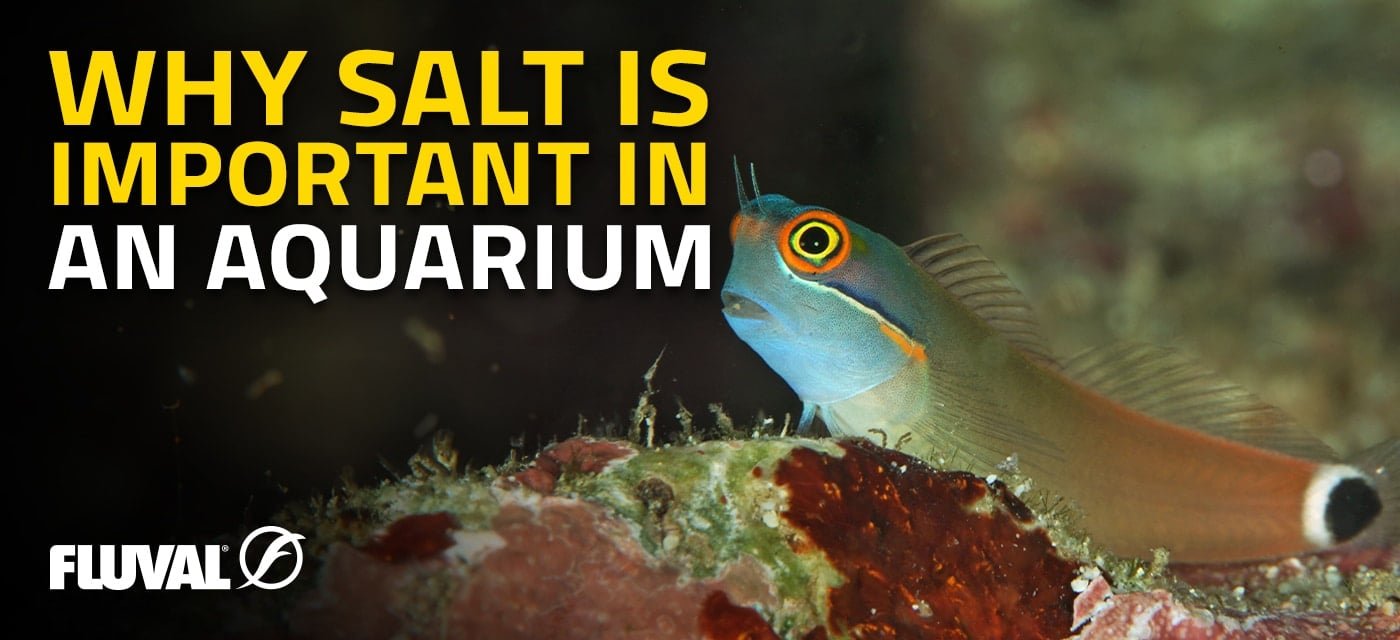
Balanced water chemistry, proper filtration, and a stable environment are important for an aquarium.
I have kept tanks for years and helped many beginners. I know what keeps fish healthy and plants thriving. This friendly guide explains what is important for an aquarium. You will get clear steps, real tips, and things I learned the hard way. Read on to build a tank that runs smoothly and looks great.

Why water quality and stability are important for an aquarium
Healthy water is the base of a good tank. Fish and plants live in the water. If water is bad, they get sick fast. That is why water quality and stability are important for an aquarium.
Good water means correct temperature. It means low ammonia and nitrite. It means steady pH and proper hardness. Keeping water steady makes fish feel safe and reduces stress.
I once added fish too soon. Ammonia spiked and a few fish died. After that I always cycle a tank first. That mistake taught me how important for an aquarium care truly is.
Essential equipment that is important for an aquarium
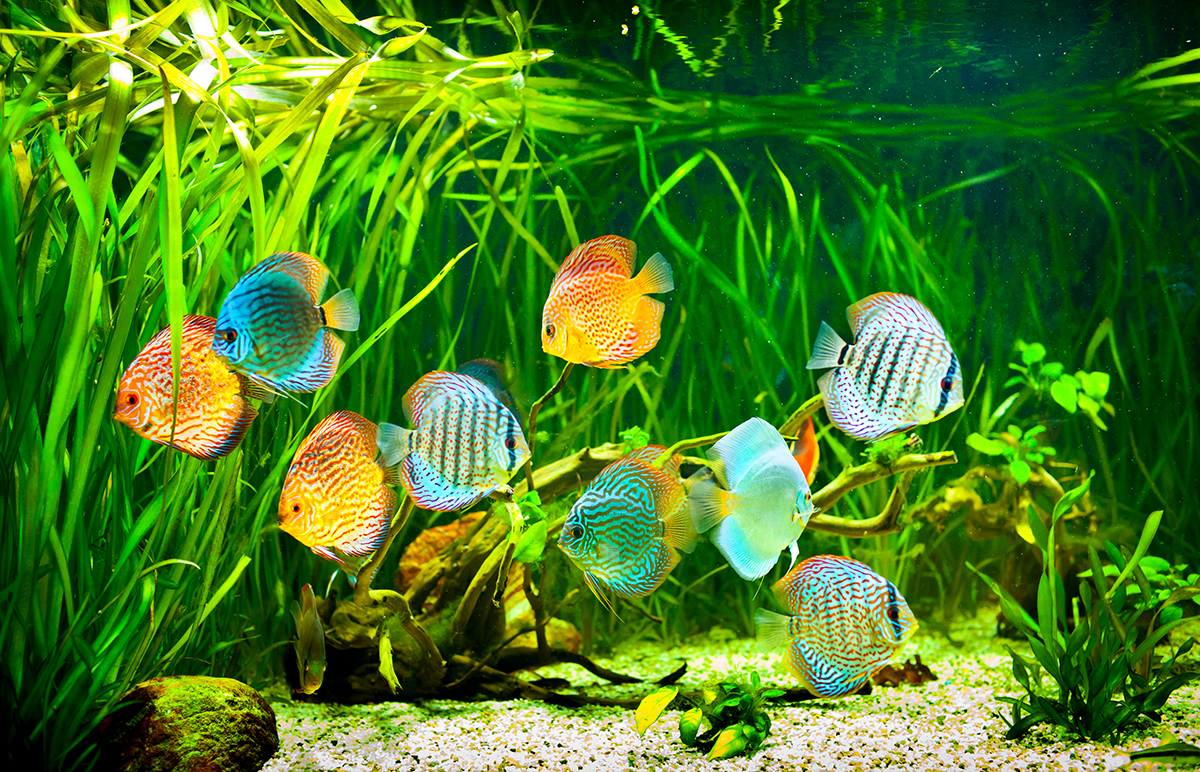
A few key tools make a big difference. These items help you keep water clean and life healthy. They are the things that are important for an aquarium.
- Filtration: Use a filter sized for your tank. It removes waste and fosters beneficial bacteria.
- Heater: A stable heater keeps tropical fish at the right temp. Sudden drops stress fish.
- Light: Proper light supports plants and shows off colors.
- Test kits: Test ammonia, nitrite, nitrate and pH often. Tests tell you when to act.
- Thermometer: A small tool that prevents temperature surprises.
- Substrate and decor: They give fish places to hide and plants a place to root.
- Cover or hood: It slows evaporation and keeps fish safe.
Pick good quality gear. Cheap gear often fails when you need it most. Choosing the right tools is central to what is important for an aquarium.
Water cycling, testing, and routine maintenance — what is important for an aquarium
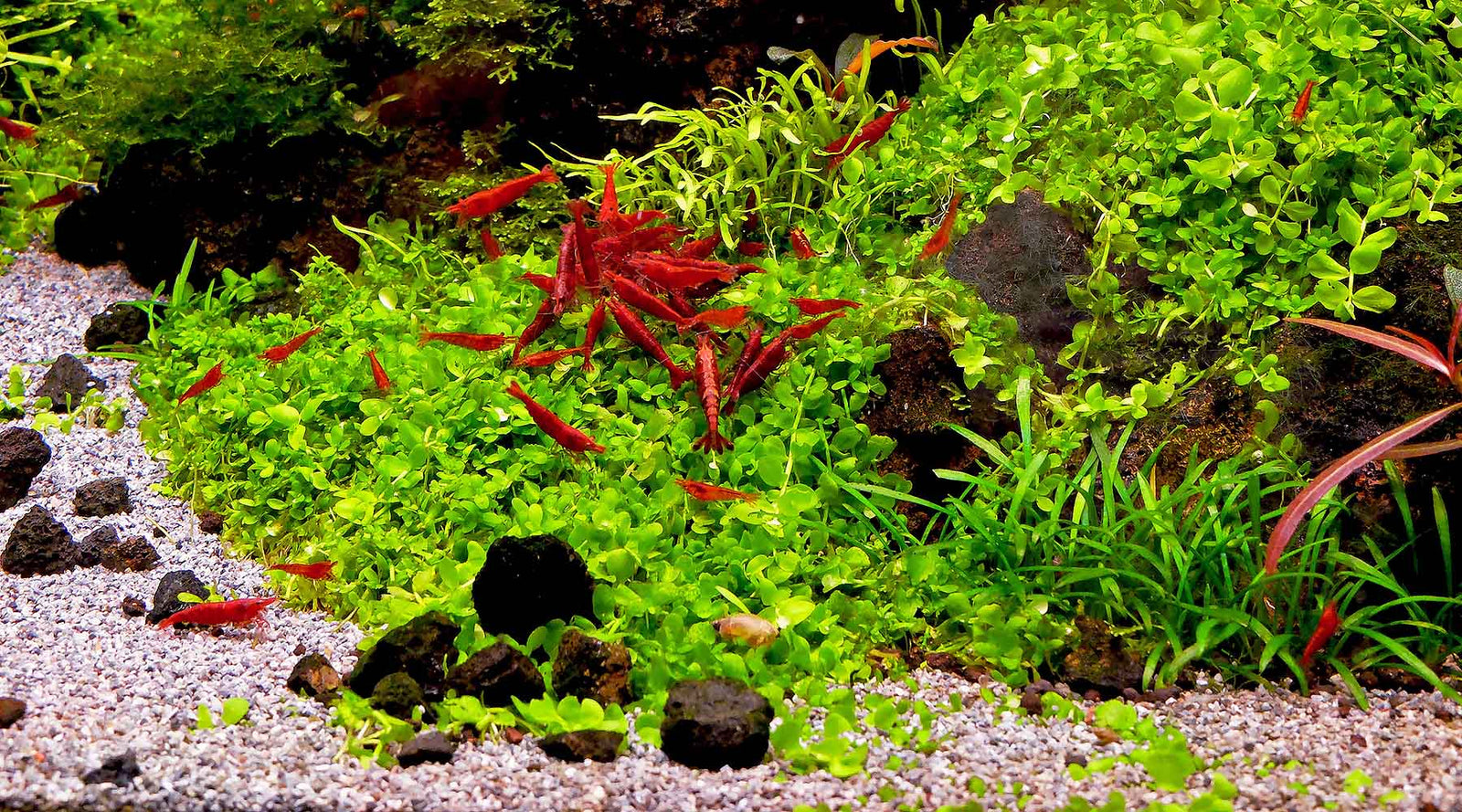
Start by cycling your tank before adding many fish. Cycling builds bacteria that break down waste. This process prevents toxic spikes in ammonia and nitrite.
Test water often when you are new. Test once or twice a week at first. Look for ammonia 0 ppm, nitrite 0 ppm, and low nitrate. pH and hardness depend on species. Keep a log. Small notes help you see trends.
Do regular water changes. Change 10–25% weekly for most tanks. Use a siphon to remove waste from the substrate. Clean filters gently in tank water. These chores are simple but crucial. They are the daily things that are important for an aquarium.

Choosing fish, plants, and compatibility — what matters for a happy tank
Match fish to tank size and each other. Some fish need lots of space. Some are peaceful. Some are aggressive. Research species before you buy.
Plants help water quality and give shelter. Live plants lower nitrate and improve oxygen. Choose plants that fit your light and substrate. Ask if plants and fish coexist well.
Stock slowly. Add a few fish at a time over weeks. This prevents sudden waste load. Slow stocking is a common tip for what is important for an aquarium.

Common mistakes and troubleshooting to avoid what is harmful for an aquarium
Many beginners overfeed. Leftover food causes ammonia. Feed small amounts and remove excess.
Another common error is skipping the cycle. New tanks need time. Rushing leads to toxic spikes and fish loss.
Using the wrong water source can also cause trouble. Tap water may have chlorine. Use a conditioner and test the water before adding it.
If algae grow fast, check light and nutrients. Too much light or excess food feeds algae. Adjust lighting and do water changes. Simple fixes keep your tank in balance and show what is important for an aquarium.
Quick step-by-step setup checklist that covers what is important for an aquarium
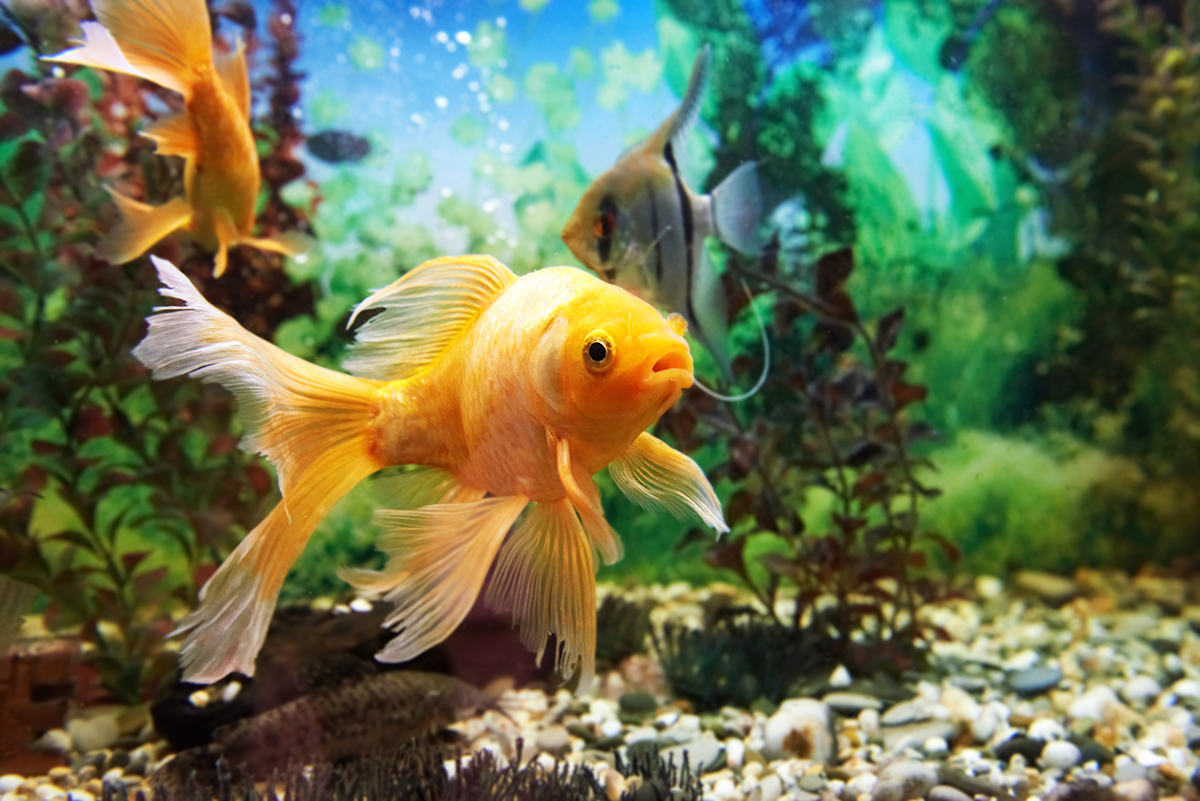
Follow these steps to start right. Each step builds on the last.
- Choose tank size and location away from direct sun.
- Rinse substrate and set up decor.
- Install filter, heater, and thermometer.
- Fill with conditioned water and start the filter.
- Cycle the tank using fishless or seeded methods.
- Test water weekly and keep a log.
- Add fish slowly and observe behavior.
- Do 10–25% water changes weekly as needed.
This checklist saves time and prevents common problems. These steps highlight what is important for an aquarium from day one.
Frequently Asked Questions of important for an aquarium
What is the most important parameter to monitor in an aquarium?
Ammonia is the most urgent to monitor. High ammonia is toxic and can kill fish quickly, so test and keep it at 0 ppm.
How often should I test aquarium water?
Test weekly when stable, and more often if you add fish or see problems. Testing helps you react before small issues become big.
Why is cycling important for a new aquarium?
Cycling builds bacteria that break down fish waste. Without it, ammonia and nitrite rise and harm fish.
How many fish can I keep in my tank?
Stock by size and waste output, not just count. A common rule is one inch of fish per gallon but adjust for species and filter capacity.
Can I use tap water for my aquarium?
Yes, if you treat it first. Use a water conditioner to remove chlorine and chloramine, and test parameters before adding fish.
How do I prevent algae in my aquarium?
Limit light and avoid overfeeding. Do regular water changes and balance nutrients with plants.
Is live planting important for an aquarium?
Live plants help filter water and provide shelter. They often improve tank stability and reduce algae.
What should I do if fish show stress?
Check water parameters, temperature, and signs of disease. Quarantine sick fish and adjust conditions as needed.
How long does it take to set up a healthy aquarium?
Allow 4–6 weeks for a full cycle before heavy stocking. Some tanks stabilize sooner, but patience pays off.
When should I clean or replace filter media?
Rinse usable media in tank water during changes. Replace chemical media like charcoal monthly, and follow manufacturer advice for other parts.
Conclusion
Good aquarium care starts with steady water, proper gear, and slow, thoughtful setup. Focus on filtration, cycling, and gentle stocking. Learn from small mistakes and keep a simple routine. Start today by testing your water, reviewing your gear, or making a one-week maintenance plan. Share your questions or tank stories below and subscribe to keep learning about what is important for an aquarium.