The short answer
A shrimp retailer says planaria “enter tanks most commonly on” new plants, live food, decor and gear from other tanks; a hobby blog says they usually appear when uneaten food builds up. Feed less, siphon and trap them. No Planaria and fenbendazole dewormers can kill snails, and dead worms can cause an ammonia spike, so remove them and test ammonia.
These steps are for freshwater tanks; our guide to getting rid of pest snails uses similar ones, and our Water Problems section has more.
Warning
If your fish or shrimp look unwell, test the water and contact an aquatic veterinarian. This guide covers planaria, water and equipment, not animal health.
Planaria or detritus worms?
Aquarium Breeder, a shrimp-keeping hobby blog, says a planarian has “a triangular head with a pair of light-sensitive eyespots”. Superior Shrimp Aquatics, a shrimp retailer, compares the two (rows from its chart):
| Feature | Planaria | Detritus worms |
|---|---|---|
| Head | “Often triangular or arrowhead-shaped” | “No distinct head shape” |
| Body | Flat, unsegmented | Round, segmented |
| Movement | “Smooth gliding motion” | “Active wriggling” |
| Danger to shrimp | “Yes” | “No — harmless decomposer” |
Superior: “Use several identification features together.”
Do planaria harm shrimp, eggs or snails?
Practical Fishkeeping, a fishkeeping magazine, says research indicates that black and brown planarians (Dugesia) “may secrete a toxin” to which invertebrates such as shrimps “are highly susceptible”. White planarians (Procotyla) “lunge at small things that come near – including shrimplets, shrimp eggs and, in some cases, adult shrimps.” Superior cautions: “Labels such as white planaria or brown planaria describe appearance, not a confirmed species identification. Do not infer a worm’s genus, aggressiveness or response to treatment from its color alone.” Aquarium Breeder says “they definitely kill shrimp and snails”, and “Planaria usually kill only weak/small or dying specimens.”
Why they show up
- Overfeeding. Aquarium Breeder: “They usually appear when you overfeed your inhabitants leaving too much-unfinished food in your tank.”
- Hitchhikers. Superior says they “enter tanks most commonly on” new live plants, live food, new substrate, rocks or decorations, and transfers from another tank. For snails, see why snails appear in an aquarium.
What you need
- A gravel vacuum, a bucket and a water conditioner
- An ammonia test and a nitrite test (a kit that reads both works)
- A planaria trap and a sealable bag
The picks below come from our water conditioner roundup and freshwater test kit roundup. The conditioner is for the refill (step 5) only: Aqueon says it detoxifies ammonia “from tap water”, and the roundup’s evidence note reads “No independent test; maker specs.” The API kit reads ammonia only; the test kit roundup also compares nitrite kits.
| # | Preview | Product | Price | Link |
|---|---|---|---|---|
| 1 |  | Aqueon Fish Tank Water Conditioner Bottle, 16 Oz | Water…Conditioner for the refill | $11.49 Prime | Check on Amazon |
| 2 | 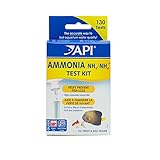 | API Ammonia 130-Test Freshwater and Saltwater Aquarium…Ammonia test after die-off | $15.48 Prime | Check on Amazon |
How to remove planaria, step by step
Confirm they are planaria
Superior: “If you are unsure, obtain a clear close-up and confirm identification before treating the tank.”
Cut the food
Aqueon, an aquarium equipment and food maker, gives its rule for fish: feed only what they “can consume in 2 minutes or less, once or twice daily” and “Remove any food that remains after 5 minutes with a siphon or fine mesh fish net.” Superior: “Reduce excess feeding without starving the colony.” If you net or siphon leftovers, unplug the filter and heater first (step 3) and plug every appliance you unplugged back in afterward (step 6). Compare foods in our tropical fish food roundup; for snails, see what aquarium snails eat.
Unplug the filter and heater, and wait if your heater’s maker says to
Fluval, a filter maker, says in its AquaClear manual: “CAUTION – Always unplug or disconnect all appliances in the aquarium from electricity supply before placing hands in water, before putting on or taking off parts and while the equipment is being installed, maintained or handled.” Hydor, a heater maker, says to unplug its heater “at least 30 minutes before any waterchange”, so before step 4. Follow your own equipment’s manuals.
Siphon the worms while you gravel-vacuum, still unplugged
Superior: “Gently siphon visible worms and loose debris while protecting shrimplets and preserving biological filtration.” Aqueon: “Avoid water changes of more than 25% as larger water changes can stress your fish and upset the balance in your aquarium.” Our water-change guide has the full routine. Aquarium Breeder: “You should always wash your hands thoroughly after you handle the organism or anything it has touched.”
Refill with treated water at tank temperature, still unplugged
Aqueon: “Always treat tap water with a water conditioner to neutralize chlorine and ammonia before adding it to the aquarium.” and “Replacement water should be the same temperature as the aquarium water.”
Plug every appliance you unplugged back in
Aqueon’s cleaning checklist: “Plug the filter and heater back in.” Hydor says its heater “can ONLY then be turned back on when the Aquarium is full and the heater is completely submerged.” Fluval: “Do not allow filter pump to run dry.”
Trap them overnight
Superior: “Place traps in the tank overnight (planaria are most active in the dark), then remove and dispose of the trap contents in the morning.” Aquarium Breeder, on bait: “Do not add too much because it can cause an ammonia spike.” Unplug before your hands go in to set or lift the trap, and plug every appliance you unplugged back in each time. Superior: “Discard the contents into a bag and seal before disposing.”
Repeat, and test ammonia and nitrite
Superior says traps “do not eliminate eggs or sub-substrate planaria — they must be used alongside other methods.” Aquarium Breeder: “Shrimp are very sensitive to ammonia as well as nitrates and nitrites.” On the API ammonia test, our test kit roundup cites HobbyStack, a general hobby-guide site: “HobbyStack warns that chloramine in tap water can read as ammonia on the API test even after a dechlorinator has neutralized it, so a reading straight after a water change can look worse than it is.” Keep testing ammonia and nitrite until both read zero; if ammonia shows, see what causes ammonia in fish tank water and how to lower ammonia.
Chemical treatments
Warning
This guide gives no doses. For No Planaria, Superior says to check the label of “the exact product in hand”, including its “compatibility with every animal in your tank”. Fenbendazole dewormers are sold for dogs: see below.
- No Planaria (betel nut palm extract). No maker’s page for it was found, so these cautions come from a magazine, a hobby blog and a retailer. Practical Fishkeeping: “This will reduce planarian numbers while leaving shrimps untouched – although some anecdotal reports hint at deformed shrimps afterwards.” Aquarium Breeder, on the product it calls No-planaria control in 72h: “Be careful, as even though it is a natural product it will most likely kill your snails.” Superior’s chart tags it “Remove snails first” and says: “Do not assume shrimp-safe also means snail-safe.” Superior also says: “Do not use a live snail as a residue test. A fixed waiting period or clear-looking water does not establish that a treated aquarium is safe for snails. Obtain guidance for the exact formulation and keep snails separate while safety is uncertain.”
- Fenbendazole dog dewormers. Merck Animal Health sells Panacur C as a canine dewormer. Superior calls it a “Canine dewormer used off-label by some hobbyists” and says: “Its label does not establish an aquarium dose or safety for shrimp and snails.” and “Do not convert a dog dose into a tank dose or substitute another fenbendazole formulation. Ask an aquatic veterinarian to assess the infestation, the exact formulation, all tank inhabitants, and any treatment or residue-removal plan.” Aquarium Breeder: “Unfortunately, it can be lethal for your snails.” It adds that “the product does not mention anything about aquarium use at all. All aquarists use it at their own risk.”
- Filter bacteria. The sources cited here do not say whether either product affects filter bacteria.
- After any treatment. Aquarium Breeder: “Once the planaria are dead, take a spoon (or siphon your aquarium) and take out as many as possible, in order to avoid ammonia spikes.” It adds that dying snails “will cause an ammonia spike”. Unplug first (step 3), plug every appliance you unplugged back in afterward (step 6), and test ammonia (step 8).
Keeping planaria out
- Plants and hardscape. Superior: “Inspect and keep new plants in a separate observation container before introducing them. Do not assume a brief chemical dip eliminates every worm or egg capsule.” For substrate, rocks and decorations: “Always rinse and inspect new materials before introduction.”
- New animals. Our guide to quarantining new fish covers a separate tank for newcomers.
Mistakes and troubleshooting
- Cutting them up. Practical Fishkeeping says planarians can “regenerate if chopped into segments”.
- Numbers bounce back. Superior says traps do not eliminate eggs; repeat from step 2.
Ready to buy?
Our freshwater test kit roundup compares ammonia kits, and our Water Care & Testing section gathers kits and conditioners.
Frequently Asked Questions
Q. What fish eat planaria?
Of the sources cited here, Aquarium Breeder names “Bettas, Neon Dwarf Rainbowfish, and Pleco varieties”, but “these fish can eat shrimp with the same pleasure”. Superior rates loaches and puffers “Effective in fish-only tanks. Not compatible with shrimp — these fish will eat shrimp as readily as planaria.”
Q. How do I get rid of planaria in a snail tank?
Aquarium Breeder warns that both No Planaria and fenbendazole can kill snails; Superior lists feeding cuts, water changes, siphoning and traps under “Non-Chemical Methods”.
Q. Are planaria bad for an aquarium?
They can harm shrimp, eggs and snails (see above). Superior adds that “the presence of a free-living worm does not diagnose a parasitic infection in your shrimp.”
Q. Does hydrogen peroxide kill planaria?
This guide gives no peroxide treatment. On new plants, Superior says: “A fixed quarantine interval or a brief peroxide dip cannot be promised to eliminate every worm or egg capsule. Obtain plant-specific guidance before using chemical dips.”
Sources (9)
- Practical Fishkeeping (magazine), planarians
- Aquarium Breeder (hobby blog), planaria
- Superior Shrimp Aquatics (retailer blog), planaria
- Merck Animal Health (maker), Panacur C
- Aqueon (maker), uneaten food
- Aqueon (maker), do’s and don’ts
- Aqueon (maker), cleaning checklist
- Fluval (maker), AquaClear manual
- Hydor (maker), heater support page
Product prices and availability are accurate as of the date/time indicated and are subject to change. Any price and availability information displayed on Amazon.com at the time of purchase will apply to the purchase of this product.