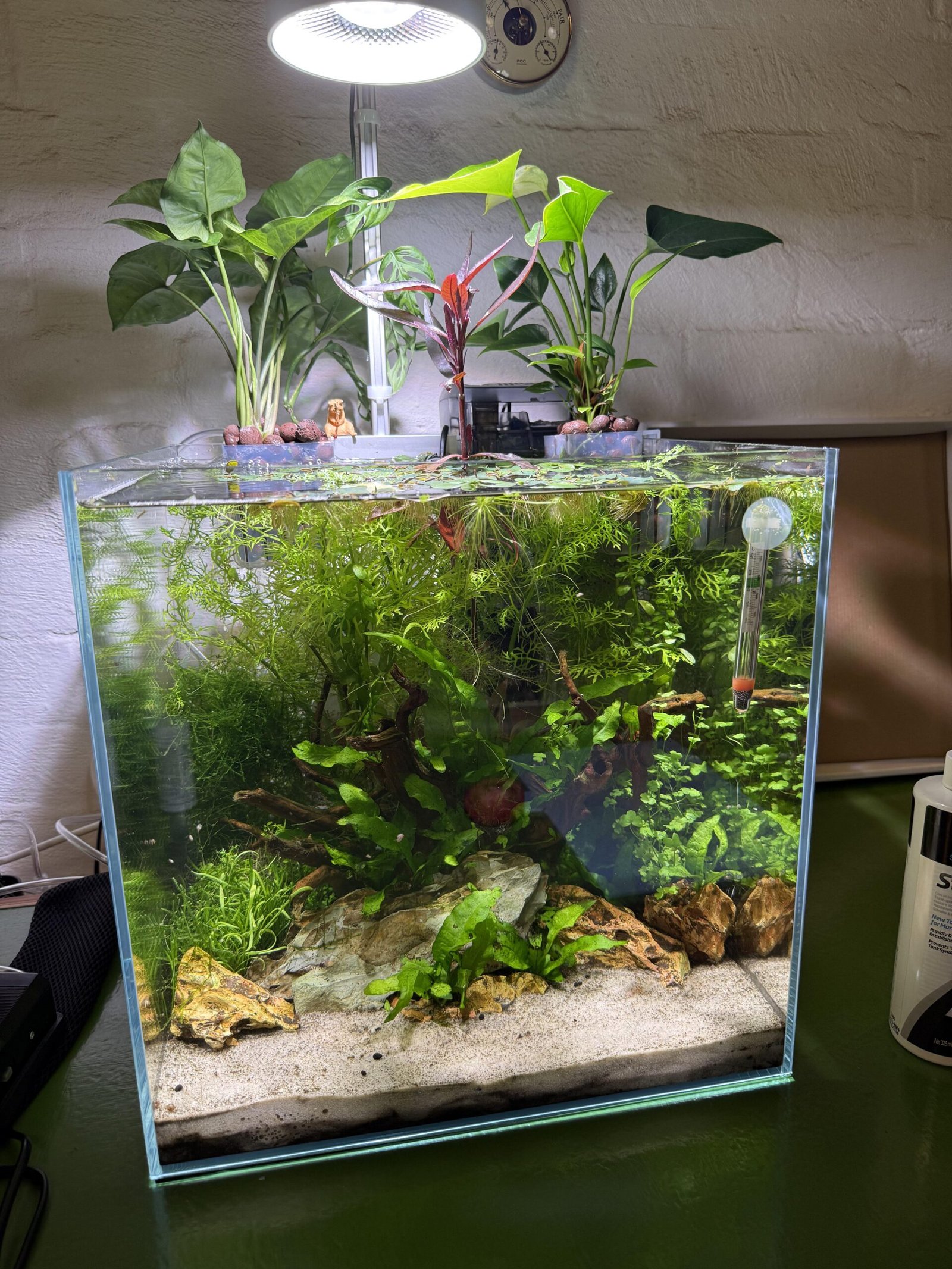
Your aquarium water may be acidic due to a buildup of waste, CO2 levels, or substrate choices. Every aquarium enthusiast knows that maintaining proper pH levels is critical for a healthy aquatic environment. An acidic aquarium can lead to stress in fish, affect plant growth, and disrupt the balance of your ecosystem. Understanding why your aquarium becomes acidic allows you to take proactive measures to keep your fish and plants thriving.
Discovering the reasons behind an acidic aquarium involves a myriad of factors, from the fish waste cycle to the types of substrate and decorations used. With extensive experience in maintaining aquariums, I know how perplexing it can be when your tank's pH plummets. This article delves into the causes of acidity in aquariums and offers practical solutions to maintain a balanced aquatic habitat. Let's explore how to tackle this common issue and ensure your aquarium remains a vibrant, thriving space.
Causes of Acidity in Aquariums
Maintaining the correct pH level in your aquarium is crucial, and understanding the factors contributing to acidity is the first step.
- Waste Accumulation:
- Fish waste and uneaten food can decompose into ammonia. Over time, beneficial bacteria convert this into nitrites and then nitrates, all of which can lower pH levels.
- Carbon Dioxide (CO2) Levels:
- High CO2 levels, especially in planted tanks, can cause the water to become acidic. Plants absorb CO2 during the day but release it at night, affecting pH levels.
- Substrate and Decorations:
- Certain substrates and decorative elements, such as driftwood, can leach tannins into the water, naturally lowering pH.
- Inadequate Buffering Capacity:
- Low levels of carbonate hardness (KH) result in poor buffering capacity, making the aquarium prone to acidity.
- Tap Water Issues:
- Sometimes, your aquarium water source might naturally have a low pH, requiring treatment before use.
Understanding these factors allows you to manage and mitigate the causes of acidity in your aquarium.

How to Address Acidity in Your Aquarium
To keep your aquarium healthy, you'll need to take corrective measures against acidity.
- Regular Water Changes:
- Perform weekly water changes to remove excess waste and replenish minerals.
- Monitor Fish Load:
- Avoid overstocking and feed sparingly to reduce waste production.
- Improve Aeration:
- Enhance water circulation and oxygen levels to balance CO2 concentrations.
- Use Proper Substrate:
- Choose substrates with neutral pH impact or add materials like crushed coral to stabilize pH.
- Use a pH Buffer:
- Invest in pH buffers or additives designed to increase the KH in your aquarium.
By implementing these steps, you can maintain stable pH levels in your aquarium.

Frequently Asked Questions
Why is my aquarium pH too low?
Low pH levels in aquariums can arise from waste buildup, CO2 levels, or low KH. Regular maintenance and testing can prevent this.
How often should I test my aquarium pH?
Test your aquarium's pH at least once a week, or more often if you notice behavioral changes in your fish or plant growth issues.
Can substrate change my aquarium's pH?
Yes, substrates like peat or driftwood can lower pH by releasing tannins. Choose materials that do not leach if pH control is critical.
What should I do if my tap water is acidic?
Consider using a commercial pH buffer or treating your water with a water conditioner that stabilizes pH before adding it to the aquarium.
How can I naturally adjust my aquarium's pH?
Introduce crushed coral or limestone to increase pH levels naturally. Regular water changes and monitoring are also effective.
Conclusion
Maintaining the right pH balance in your aquarium is essential for a thriving and balanced aquatic ecosystem. By understanding the underlying causes of acidity and implementing practical solutions, you can ensure your fish and plants flourish. Take charge of your aquarium's health today by addressing any acidity issues. Explore additional resources, subscribe for updates, or leave a comment to share your experiences and questions. Your fish will thank you!