Most aquarium plants die due to inadequate lighting, poor water quality, and nutrient deficiencies.
When your beautiful aquatic greenery begins to wither, it can be frustrating and confusing, leaving you wondering what went wrong. Understanding why your aquarium plants are dying is essential for restoring a thriving aquatic environment. In this article, we'll delve deep into the common causes of dying aquarium plants and provide practical tips to revive them. With years of experience in aquatic gardening, I am here to guide you through maintaining vibrant aquarium plants with ease and expertise.
Common Causes of Dying Aquarium Plants
Inadequate Lighting
Lighting is crucial for photosynthesis, and without the right amount of light, plants cannot thrive.
- Intensity and Duration: Ensure you're providing the correct intensity and duration based on plant species.
- Spectrum: Use full-spectrum lights that mimic natural sunlight to support growth.
Poor Water Quality
Water quality directly affects plant health. Fish waste and uneaten food can degrade water quality.
- Regular Testing: Check pH, ammonia, nitrite, and nitrate levels frequently.
- Water Changes: Perform regular water changes to keep conditions optimal.
Nutrient Deficiencies
Plants need nutrients like nitrogen, phosphorus, and potassium for growth.
- Fertilizer: Use a balanced liquid fertilizer or root tabs for nutrient supply.
- Substrate: Choose nutrient-rich substrates to support root growth and nutrient uptake.
Incorrect CO2 Levels
Carbon dioxide is vital for plant growth. Imbalanced CO2 levels can lead to plant decay.
- CO2 Injection: Consider CO2 injection for heavily planted tanks.
- Natural CO2 Sources: Add more fish if CO2 is low, as they naturally produce CO2.
Disease and Pests
Diseases and pests can quickly spread and damage plants.
- Quarantine: Isolate new plants before adding them to the tank.
- Inspection: Regularly inspect plants for signs of disease or pest infestations.

Types of Aquarium Plants and Their Specific Needs
Hardy Plants
Some species are more resilient and easier to care for.
- Java Fern: Low light and low CO2 requirements.
- Anubias: Thrives under a variety of conditions, including low light.
Light-Demanding Plants
These need more attention and specific conditions.
- Amazon Sword: Requires strong lighting and nutrient-rich substrates.
- Red Tiger Lotus: Prefers high light and additional CO2 supplementation.
Floating Plants
Floating plants can reduce light reaching other plants.
- Duckweed: Mulches easily and needs frequent thinning.
- Water Lettuce: Needs calm water with slight surface movement.
Rooted Plants
These rely heavily on substrate for nutrients.
- Cryptocoryne: Requires a nutrient-rich substrate and stable conditions.
- Vallisneria: Grows quickly in nutrient-rich substrates with good lighting.

Practical Tips to Revive Your Aquarium Plants
Regular Maintenance
Develop a routine for consistent plant health.
- Clean the tank and remove dead plant material.
- Monitor and adjust lighting and CO2 levels regularly.
Proper Planting
Ensure proper planting techniques for stability and growth.
- Trim roots before planting to encourage new root growth.
- Plant deep enough so roots are covered but leave the crown exposed.
Use of Supplements
Boost plant health with additional nutrients.
- Iron Supplements: Beneficial for red-leaf plants.
- Root Tabs: Great for heavily planted tanks with rooting plants.
Frequently Asked Questions
Why are my aquarium plants turning yellow?
Yellowing can indicate a lack of nutrients, particularly nitrogen, iron, or magnesium.
How often should I change the water in an aquarium?
Weekly changes of 10-20% are recommended to maintain water quality.
Can too much light kill my aquarium plants?
Yes, excessive light can lead to algae overgrowth and stress plants.
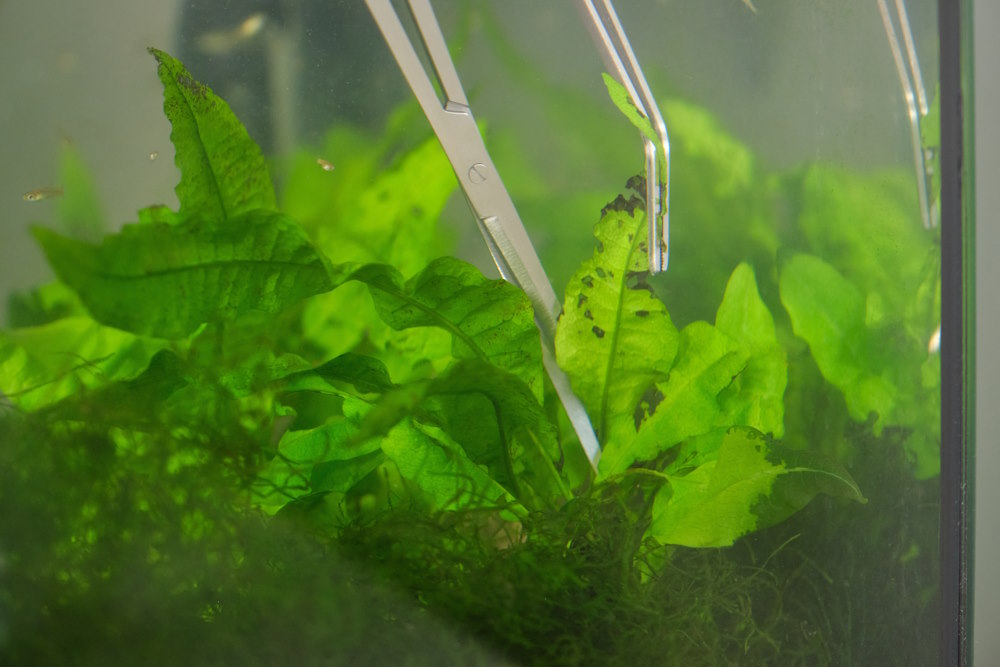
What causes brown spots on leaves?
Brown spots often result from potassium deficiencies or algae growth.
Do aquarium plants need filtration?
Yes, filtration supports nutrient circulation and overall water cleanliness.
Conclusion
Ensuring your aquarium plants thrive requires attention to lighting, water quality, and nutrient balance. By understanding and addressing each of these aspects, your aquascape will flourish. Now's the time to implement these insights and watch your aquarium transform. Keep learning, stay curious, and don't hesitate to share your experiences or questions in the comments below! Subscribe for more tips and insights on maintaining a vibrant aquatic world.