New tanks cloud from bacterial bloom, fine substrate, or dissolved organics during cycling.
I’ve set up many freshwater tanks and helped dozens of new aquarists solve cloudy water. This guide explains why is my new freshwater aquarium cloudy, how to diagnose the exact cause, and clear, practical steps to fix it safely without risking fish health. Read on for proven methods, simple tests, and common mistakes to avoid.
Common causes of cloudy water in new freshwater aquariums
If you ask why is my new freshwater aquarium cloudy, the causes are usually predictable and manageable. Most cloudiness falls into three categories: biological (bacterial bloom), mechanical (suspended particles), and chemical (dissolved substances).
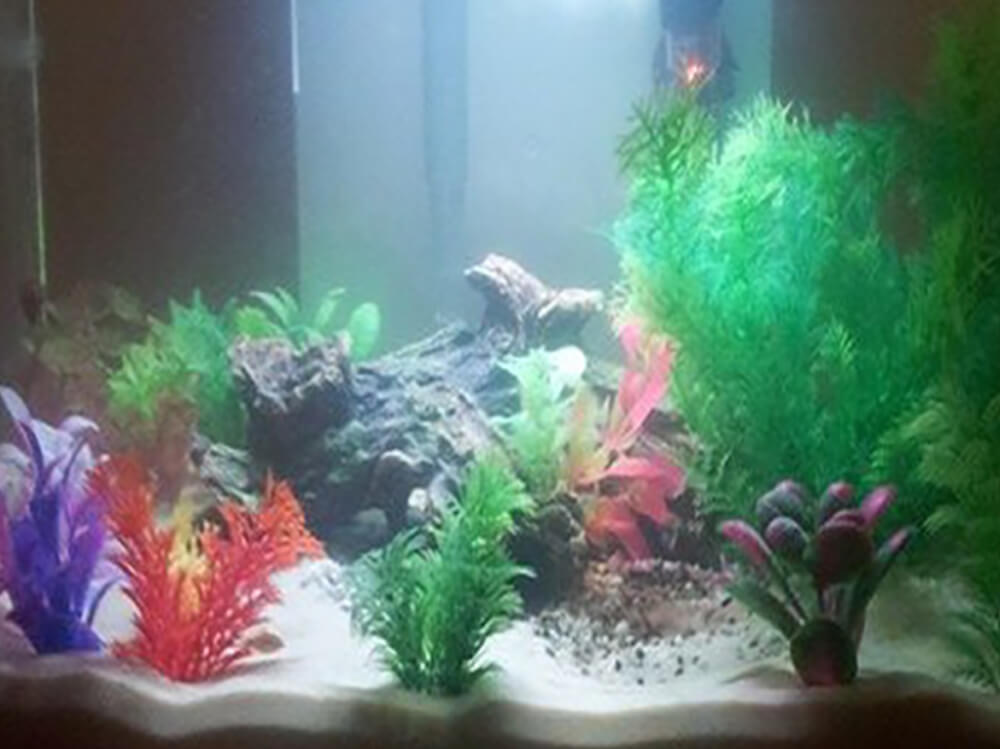
- Bacterial bloom: Rapid growth of beneficial bacteria during the tank cycling process. This creates white, milk-like or gray water that often clears on its own in days.
- Fine substrate dust: Unwashed sand or crushed substrate releases very fine particles that stay suspended. This gives a dirt-like or smoky look.
- Organic tannins and dissolved organics: Driftwood or new decor can release tannins that tint water brownish but are not true cloudiness.
- Overfeeding and decaying matter: Food, dead plants, or fish waste fuel microbial growth and cloud the water.
- Inadequate filtration or flow: Weak filtration can’t trap particles or support a stable bacterial colony.
- Chemical residues or tap water issues: Chlorine, chloramine, or high mineral load can react and produce haze.
Understanding why is my new freshwater aquarium cloudy helps you pick the right fix fast. The next section shows simple tests to pinpoint the problem.
How to diagnose the type of cloudiness
To answer why is my new freshwater aquarium cloudy, you need a short checklist and a few easy tests. Follow these steps to identify the source.
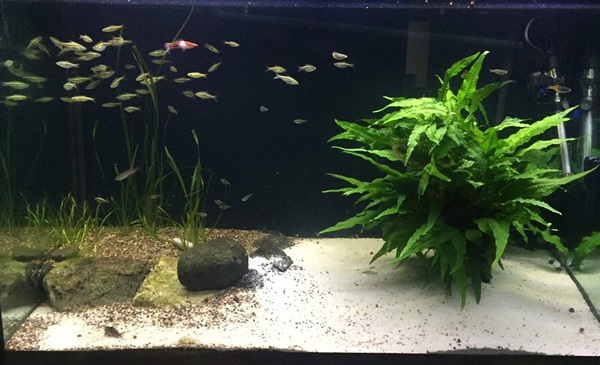
- Visual check: Look at the color. White or gray suggests bacterial bloom. Brown or tea-colored suggests tannins. Cloudy brown with smell signals decaying organics.
- Smell test: A foul odor points to rotting matter. Bacterial bloom usually lacks a strong bad smell.
- Filter inspection: Check if filter cartridges are clogged or if the filter is running at low flow. Poor filtration can cause persistent cloudiness.
- Particle test: Dip a clear glass or jar into the tank and scoop water. Let it sit for an hour. If particles settle, it’s mechanical (substrate/debris). If they don’t settle, it’s bacterial or dissolved.
- Water tests: Use test strips or liquid kits for ammonia, nitrite, nitrate, and pH. High ammonia or nitrite in new tanks often coincides with cloudiness during cycling.
These checks answer why is my new freshwater aquarium cloudy in most cases and guide you to the right treatment.

How to clear cloudy water safely
Once you know why is my new freshwater aquarium cloudy, apply targeted fixes. Do not rush with strong chemicals or large water changes unless necessary.
- For bacterial bloom
- Be patient. Bacterial blooms often clear in 3–7 days as the tank establishes balance.
- Maintain consistent filtration and moderate flow. Avoid over-cleaning beneficial bacteria from filter media.
- Reduce feeding to once a day or every other day to limit excess nutrients.
- For fine substrate dust
- Do partial water changes (20–30%) and siphon while rinsing the substrate gently.
- Use a pre-filter sponge on the intake to trap floating dust.
- Thoroughly rinse new substrate before adding it to the tank next time.
- For tannins and dissolved organics
- Add activated carbon to the filter to adsorb tannins and discoloration.
- Perform regular partial water changes until the tint fades.
- Boil or soak new driftwood before adding it to remove excess tannins.
- For overfeeding and decaying matter
- Remove uneaten food and dead plant matter immediately.
- Cut back feeding and vacuum the gravel regularly.
- Consider a temporary increase in mechanical filtration until water clears.
- For chemical/tap water issues
- Use a water conditioner to neutralize chlorine and chloramine.
- Consider using filtered or aged water if tap water causes problems.
- If minerals are the cause, test GH and KH and treat accordingly.
Keep changes gradual. Large, frequent changes can stress fish and reset beneficial bacteria. These steps directly address why is my new freshwater aquarium cloudy and reduce relapse risk.
Preventing future cloudiness
Preventing cloudiness saves time and protects fish health. Here are clear, repeatable steps to avoid asking why is my new freshwater aquarium cloudy again.
- Rinse substrate thoroughly before use to remove dust.
- Cycle the tank fully before adding delicate or many fish.
- Add fish slowly—follow the “one inch of fish per gallon” guideline as a rough start.
- Feed sparingly and remove uneaten food promptly.
- Maintain regular water changes: 10–25% weekly depending on bioload.
- Keep filtration properly sized and clean mechanical media gently.
- Use activated carbon occasionally to remove dissolved color and organics.
These habits make tank water stable and clear. Preventing cloudiness is easier than fixing it.
:strip_icc()/cloudy-aquarium-water-1378803-3736ff0eb5b34aa0907ae9df2882a86e.png)
Equipment and water-test checklist
A short checklist helps you respond quickly when you wonder why is my new freshwater aquarium cloudy. Keep these items on hand.
- Reliable test kit for ammonia, nitrite, nitrate, and pH
- Spare filter media and a pre-filter sponge
- Activated carbon for discoloration
- Siphon gravel vacuum for water changes
- Clean bucket reserved for aquarium use
- Thermometer and heater to keep stable temperature
- Replacement water conditioner for tap water treatment
Use this checklist when diagnosing cloudiness or performing routine maintenance. It reduces guesswork and speeds recovery.
Personal experiences and lessons learned
I once set up a 20-gallon community tank that turned milky within 48 hours. It was a classic bacterial bloom during cycling. I reduced feedings, left the filter running, and waited four days. The water cleared without any additives, and the tank cycled naturally.
Another time I added cheap “washed” sand that still had dust. Repeated small water changes and a pre-filter sponge solved it in three days. The lesson: rinse substrate well and expect a short adjustment period. These real cases show why is my new freshwater aquarium cloudy and how small fixes work fast.
Frequently Asked Questions of why is my new freshwater aquarium cloudy
Why is my new freshwater aquarium cloudy right after adding water?
Cloudiness right after setup is usually from fine substrate dust or a bacterial bloom starting. Rinse new substrate thoroughly and run the filter with a pre-filter sponge.
How long will bacterial bloom make my tank cloudy?
Most bacterial blooms clear in 3 to 7 days as the tank cycles and bacteria balance out. Keep stable filtration and avoid large water changes during this period.
Can I use chemicals to clear cloudy water faster?
Some clarifiers can clump particles for filtration, but they do not fix underlying issues. Use them sparingly and only after diagnosing the cause.
Is cloudy water harmful to fish?
Cloudy water itself is often not harmful, but the causes (high ammonia, nitrite, or decaying matter) can be dangerous. Test water to confirm safe levels.
Should I change all the water to clear a cloudy tank?
Avoid full water changes. Large changes can shock beneficial bacteria. Do 20–30% changes and address the root cause instead.
My water is brown and cloudy after adding driftwood. What now?
Brown tint usually comes from tannins leaching from wood. Use activated carbon and water changes. The tint is not toxic but may need removal for appearance.
Conclusion
Cloudy water in a new freshwater aquarium is common and typically caused by bacterial bloom, fine substrate, or dissolved organics. Diagnose by visual cues, smell, settling tests, and water parameter checks. Fixes often include patience, proper filtration, partial water changes, and better substrate preparation.
Take action: test your water, reduce feeding, and follow the targeted fixes above. With a little care, your tank will clear and thrive. Try these steps, subscribe for more aquarium tips, or leave a comment describing your setup so I can help further.