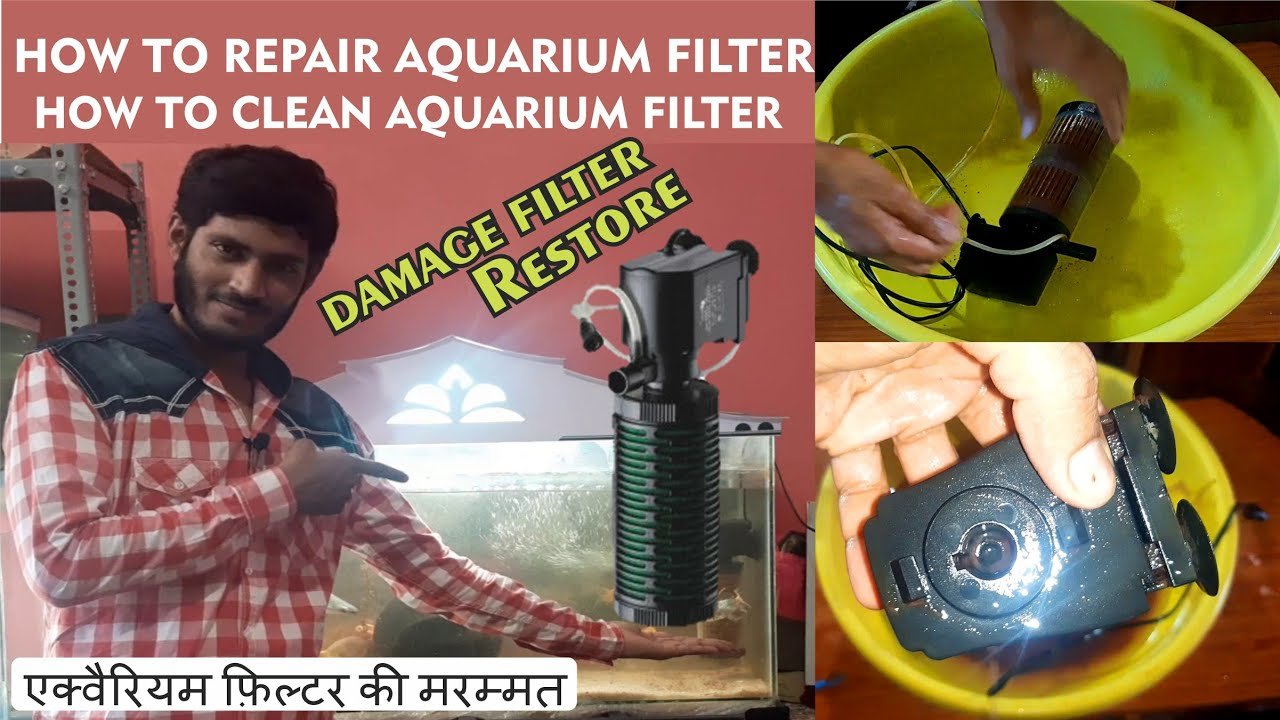
Common issues include blockages, power supply failures, or worn-out components.
Aquarium pumps are essential for maintaining a healthy aquatic environment. When they stop working, it can be frustrating and concerning for any fish enthusiast. Understanding why your aquarium pump is not working requires some investigation, yet it often boils down to common, easily fixable issues. In this guide, I'll walk you through various reasons why your aquarium pump might be malfunctioning and provide practical solutions to get it back up and running efficiently. With years of experience in aquarium care, I'm here to offer tried-and-true advice straight from the fish tank.
Common Reasons Why Your Aquarium Pump Might Not Be Working
Understanding the root cause of a malfunctioning aquarium pump involves a bit of detective work. Thankfully, most issues are straightforward to address with the right approach and knowledge.
1. Blockages in the Pump
A common reason for pump failure is blockages in the intake or outflow.
- Identify potential blockages: Regularly inspect the intake and outflow for debris or algae buildup.
- Cleaning tips: Gently clean with a brush or rinse under water to clear obstructions.
2. Electrical Issues
Ensure the pump is receiving power.
- Check the power supply: Confirm the pump is plugged in and the outlet is functional.
- Inspect the power cord: Examine for any cuts or fraying that might disrupt power flow.
3. Worn-Out Parts
Over time, components inside the pump may wear out.
- Listen for unusual noises: Grinding sounds might indicate worn-out parts.
- Replace or repair: Consult the manual for component replacements if necessary.
4. Improper Installation
Incorrect setup can hinder performance.
- Refer to the manual: Correct any setup errors as recommended by the manufacturer.
- Ensure proper alignment: Misaligned components can impact efficiency.
5. Overheating
Pumps can overheat, especially in warm environments.
- Check ventilation: Ensure the pump has sufficient airflow to prevent overheating.
- Review usage duration: Avoid running the pump continuously without breaks.
6. Unbalanced Water pH
An unbalanced aquarium environment can affect pump performance.
- Test the water pH: Use a pH testing kit to ensure optimal conditions.
- Adjust as needed: Address any pH imbalances with appropriate treatments.

Practical Tips for Troubleshooting
- Regular Maintenance: Establish a routine maintenance schedule to prevent future issues.
- Consult a Professional: If problems persist, consider consulting an aquarium specialist for advice.
- Reference Online Resources: There are numerous forums and online communities where enthusiasts share their experiences.

Frequently Asked Questions of Why Is My Aquarium Pump Not Working
How often should I clean my aquarium pump?
Clean your pump every 2 to 4 weeks to ensure it's functioning properly and free of debris.
Can a loud pump indicate a problem?
Yes, a noisier-than-usual pump may suggest blockages, worn parts, or improper installation.
What do I do if my pump overheats?
Ensure adequate ventilation and reduce continuous operation. If overheating persists, consider upgrading to a more robust model.
Why does the pump work intermittently?
Intermittent operation could be due to an unstable power supply or faulty internal components. Inspect wiring and settings.
Should I always keep the pump running?
Most pumps should run continuously, but it's essential to follow the manufacturer's guidelines for optimal performance.
Conclusion
Understanding why your aquarium pump isn't working involves exploring several potential issues, from blockages to electrical problems. By conducting regular maintenance and inspecting components, many problems can be avoided or quickly resolved. Viewing this challenge not as a setback but as an opportunity to enhance your aquarium expertise can be both rewarding and educational. Ready to dive deeper into aquarium care? Subscribe to our blog for more fish-friendly tips and join a community dedicated to enhancing your aquatic world!