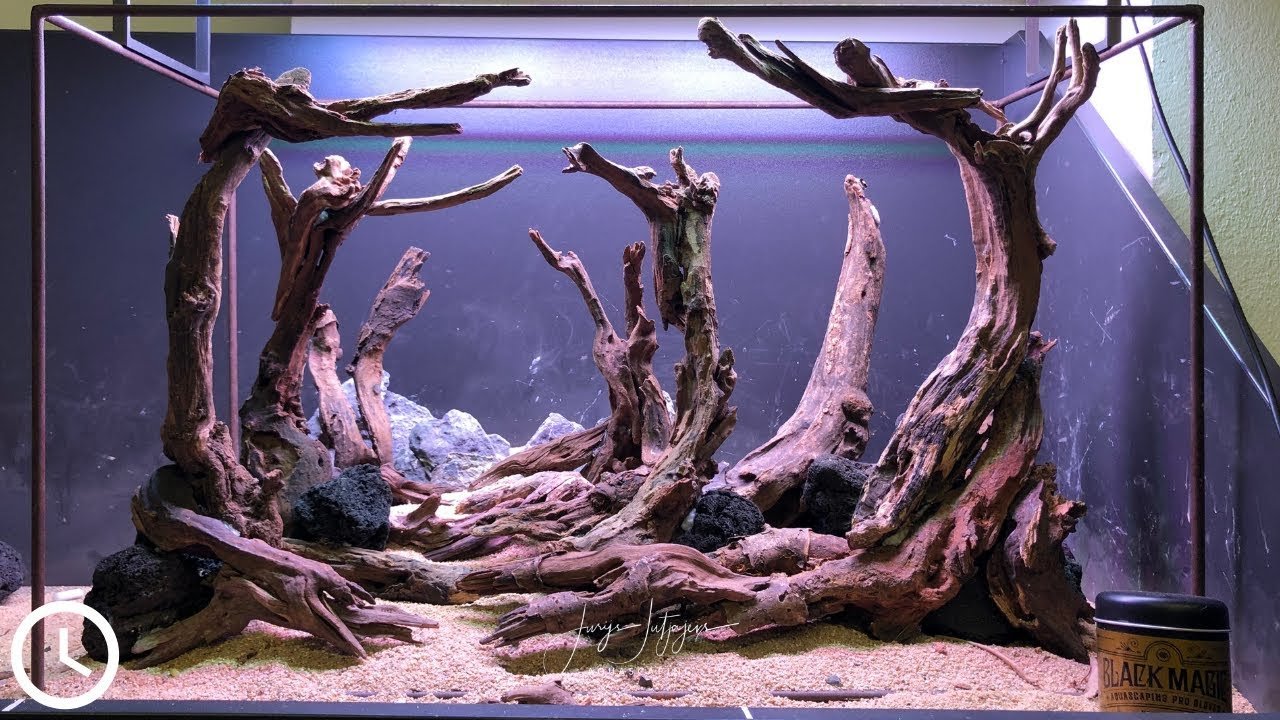
Driftwood enriches aquariums by improving water chemistry, providing shelter, and boosting natural aesthetics.
I have kept aquariums for over a decade and studied how natural materials affect fish health. In this guide I explain clearly why is driftwood good for aquarium, how it works, and how to use it safely. Read on for practical tips, step-by-step prep, and real-life lessons that make adding driftwood easy and rewarding.
Benefits of driftwood in your aquarium
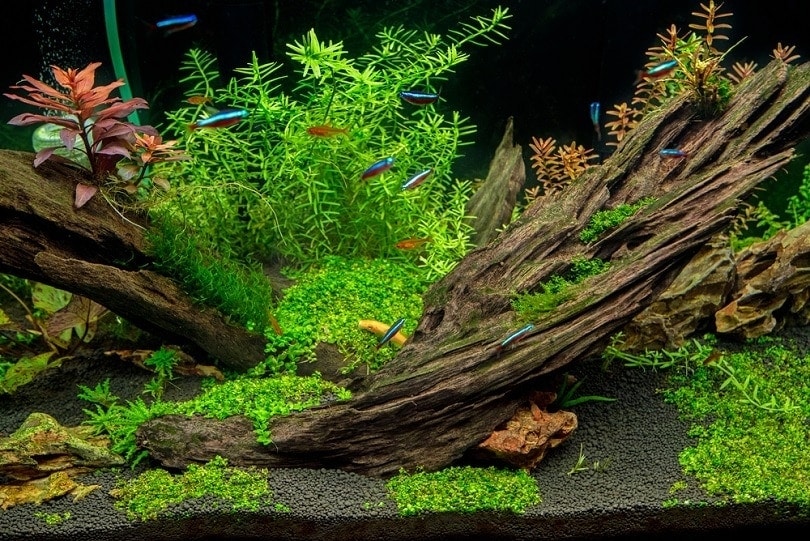
Driftwood adds both beauty and function to tanks. It creates hiding spots and break lines of sight. Fish feel safer and behave more naturally.
Driftwood also affects water chemistry in useful ways. Many hobbyists ask why is driftwood good for aquarium water quality. It slowly releases tannins that soften water and reduce pH slightly, helping species that prefer gentle, blackwater-like conditions.
Driftwood supports biofilm and microfauna. These living films feed shrimp, plecos, and fry. Adding driftwood can boost a small ecosystem inside your tank.
How driftwood improves water chemistry
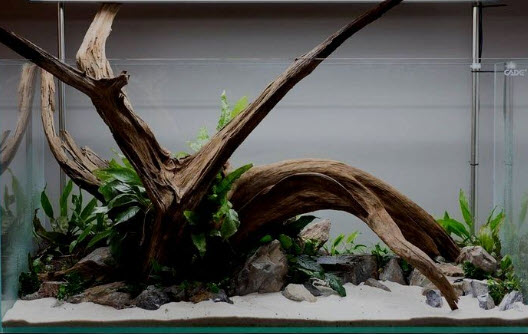
Driftwood changes water chemistry in predictable ways. It releases tannins that tint the water a warm tea color. This can reduce free chlorine and may have mild antibacterial effects.
Driftwood can lower pH and soften hard water slowly. That is why is driftwood good for aquarium setups aimed at tetras, discus, and bettas. The change is gradual and reversible with water changes.
Driftwood also provides a surface for beneficial bacteria. These bacteria help break down waste. Healthy bacterial colonies improve overall water quality and stability.
Driftwood as shelter and behavioral enrichment
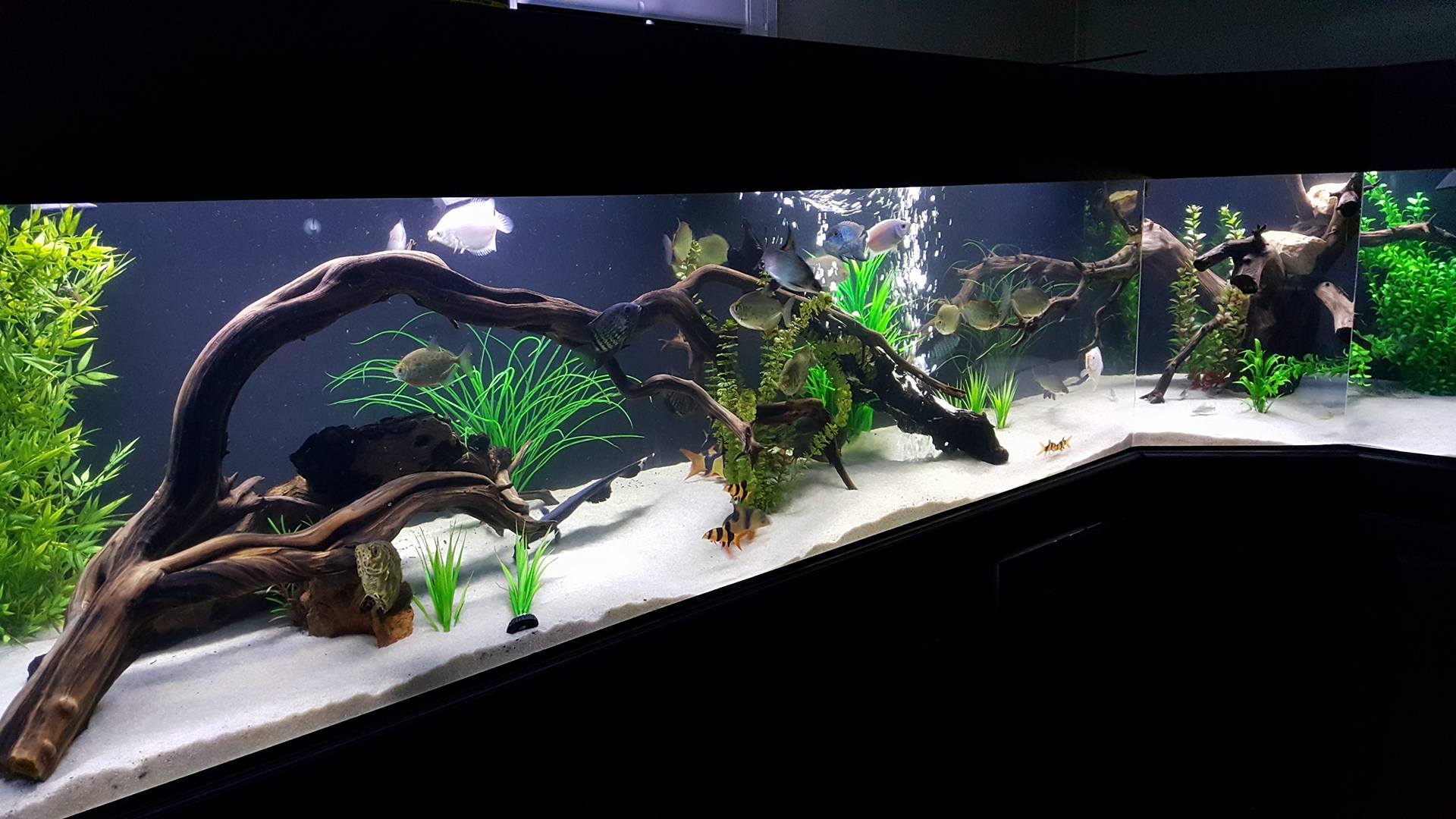
Driftwood creates natural hiding places and territories. Many fish hide under, behind, or inside driftwood. This reduces stress and aggression.
For shrimp and fry, driftwood offers food and protection. Biofilm and algae grow on wood surfaces. That is another reason why is driftwood good for aquarium communities with small grazers.
Using driftwood changes fish behavior in a positive way. You will often see more natural foraging and calmer schooling. That leads to healthier, longer-lived fish.

Types of driftwood and how to choose
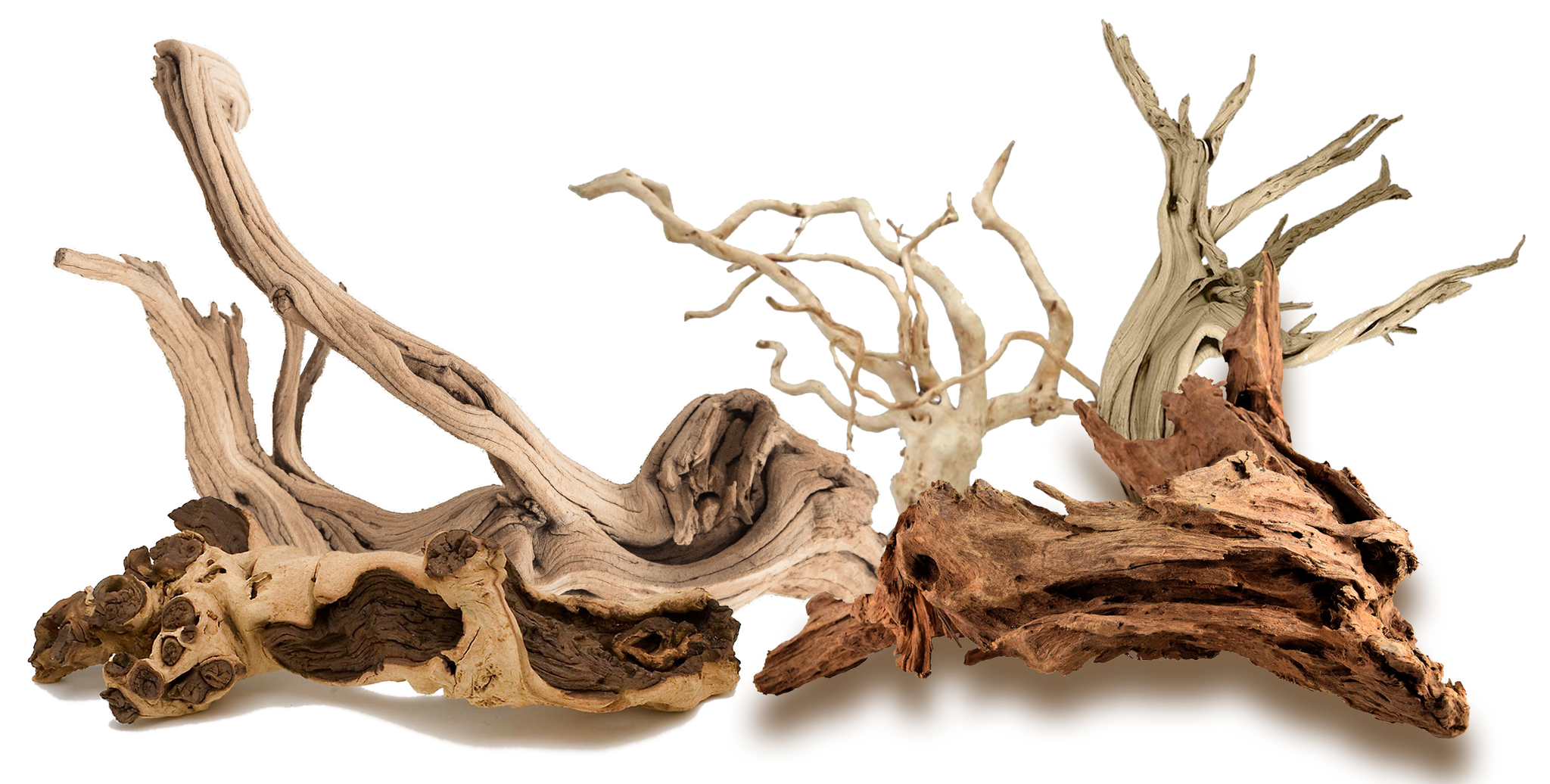
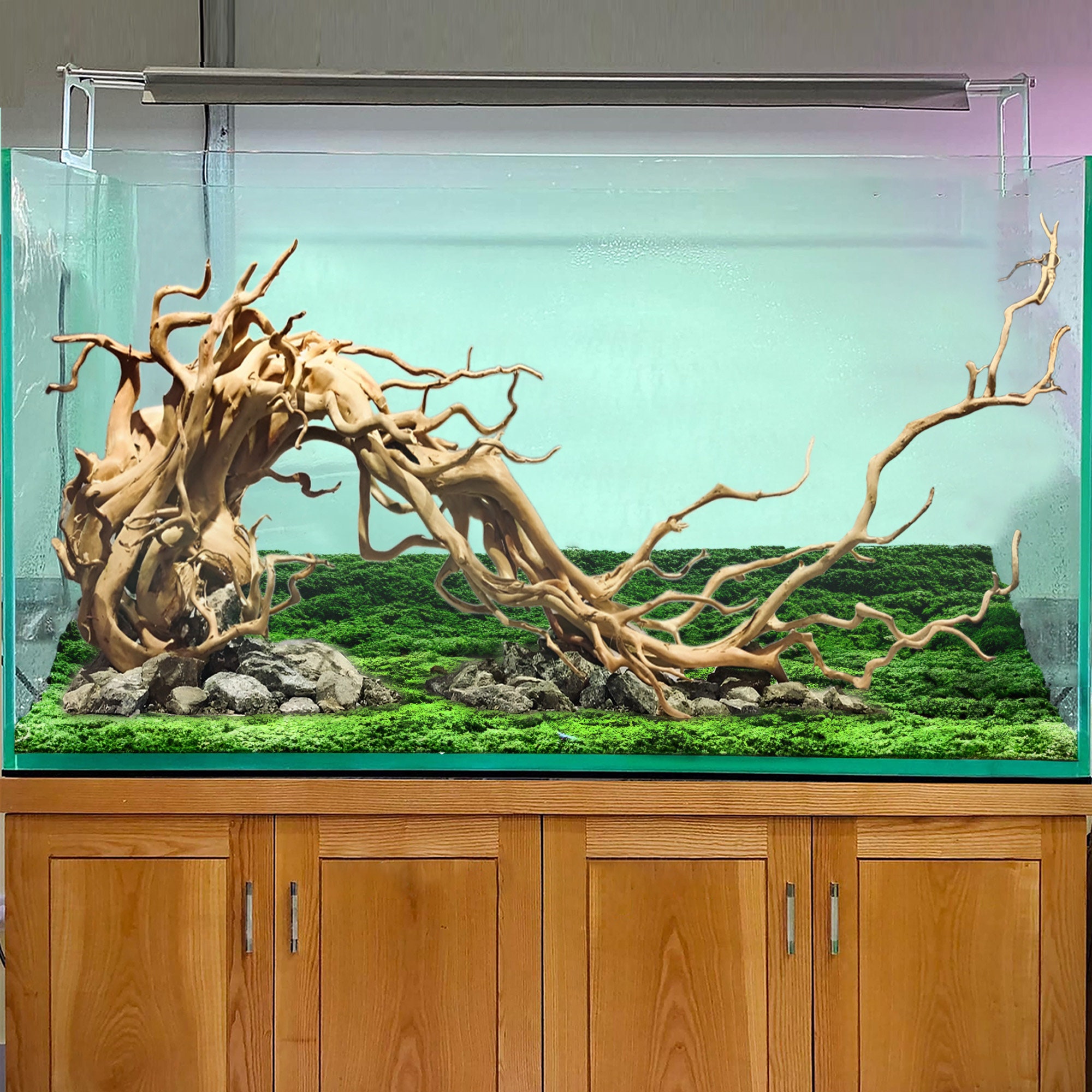
There are common types used in aquariums. Mopani, Malaysian driftwood, spider wood, and bogwood each have distinct looks and densities. Choose wood based on tank size, fish needs, and style.
Consider these factors when selecting wood:
- Size and shape: Pick wood that fits your tank and offers natural hiding spots.
- Buoyancy: Dense wood sinks easily, while lighter pieces need curing.
- Tannins level: Some woods release more tannins and stain water faster.
- Source: Buy aquarium-safe wood sold for tanks or collect only known safe species.
Understanding why is driftwood good for aquarium design helps you pick pieces that improve both function and look. A well-chosen piece defines an aquascape.

Preparing and curing driftwood for aquarium use
Never drop untreated wood into a tank. Untreated driftwood can float, leach tannins heavily, or carry pests. Proper prep keeps fish safe.
Follow these steps to prepare driftwood:
- Clean the wood: Scrub with a stiff brush and rinse under hot water.
- Boil or soak: Boil dense pieces for 1–2 hours if possible. Soak lighter wood for days to weeks, changing water until clear.
- Weight if needed: Attach rocks or aquarium-safe weights to heavy-floating pieces.
- Monitor water: After placing wood, test pH and ammonia daily for a week.
These steps explain why is driftwood good for aquarium safety and stability. Taking time to cure saves stress later.
Placement, aquascaping tips, and maintenance
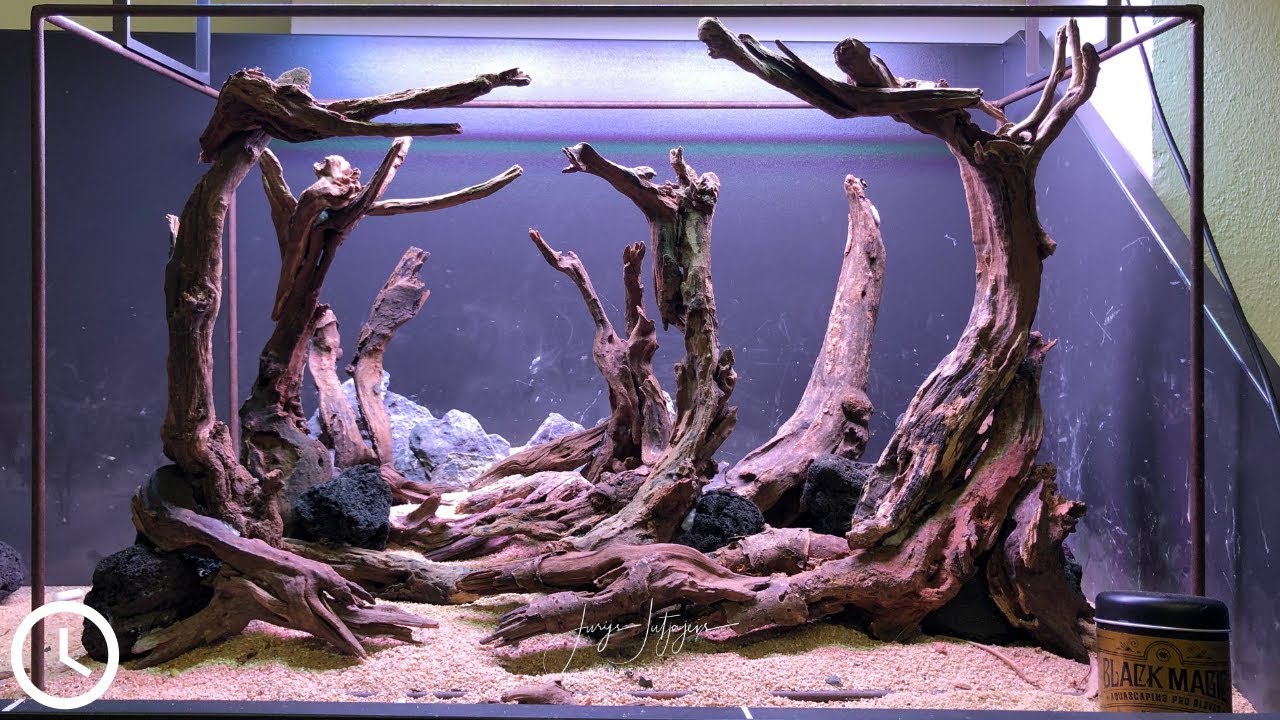
Placement affects both aesthetics and fish safety. Position wood to create caves, overhangs, and visual flow. Anchor larger pieces to prevent shifting.
Keep maintenance simple:
- Clean gently: Use a soft brush to remove excessive algae when needed.
- Trim plants: Plants attached to wood may need pruning.
- Check water: Monitor tannin levels and pH after adding new wood.
Knowing why is driftwood good for aquarium layout lets you design spaces that benefit both fish and plants. Small adjustments change tank dynamics positively.

Potential drawbacks and how to avoid them
Driftwood can stain water and lower pH too much for some fish. It can also leach tannins that some owners dislike. It may float or harbor pests if not treated.
Avoid problems with these tips:
- Pre-soak wood to reduce heavy tannin release.
- Test pH and hardness to match species needs.
- Use activated carbon if you want clear water after tannin release.
Understanding why is driftwood good for aquarium includes knowing limits and trade-offs. When you prepare and monitor, most drawbacks are easy to manage.
My personal experience and practical tips
I added a large piece of Malaysian driftwood to a community tank and saw steady benefits. Tetras calmed and shrimp discovered steady food on the wood surface. I did face a big tannin release at first because I skipped boiling. I learned to boil or soak for several days before adding wood.
A few practical tips from my experience:
- Start small: Test one piece and observe for a week.
- Use blackwater sparingly: If you like clear water, use carbon after the initial tannin release.
- Secure large pieces: Prevent movement before fish learn the new landscape.
These lessons show why is driftwood good for aquarium care when used with simple precautions. Experience makes the process predictable and rewarding.
Frequently Asked Questions of why is driftwood good for aquarium
How quickly does driftwood release tannins in a tank?
Tannin release usually starts within hours and peaks in the first week. Boiling or long soaking reduces initial release.
Will driftwood lower my aquarium pH a lot?
Driftwood can lower pH slightly, but the change is gradual and modest for most species. Test water and adjust only if needed.
Can all fish live with driftwood in the tank?
Most community fish do well, but species requiring very hard, alkaline water may not. Match wood use to your species' needs.
How do I make driftwood sink if it floats?
Soak the wood for days or boil it to remove trapped air. Anchor it with rocks or weight until it becomes waterlogged.
Is driftwood safe for plants and corals?
Driftwood is safe for freshwater plants and many invertebrates. It is not suitable for reef or saltwater coral tanks unless specifically treated and tested.
Conclusion
Driftwood offers real benefits: it improves water chemistry, creates hiding places, supports microfauna, and elevates tank aesthetics. When you prepare it correctly and match it to your tank's needs, driftwood becomes a low-cost way to boost fish health and natural behavior. Try one well-chosen piece, watch how your fish respond, and adjust your routine as you learn. If you enjoyed this guide, leave a comment with your driftwood tips, subscribe for more aquascaping advice, or explore related guides to deepen your aquarium skills.