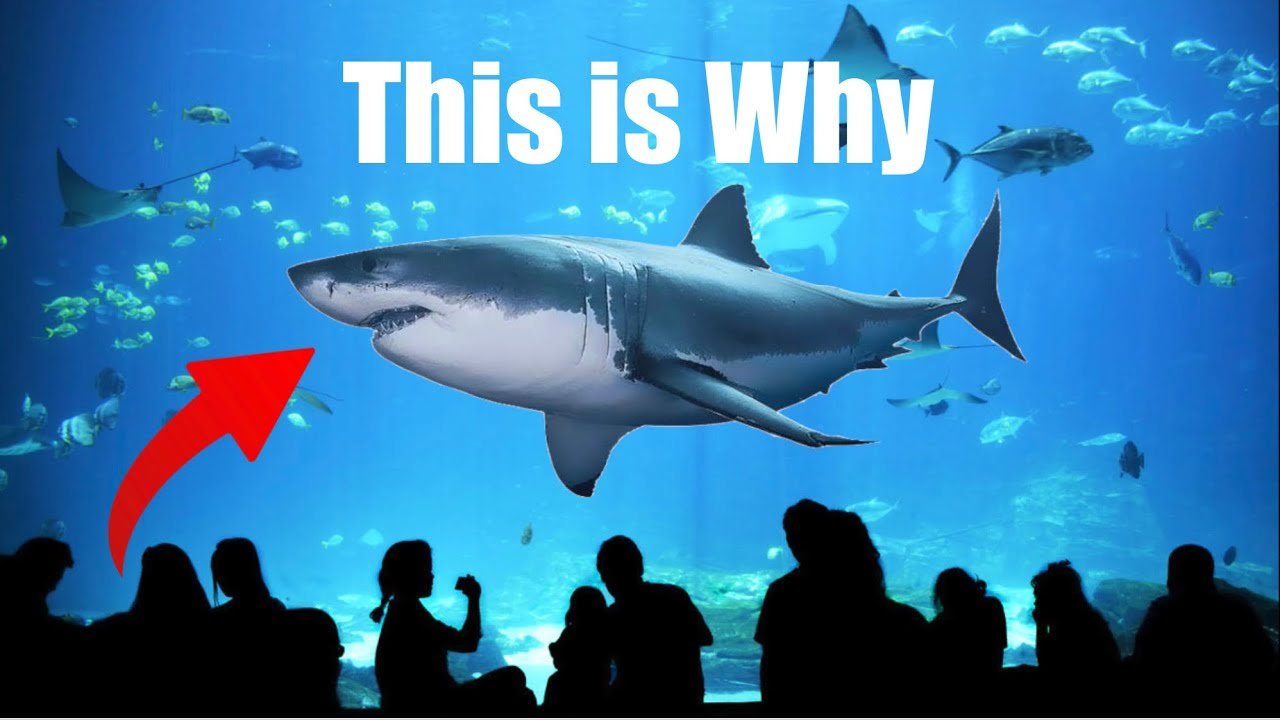
Great white sharks cannot survive in aquariums due to their massive size, constant roaming needs, and severe stress.
Have you ever stood before a massive aquarium tank, mesmerized by the graceful sharks gliding by, and wondered, "Where's the great white?" It's a question many of us have asked. As someone who has spent years fascinated by marine biology, I've dug deep into this exact topic. The answer to why no white sharks in aquariums is a captivating story of biology, behavior, and ethics. This article will explore the complex reasons these magnificent predators remain masters of the open ocean, unable to be confined by even the largest man-made habitats.
The Immense Size and Space Dilemma
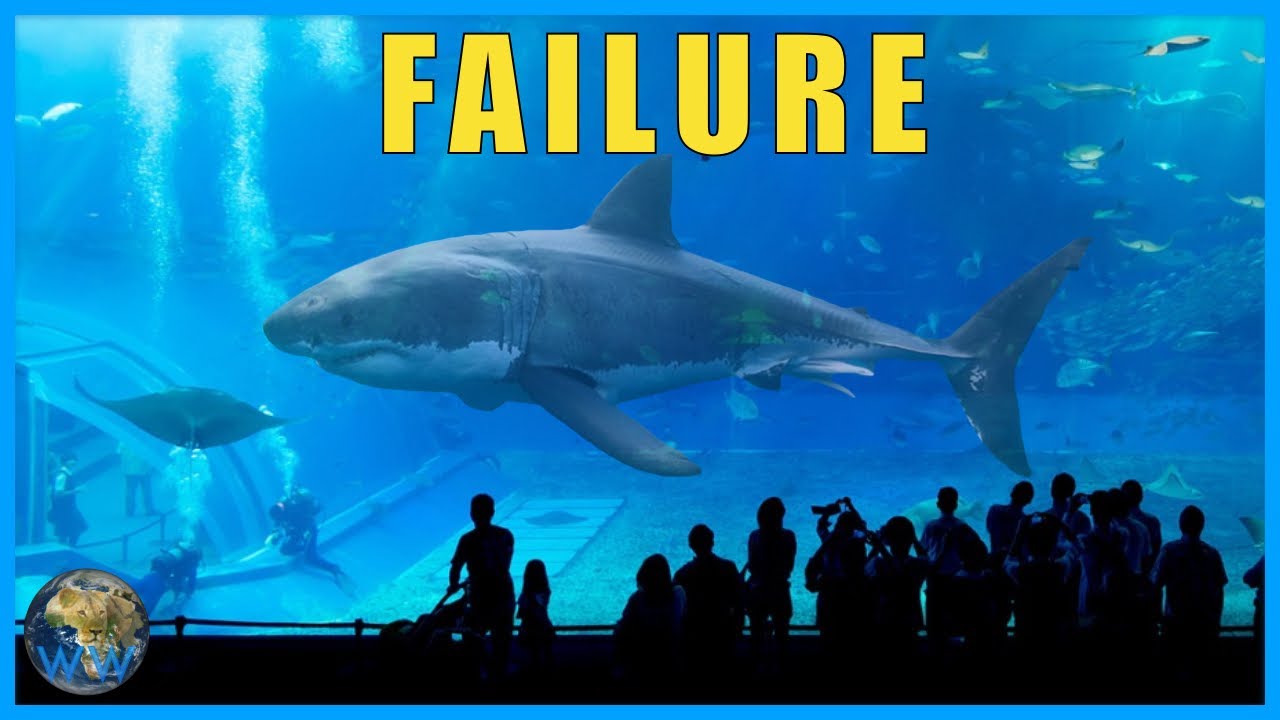
One of the most obvious hurdles is their sheer size. Great white sharks are not just big; they are colossal. An adult can grow up to 20 feet long and weigh over 4,000 pounds. Creating a tank large enough to comfortably house such an animal is an incredible engineering challenge.
But it’s not just about fitting them inside. These sharks are built for the vast, endless expanse of the ocean. They need room to accelerate, hunt, and travel. A tank, no matter how large, is like a closet for an animal that is used to roaming an entire continent. This confinement is a primary reason why no white sharks in aquarium settings thrive. They often injure themselves by bumping into the walls, leading to infections and stress.

A Hunter's Instinct: Diet and Feeding Issues
Great white sharks are apex predators with a very specific diet. In the wild, they hunt large prey like seals and sea lions. Replicating this in an aquarium is nearly impossible. Most captive sharks are fed dead fish, but great whites are notoriously picky eaters in captivity.
Many have refused to eat at all, leading to a rapid decline in their health. This refusal to eat is a sign of extreme stress. Their natural hunting instincts are a huge part of their life, and without the ability to hunt, they lose their purpose. This dietary challenge is another key factor in understanding why no white sharks in aquarium exhibits are successful. Forcing them into an unnatural feeding pattern simply doesn't work.

A Life in Constant Motion: The Need to Roam
Great white sharks are obligate ram ventilators. This means they must constantly swim forward to force oxygen-rich water over their gills to breathe. They cannot stop. If they stop moving, they essentially suffocate. A tank limits this essential movement and can cause serious health problems.
Furthermore, great whites are migratory animals. They travel thousands of miles across entire ocean basins. This deep-seated instinct to roam is hardwired into their DNA. Confining them to a tank goes against their most basic biological needs. The lack of open space for continuous travel is a fundamental piece of the puzzle of why no white sharks in aquarium life is possible.
Sensitive Systems: The Stress of Captivity
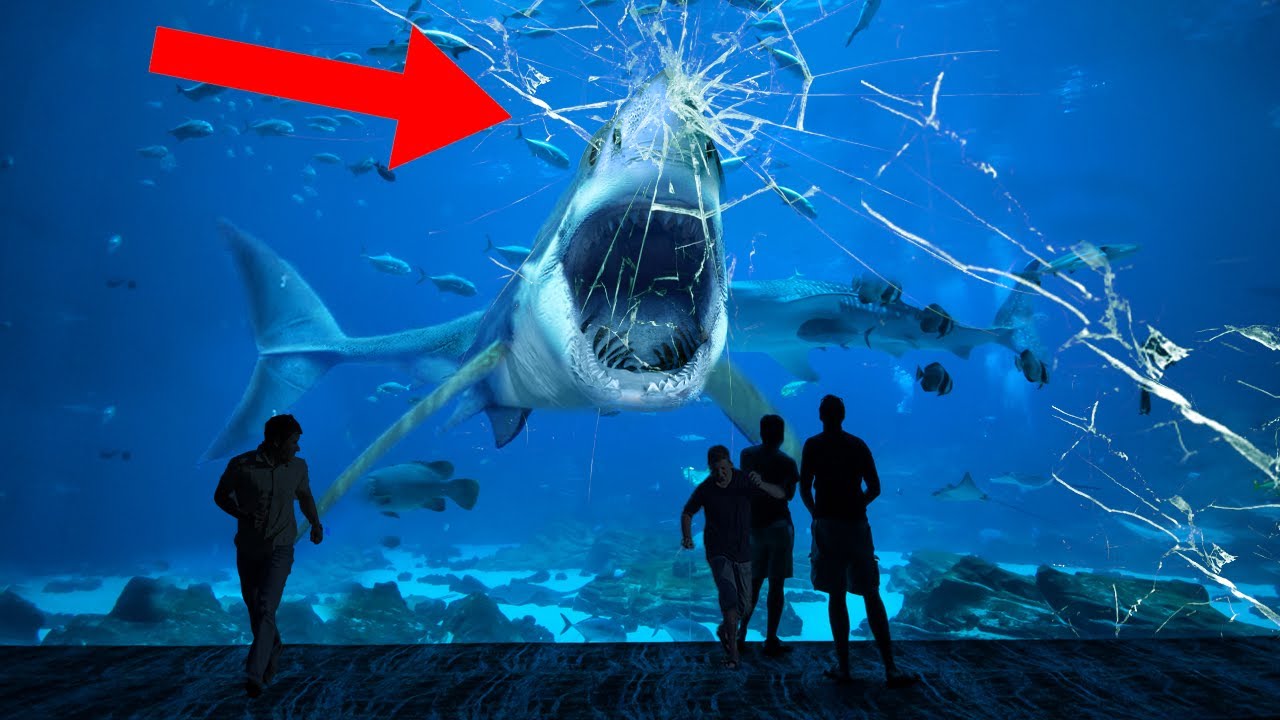
Great whites are highly sensitive creatures. The artificial environment of an aquarium is a sensory nightmare for them. The glass walls, pumps, filters, and crowds of people create constant stimuli that they cannot escape. It's like living in a room with bright, flashing lights and loud noises 24/7.
This constant stress is perhaps the deadliest factor. It weakens their immune systems, making them susceptible to diseases they would normally fight off. Sharks in captivity have shown clear signs of distress, such as repetitive swimming patterns and refusing to eat. This overwhelming stress is a critical reason why keeping great white sharks in aquariums has consistently failed. The psychological toll is just too high.

A History of Failed Attempts
Over the years, several world-class aquariums have tried to house great white sharks. Each attempt has ended in failure and, tragically, often with the death of the shark. The Monterey Bay Aquarium had the most success, keeping a few young white sharks for several months at a time.
However, even these sharks had to be released. They either became too aggressive, stopped eating, or began showing signs of severe stress. These experiences provided valuable data but ultimately confirmed what many experts already knew. The history of these attempts provides a clear and somber answer to why no white sharks in aquarium displays exist today. The evidence shows it is simply not sustainable.

Ethical Considerations and Conservation
Beyond the biological reasons, there are significant ethical questions. Is it right to capture a wild, roaming animal and place it in a confined space for our entertainment, especially when we know it cannot thrive? Most marine biologists and conservationists would say no.
The focus has now shifted from captivity to conservation. Researchers use tracking tags and non-invasive methods to study great whites in their natural habitat. This allows us to learn about these incredible animals without harming them. Supporting conservation efforts helps ensure their survival in the wild, which is a far better outcome than a short, stressful life in a tank. The ethical debate solidifies the argument for why no white sharks in aquarium facilities is the correct approach.
Frequently Asked Questions of why no white sharks in aquarium
Have any aquariums ever kept a great white shark?
Yes, a few aquariums have tried, most notably the Monterey Bay Aquarium. However, no aquarium has been able to keep an adult great white shark alive and healthy for a long period. All attempts have ended with the shark being released or dying.
What is the longest a great white has survived in an aquarium?
The Monterey Bay Aquarium holds the record, keeping a young female great white shark for 198 days before releasing her back into the ocean. She was growing too large and had started hunting other sharks in the exhibit.
Why can other large sharks live in aquariums but not great whites?
Other large sharks, like tiger sharks or sand tiger sharks, are generally less migratory and more adaptable to confined spaces. Great whites have unique roaming instincts, sensitive systems, and a size that makes them exceptionally poor candidates for aquarium life.
Do great white sharks get depressed in tanks?
While we can't know for sure if they feel "depression" like humans do, they show clear signs of extreme stress, a condition known as "zoochosis." This includes refusing food, swimming into walls, and exhibiting listless behavior, all indicating poor psychological well-being.
Could a large enough aquarium ever be built for a white shark?
Theoretically, a massive sea pen that is miles wide might be possible, but it would be incredibly expensive and complex. Even then, it would not replicate the vastness and diversity of the open ocean that these animals are biologically programmed to inhabit.
Conclusion
The reasons we don't see these magnificent predators in tanks are complex and clear. From their colossal size and endless need to roam to their sensitive nature and specialized diet, the great white shark is an animal built for the wild. The history of failed attempts has taught us that captivity induces unbearable stress, ultimately proving fatal. This is why no white sharks in aquarium exhibits exist today.
Instead of wishing to see them behind glass, let's channel that admiration into protecting them. Support organizations dedicated to ocean conservation and learn about these animals through incredible documentaries and responsible ecotourism. By helping preserve their natural habitat, we ensure that great white sharks can continue to rule the oceans for generations to come. What's one thing you can do today to support our oceans?