Aquarium salt is used primarily as a supportive treatment for fish stress, parasites, and certain diseases.
Walking through the fish aisle, you've probably seen those blue and white cartons of aquarium salt and wondered, "why put salt in aquarium water, especially a freshwater one?" It seems counterintuitive, right? As an aquarist with years of experience, I’ve seen firsthand how this simple compound can be both a lifesaver and, when used incorrectly, a source of problems. The question of why put salt in aquarium setups is one of the most common I hear, and the answer isn't a simple "yes" or "no." It’s a powerful tool in your fish-keeping toolkit, but like any tool, you need to know when and how to use it properly. Let’s dive deep into this topic and clear up the confusion for good.
The Science Behind Aquarium Salt: More Than Just Flavor
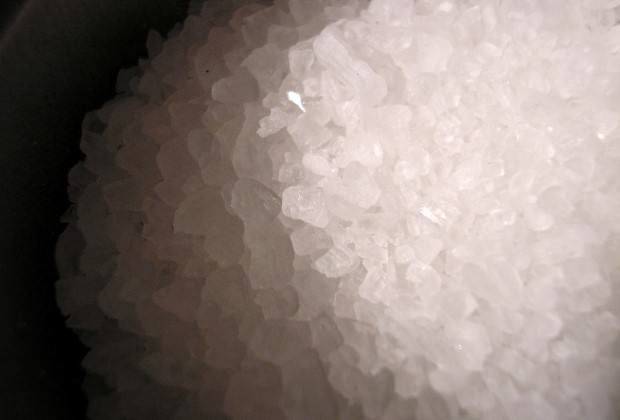
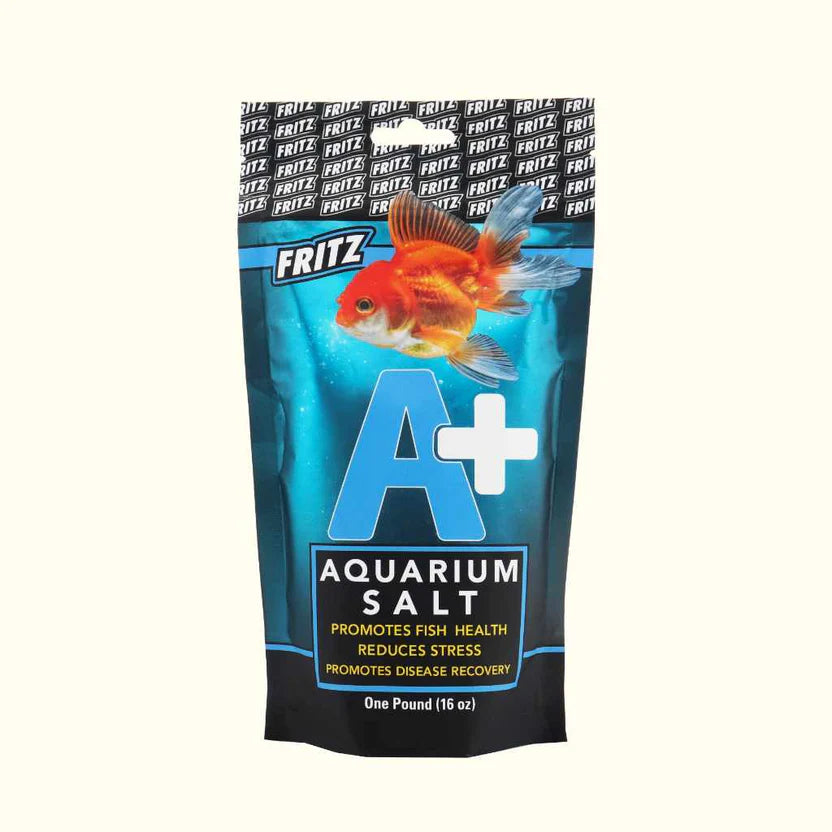
Before we talk about why put salt in aquarium water, it’s crucial to understand what "aquarium salt" actually is. This isn't the iodized table salt from your kitchen shaker. Aquarium salt is pure sodium chloride (NaCl), without the anti-caking agents or iodine found in table salt, which can be harmful to your fish. Its power lies in a simple biological process called osmoregulation.
Think of it like this: your freshwater fish is naturally saltier than the water it lives in. Because of osmosis, water is constantly trying to enter its body to balance things out. A healthy fish's body works around the clock to expel this excess water and maintain its internal salt balance. When a fish is stressed or sick, this process becomes a huge energy drain. Adding aquarium salt to the water reduces the osmotic pressure, making it easier for your fish to breathe and maintain its balance. It’s like giving a tired runner a sports drink to replenish their electrolytes—it helps their body function more efficiently when it's under strain.

Key Benefits of Using Salt in a Freshwater Aquarium
So, knowing the science, what are the practical reasons why put salt in aquarium tanks? It primarily serves as a supportive therapy and a treatment for specific issues, rather than a permanent additive. I’ve used it many times to turn a bad situation around.
- Disease Prevention and Treatment: This is the most common reason. Salt is incredibly effective against certain external parasites, most notably Ich (Ichthyophthirius multifiliis), the pesky white spot disease. The salt essentially dehydrates the single-celled parasites by drawing water out of them, killing them without the need for harsh chemicals. It can also help with some mild fungal and bacterial infections on a fish's skin or fins.
- Stress Reduction: When you bring a new fish home or perform a large water change, the fish can become stressed. This stress weakens its immune system. A low dose of aquarium salt helps support their gill function and reduces the energy they need to expend on osmoregulation, giving them a better chance to acclimate and stay healthy.
- Nitrite Poisoning Aid: This is a lifesaver for anyone cycling a new tank. If nitrite levels spike, fish can suffer from "brown blood disease," where the nitrite prevents their blood from carrying oxygen. The chloride in aquarium salt helps block the uptake of nitrite through the gills, protecting your fish while you work on getting the water parameters back in check.
- Slime Coat Enhancement: A fish's slime coat is its first line of defense against infection. Mild irritation from salt can encourage the fish to produce more of this protective mucus, which can help heal minor scrapes and abrasions and ward off opportunistic pathogens.
When and How to Use Aquarium Salt Safely
Understanding why put salt in aquarium water is only half the battle; using it correctly is what matters most. I learned the hard way that just dumping it in is a recipe for disaster. It can stress fish more, or even kill them if the concentration is too high or added too quickly.
Here is the right way to do it:
- Always Dissolve It First: Never, ever pour salt directly into your tank. It can burn your fish or create concentrated pockets that are dangerous. Always dissolve the required amount of salt completely in a separate container of tank water before slowly pouring it into an area with high water flow, like near the filter outlet.
- Know Your Dosage: The amount of salt you use depends on your goal.
- For a general tonic or stress reducer: Use 1 rounded tablespoon for every 5 gallons of water.
- For treating diseases like Ich: You may need to go higher, up to 1 rounded tablespoon for every 2-3 gallons. Always start with a lower dose and increase it gradually over 24-48 hours.
- Remember Salt Doesn't Evaporate: This is the most common mistake I see. When water evaporates from your tank, the salt stays behind, making the water more concentrated. Salt is only removed when you physically take water out. This means you should only add new salt to the amount of water you are replacing during a water change, not for the entire tank volume.
- Consider a Salt Bath: For a severe, isolated issue on a single fish, a "salt bath" or "dip" is a great option. This involves placing the affected fish in a separate, aerated container with a much higher salt concentration for a short period (5 to 15 minutes) before returning it to the main tank.

The Big "Don'ts": When to Avoid Aquarium Salt
While knowing why put salt in aquarium tanks is beneficial, it's just as important to know when not to. It’s a medicine, not a vitamin. Using it without a specific reason can cause more harm than good.
- Planted Tanks: Most live aquatic plants cannot tolerate salt. It will cause them to wilt, melt, and die. If you have a beautifully planted tank, you should avoid using salt in the main aquarium and use a separate hospital tank for any salt treatments.
- Sensitive Species: Not all fish are created equal when it comes to salt tolerance. Scaleless fish like Corydoras catfish and many loaches, as well as invertebrates like snails and shrimp, are extremely sensitive to salt. Even a low dose can be lethal to them. Always research your tank inhabitants before adding any salt.
- As a Permanent Crutch: In the past, some aquarists recommended keeping a low level of salt in the tank at all times. Modern fish-keeping practices discourage this. It can put a constant strain on your fish's kidneys and may cause salt-resistant strains of parasites to develop. Use salt to fix a problem, then remove it with water changes once the issue is resolved.

Frequently Asked Questions
Can I use table salt in my aquarium?
No, you should never use table salt. It contains iodine and anti-caking agents that are toxic to fish and can disrupt your tank's delicate ecosystem. Always use salt specifically marketed as "aquarium salt."
Does aquarium salt kill beneficial bacteria?
At the therapeutic doses recommended for treating fish, aquarium salt has a minimal effect on the beneficial bacteria in your filter. Extremely high concentrations could be harmful, but standard use is generally considered safe for your biological filter.
How long should I treat my tank with salt?
A typical salt treatment for parasites like Ich should last for 10 to 14 days to ensure you have broken the parasite's full life cycle. For stress reduction, it may only be needed for a few days. Always follow up with water changes to gradually remove the salt.
Will salt raise the pH of my aquarium?
No, pure sodium chloride (aquarium salt) is pH neutral and will not affect the pH, GH (general hardness), or KH (carbonate hardness) of your aquarium water. If you notice a pH change, it's likely due to another factor.
Can salt help with fin rot?
Yes, salt can be a great first-line treatment for mild cases of bacterial or fungal fin rot. It helps reduce the pathogen load in the water and promotes healing of the fins by encouraging a healthy slime coat. For severe cases, however, a dedicated antibiotic medication may be necessary.
Conclusion
The question of "why put salt in aquarium" reveals that this simple compound is a versatile and effective tool for the responsible fish keeper. It's not a magical cure-all or a permanent water conditioner, but a targeted treatment for stress, nitrite poisoning, and common external parasites. By understanding the science behind it, applying the correct dosage, and knowing when to avoid it, you can safely use aquarium salt to improve your fish's health and well-being.
Your takeaway should be to view aquarium salt as medicine. Use it with purpose, respect its power, and always prioritize the specific needs of your tank's inhabitants. Now that you're armed with this knowledge, you can make an informed decision the next time you face a fish health challenge. Feel free to share your own experiences with aquarium salt in the comments below