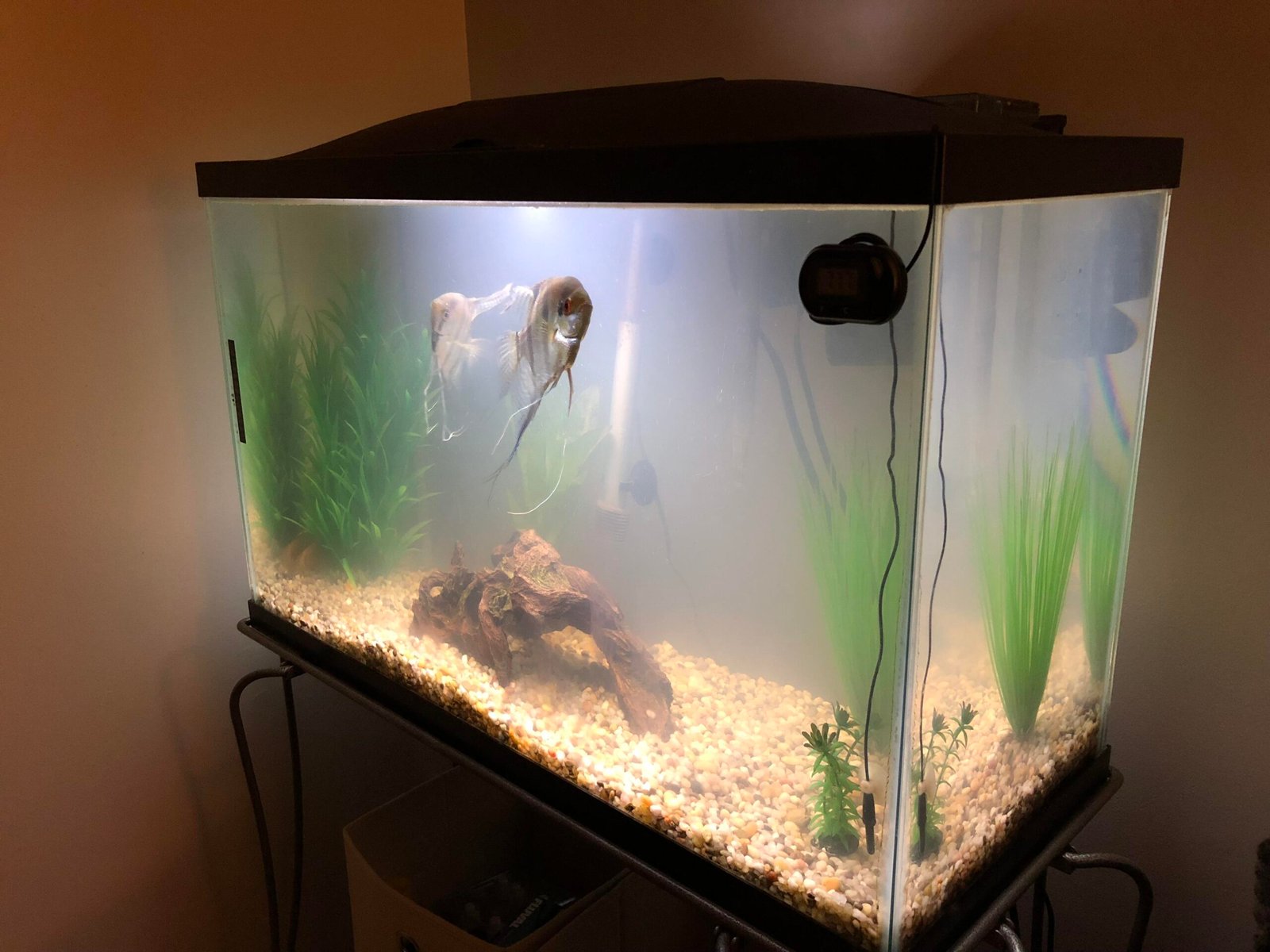
Cloudy aquarium water is usually caused by bacterial blooms, excess nutrients, algae growth, or tiny debris from the substrate.
You've set up your beautiful aquarium, chosen your fish, and arranged the decor perfectly. Then one morning, you wake up to a tank that looks like a murky, milky mess. It’s frustrating, and it’s a moment almost every fish keeper has experienced. As someone who has spent years in the aquarium hobby, I've seen my fair share of cloudy tanks and felt that same pang of worry. But don't panic. Understanding why the aquarium water is cloudy is the first step to fixing it, and this guide will walk you through every possible cause and solution, turning you into a clear-water expert.
:strip_icc()/cloudy-aquarium-water-1378803-3736ff0eb5b34aa0907ae9df2882a86e.png)
The Most Common Culprit: The Bacterial Bloom
If your water has a milky, white haze, you're likely dealing with a bacterial bloom. This is incredibly common, especially in new tanks. We often call it "new tank syndrome." It happens when beneficial bacteria, the good guys that break down fish waste, haven't had enough time to establish themselves in your filter and substrate. Think of it like a new city where the waste management team hasn't been fully hired yet.
When you add fish, they produce waste (ammonia). Without enough bacteria to process it, a different type of free-floating bacteria multiplies rapidly to feed on the excess nutrients. This explosion of bacteria is what makes your aquarium water cloudy. I remember with my first tank, I was so worried I did a massive water change, which only made things worse. The key here is patience. This bloom is a natural, temporary part of your tank's cycling process. Resisting the urge to "fix" it is often the best solution.
The best way to handle a bacterial bloom is to let it run its course. It usually clears up on its own within a week or two as the beneficial bacteria catch up and create balance. You can help by reducing feeding to once every other day and ensuring your filter is running properly. Avoid large water changes, as this can disrupt the delicate bacterial balance you're trying to build. Understanding this part of why the aquarium water is cloudy will save you a lot of stress.
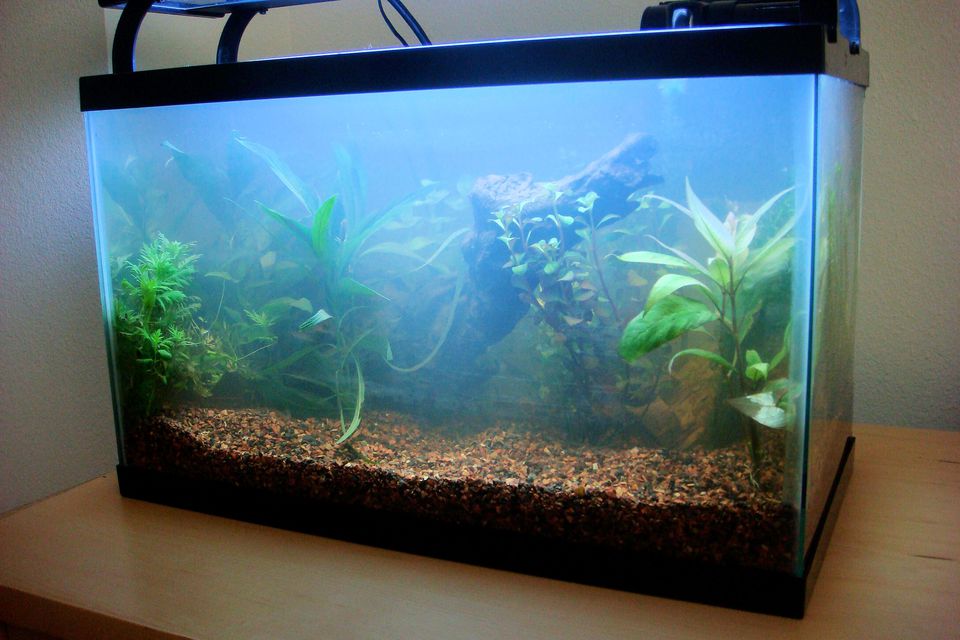
Green with Envy: Dealing with Algae Blooms
Does your tank look more like pea soup than a clear aquatic paradise? If the cloudiness has a distinct green tint, you have an algae bloom on your hands. This is caused by microscopic, free-floating algae called phytoplankton. Just like plants in your garden, this algae thrives on two things: light and nutrients. Finding the source of the problem is key to understanding why the aquarium water is cloudy in this case.
The most common causes for a green water outbreak are too much light or an excess of nutrients like nitrates and phosphates. Is your tank sitting in direct sunlight? Are you leaving the aquarium light on for more than 8-10 hours a day? These are often the primary culprits. Overfeeding your fish also contributes, as uneaten food and excess waste break down into the very nutrients algae loves to eat.
To combat green water, start by reducing your lighting period to about six hours a day. You can slowly increase it once the water clears. Perform regular partial water changes (about 25% weekly) to help dilute the excess nutrients in the water. Adding live plants can also be a huge help, as they compete with the algae for the same nutrients, effectively starving it out.

Stirred, Not Shaken: Cloudy Water from Substrate and Debris
Sometimes, the reason why the aquarium water is cloudy is purely mechanical. If the cloudiness looks like floating specks of dust, sand, or dirt, it's likely caused by particulate matter suspended in the water column. This type of cloudiness often appears right after you’ve set up a new tank or done some maintenance.
A common mistake new hobbyists make is not rinsing their new gravel or sand thoroughly enough before adding it to the tank. This fine dust can take days to settle. Fish that love to dig, like cichlids or certain loaches, can also constantly stir up the substrate, keeping the water perpetually murky. Even something as simple as adding water too quickly during a water change can kick up a cloud of debris.
The solution here is straightforward. If you have a new tank, give it a few days for the fine particles to settle or be caught by the filter. You can help your filter by adding a fine filter pad or polishing pad to catch the tiny debris. For future setups, always rinse your substrate in a bucket until the water runs clear. When performing water changes, pour the new water slowly onto a piece of decor to avoid disturbing the bottom.
What You Can Do Right Now to Clear Cloudy Water
Feeling overwhelmed by the different reasons why the aquarium water is cloudy? Don't be. Here is a simple checklist of actions you can take right now to start clearing up your tank, no matter the cause.
- Test Your Water Parameters. Use a liquid test kit to check for ammonia, nitrite, and nitrate levels. High ammonia or nitrite points to a bacterial issue related to the nitrogen cycle. High nitrates can fuel an algae bloom.
- Perform a Small Water Change. A 20-25% water change can help dilute the excess nutrients or bacteria in the water. Avoid doing a massive water change, as this can crash your cycle and make the problem worse.
- Reduce Feeding. Cut back on how much you feed your fish for a few days. Fish can easily go a day or two without food. This reduces the amount of waste and uneaten food contributing to the problem.
- Check Your Filtration. Make sure your filter is running correctly and has adequate flow. If the filter media is clogged, gently rinse it in the old tank water you removed during your water change. Never rinse it in tap water, as the chlorine will kill your beneficial bacteria.
- Adjust Your Lighting. If you suspect an algae bloom, reduce the amount of time your aquarium light is on to no more than 6-8 hours a day. Also, ensure the tank is not receiving direct sunlight.
Frequently Asked Questions of why the aquarium water is cloudy
Is cloudy water harmful to my fish?
In most cases, a mild bacterial or debris-related cloudiness is not directly harmful to fish. However, the underlying cause, like an ammonia spike, can be very dangerous. Green water is generally not harmful, but it can reduce oxygen levels at night.
How long does it take for cloudy water to clear up?
A bacterial bloom in a new tank often clears on its own in about one to two weeks. Cloudiness from debris might settle in a day or two. Algae blooms can take longer to resolve as you need to address the root cause of excess light and nutrients.
Can overfeeding cause cloudy water?
Absolutely. Overfeeding is one of the leading causes of cloudy water. Uneaten food decays, releasing ammonia and other nutrients that fuel both bacterial blooms and algae growth.
Should I use a chemical water clarifier?
Water clarifiers, or flocculants, can be a quick fix for cloudy water caused by debris. They work by clumping tiny particles together so your filter can remove them. However, they don't solve the underlying problem and should be used sparingly.
Why is my aquarium water cloudy after a water change?
This is usually caused by disturbing the substrate and releasing fine particles into the water. It can also sometimes trigger a mini bacterial bloom if you clean your filter too thoroughly or change too much water at once.
Conclusion
Seeing your crystal-clear aquarium turn into a cloudy puzzle can be disheartening, but it's a common bump in the road of fishkeeping. The key is not to panic but to diagnose the issue. Whether it's a milky bacterial bloom, a green algae takeover, or just floating debris, every type of cloudy water has a solution. By understanding the reasons why the aquarium water is cloudy, you are empowered to take the right steps.
Your best tools in this situation are patience, observation, and a consistent maintenance routine. Focus on the fundamentals: don't overfeed, perform regular water changes, and don't over-clean your filter. Soon enough, you'll be enjoying that perfectly clear view into your underwater world once again.
What has been your experience with a cloudy tank? Share your story or ask any questions in the comments below