
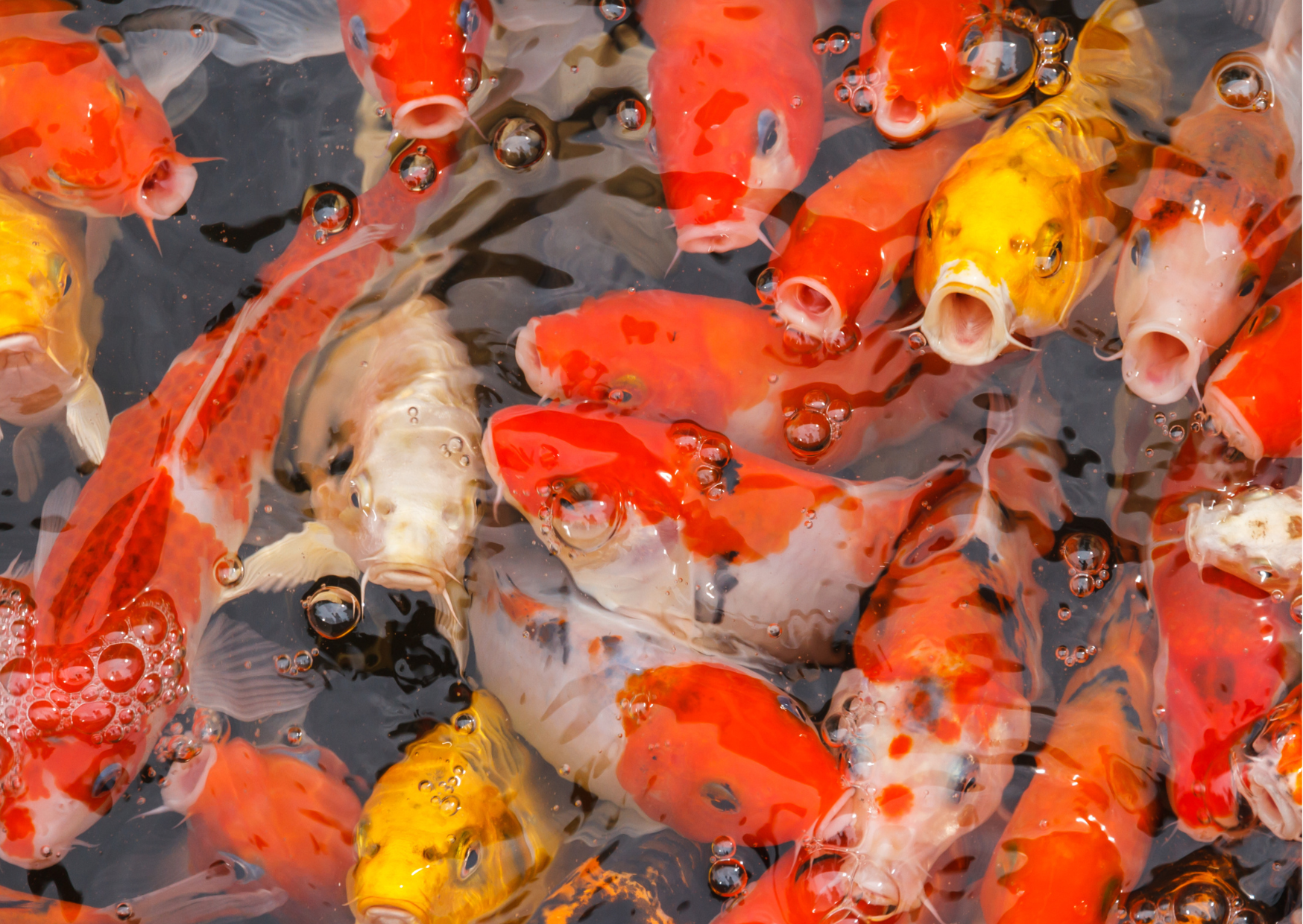
Fish often surface to gulp air, seek oxygen-rich zones, beg for food, or react to stress.
I have kept and studied home aquariums for years, and I’ve seen every reason fish come to water surface in aquarium—from harmless curiosity to clear warning signs. This guide explains why fish come to water surface in aquarium, how to tell normal behavior from trouble, and practical steps to fix common problems. Read on for clear, tested advice that will help you keep your fish healthy and calm.
Common reasons fish come to the surface
Fish surfacing is common. Sometimes it is normal. Other times it signals poor water or illness. The main reasons include low oxygen, feeding habits, temperature changes, water chemistry, and disease. Knowing the difference helps you act fast and keep your tank safe.
:strip_icc()/GettyImages-1343085391-1b0e478a780a40598d45bc25ccf066a7.jpg)
Oxygen and gas exchange
Low dissolved oxygen is the top reason why fish come to water surface in aquarium. Warmer water holds less oxygen. Midday heating or crowded tanks reduce oxygen further. Fish swim near the top because oxygen is highest at the air-water interface.
Signs this is oxygen-related:
- Fish gasp at the surface with open mouths.
- Many fish cluster at the top.
- Rapid breathing or frantic movements.
How to fix it:
- Add an air stone or increase surface agitation.
- Check filter flow and clean clogged media.
- Reduce stocking density if the tank is crowded.
I once had a planted tank where fish started gulping at the top after a heatwave. A simple air stone and a partial water change solved it within hours. That taught me to always watch temperature and surface movement together.

Feeding and learned behavior
Fish often come up because they expect food. Many species learn to associate the surface with feeding time. This is common in community tanks with regular feeding routines.
How to tell the difference:
- Fish come up quickly at feeding times, then calm down.
- Only specific individuals or species surface.
Tips:
- Vary feeding locations so fish don’t crowd the top.
- Use slow-sinking pellets for mid-water eaters.
- Avoid overfeeding; leftover food worsens water quality.
This learned behavior can mask other problems. If fish beg at the top and also show rapid breathing, investigate water quality and oxygen next.
Water quality and toxins
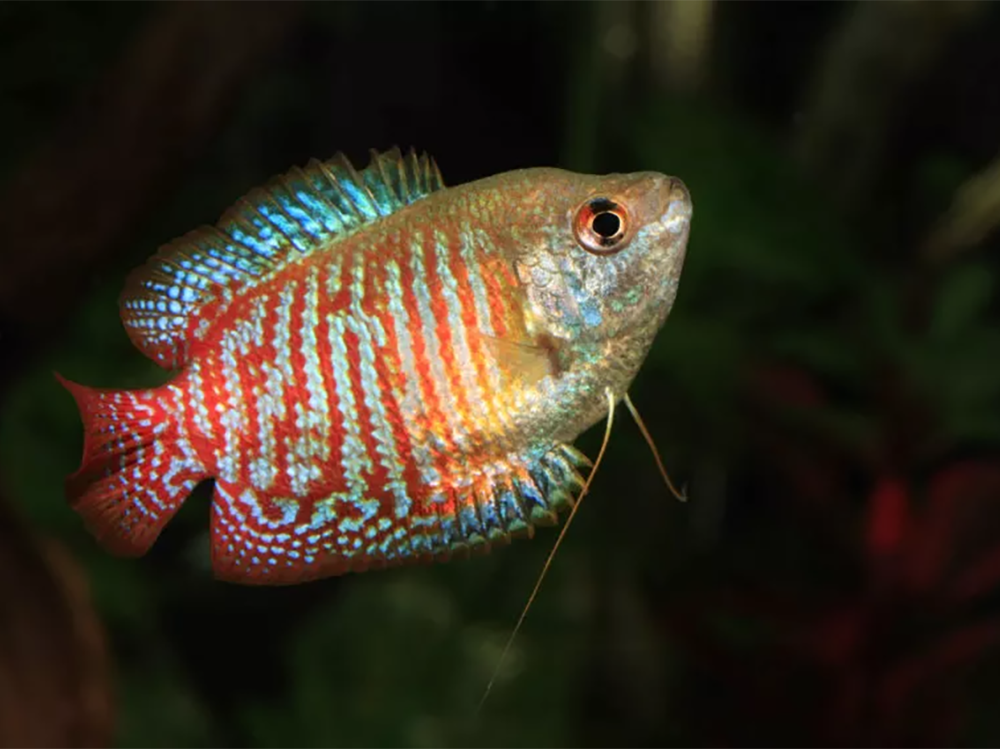
Poor water quality is a frequent cause of why fish come to water surface in aquarium. High ammonia, nitrite, or nitrate can make fish uncomfortable. Toxins, pH swings, and chemical contamination push fish toward the surface where conditions feel better.
Common signs:
- Lethargy mixed with surface visits.
- Visible slime coat changes, red fins, or clamped fins.
- Recent maintenance mistakes or new decorations that release chemicals.
Fixes to consider:
- Test water for ammonia, nitrite, nitrate, and pH.
- Do a partial water change if levels are off.
- Check recent additions like rocks or driftwood for leaching.
I once added untreated driftwood and noticed fish at the top within a day. A rapid water change and activated carbon in the filter removed the compounds and the behavior stopped.
Temperature and thermoregulation
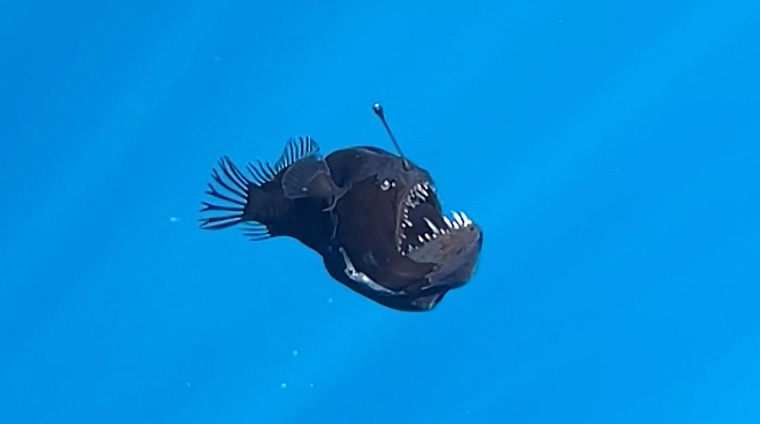
Temperature shifts influence why fish come to water surface in aquarium. Fish are cold- or warm-blooded in different ways and seek zones that match their preferred temperature. In layered tanks, warmer top water can attract fish during cooler nights, while heat stress can push fish to the surface during the day.
How to manage:
- Use a reliable heater and thermometer.
- Avoid placing tanks in direct sun or near HVAC vents.
- Add surface circulation to mix temperature layers.
Temperature problems often pair with low oxygen, so address both at once.

Disease, parasites, and stress
Sick or parasitized fish often stay near the surface. Gill problems reduce oxygen uptake and make surface gasping common. External parasites and bacterial infections can also cause this behavior.
Watch for these symptoms:
- Rubbing on surfaces or rapid flashing.
- Visible lesions, white spots, or frayed fins.
- Isolated fish staying at the top or gasping intermittently.
If you suspect disease:
- Quarantine and treat the affected fish when possible.
- Test water and correct chemistry first.
- Consult a vet or experienced aquarist for serious outbreaks.
I treated a cichlid that surfaced and breathed oddly. After testing, it was low oxygen plus a mild gill infection. Targeted medication and better aeration fixed both problems.

Breeding, territorial, and social behaviors
Some species naturally use the water surface during breeding or displays. Jumping, surface nosing, and top-level courtship are normal for certain fish. Territorial disputes can also push fish upward.
How to know it’s normal:
- Behavior happens during specific times, like breeding season.
- Fish show normal color and appetite.
- It occurs in species known for surface activity.
If the behavior is part of courtship or territory, leave them be unless it becomes extreme or combined with illness signs.

How to diagnose and fix surface-gulping issues
Use this quick checklist to diagnose why fish come to water surface in aquarium:
- Test water for oxygen related issues and basic chemistry.
- Check temperature and filter flow.
- Observe when and which fish surface.
- Note feeding times and recent tank changes.
Step-by-step fixes:
- Test ammonia, nitrite, nitrate, and pH.
- Increase surface agitation or add an air stone.
- Do a 25-50% water change if chemistry is off.
- Reduce feeding and remove uneaten food.
- Treat disease if symptoms persist after water fixes.
A systematic approach prevents guesswork. In my experience, routine testing solves most surface-gulping problems.
Preventive care and best practices
Prevention keeps fish from needing fixes later. Good habits reduce why fish come to water surface in aquarium in the first place.
Daily and weekly habits:
- Test water weekly for key parameters.
- Clean filters monthly and change media as needed.
- Keep a consistent feeding schedule and don’t overfeed.
- Maintain proper stocking levels for your tank size.
- Use a reliable heater and a thermometer to avoid temperature swings.
Small, regular efforts save you from big problems.
Frequently Asked Questions of why fish come to water surface in aquarium
Why do my fish suddenly start coming to the surface?
Sudden surfacing often points to oxygen drops, chemical changes, or quick temperature shifts. Test water and check equipment immediately.
Can poor filtration cause surface-gasping?
Yes, poor filtration reduces oxygen exchange and lets toxins build up, which makes fish seek the top for relief. Clean or upgrade filters when needed.
Are some species more likely to surface than others?
Yes, surface-feeding species and lab-reared fish trained to eat at the top will come up more often. Check species traits to set expectations.
Is surfacing always a sign of illness?
No, surfacing can be normal for feeding, breeding, or temperature preference. Illness is likely if surfacing comes with odd colors, frayed fins, or lethargy.
How fast should I act if my fish are gasping at the surface?
Act immediately. Start with an air stone and a partial water change, then test water. Quick action prevents fatalities.
Can plants help reduce surface-gulping?
Yes, live plants produce oxygen during daylight and improve water quality, which can reduce surfacing due to low oxygen. Use plants suited to your lighting and fish.
Conclusion
Understanding why fish come to water surface in aquarium helps you spot problems fast and keep your tank healthy. Check oxygen, water chemistry, temperature, and behavior before deciding on treatment. Small, consistent care habits prevent most surface-gulping issues and keep fish calm and active. Try the checklist here, observe your fish, and take one simple action today to improve your tank. Share your experiences or questions below to get tailored advice.