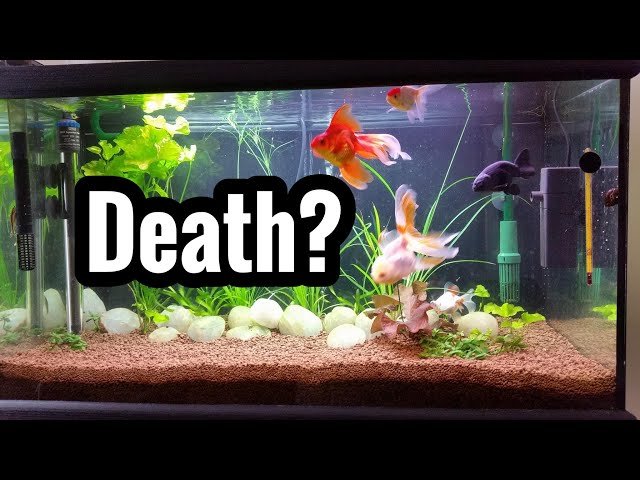
Most goldfish die from poor water quality, overfeeding, and stress in home aquariums.
I’ve spent years keeping and studying aquariums, and I want to help you understand exactly why goldfish died in aquarium setups so you can avoid the same mistakes. This guide blends hands-on experience, clear science, and simple fixes. Read on to learn the main causes, how to spot problems early, and practical steps to keep your goldfish healthy.
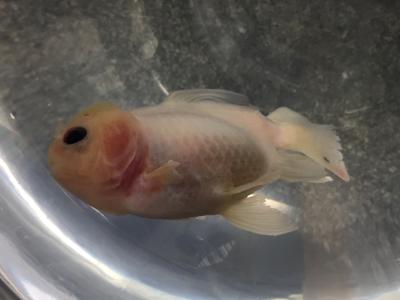
Common reasons goldfish died in aquarium
Goldfish are hardy, but they are often kept in the wrong conditions. Understanding the basics will stop most losses. Here are the top reasons why goldfish died in aquarium setups.
- Poor water quality leads to toxic ammonia and nitrite spikes that choke fish.
- Overfeeding causes excess waste and oxygen drops.
- Overstocking raises stress and disease risk.
- Sudden temperature or pH shifts shock fish.
I learned these the hard way after losing young fish to a cycling tank. Regular checks and slow changes made a big difference.
Water quality: the silent killer
Water chemistry is the most common answer to why goldfish died in aquarium systems. Goldfish produce a lot of waste. Ammonia and nitrite build up fast in small tanks.
- Test regularly: Check ammonia, nitrite, nitrate, pH, and temperature weekly.
- Ammonia and nitrite must be zero. Even small amounts can be deadly.
- Nitrate should stay below 40 ppm; lower is better.
- pH swings stress fish. Keep pH stable and appropriate for goldfish, typically 7.0 to 8.4.
I remember one winter when heater failure dropped temperature and pH drifted. A sudden ammonia spike killed two fish overnight. Now I test every Sunday and keep spare equipment.
Overfeeding and diet problems
Overfeeding is an easy mistake and a leading reason why goldfish died in aquarium care. Leftover food rots and pollutes water.
- Feed once or twice daily, only what they eat in two minutes.
- Use high-quality pellets and occasional vegetables for variety.
- Avoid sinking food that wedges into gravel and rots.
- Remove uneaten food after feeding.
I once fed frozen bloodworms every day thinking they’d love it. They did — and my filter choked from the extra waste. Cut back on treats and your water will thank you.
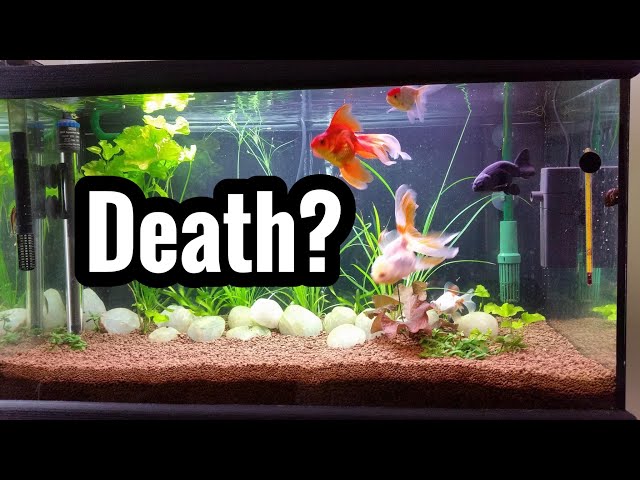
Overstocking and tank size
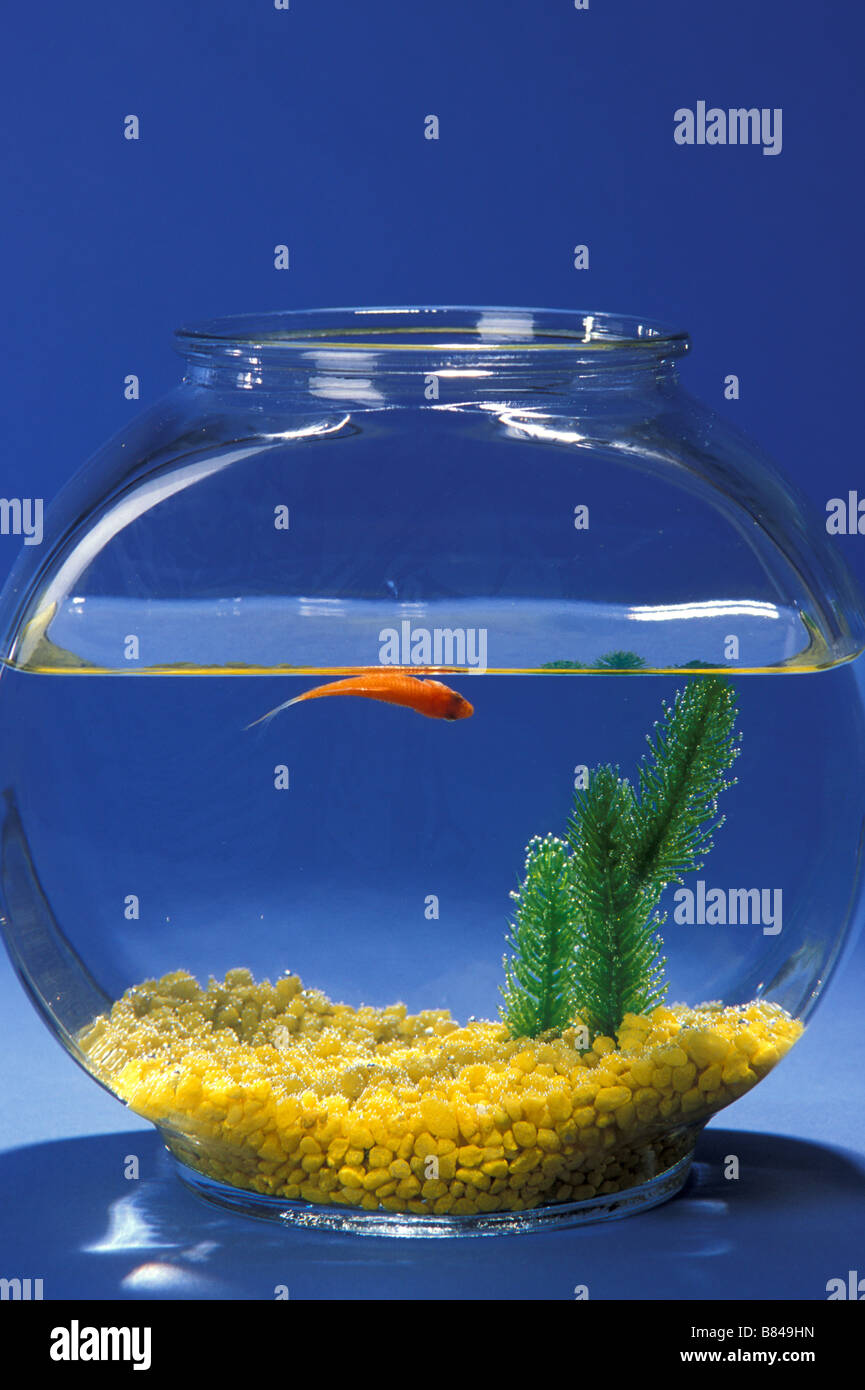
Goldfish need space. Small bowls and tanks are often too small for their waste output and growth. Overstocking is a top reason why goldfish died in aquarium environments.
- Rule of thumb: at least 20 gallons for one fancy goldfish, 30+ gallons for single common goldfish. Add 10 gallons per additional fish.
- Bigger tanks dilute toxins and provide more stable conditions.
- Remember adult size; many “small” goldfish grow large.
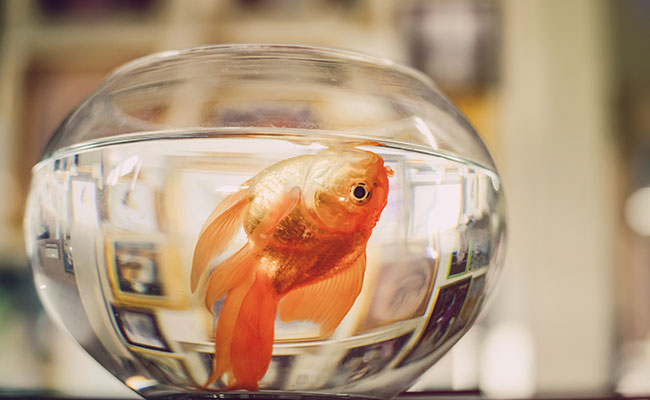
An old neighbor kept five goldfish in a 10-gallon bowl. They survived a short while, then water quality crashed and they all died. Bigger tank, longer life.
Disease, parasites, and infection
Illness can take fish quickly, especially when combined with stress. Disease is often the direct reason why goldfish died in aquarium systems.
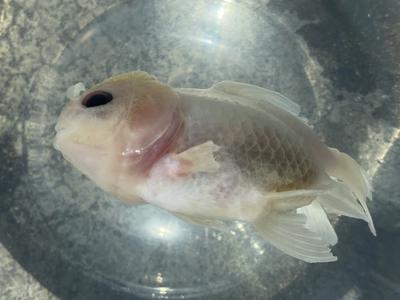
- Watch for white spots, clamped fins, red streaks, lethargy, or loss of appetite.
- Quarantine new fish for two weeks before introducing them.
- Treat early with appropriate medication; follow dosing instructions carefully.
- Maintain clean water and good diet to boost immune systems.
Once I treated a tank for ich immediately and recovered all fish. Delay often turns treatable disease into fatalities.

Stressors: environment and handling
Stress weakens immunity and shortens life. Stress explains many cases of why goldfish died in aquarium tanks after otherwise minor issues.
- Sudden moves, loud noise, or too much light can stress fish.
- Incompatible tankmates may nip or chase goldfish.
- Frequent digging or cover changes can unsettle them.
- Handle fish only when necessary and use proper techniques.
After a tank redecoration, my goldfish hid for days and stopped eating. I reverted some changes and they returned to normal within a week.
Filtration, aeration, and maintenance
A good filter and routine maintenance are essential answers to why goldfish died in aquarium setups. Filters remove waste and keep water oxygenated.
- Choose a filter rated for a larger tank than you own. Goldfish produce heavy bio-loads.
- Clean filter media gently in tank water to preserve beneficial bacteria.
- Perform weekly partial water changes of 20-30% to dilute wastes.
- Ensure surface agitation or an air stone for oxygen exchange.
I use a canister filter on my main tank and swap part of the water every weekend. My fish breathe easier and live longer.

Preventive checklist: steps to keep goldfish alive
Prevention is the best approach to stop why goldfish died in aquarium situations. Use this checklist to create a safe home.
- Test water weekly and record results.
- Feed small amounts and remove leftovers.
- Keep proper stocking levels and upgrade tank size as fish grow.
- Quarantine new arrivals and avoid wild-caught fish.
- Maintain stable temperature and avoid direct sunlight.
- Clean filter media in tank water; change 20-30% of water weekly.
I follow this checklist and have kept healthy goldfish for years. It cuts stress and surprises.
Common mistakes to avoid
Many readers ask what specific errors lead to why goldfish died in aquarium cases. Here are the top mistakes to skip.
- Buying a small bowl for a growing fish.
- Skipping water tests and hoping things will be fine.
- Treating symptoms without fixing water quality.
- Mixing species with different needs.
Avoid these and you’ll remove the most common causes of loss.
When to seek professional help
Some issues need a vet or experienced aquarist. If you face unexplained deaths, persistent water chemistry problems, or complex diseases, get help.
- Take water samples and photos of symptoms.
- Describe feeding, tank size, and recent changes.
- Early diagnosis saves lives and reduces repeated losses.
I once consulted a specialist when several deaths happened despite great care; it revealed a hidden toxin from new decor. Professional advice saved the rest.
Frequently Asked Questions about why goldfish died in aquarium
Why did my goldfish suddenly die overnight?
Sudden deaths are often due to rapid water parameter changes like ammonia spikes, temperature drops, or oxygen loss. Check water tests and equipment immediately.
Can overfeeding kill goldfish quickly?
Yes. Overfeeding generates excess waste and oxygen depletion quickly, which can lead to deadly ammonia or nitrite spikes. Feed small amounts and remove leftovers.
Are tank size and stocking really that important?
Absolutely. Too-small tanks concentrate toxins and cause stress. Proper tank size reduces pollution and keeps water more stable.
How can I tell if disease or water quality killed my goldfish?
Diseases often show visible symptoms like spots or ulcers. Water quality deaths may show no marks but coincide with high ammonia/nitrite or low oxygen. Test water to confirm.
Should I quarantine new fish every time?
Yes. Quarantine for two weeks to watch for disease and prevent introducing pathogens that could cause why goldfish died in aquarium populations.
Conclusion
Understanding why goldfish died in aquarium settings comes down to consistent care: stable water quality, proper feeding, adequate space, and quick responses to stress or disease. Start with regular testing, a good filter, and a sensible feeding routine. Small steps now prevent heartbreak later. Try one change this week—test your water and adjust feeding—and see the difference. If you found this guide useful, leave a comment, subscribe for more tips, or share your own experience to help others.