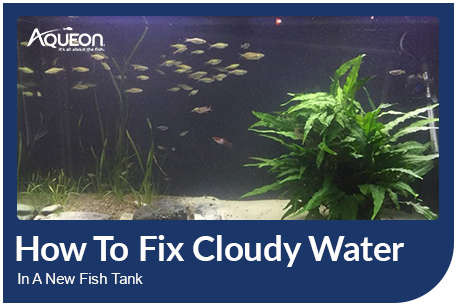
Most aquariums become cloudy due to a bacteria bloom or unbalanced water chemistry.
If you've noticed your once-clear aquarium turning cloudy, you're not alone. This is a common issue for both novice and experienced aquarists. Understanding why your aquarium gets cloudy can help you maintain a thriving aquatic environment. Regardless of your level of experience, keeping the water clear is essential not only for aesthetic reasons but also for the health of your aquatic life. Let's dive into the causes and solutions for cloudy aquarium water.
Causes of Cloudy Aquarium Water
Bacterial Bloom
A sudden increase in bacteria can rapidly turn your water cloudy. This often happens in new aquariums where beneficial bacteria are establishing themselves. The surge is temporary, but it might require a patient approach as your tank's ecosystem balances out.
Unbalanced Water Chemistry
An imbalance in water chemistry, such as high levels of ammonia or nitrites, can lead to cloudiness. This imbalance typically occurs due to overfeeding or lack of regular water changes. Keeping a close eye on water parameters with testing kits can prevent this issue.
Overfeeding
Feeding your fish more than they can consume leads to leftover food decomposing in the tank. This decomposition process contributes to cloudy water and can also elevate ammonia levels, further disturbing your aquarium's balance.
Inadequate Filtration
An effective filtration system is crucial. If your filter is insufficient or clogged, it won't remove debris or maintain water quality, leading to cloudiness. Regular maintenance and choosing an appropriate filter size are key.
Algae Growth
An abundance of light and nutrients can promote algae blooms, causing the water to appear green and murky. Controlling light exposure and nutrient levels will help manage algae growth effectively.
Solutions to Clear Up Cloudy Water
Perform Regular Water Changes
Regular partial water changes can help remove excess waste and contaminants, maintaining water clarity. Aim for a 10-20% water change weekly, depending on your tank size and fish population.
Optimize Feeding Practices
Feed your fish only what they can consume in a few minutes. This practice minimizes the accumulation of uneaten food, reducing the chances of cloudiness due to decomposition.
Enhance Your Filtration System
Ensure your filtration system is appropriate for your tank size and regularly clean or replace filter media to maintain efficiency. This will help keep water clear and support a healthy environment.
Monitor Water Parameters
Use water testing kits frequently to monitor levels of ammonia, nitrites, nitrates, and pH. Maintaining balanced water chemistry is essential for preventing cloudiness and ensuring the well-being of your aquatic life.
Control Light Exposure
Regulate the amount of light your aquarium receives. Too much light encourages algae growth, which can cloud your water. Consider using a timer to manage light exposure more effectively.
Frequently Asked Questions
Why is my new aquarium cloudy?
New aquariums often experience a bacterial bloom as the nitrogen cycle establishes. It usually clears up naturally within a few days.
How can I prevent cloudiness due to overfeeding?
Feed your fish small amounts, ensuring no food remains uneaten. It's better to underfeed than overfeed to maintain clear water.
Can tap water cause cloudiness?
Yes, high levels of minerals or chlorine in tap water can cause cloudiness. Use water conditioners to neutralize these substances.
Is cloudy water harmful to fish?
Cloudy water can indicate poor water quality, potentially leading to stress or health issues for fish. It's essential to address the underlying cause promptly.
How long does it take for the water to clear up?
Depending on the cause, cloudy water might take a few days to weeks to clear. Continued maintenance and monitoring can speed up the process.
Conclusion
Understanding why your aquarium gets cloudy is the first step toward resolving this common issue. By implementing regular maintenance, balanced feeding, and effective filtration, you can restore and maintain the clarity of your tank. Your aquatic creatures will thrive in a clean, healthy environment, providing you with endless enjoyment and pride. Embrace these strategies, and don't hesitate to reach out for more tips or join our community of aquarists eager to help.
Explore more about aquarium care by subscribing for the latest updates and insights!